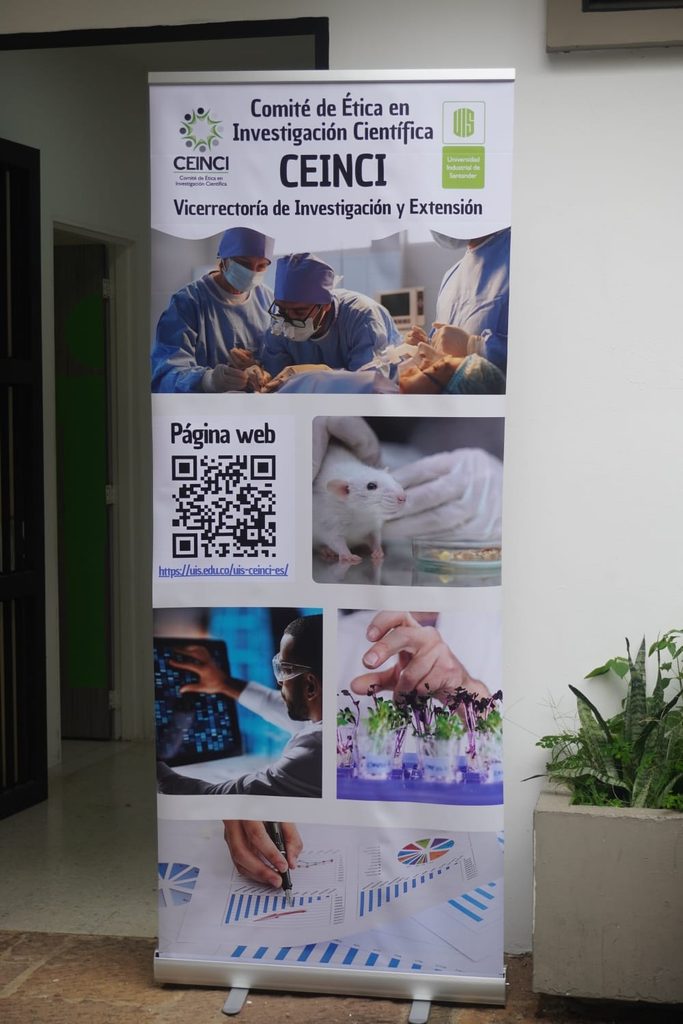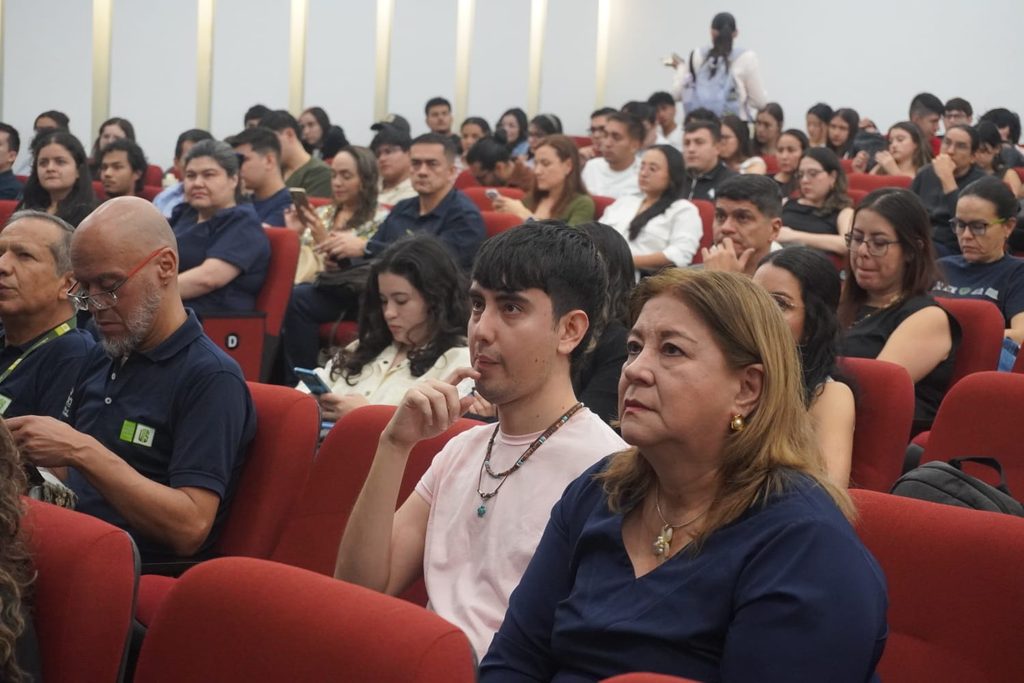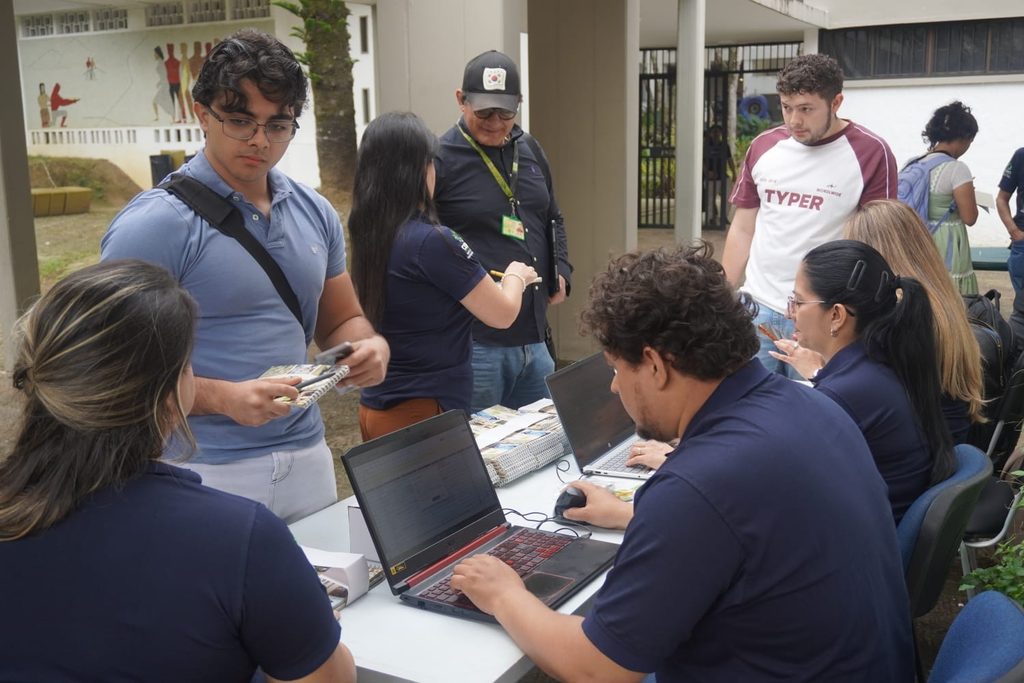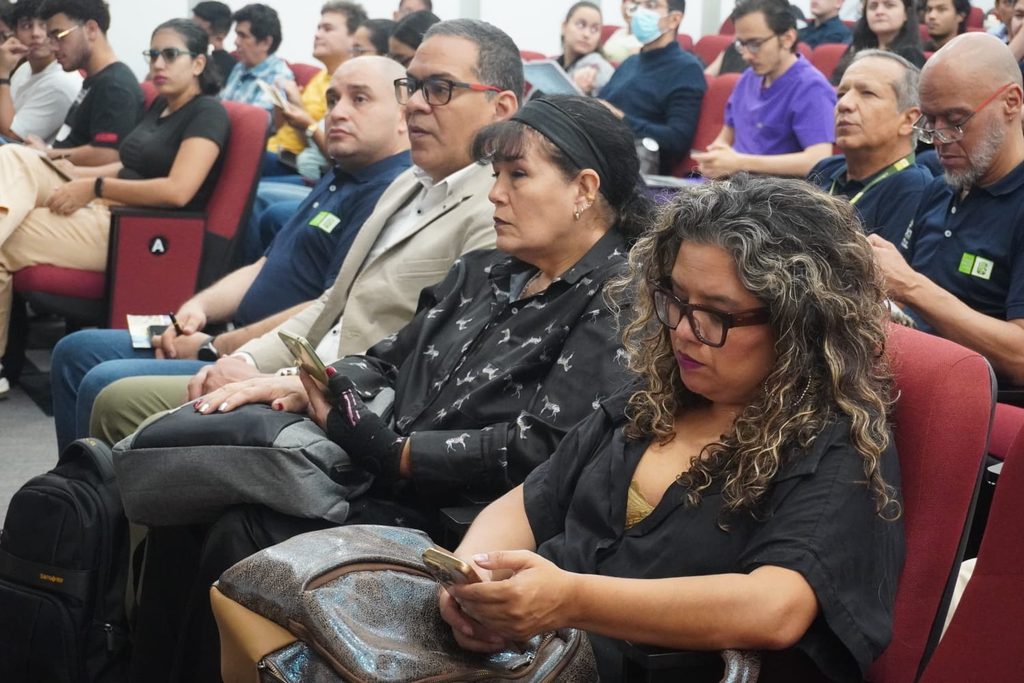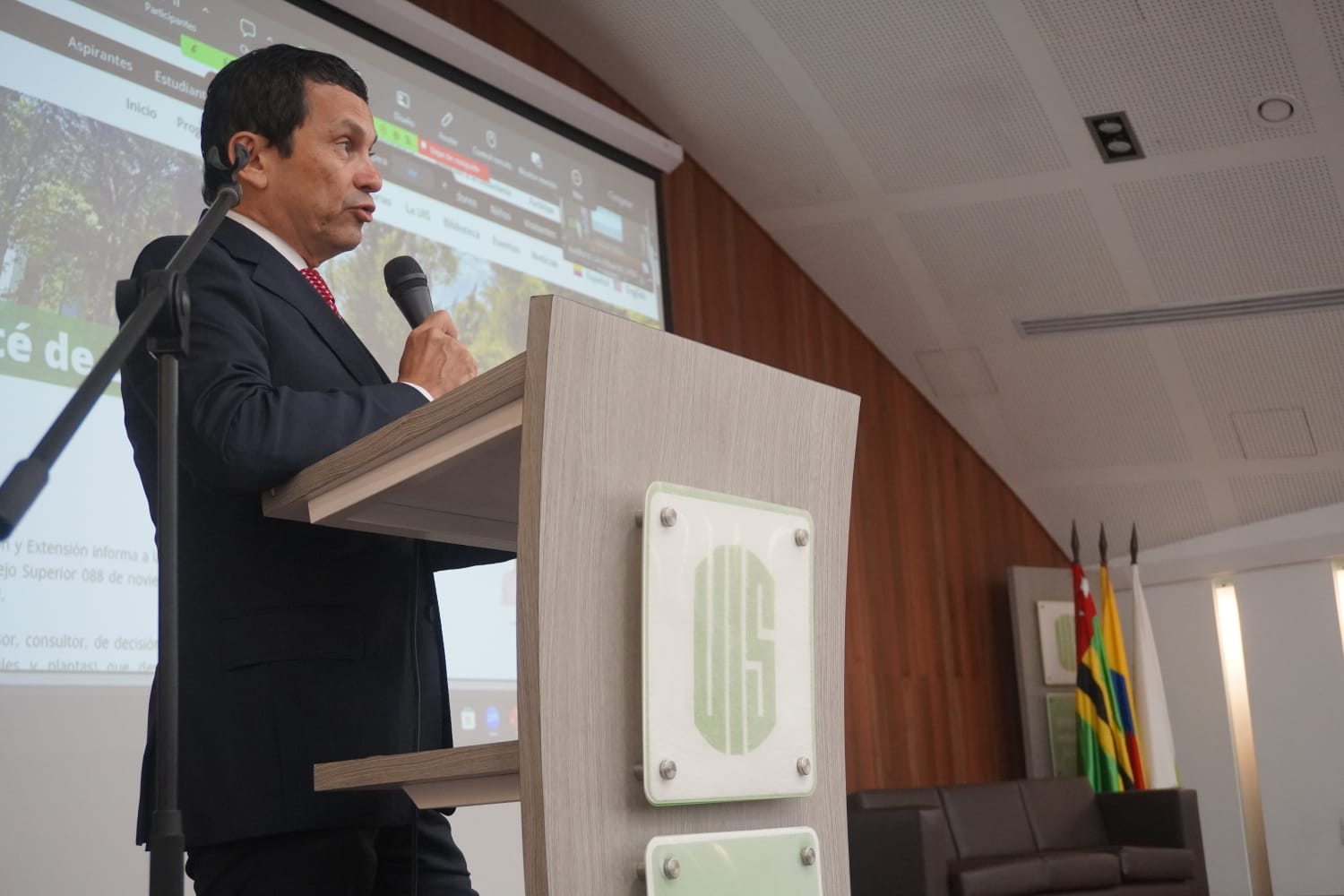

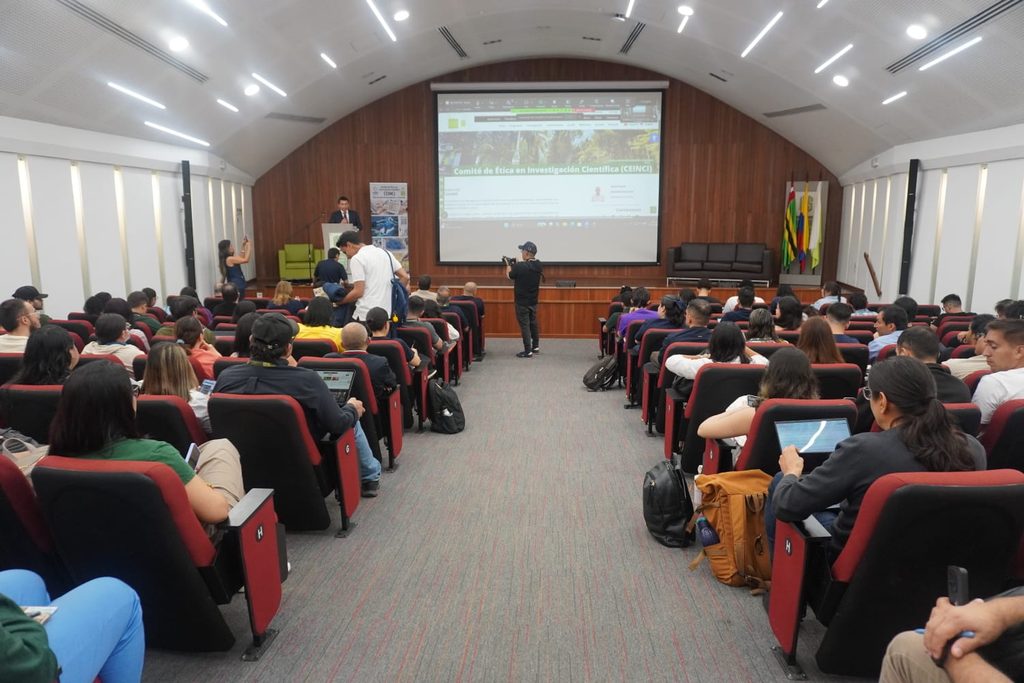
The Universidad Industrial de Santander (UIS) brought together faculty members, researchers, and students for the Fourth Meeting of the Scientific Research Ethics Committee (CEINCI), a forum for reflection on the ethical challenges of science and the responsibility of those who generate knowledge.The use of artificial intelligence, the protection of personal data, and research involving vulnerable populations were among the key topics discussed.
During the opening session, Professor Cristian Blanco Tirado, Vice President for Research and Outreach at UIS, emphasized that ethics must be present at every stage of the scientific process, from formulating a research question to presenting the results, since researchers’ decisions can have consequences for people’s lives, privacy, and dignity.
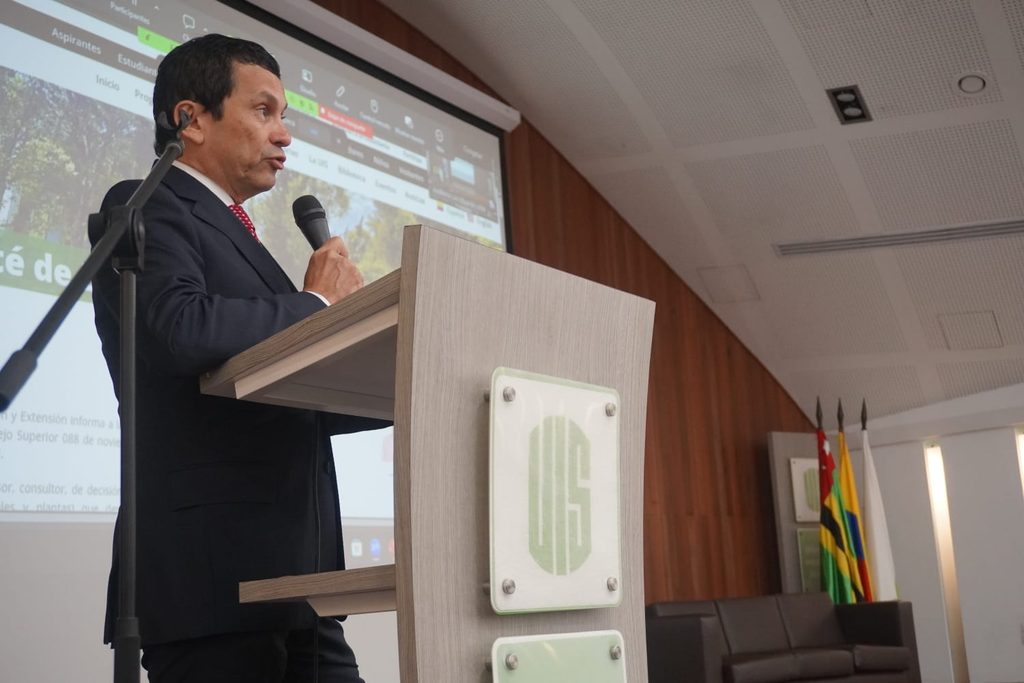
“Research is not simply about generating knowledge, obtaining results, or publishing scientific articles. It also involves making decisions that can have consequences for people’s lives, rights, privacy, and dignity,” the university official stated.
In this regard, he stressed that ethical review should not be viewed as an obstacle to research, but rather as an opportunity to strengthen the quality, integrity, and responsibility of scientific work.
Science That Responds to Society’s Needs
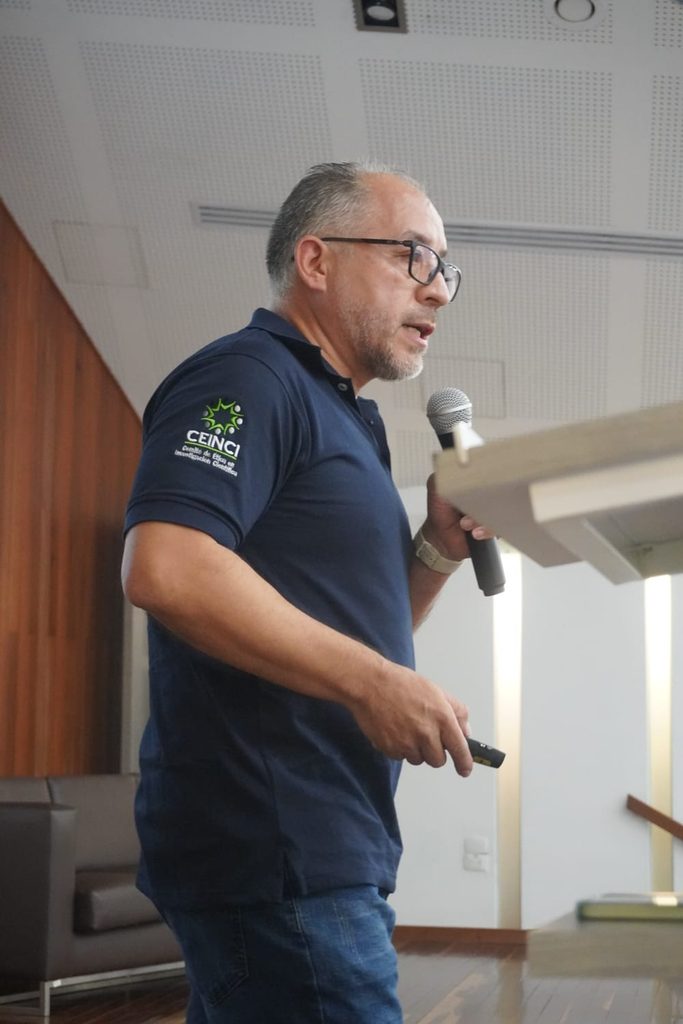
For Professor Sait Khurama Velásquez of the School of Geology, one of the main goals of the meeting is to raise awareness among researchers and undergraduate and graduate students about the principles that underpin scientific integrity.
The professor also highlighted the need to address social challenges through an interdisciplinary approach, with honesty and a willingness to acknowledge questions that remain unanswered. In his view, “scientific knowledge must extend beyond academic settings and reach society, enriching it in the process.”
This perspective highlights that the responsibility of conducting research does not end with obtaining results. It also involves recognizing outstanding challenges and sharing knowledge in ways that benefit different communities.
Artificial Intelligence: A Tool That Requires Responsible Use
Ethics takes on new dimensions amid advances in digital technologies and the increasingly widespread use of artificial intelligence in academic and scientific activities.
Cristian Blanco Tirado noted that the challenge is not to fear these tools, but to learn how to use them appropriately so they can contribute to responsible research and to the development of the region and the country.
For her part, Natalia Agudelo Castañeda, a student in UIS’s doctoral program in History, emphasized that research in the humanities and social sciences addresses issues involving real people and communities. Protecting their identities and ensuring researchers’ social responsibility are therefore essential.
The doctoral student also warned that “the use of artificial intelligence requires standards that prevent the distortion of information and the reproduction of data or perspectives that do not reflect the social and geographical contexts being studied.”
Her reflection underscores the importance of using these technologies thoughtfully, particularly when working with sensitive information or with communities whose realities must be understood and represented responsibly.
Protecting People and Upholding Rigor in Every Research Project
The agenda of the Fourth CEINCI Meeting addressed key issues for responsible research, including the handling of biological samples, the ethical and regulatory aspects of biobanks, permits issued by the National Environmental Licensing Authority (ANLA) for research-related collection activities, and the challenges associated with open data.
The discussions also covered informed consent, requirements for conducting research involving minors, and special considerations when working with vulnerable individuals and populations.
These issues reinforce the importance of incorporating ethical standards from the planning stage of every research project, ensuring that the pursuit of knowledge respects participants’ rights and that information and research materials are handled appropriately.