
The use of natural ingredients to preserve food and reduce food waste is one of the challenges facing the agri-food industry. In response to this challenge, students at the Industrial University of Santander (UIS) evaluated the potential of aloe vera, commonly known as aloe, as an edible coating to extend the shelf life of minimally processed Tommy Atkins mangoes, a variety widely used in the fresh fruit market.
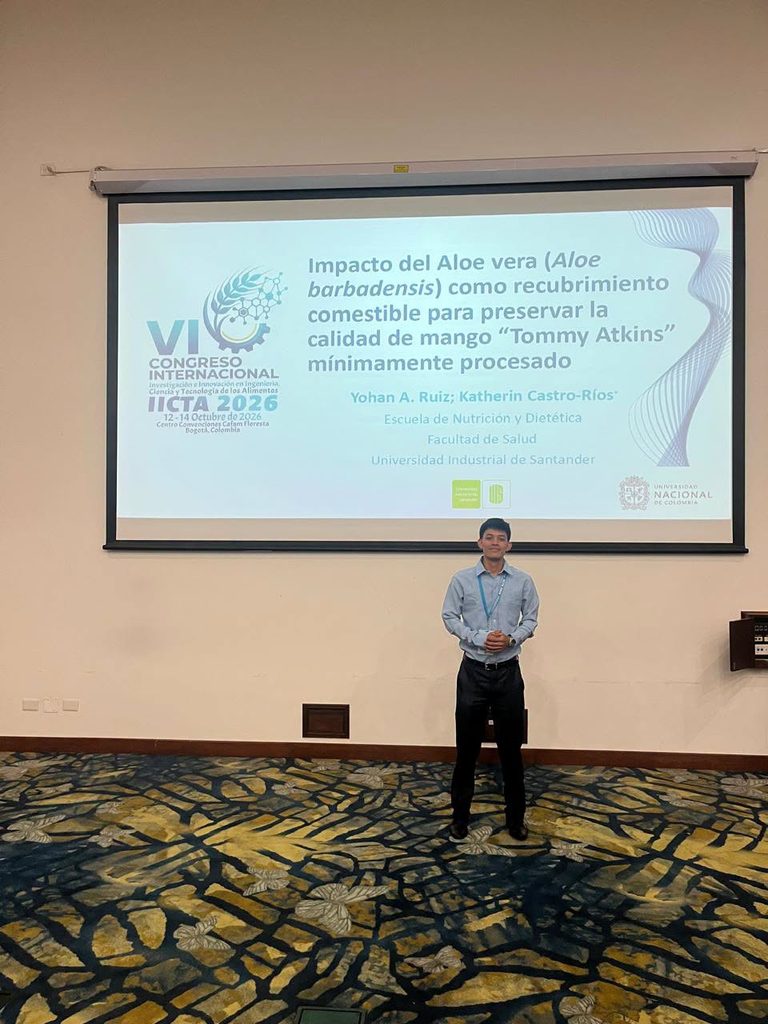
The study, titled “Impact of Aloe vera (Aloe barbadensis) as an Edible Coating to Preserve the Quality of Minimally Processed ‘Tommy Atkins’ Mangoes,” was conducted by Yohan Adrián Ruiz Guadrón, a tenth-semester student in Nutrition and Dietetics, with the participation of Katherin Castro Ríos, a food engineer specializing in agroindustrial development, who holds a Ph.D. in Agricultural Sciences and is a professor at the UIS School of Nutrition and Dietetics.
Fruit Preservative
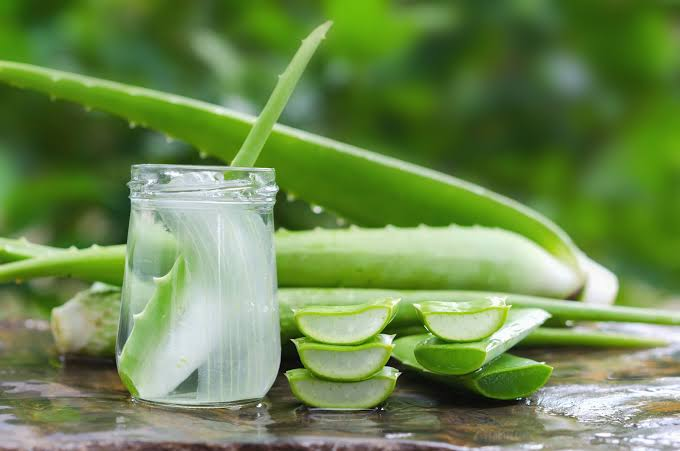
Aloe vera is known for its applications in various sectors, including the cosmetics and food industries. In this research, the focus is on the gel’s ability to form a protective film on the fruit’s surface, which acts as a semipermeable barrier and helps regulate gas exchange and moisture loss.
According to the researchers, this mechanism slows the mango’s respiration rate and delays the processes associated with its ripening, such as the softening of the pulp and changes in its composition.
“The reason is that the mango is a climacteric fruit, meaning it continues to ripen after harvest, which accelerates its spoilage and limits its shelf life. This characteristic is relevant in a context where fruits and vegetables are among the food groups with the highest levels of waste in the country. Although mangoes are produced in large volumes, they also suffer considerable losses, which are exacerbated during periods of overharvesting, when supply exceeds the capacity for marketing and fresh consumption,” explains Ruiz Guadrón.
The results showed that applying the coating extended the mango’s shelf life by approximately six days compared to untreated fruit, according to analyses of weight loss, firmness, pH, and total soluble solids.
“The aloe vera coating forms a semipermeable barrier that reduces the fruit’s respiration rate and limits water vapor loss,” explains Ruiz Guadrón.
In addition to extending shelf life, the treatment helped preserve some of the mango’s quality characteristics. Key findings included better preservation of the firmness of the fruit cubes, less weight loss, and a slower progression of indicators related to ripening.
The analyses also showed pH stability and a slower increase in total soluble solids, a measure related to sugar content. In turn, the researchers noted that the coating did not affect the fruit’s color or flavor, two characteristics important for consumer acceptance.
These results are relevant for the marketing of minimally processed fruits, which are offered ready-to-eat but require adequate storage conditions to maintain their quality during storage, distribution, and sale.
Reducing Food Waste
The use of naturally derived edible coatings represents an opportunity to explore preservation methods that complement conventional technologies. In the case of aloe vera, its biodegradable properties, ease of application, and the potential to utilize locally available aloe vera make it an attractive alternative for the agri-food sector.
“Compared to conventional methods, the aloe vera coating stands out because it is natural and edible, which meets the demand for clean-label products and reduces the use of chemical preservatives,” the researchers noted.
Its application could also help reduce fruit losses during distribution, marketing, and consumption. By extending the product’s shelf life, it opens up the possibility of improving its postharvest handling and facilitating its delivery to more distant markets, including those interested in fresh-cut fruit.
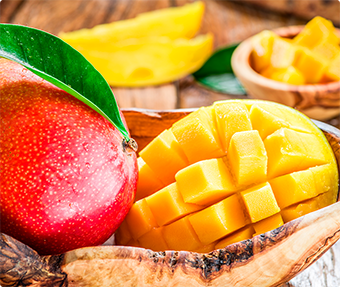
“Given this context, minimal processing emerges as an alternative to make the most of the fruit and add value to it by offering it pre-cut and ready-to-eat. However, peeling and cutting operations cause tissue damage that accelerates ripening and spoilage compared to whole fruit. This makes minimally processed mango—or fresh-cut mango—a suitable substrate for applying the aloe vera coating,” says Ruiz Guadrón.
Likewise, this technology could be explored by export companies and in initiatives aimed at utilizing fruits that, due to their commercial characteristics, are typically diverted to other uses or discarded—provided they meet established safety and quality requirements.
Although the results are promising, the commercial application of the coating requires further evaluation. Researchers note that it is necessary to standardize the gel’s preparation, determine its optimal composition and concentration, and conduct pilot tests with other mango varieties and different fruits under real-world cold-chain conditions.
It will also be essential to verify that the treatment preserves the food’s sensory characteristics, complies with applicable health regulations, and represents an economically competitive alternative for businesses.
“Although the coating shows great promise for fresh-cut fruit, export companies, and programs that utilize discarded fruit, it needs to be validated on a commercial scale,” the authors noted.
In this way, the study provides academic evidence on the potential of aloe vera as an edible coating and opens new avenues for researching preservation technologies that contribute to the efficient use of natural resources, the reduction of postharvest losses, and the development of sustainable alternatives for the food industry.
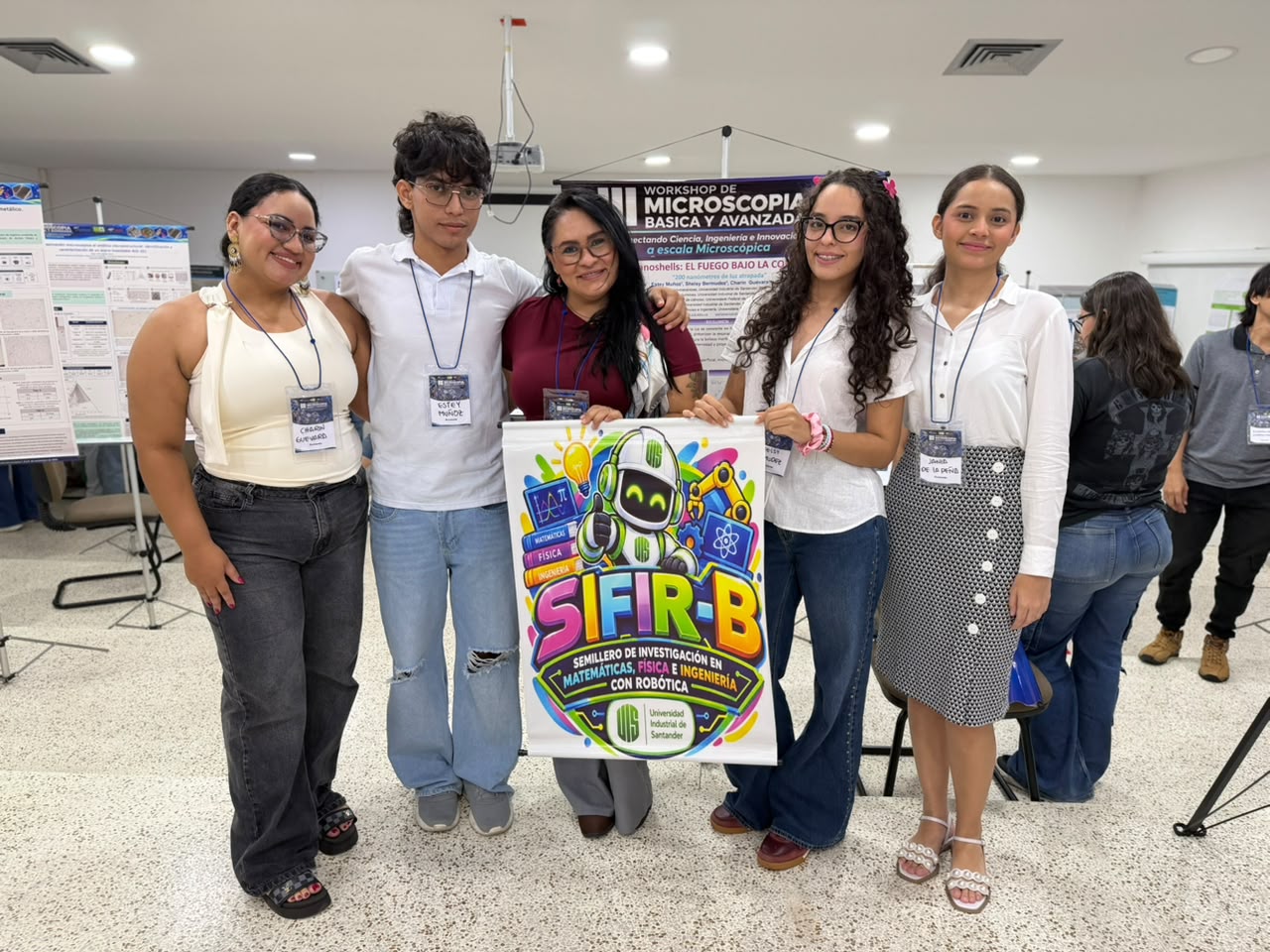
With this research project, Yohan Adrián represented the UIS at the “6th International Congress on Research and Innovation in Food Engineering, Science, and Technology.”
The research was funded by the University’s Office of the Vice President for Research and Outreach. The student was hired as a research assistant, while the Dean’s Office of the School of Health provided the resources for his travel and participation in the 6th International Congress on Research and Innovation in Food Engineering, Science, and Technology (IICTA 2026), where he represented the institution.
This is because the mango is a climacteric fruit—that is, it continues to ripen after harvest, which accelerates its spoilage and limits its shelf life. This characteristic is particularly relevant in a context where fruits and vegetables rank among the food groups with the highest levels of waste in the country. Although mangoes are produced in large volumes, they also suffer considerable losses, which are exacerbated during periods of overharvesting, when supply exceeds the capacity for marketing and fresh consumption.
Given this situation, minimal processing emerges as an alternative to make the most of the fruit and add value to it by offering it pre-cut and ready-to-eat. However, peeling and cutting operations cause damage to the fruit’s tissue that accelerates ripening and spoilage compared to whole fruit. This makes minimally processed mango—or fresh-cut mango—a suitable matrix for applying an aloe vera coating.
In short, the reason was that mangoes are a fruit that are subject to significant loss and waste, and, since they are pre-cut, they are more susceptible to rapid spoilage.