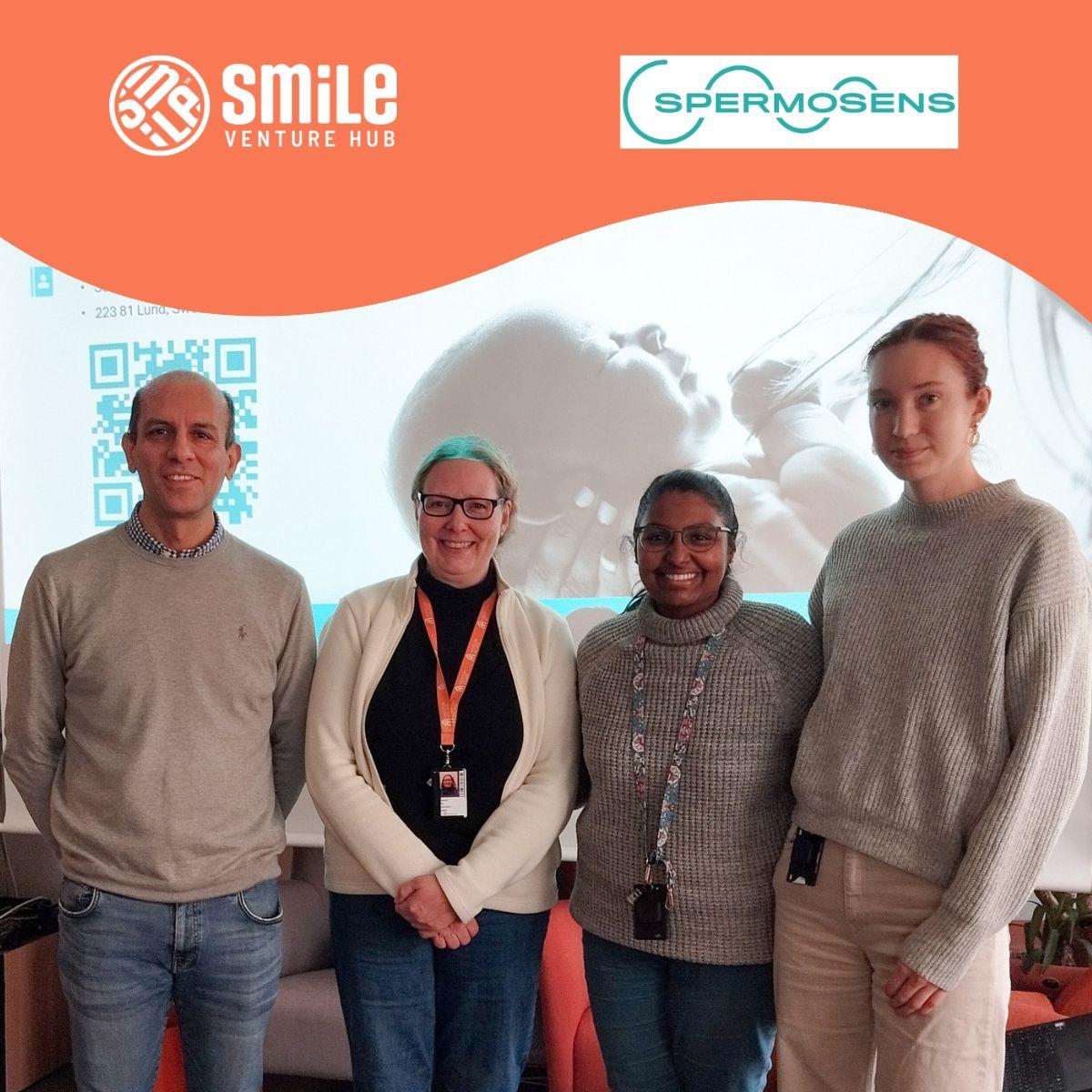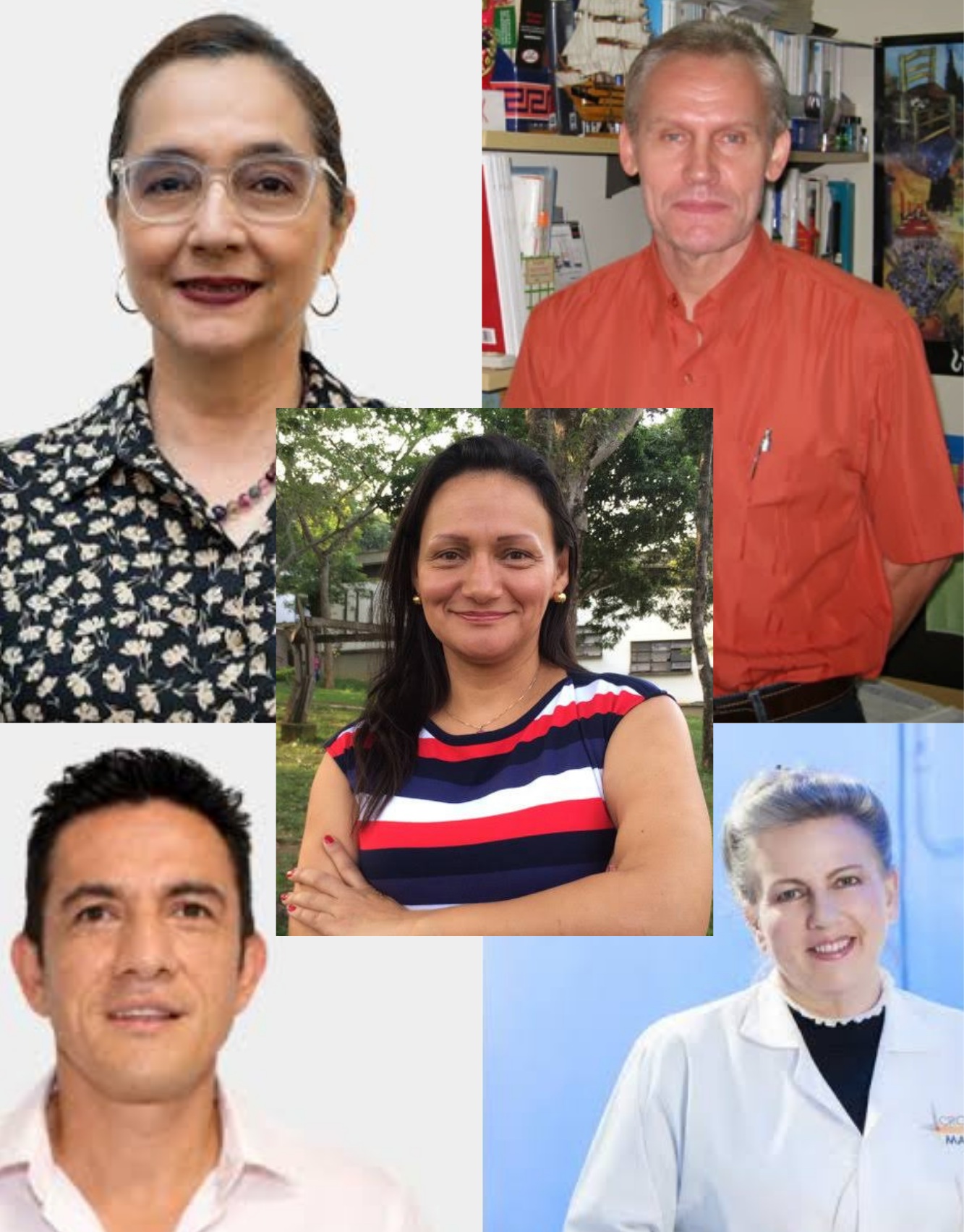

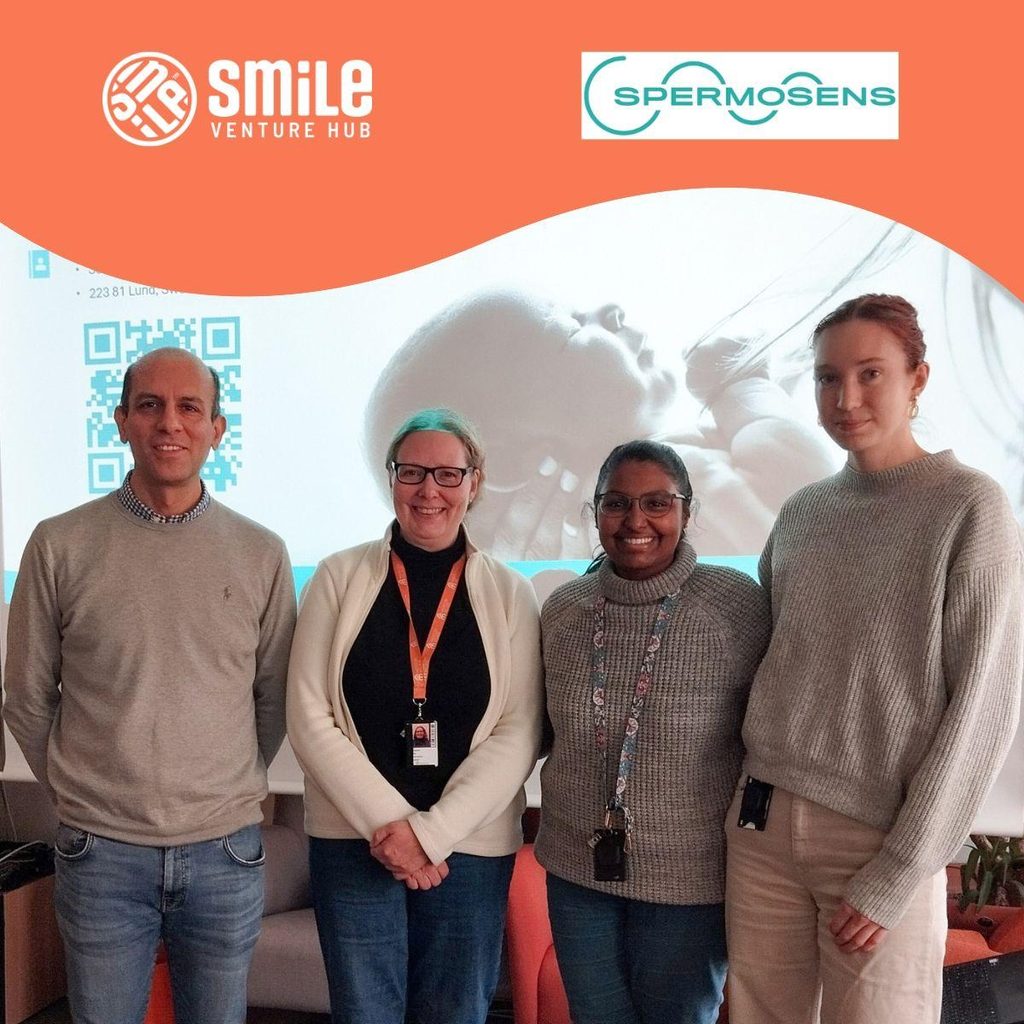
Jaime Castillo León, a researcher and chemist from Santander who graduated from the chemistry program at the Industrial University of Santander, is leading one of the most promising biomedical innovations in Europe for reproductive health. From the city of Lund, Sweden, where he serves as chief technology officer at Spermosens AB, Castillo is leading the development of an electrochemical biosensor designed to quickly and effectively diagnose male infertility and optimize in vitro fertilization (IVF) treatments. It is similar to a glucose meter, but in this case, it is used to detect fertility or infertility in sperm.
Castillo León completed his undergraduate studies in chemistry at the UIS in 2000. After receiving guidance from his thesis advisor, Russian professor Ivan Sakharov, he secured a scholarship from the Swedish Institute to pursue his master’s and doctoral degrees in electrochemistry at the renowned University of Lund in Sweden.
However, despite having spent his professional life away from his homeland, Dr. Castillo recalls his education on the UIS campus with great fondness.
“I studied chemistry at the Industrial University of Santander and graduated in 2000 (…) I think the atmosphere at the university is unique in Bucaramanga because it gives you the opportunity to debate ideas, to meet people from all over the country and from all social classes (…) That’s what I remember and miss quite a bit.”
After earning his Ph.D. in 2005 in amperometric biosensors, he completed postdoctoral fellowships at the University of Bochum (Germany) and later at the Technical University of Denmark (DTU), where he served for seven years as an assistant and associate professor in micro- and nanotechnology.
His time in European industry includes the development of nanowire solar cells at Solvoltaics and the co-founding of the company Aligned Bio.
Throughout his 26 years in Northern Europe, the scientist highlights the influence of his alma mater: “I’ve always kept my hometown in mind, always striving to uphold the good name of Bucaramanga, Santander, and also the UIS, trying to apply all the knowledge I’ve acquired (…) All of that helps you generate another set of ideas (…) So for me, the UIS is always present.”
Spermosens Technology: Accurate Fertility Diagnosis
Currently, infertility affects more than 48 million couples worldwide, and fewer than one in five treatments is successful in its early stages.
Traditionally, the evaluation of male infertility has been limited to physical parameters of sperm, overlooking the biochemical interactions essential for fertilization.
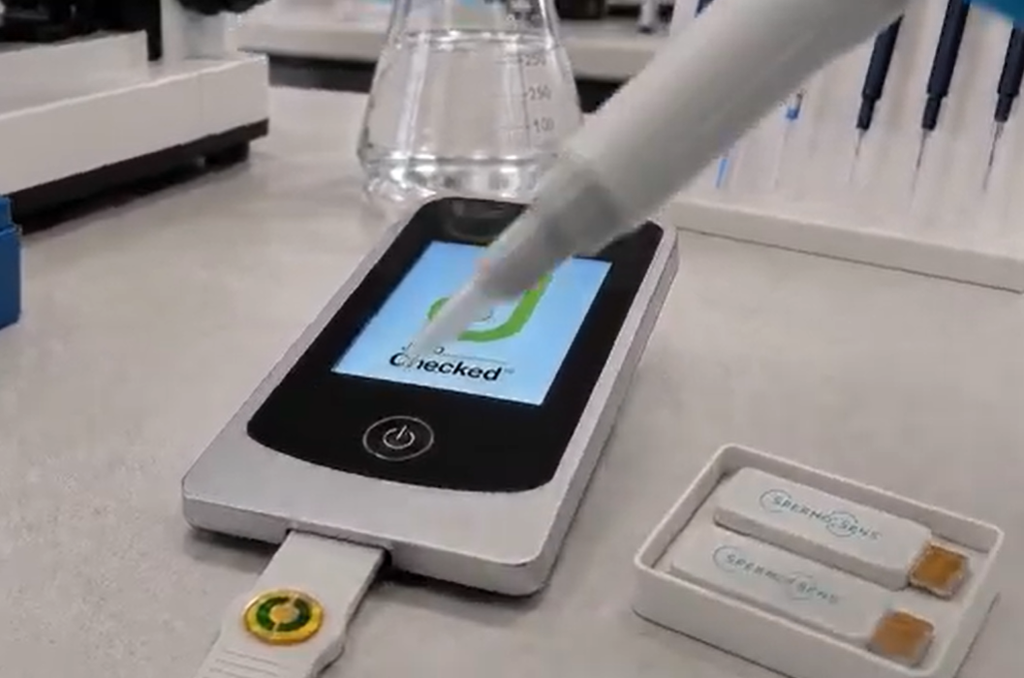
The device currently under development at Spermosens (JUNO-Checked technology), a company of which Castillo León is a part, addresses this gap through an electrochemical biosensor that uses oocyte-derived receptor proteins coupled to a metal electrode.
The system detects the presence and concentration of the Izumo1 protein on the surface of the sperm. “The importance of the protein we detect in human sperm samples lies in the fact that this protein, called Izumo1, acts as a key that unlocks the lock on the surface of the egg, where there is another protein called Juno (…) If this protein is not present in sufficient quantities, the traditional method of in vitro fertilization will not work.”
Clinical, Economic, and Emotional Impact on Couples
When the Izumo-1 protein is absent, conventional in vitro fertilization methods repeatedly fail, forcing couples to resort to intracytoplasmic sperm injection (ICSI), which involves directly injecting a sperm into the egg using a needle. Until now, the choice between these techniques has been made by trial and error.
This blind process has significant financial and health consequences. In countries like Sweden, for example, a failed attempt at in vitro fertilization can cost nearly 4,000 euros, rising to as much as 20,000 euros after multiple attempts. Furthermore, it subjects women to repeated bouts of intense hormonal overstimulation.
In this regard, the scientist from Santander emphasizes the main objective of his development: “The idea is to reduce the time required, lower the cost, avoid exposing women to all this hormonal overload, and basically obtain a faster and more informed response based on the analysis of the sperm.”
Toward Commercial Approval in the European Union
As Chief Technology Officer, Castillo leads the technical architecture of biosensors (electrode selection, reagent formulation, and analytical and clinical evaluation) as well as the regulatory strategy for approval by the European Union.
With this device, the biotechnology company driven by UIS talent seeks to transform personalized reproductive medicine by providing a standardized and effective tool for clinics and sperm banks worldwide.