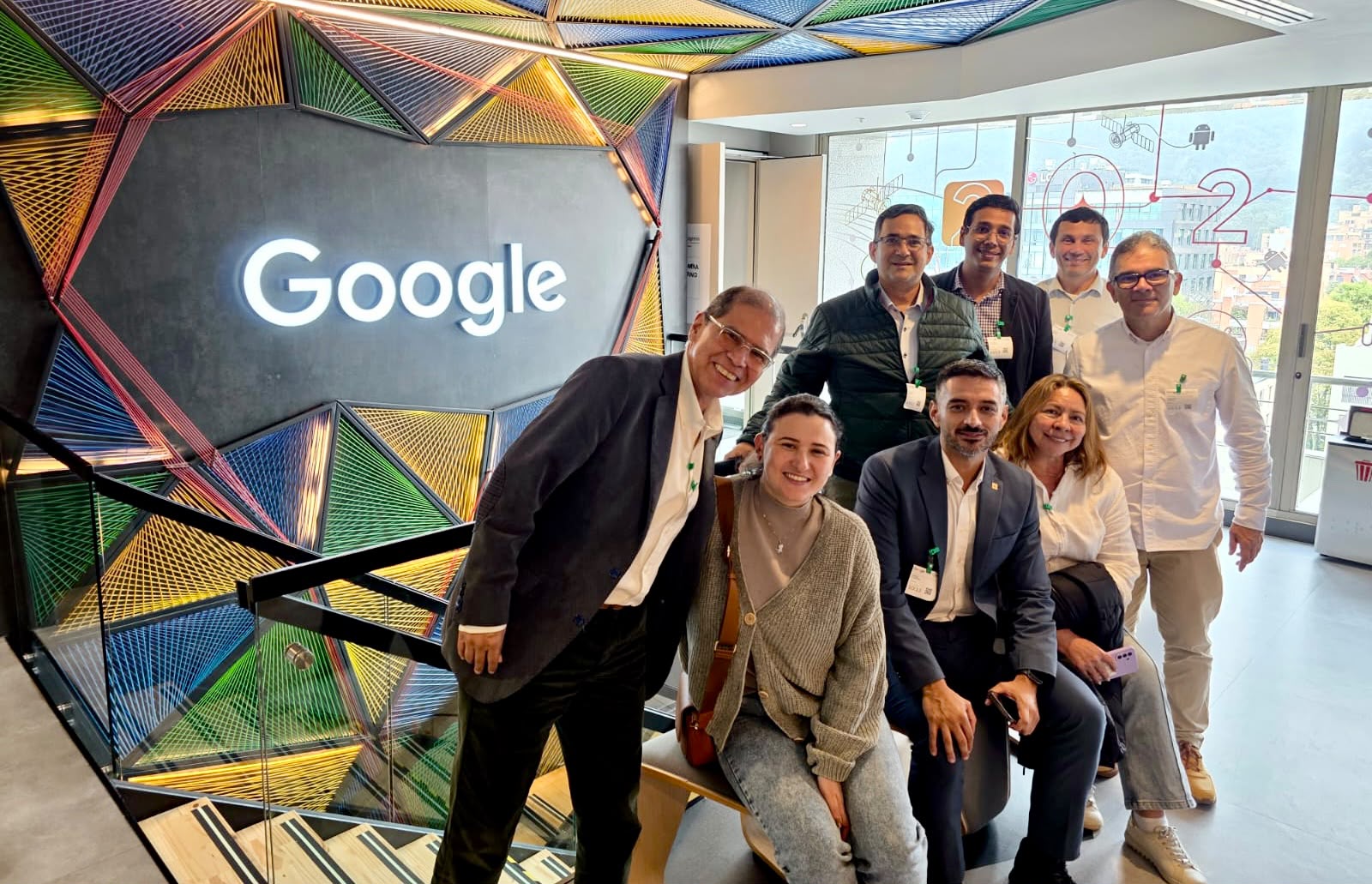

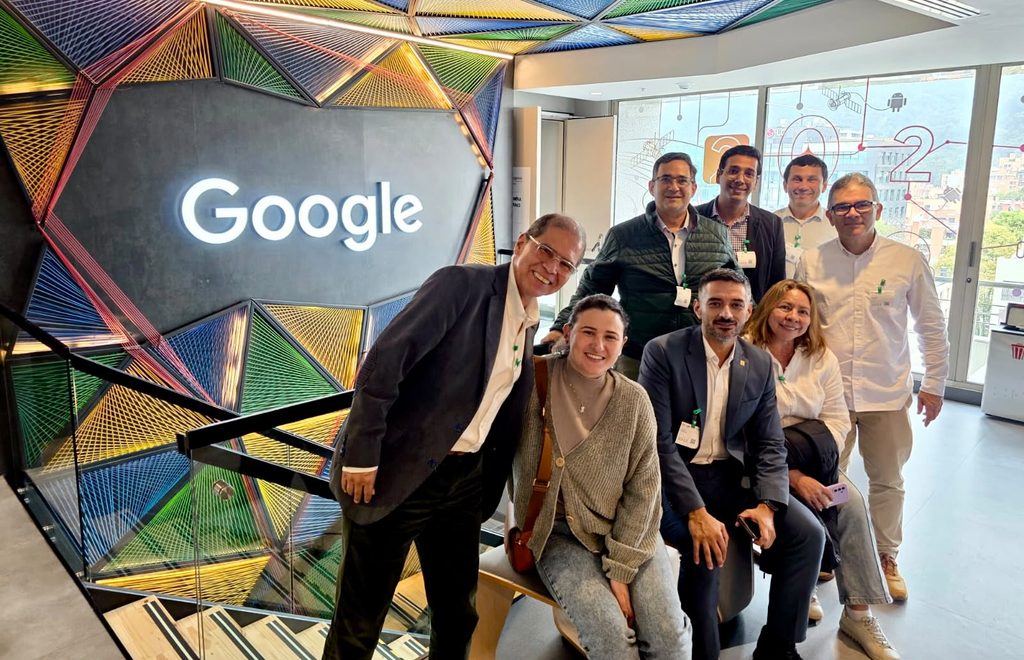
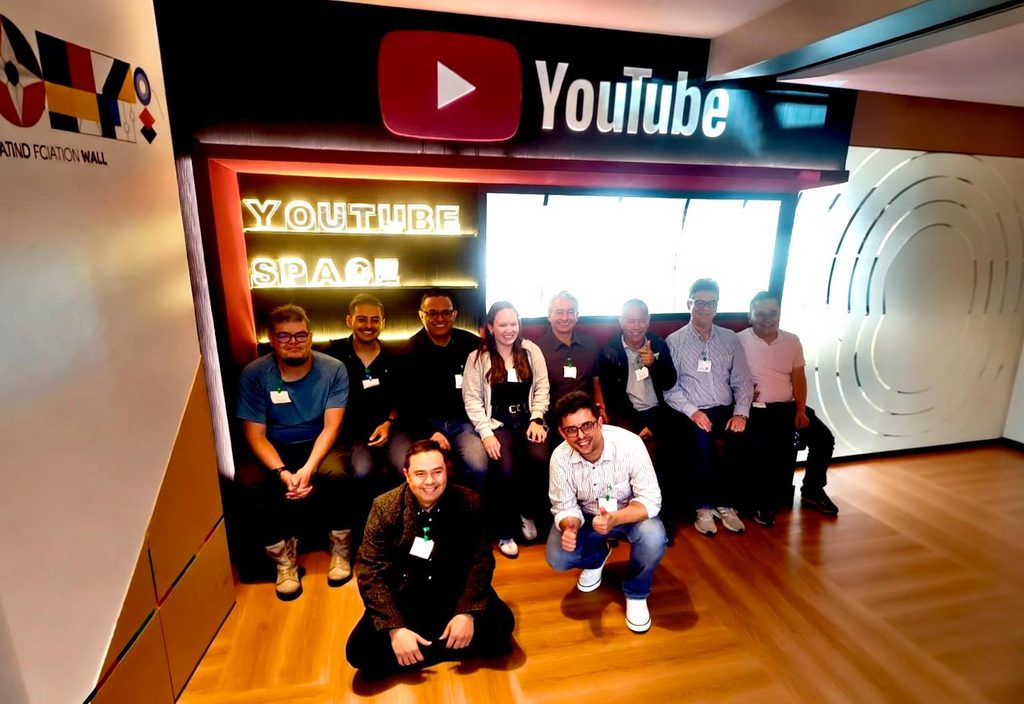
Artificial intelligence, educational innovation, and digital transformation were at the center of several meetings between the Universidad Industrial de Santander (UIS) and Google, held in Bogotá. Several delegations of professors, university staff, and administrators visited the technology company’s facilities to learn about solutions designed to address the current challenges facing higher education.
The sessions provided an opportunity to explore technological alternatives with the potential to strengthen teaching, research, outreach, and academic and administrative management, based on the needs and challenges of the university community.
Artificial Intelligence in the Service of Learning
One of the main topics of the meetings was the use of artificial intelligence as a tool to support educational processes. Discussions focused on opportunities to create educational resources, develop personalized tutors, support research, and enrich learning experiences.
The discussions also highlighted the importance of promoting critical thinking, developing and assessing competencies, verifying information sources, and maintaining the fundamental role of professors in reviewing content and guiding the educational process.
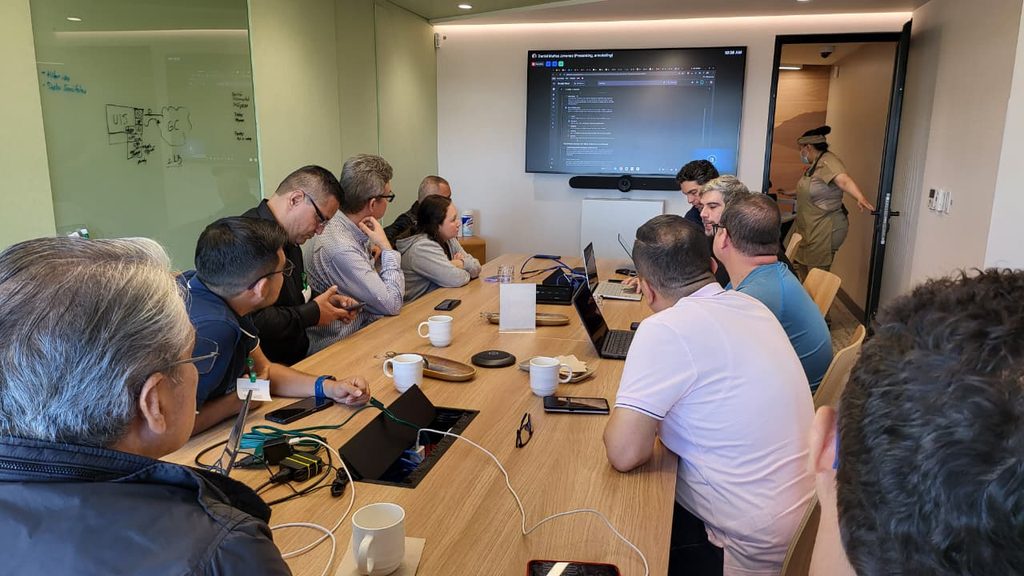
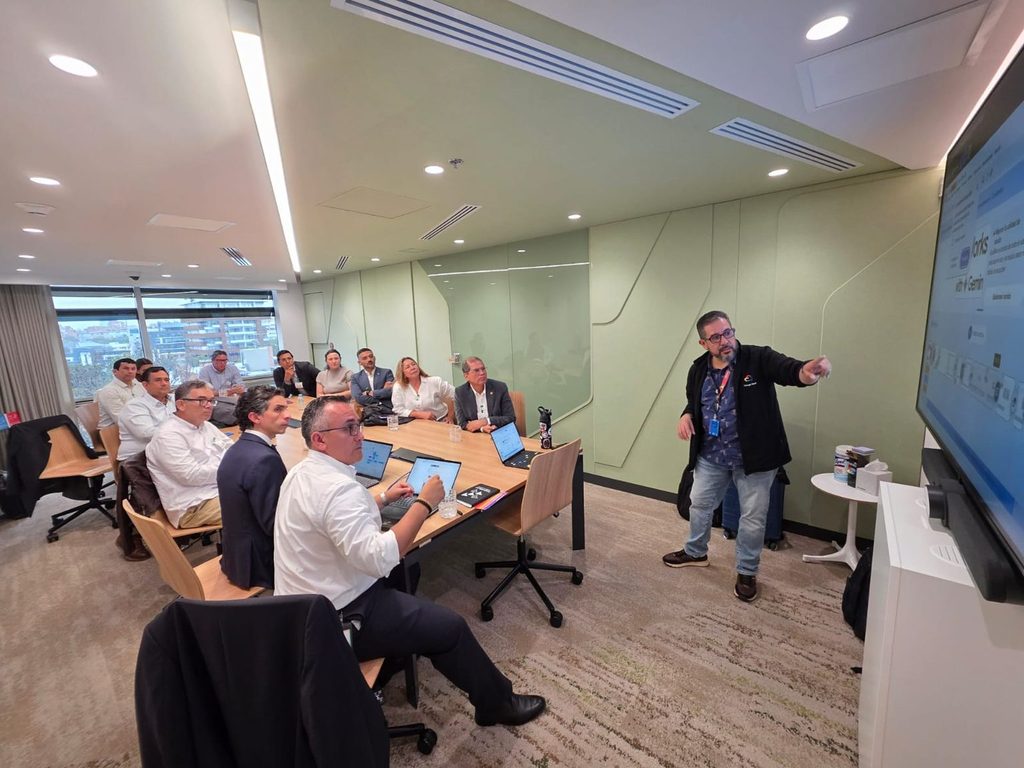
In this context, the delegations explored tools such as Gemini, NotebookLM, and AppSheet, as well as various Google Workspace for Education resources. These tools offer applications for organizing and retrieving information, facilitating collaborative work, and automating tasks through reminders, activity tracking, and approval workflows.
Opportunities in learning analytics were also discussed to support student guidance and strengthen faculty training and development strategies.
A Comprehensive Approach to UIS Needs
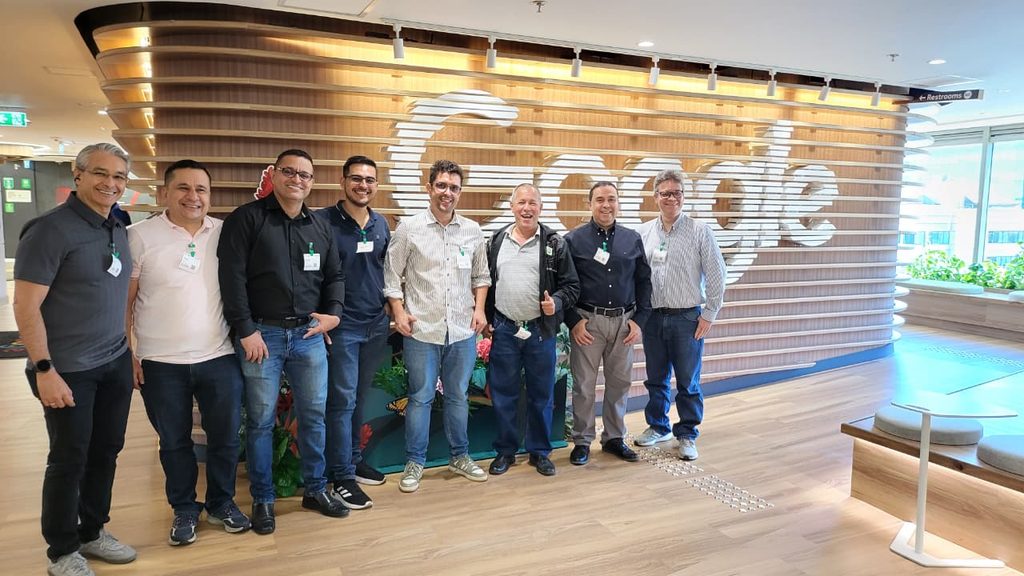
The sessions brought together representatives from various academic disciplines and institutional units, including Misión Docencia, the ICT Leadership Team, the Library, the Center for Teaching Development, SEA-EXPERTIC, and the Institute for Regional Outreach and Distance Education (IPRED).
This diversity made it possible to address technological challenges from different perspectives, including student education, faculty support and professional development, and the specific needs of education across the University’s various campuses.
The exploration also covered key aspects for assessing the suitability of these solutions in a university environment. UIS delegations raised questions regarding data protection, security, accessibility, integration with Moodle and other institutional systems, device management, storage, and licensing terms.
Security, Integration, and Responsible Use of Technology
These considerations are essential when evaluating technological alternatives that address the institution’s needs and can be integrated into its academic and administrative processes.
The meetings provided valuable input for developing institutional recommendations and assessing potential solutions, with a responsible digital transformation approach that prioritizes educational quality, holistic student development, and the needs of the university community.