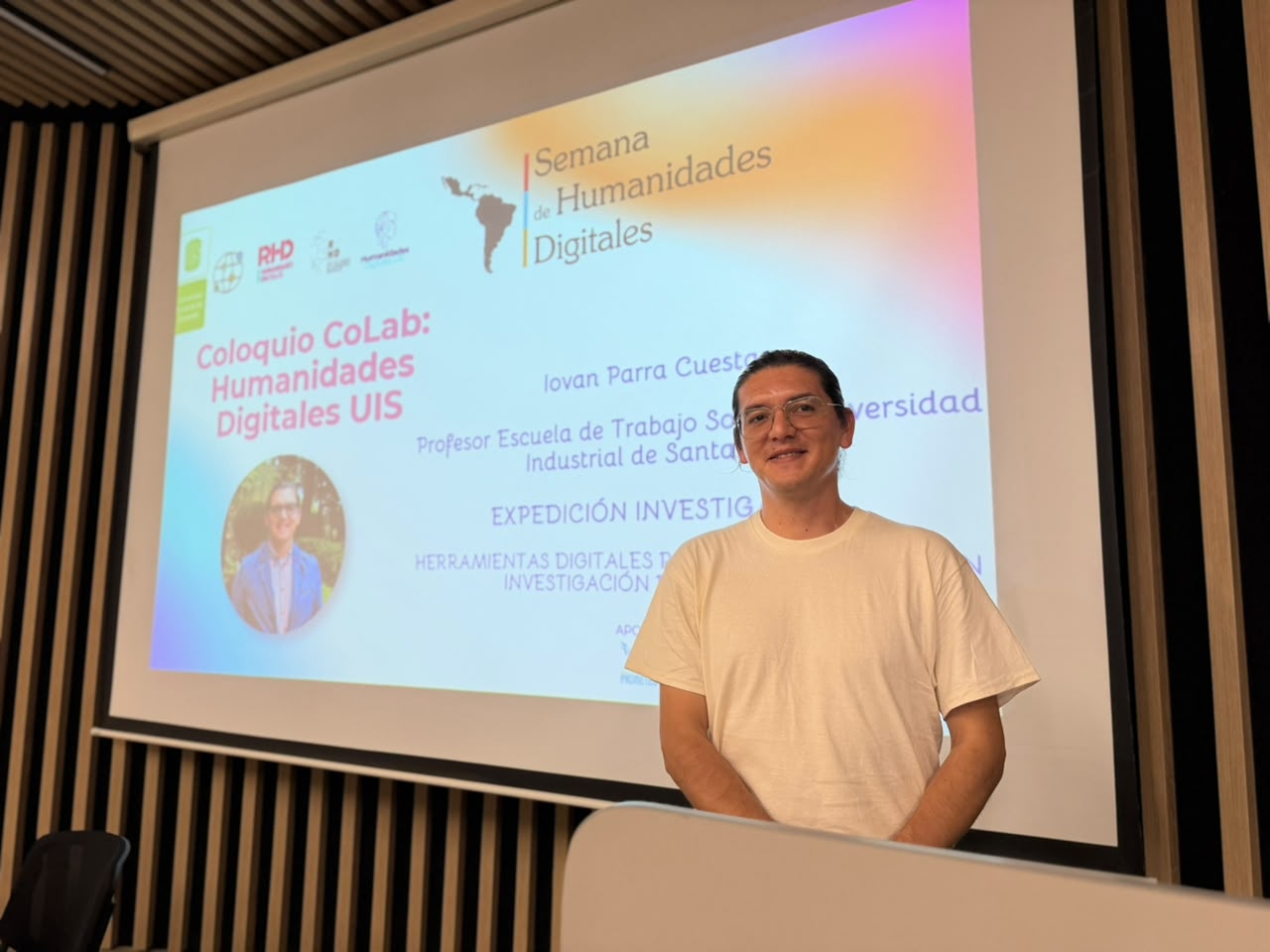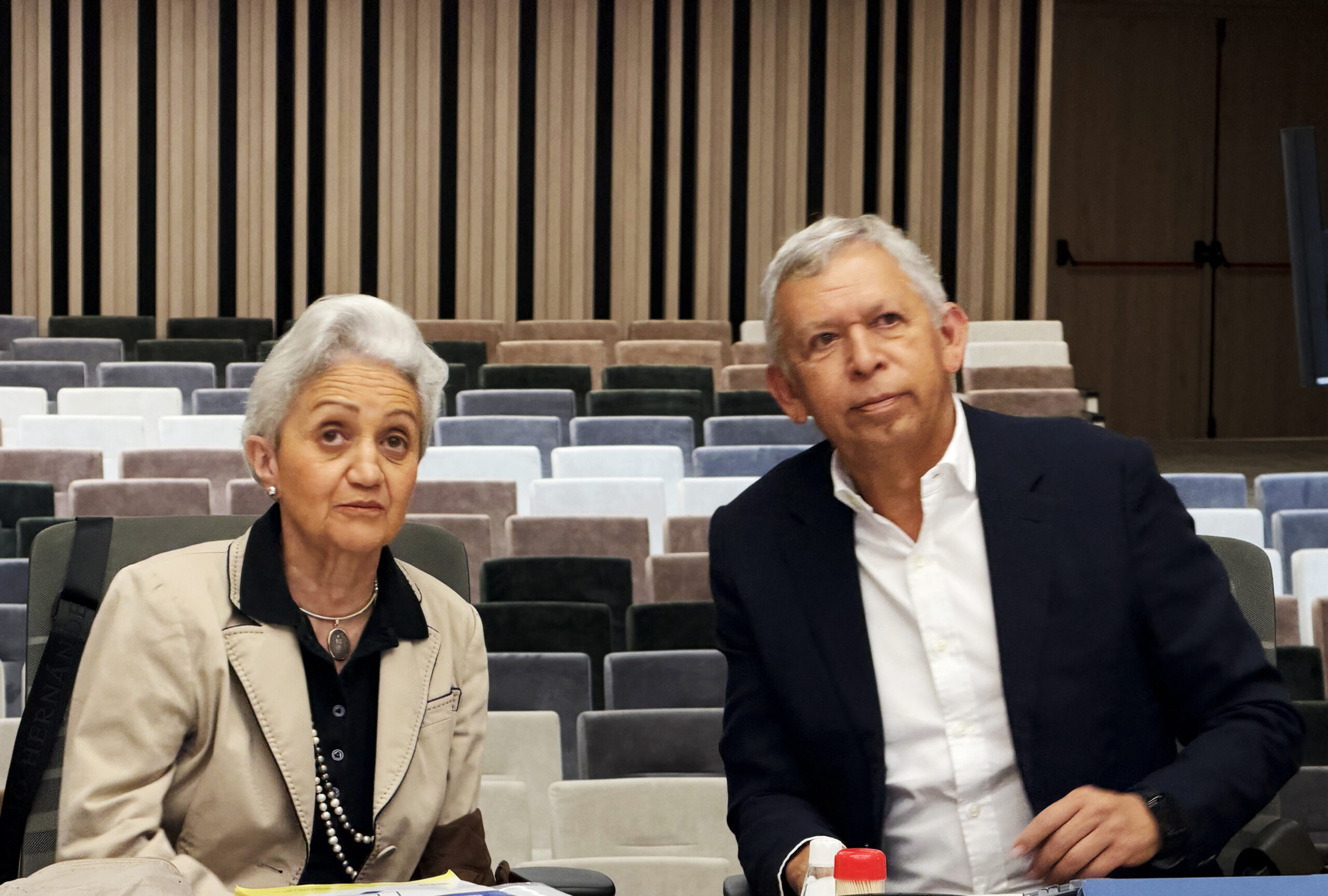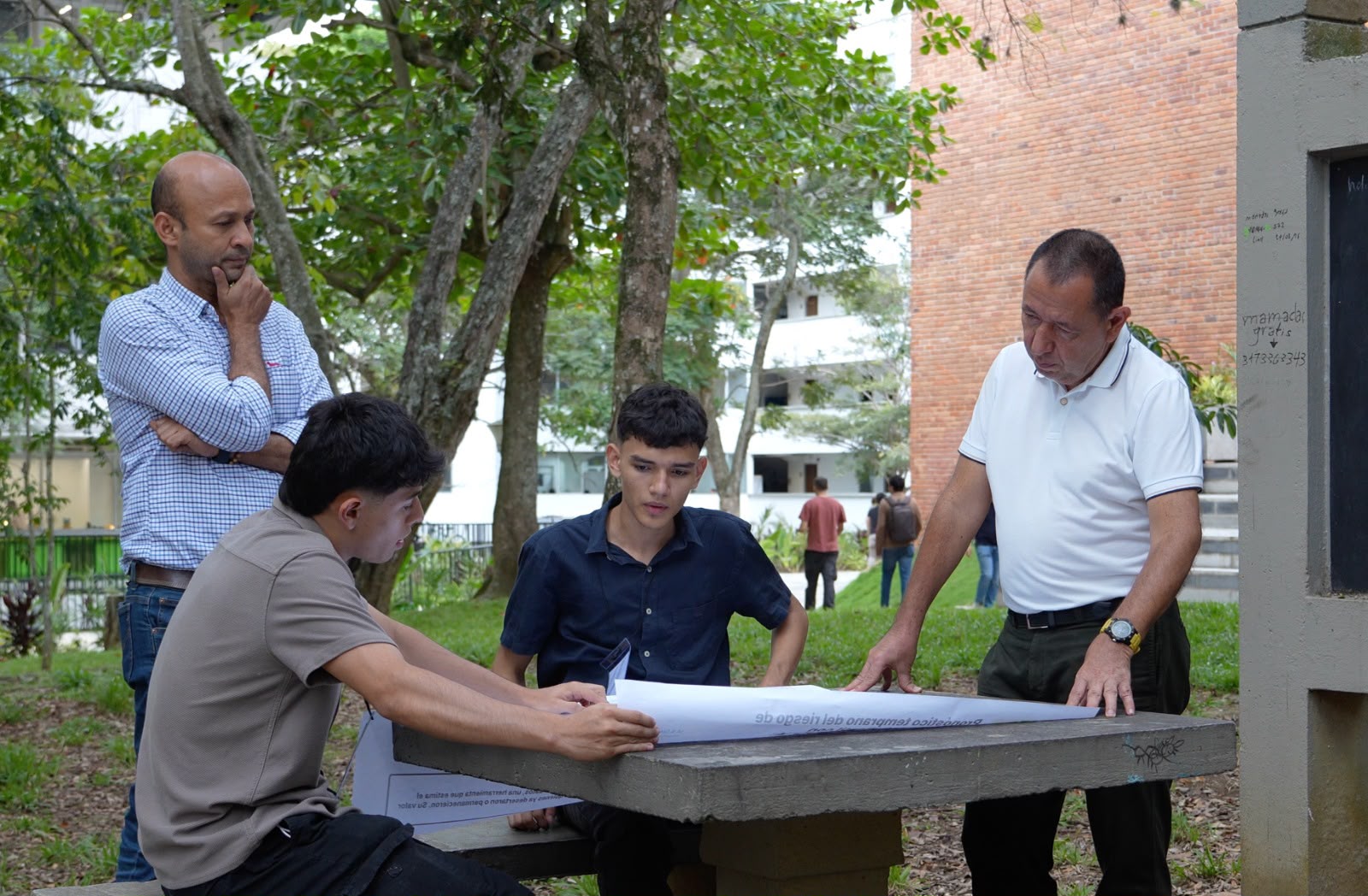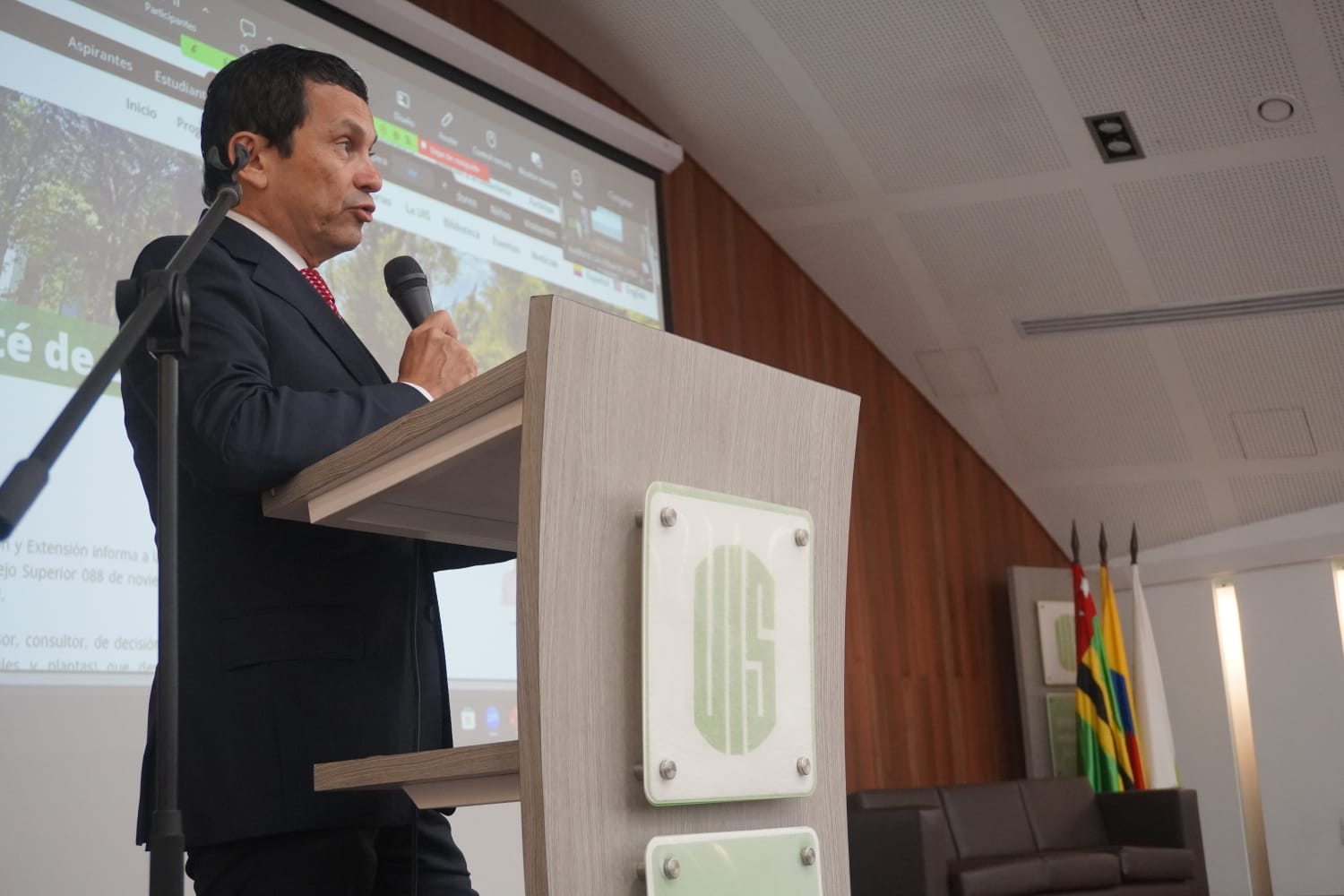

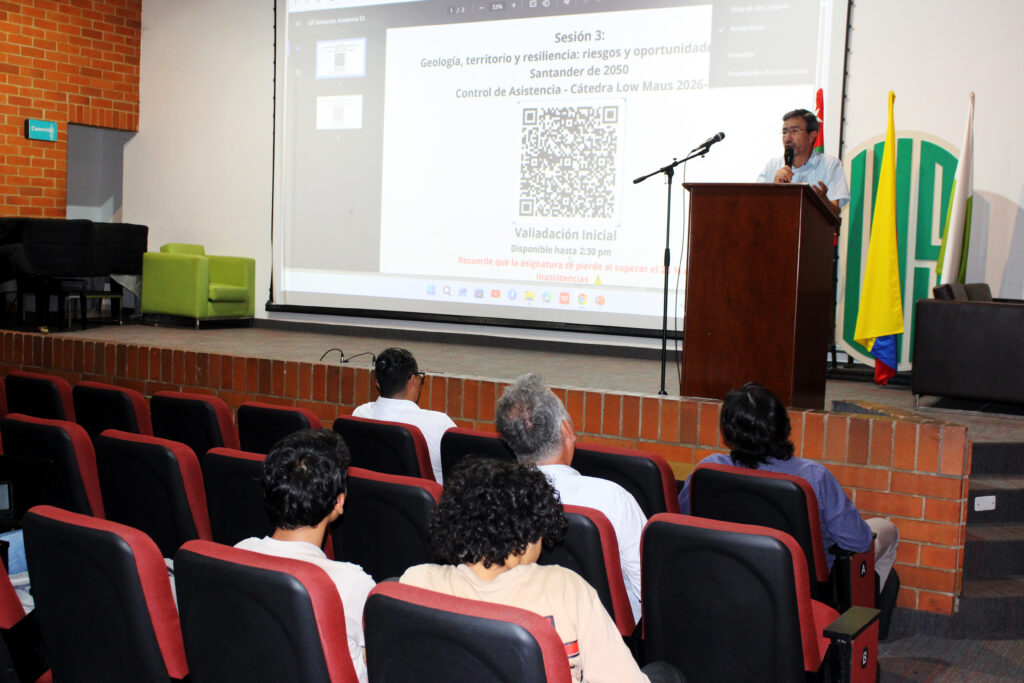
The third session of the Rodolfo Low Maus Chair 2026-2 brought together experts from the School of Geology to discuss risk management, territorial resilience, and the value of geodiversity as a driver of development for Santander.
The relationship between geology, territory, risk management, and regional development was the focus of the third session of the Rodolfo Low Maus 2026-2 Chair, held on Thursday, September 3, at the Industrial University of Santander (UIS), as part of the thematic series “Structural Challenges and Drivers of Territorial Development for Santander 2050.”
Titled “Geology, Territory, and Resilience: Risks and Opportunities for Santander 2050,” the session offered an interdisciplinary perspective on the challenges facing the department and on how an understanding of its geological characteristics can help reduce vulnerabilities, strengthen resilience, and identify new opportunities for its development.
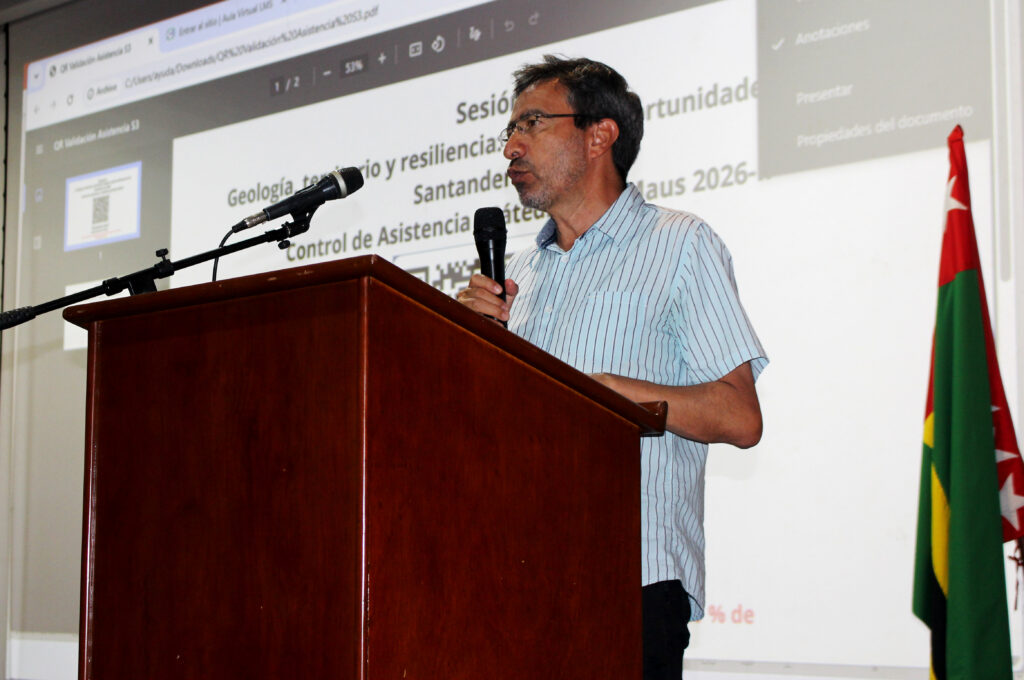
The session was coordinated by Francisco Velandia, PhD, a professor in the School of Geology at UIS with a doctorate in Geosciences, who has expertise in regional geology, neotectonics, geomorphology, hydrogeology, and geological hazards.
Joaquín Valencia Ortiz, PhD, a geologist, also spoke at the event, addressing risk management and territorial resilience within the framework of Santander Visión Prospectiva 2050. His presentation provided an in-depth analysis of geological hazards and mass movements, as well as the use of territorial information tools to support decision-making.
Geodiversity as an Opportunity for Santander
One of the highlights of the event was a presentation by Luis Carlos Mantilla Figueroa, PhD, a distinguished full professor at the UIS School of Geology, who delivered a lecture titled “Geopark: An Opportunity for Santander 2050.”
His presentation focused on recognizing the value of the department’s geodiversity and geological heritage—not only from a scientific perspective but also as elements with the potential to contribute to regional development.
This reflection broadened the perspective on the region: in addition to identifying geological conditions that may pose threats, it is essential to recognize the opportunities and resources that these same characteristics can offer for education, research, conservation, and sustainable development.
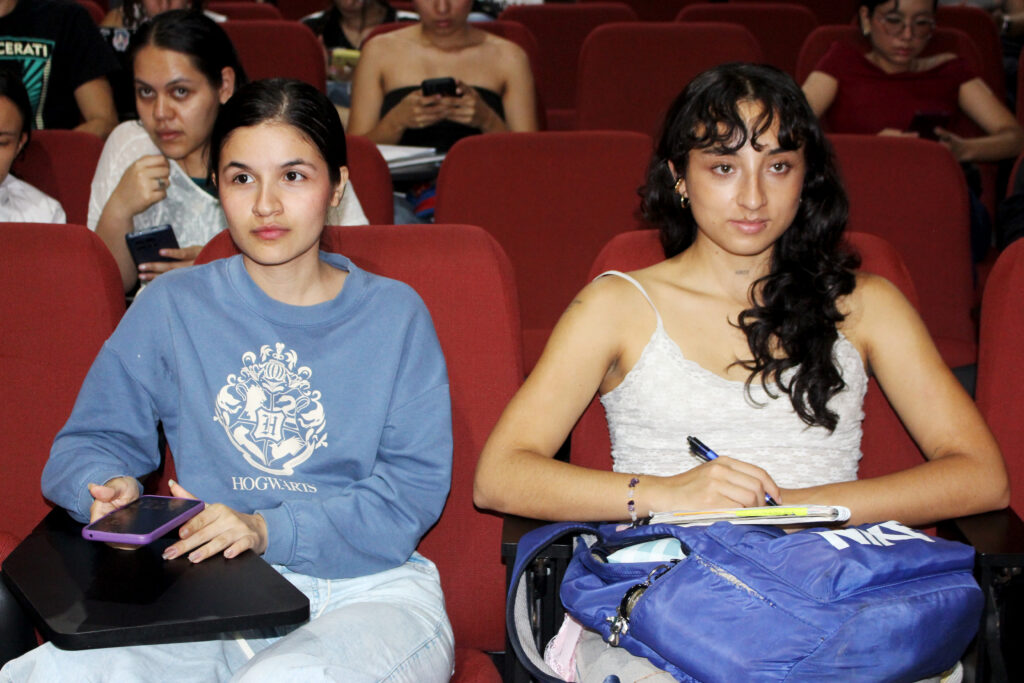
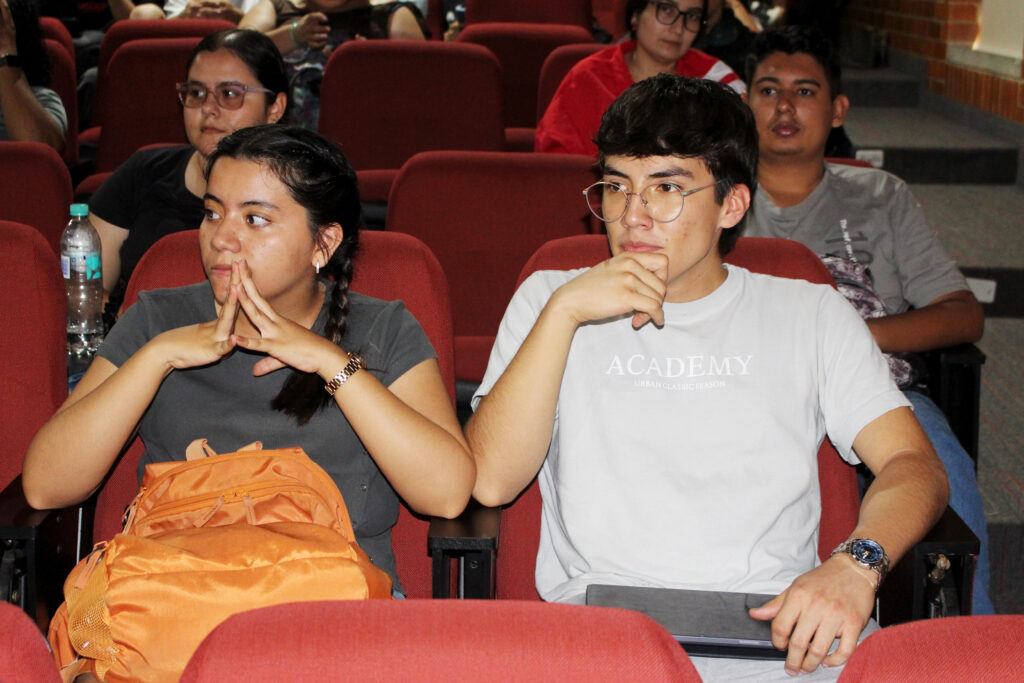
The event took place in the Ágora on the second floor of the Virginia Gutiérrez de Pineda Building (Humanities 1) and was attended by members of the university community and interested members of the public, both in person and via a live stream on the UIS’s social media channels.
With this third session, the Rodolfo Low Maus Chair made progress toward its goal of creating spaces for interdisciplinary analysis focused on the major challenges facing Santander. On this occasion, geology emerged as a fundamental component for understanding the risks facing the region, strengthening its response capacity, and, at the same time, identifying opportunities that will enable the department to become more resilient by 2050.