

After hosting the session convened as part of the election process for members of the Departmental Council for Peace, Reconciliation, and Coexistence, the Universidad Industrial de Santander will carry out a diagnostic assessment aimed at developing educational work within this advisory and consultative body of the departmental government in matters of territorial peacebuilding.

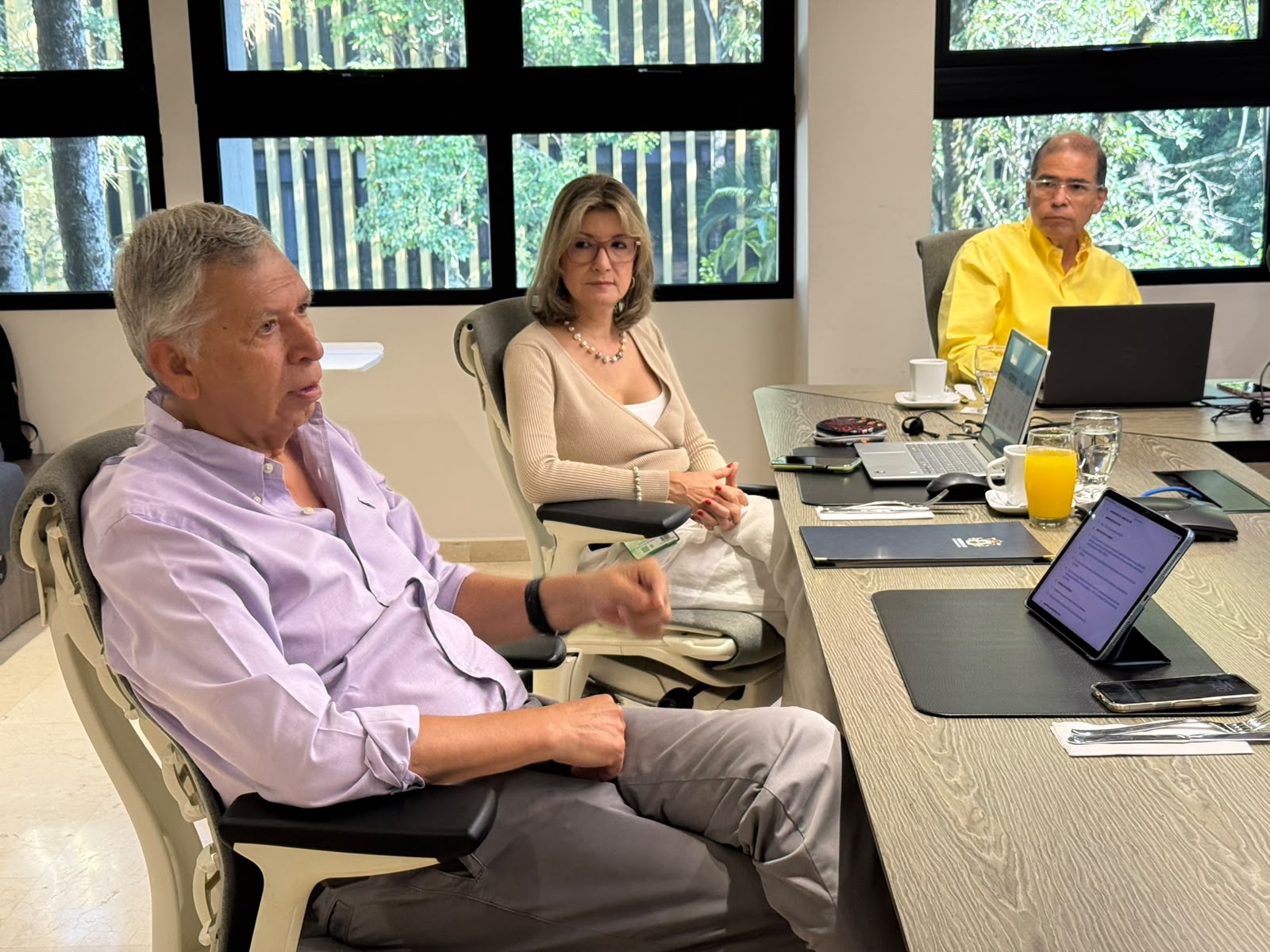
Professor Nectalí Ariza Ariza from the Escuela de Historia recalled: “The Council was created through an Assembly act in 1998, but due to various circumstances, difficulties, and peace processes, it has never had an active role. With the 2016 Peace Agreement, the Council was promoted, agreements were made, and departmental resolutions were issued to give it life, and a peace fund was created. This is a day to celebrate because, despite the challenges and the lack of political will—which must be acknowledged—the current Governor of Santander and the Secretary of the Interior took the lead to advance the process. A departmental call was made, and thanks to that, the delegates are here, ready to get to work, as we say.”
“The Council has resources within the Fund that are expected to be invested throughout the process and in various activities aimed at consolidating peace at the departmental level—including educational activities, which explains UIS’s involvement. The Council addresses the needs of victims, human rights defenders, and peace signatories. This requires a diagnostic assessment, it requires knowledge of where they are, who they are, what their needs are, etc. That’s the purpose of the diagnostic. Therefore, UIS will participate in developing a diagnostic assessment of the current situation of the peace beneficiaries, also regarding legitimacy and participation, ensuring the process is inclusive,” added Professor Ariza Ariza.

He clarified: “UIS aims to support educational, mediation, and also technical tasks, because there will be projects such as infrastructure and others related to peacebuilding or requested by the beneficiaries. UIS can provide support both educationally and technically in the design and execution of some projects. So, through this diagnostic process, we hope to identify priorities, reach agreements, and actively participate.”
He finally stated that during a session of the Consejo Superior UIS, as the professors’ representative before the University’s highest governing body, he spoke with the Governor of Santander, MG (R) Juvenal Díaz Mateus, who expressed interest in UIS participating. He also discussed this with the Secretary of the Interior, MG (R) Óscar Hernández Durán, and “as a result, a call was made to various sectors within this process, which had already begun and to which we are now contributing.”
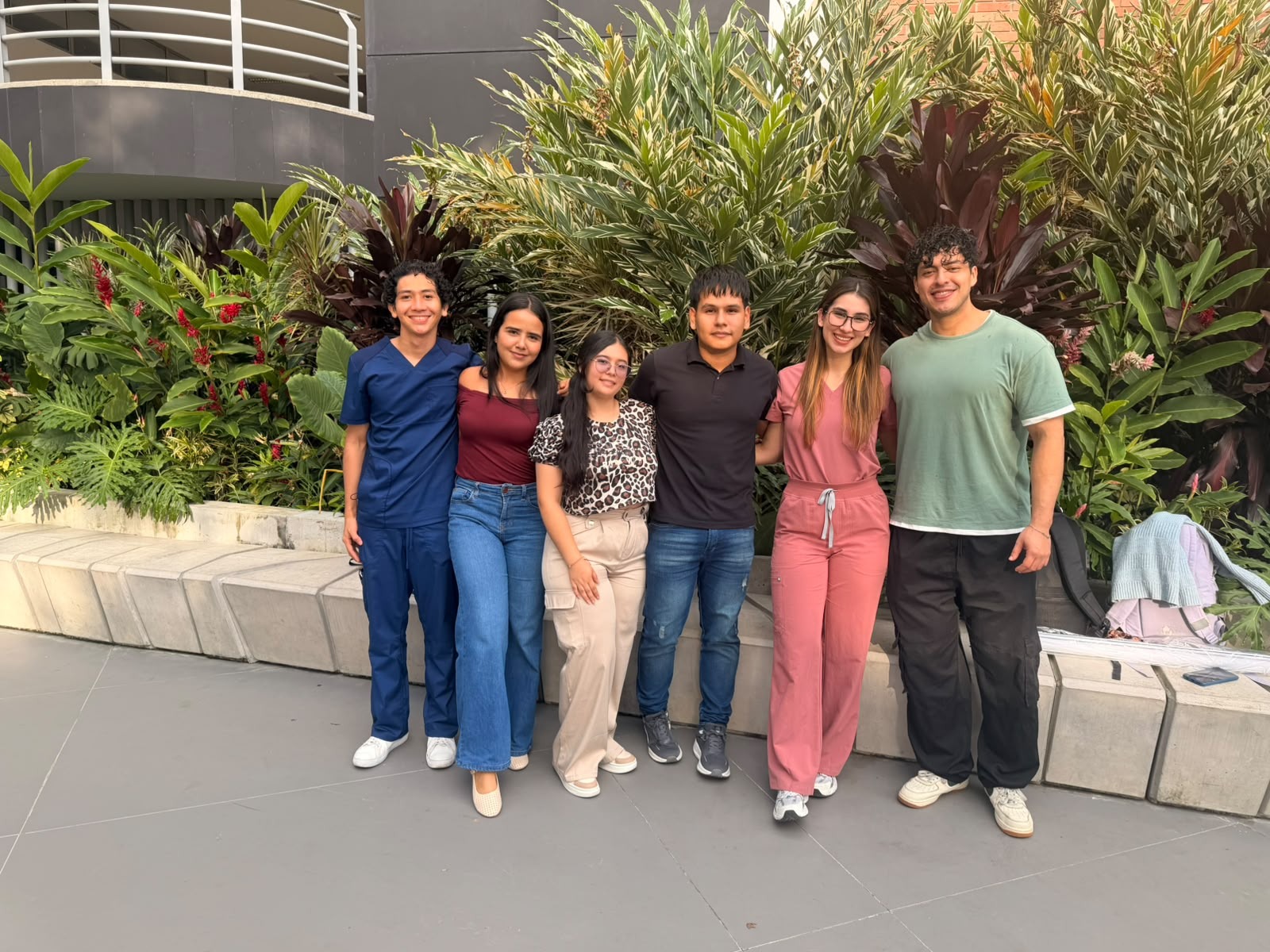
It is worth mentioning that the team from the Universidad Industrial de Santander accompanying Professor Ariza in this work is composed of:
- Daniel Contreras, Lawyer, Specialist in Social Management, Master in Human Rights, and a former United Nations collaborator.
- Daniela Peñaranda, Social Worker, Specialist in Social Psychology, Master in Human Rights, and expert in social projects.

For his part, the Secretary of the Interior of Santander, MG (R) Óscar Hernández Durán, stated:
“We are making progress in building a peaceful, just, and reconciled Santander. This event strengthens social dialogue and citizen participation as fundamental pillars to consolidate a territory where respect, justice, and coexistence prevail,” highlighting the support of the Universidad Industrial de Santander, the Ombudsman’s Office, the Inspector General’s Office of Bucaramanga, municipal councilors, business associations, and academia.