

With the aim of strengthening a culture of responsibility in data and document management, the Industrial University of Santander, through its Information and Communication Technologies Division and the Certification and Document Management Department, presented a training proposal for its staff on responsible management of institutional information.
The initiative seeks to raise awareness among the university community about the importance of recognizing information as a strategic asset and protecting it from risks that could affect both the security and reputation of the institution.
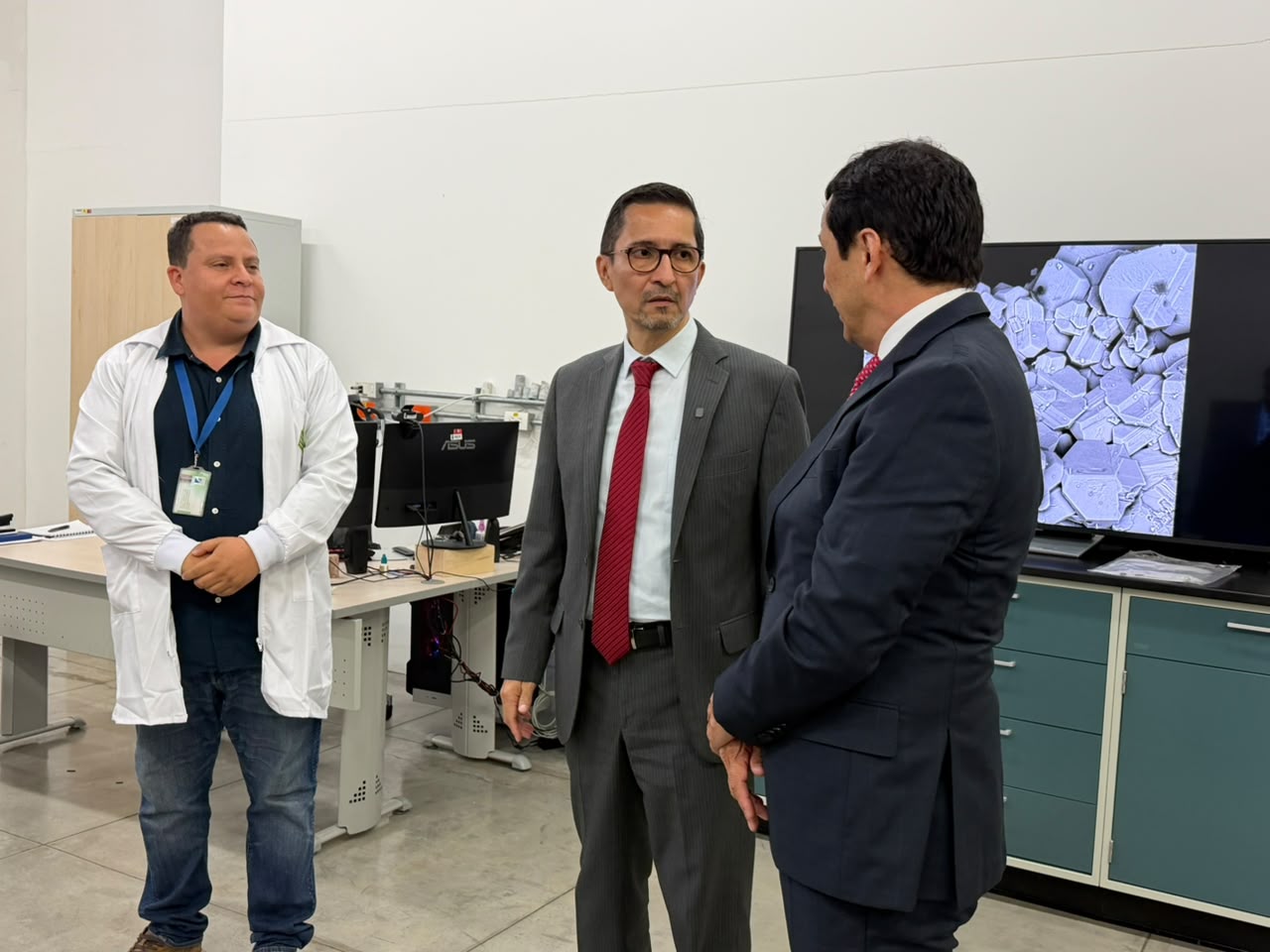
“We know the information, we can be alert, we can be aware of how we should handle the data and files that pass through our functions,” explained Edgar Antonio Meza Rincón, head of DTIC UIS, who highlighted the need to identify risks associated with the management of information assets.
According to Meza, the training will help prevent fraud and violations that sometimes arise from ignorance. “If we are aware of and alert to these potential risks, we can prevent fraud and deception… In recent days, there have been cases in which people, due to ignorance, have accessed fraudulent emails asking them for sensitive information,” he said.
Sergio Andrés Utrera Santander, director of Certification and Document Management, pointed out that the training program responds to the current challenges facing society in relation to data and information. “At the university, we face major challenges: creating a culture of responsibility regarding data and information, which is essential today,” he said.

Utrera also highlighted the importance of incorporating good technical and administrative practices. “This involves very specific aspects such as data anonymization, the use of confidentiality agreements, and the publication of information that is duly classified or considered public, depending on the instruments that establish the criteria for access,” he said.
The proposal includes five training sessions on topics such as the Habeas Data Law, handling of personal and sensitive data, use of institutional information systems, data governance, and digital security.
Finally, Utrera emphasized the importance of the quality of institutional information. “It is important because it allows us to have concise information, which we provide to our control entities, and also facilitates structured, accurate, and strategic decision-making.”
With this training strategy, the UIS seeks to protect data and manage information efficiently as fundamental pillars of its academic and administrative work.