

The Industrial University of Santander (UIS) received significant recognition from the European Union as part of the Colombian consortium that, for the first time, obtained funding from this entity through the approval of an Erasmus+ Strand 3 project, presented by the UIS Office of External Relations.
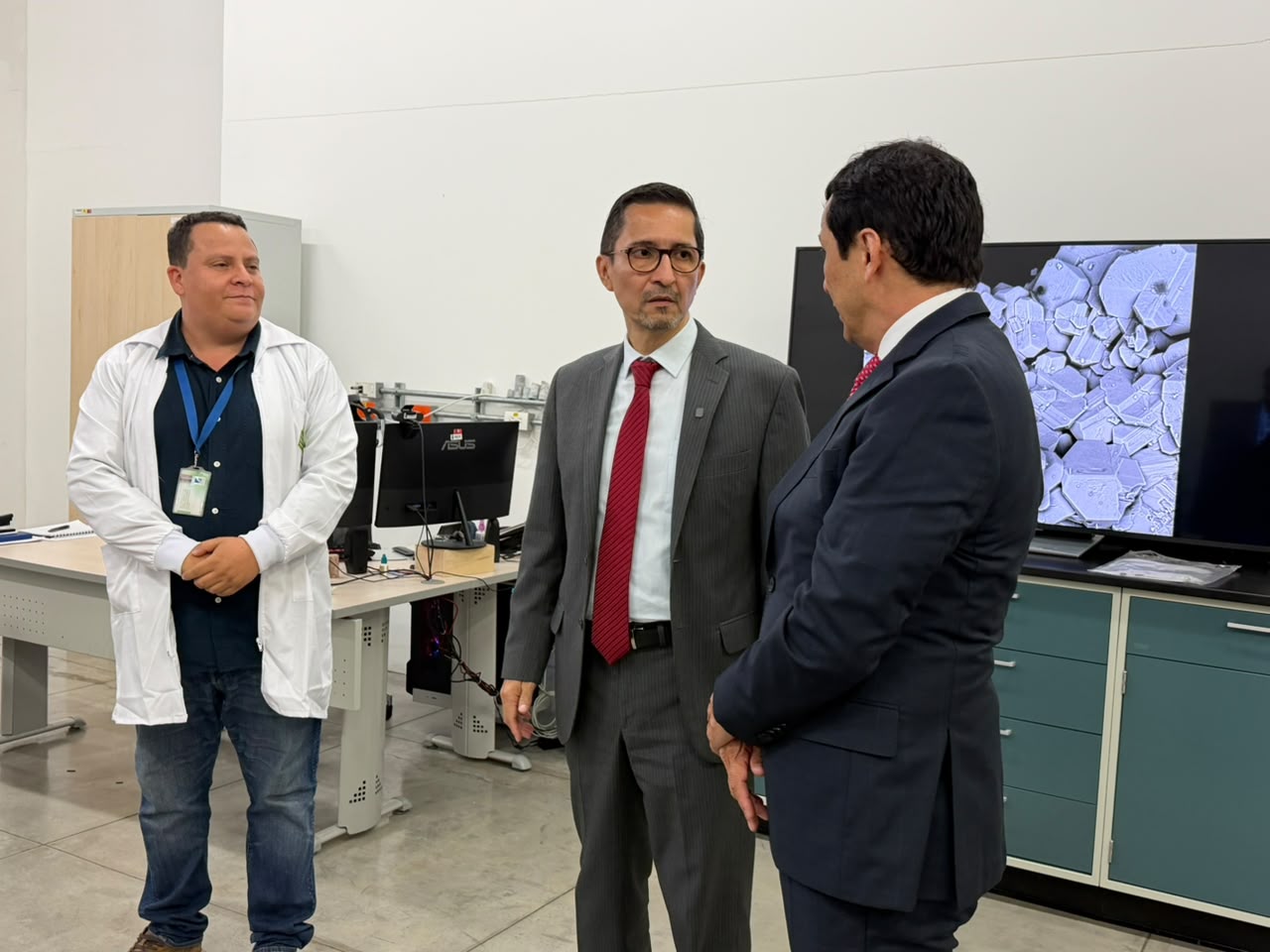
The ceremony was held in the auditorium of the Bogotá Chamber of Commerce, where the director of the Office of Foreign Relations, Liliana del Pilar Castro Molano, received the award on behalf of the institution.
“Mr. Alberto Menghini, head of European Union Cooperation in Colombia, presented us with the award after the presentation of a project that proposes an intersectoral ecosystem based on six mission areas,” explained Castro Molano.
The event was part of the launch of the Empathetic Higher Education Ecosystem, which was attended by the Minister of National Education, Daniel Rojas, and the Deputy Minister of Higher Education, Ricardo Moreno.

“The deputy minister highlighted that this Ecosystem is structured around six fundamental pillars: life and development; fair energy transition; comprehensive rural development; converging technologies; health and health sovereignty; and education for transformation and peace, which are the same pillars that guide our project,” added the director of the UIS Office of External Relations.
This achievement is a milestone for Colombian higher education, recognizing the UIS as a pioneering institution for its leadership, internationalization, and constant pursuit of knowledge.
“I am very happy and proud to have combined my two passions, research and internationalization. At the UIS, we contribute to the fair energy transition axis, convinced that this funding will strengthen the projects of all the universities in the consortium and develop public policies that benefit rural communities,” concluded Castro Molano.