
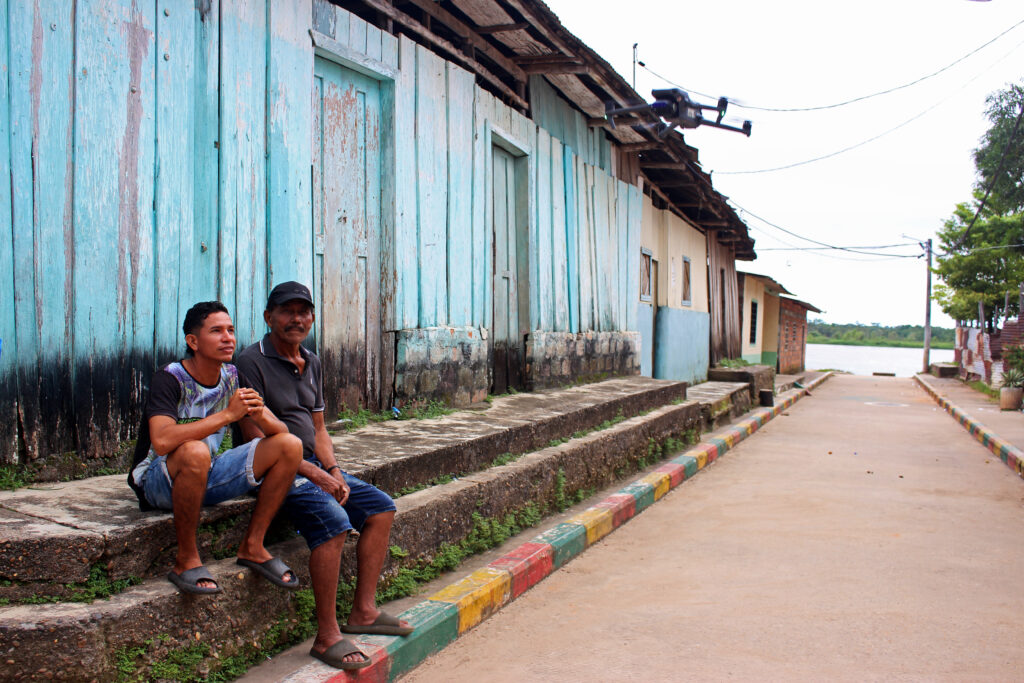
Regional disparities in Santander reveal profound differences among its 87 municipalities. Bucaramanga and Barrancabermeja concentrate population, services, and economic activity, while rural areas face challenges in connectivity, basic services, and opportunity creation. The “Santander Vision 2050” assessment addresses this challenge and asks: How can we move toward a more balanced department by 2050?
Santander is known for its economic dynamism, but behind that prosperity, deep disparities persist among its territories. The “Santander Vision 2050” assessment highlights a key challenge: ensuring birthplace does not determine people’s opportunities by 2050.
Home to 87 municipalities, Santander does not offer the same economic participation or access to services and opportunities across its territory. Five municipalities generate 71% of Santander’s value added, while the remaining 82, covering 94% of its territory, generate only 29%.
This imbalance is also evident in income levels. GDP per capita differs by a factor of 7.5 between Barrancabermeja and the municipality of Sucre, illustrating the scale of the inequalities affecting the department. These data are part of the issue known as “Structural Inequality and Urban-Rural Territorial Fragmentation in Santander,” identified during the diagnostic phase of Santander Visión Prospectiva 2050.
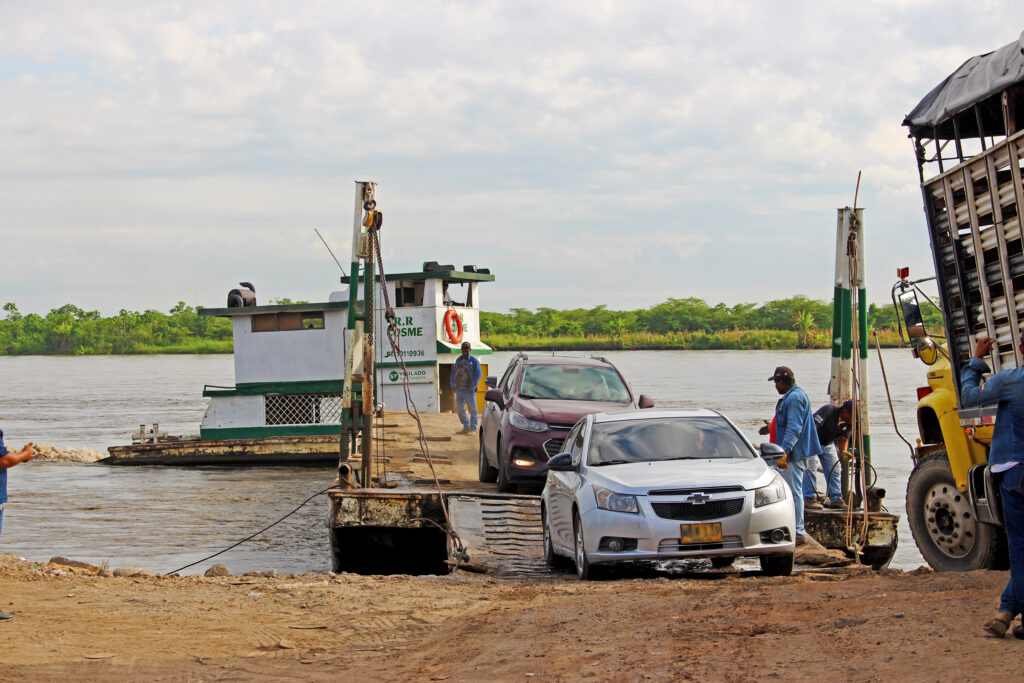
Cuando la distancia se convierte en desigualdad
Economic concentration is not necessarily a bad thing. The problem arises when it is accompanied by disparities in connectivity, basic services, productivity, and opportunities.
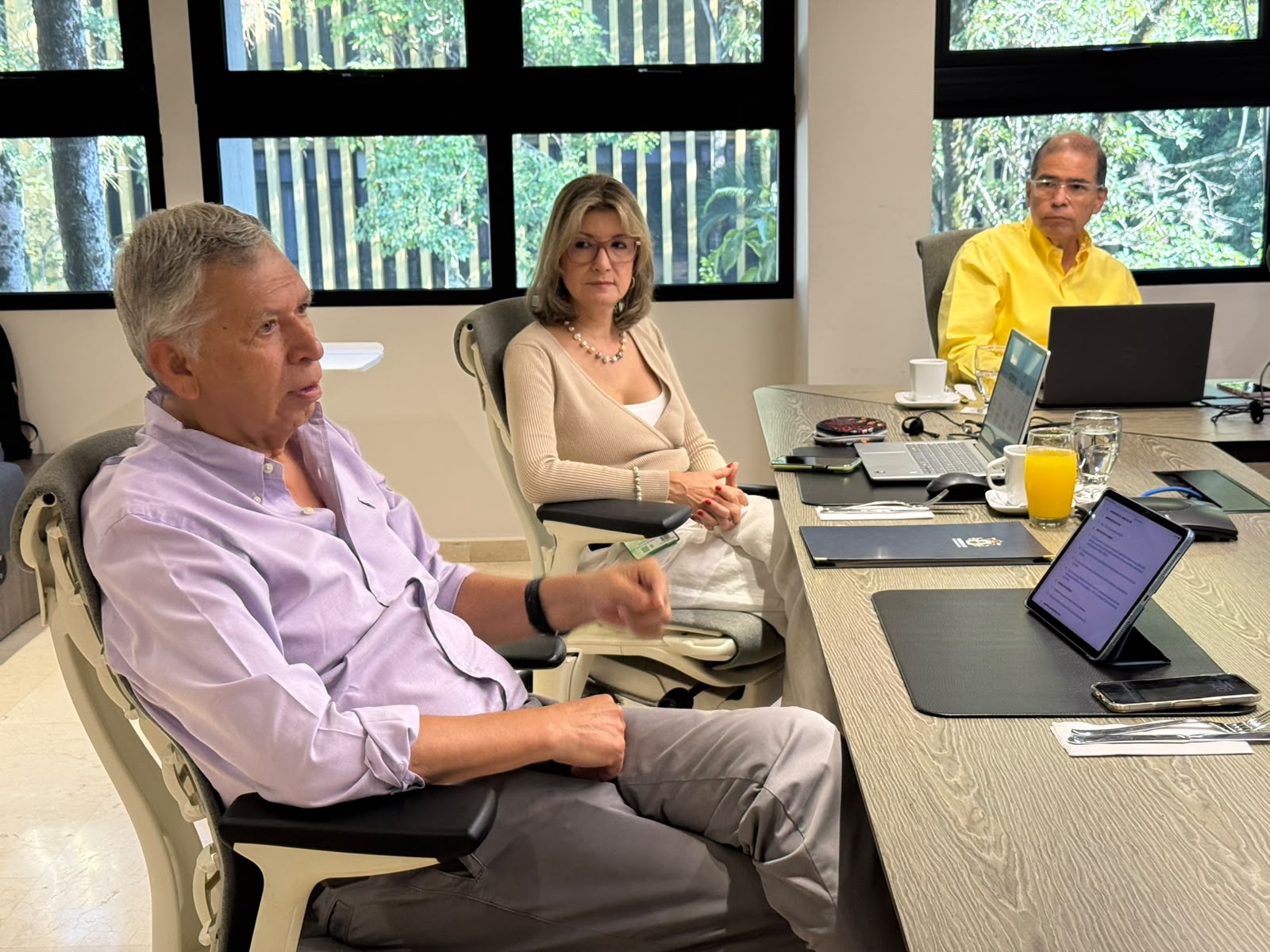
Geologist Edwin Mendoza noted that poverty and unmet basic needs reveal stark urban-rural disparities, with rural communities facing dispersed populations and fewer opportunities.
Santander’s geography exacerbates this situation. The mountainous topography means that some trips between municipalities take several hours and that access to specialized services is difficult.
The analysis shows that the Bucaramanga metropolitan area is the main territorial hub, with 23 unique territorial connections and a cumulative coverage of 330,418 hectares within a 60-minute radius. Barrancabermeja ranks second, while 55% of the municipalities have fewer than 16 intermunicipal connections, which is below the departmental average.
Para Mendoza, esta realidad hace que una distancia física termine convirtiéndose también en una distancia social y económica. Durante el programa puso como ejemplo el recorrido hacia Málaga y las dificultades que puede enfrentar un habitante que necesita acceder a servicios de salud de mayor complejidad.
La conectividad, entonces, no es solamente un asunto de infraestructura vial: determina qué tan cerca están las personas de la educación, la salud, los mercados y las oportunidades.
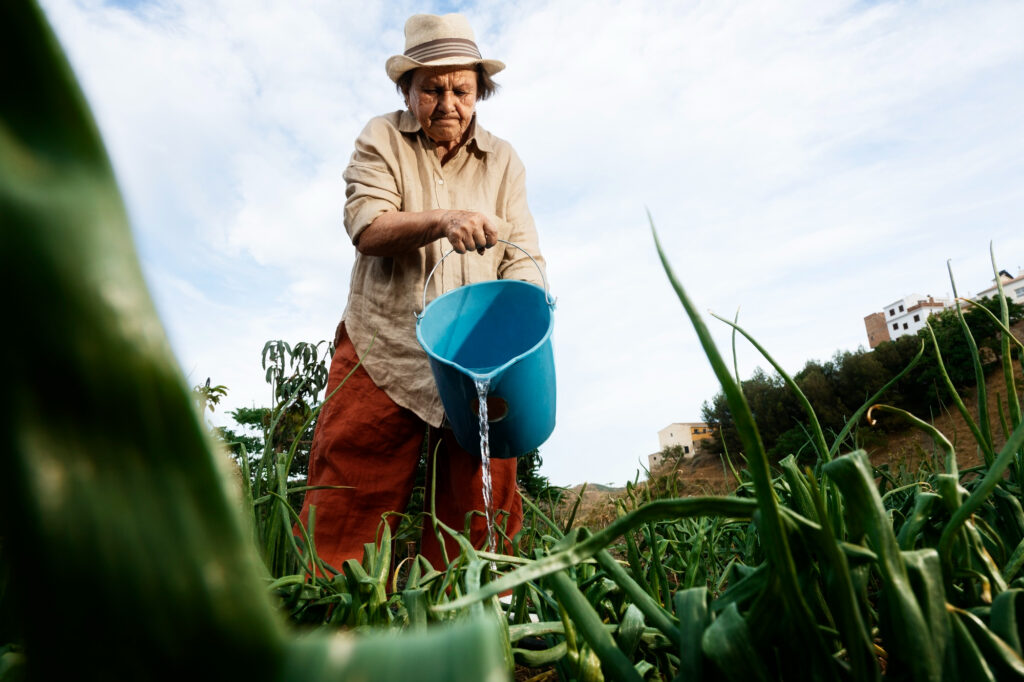
The gaps are also evident in rural areas
Regional inequality is most clearly evident in access to basic services. In urban centers, water supply coverage reaches 96 percent, while in rural areas it stands at 48 percent. For sewerage, the difference is even greater: 95% versus 13%. Multidimensional rural poverty is also 2.7 times higher than in urban areas.
Added to these difficulties are challenges related to production. During the program, Mendoza noted that much of the Andean region faces constraints on intensive, mechanized commercial agriculture, which keeps many agricultural and livestock activities at low levels of productivity and profitability.
The fragmentation of rural land ownership also poses a challenge. Small plots of land can make it difficult for a family to generate sufficient income, invest in technology, or produce surpluses to strengthen their economic activity. The result is a vicious cycle of low productivity, low income, and limited investment opportunities—conditions that can perpetuate poverty.
A Region Losing Population
Regional disparities also have a demographic dimension. During the radio program, the discussion focused on the decline in the rural population and the loss of children and young people in some municipalities. Schools that once served more than a hundred students now have much smaller classes, while older adults are becoming an increasingly significant part of these communities.
The “Santander Visión Prospectiva 2050” assessment warns that, if current trends continue, the migration of young people could accelerate, leading to further population aging and depopulation in provinces that are already in a fragile state.
The consequences go beyond a mere decline in population. When a region loses its young population, it also loses part of its capacity to sustain its economic activities, educational institutions, and social dynamics.
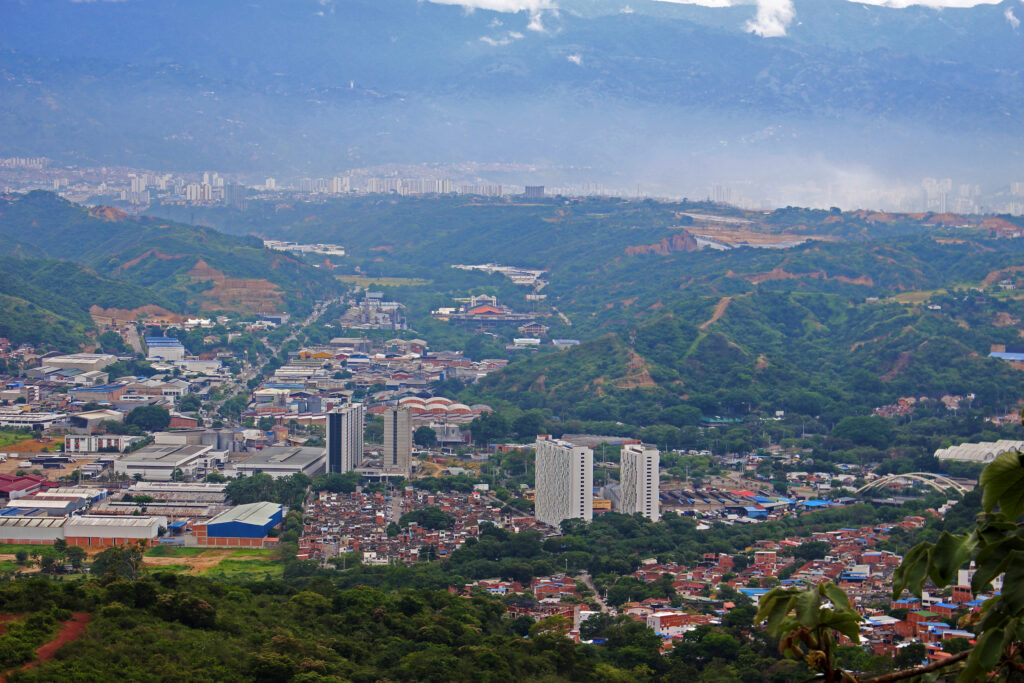
Not all roads lead to Bucaramanga
Territorial fragmentation is not limited to relationships within Santander either. The assessment indicates that 31% of the territory is primarily oriented toward neighboring departments such as Boyacá, Cesar, and Antioquia, rather than Bucaramanga.
Far from viewing this situation solely as a loss of cohesion, the experts who participated in the project suggested that it could become an opportunity for coordination.
There are territories that have closer economic, social, and service-related ties with municipalities in other departments. The Suárez River Valley, for example, fosters dynamics between Santander and Boyacá, while other municipalities maintain ties with Antioquia, Cesar, and Norte de Santander.
Territorial planning could capitalize on these relationships through cooperation schemes and supramunicipal and interdepartmental partnerships.
Concentration Also Puts Pressure on Bucaramanga
The consequences of this model do not fall exclusively on municipalities with lower levels of development. The concentration of population, services, and economic activity in the metropolitan area also places pressure on the department’s main urban center.
The assessment identifies problems related to congestion, pressure on public services, housing, and urban expansion into environmentally strategic areas. In the assessment, experts noted that Bucaramanga’s physical and environmental constraints limit its expansion and increase pressure on urban land and existing infrastructure.
Therefore, closing territorial gaps does not mean shifting all development toward major cities, but rather strengthening other hubs capable of providing services, generating employment, and revitalizing their own economies.
The Challenge for 2050: A Polycentric Santander
Against this backdrop, Santander Vision 2050 sets forth the challenge of achieving territorial cohesion and bridging urban-rural divides through connectivity, resilient infrastructure, and equitable access to services and opportunities. The goal is to move toward a polycentric Santander, where different municipalities and provincial centers can become hubs of development.
This involves improving connectivity between municipalities—not just with Bucaramanga—strengthening health and education services, boosting logistics infrastructure, harnessing the potential of tourism, the cultural economy, and regional productive activities, and developing mechanisms for cooperation among territories.
To this end, territorial intelligence will be essential—understood as the ability to identify the unique characteristics of each territory, understand their interrelationships, and use that information to make better decisions.
In this process, the Industrial University of Santander plays a strategic role due to its academic presence in the department—particularly through the Institute for Regional Development and Distance Education (IPRED)—and its ability to contribute knowledge toward the understanding and transformation of the region.
Santander’s challenge as it looks toward 2050 is not merely to grow. It is to ensure that this growth reaches more areas and translates into real opportunities for its residents.
Because building a unified Santander does not mean that its 87 municipalities must all be the same. It means that the differences between them must not become permanent inequalities, and that the place where a person is born should not determine the opportunities they will have to build their life.