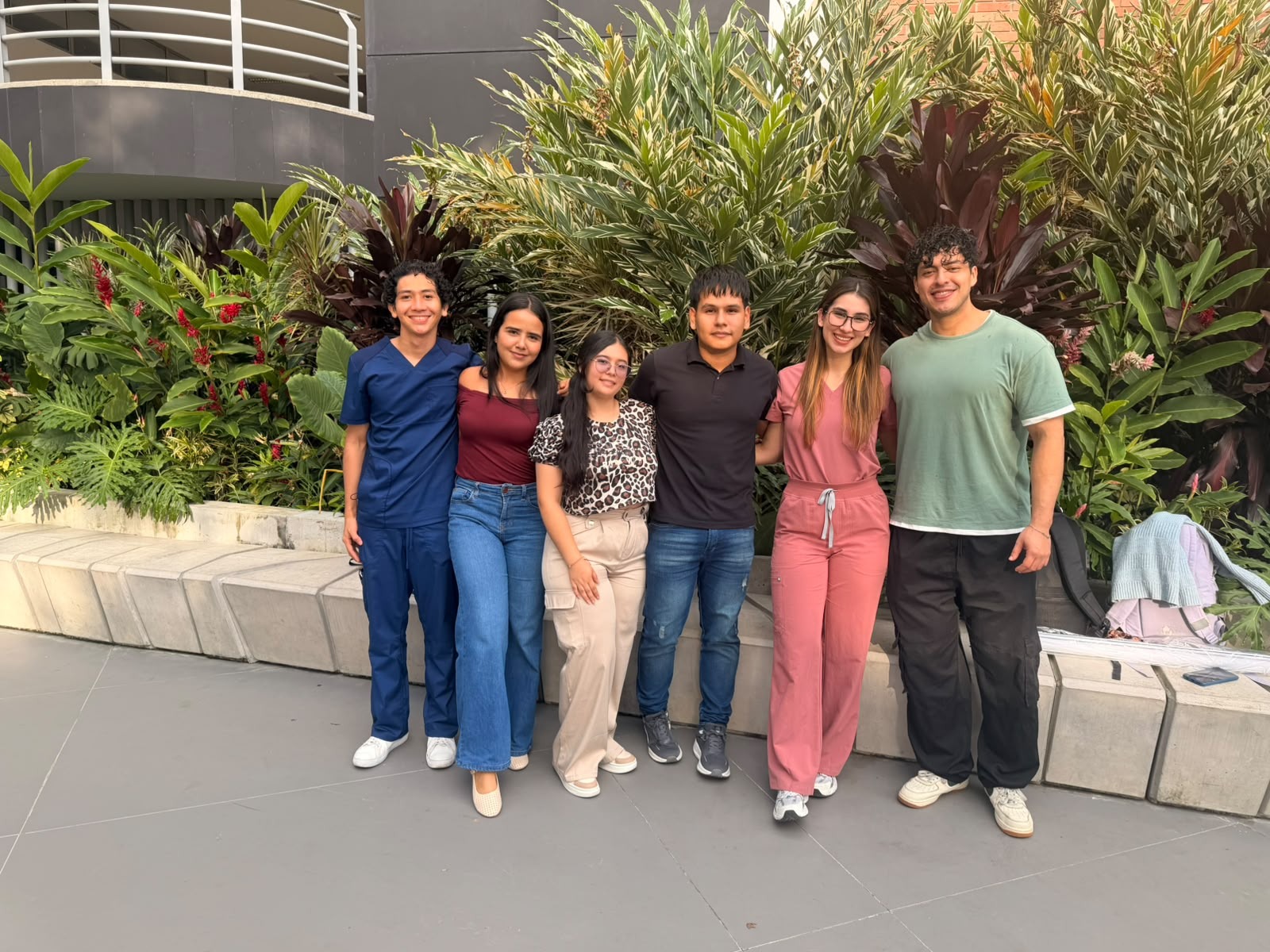


Who would have thought that a prickly plant like the cactus could be turned into feed for farm animals? Well, Andrés Arias and Hesley Torres, sixth-semester students in the Animal Husbandry program at the UIS Málaga campus, decided to undertake an innovative project: “Rumicactus,” a concentrate for ruminants, and “Piocactus,” a version adapted for chickens, both made from cactus.
It all began in the context of the course “Concentrate Technology,” taught by Professor Julián Botero. Based on what they learned in this course, the students, motivated by their curiosity and powers of observation, noticed the abundance of cacti in the region, especially in areas surrounding the municipality of Capitanejo. That’s when they wondered if this hardy and undervalued plant could provide enough protein and energy to be used in animal feed.

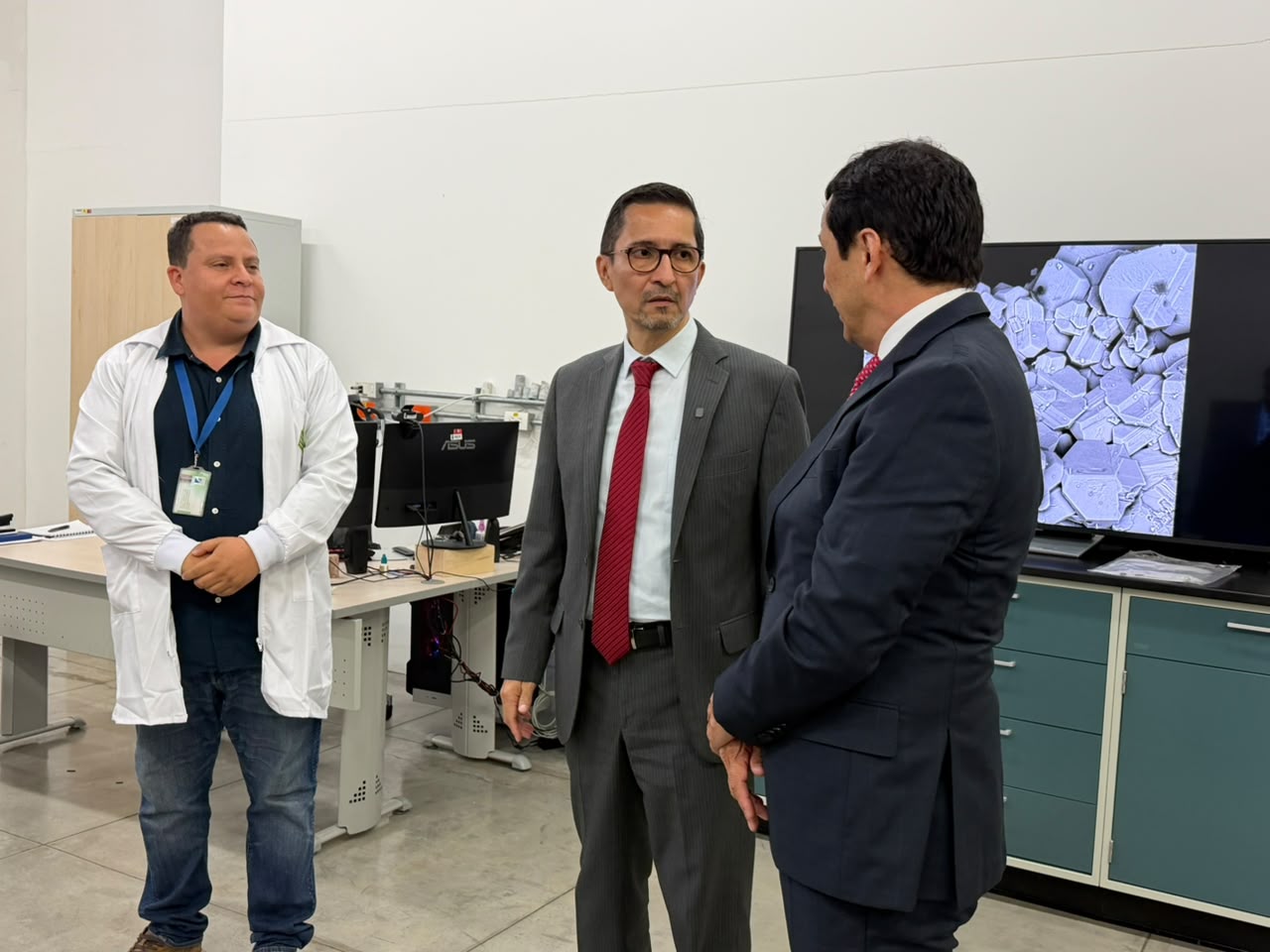
With the support of Professor Julián, they conducted bromatological studies to analyze the nutritional content of the cactus. The results were quite positive: it was found that this plant contains significant levels of moisture, fiber, energy, and other components that make it viable as a basis for a supplement for ruminants and chickens. The analyses were carried out in the livestock conversion laboratory at the UIS Málaga campus.
“We are looking for alternatives for sustainable feeding based on the resources available in the region. In this course, students explore plants or by-products that can be converted into supplements or raw materials for the production of lower-cost balanced feed. Here in the country, there are few studies on the use of cactus in animal diets, and this is a good option for families and producers,” said Professor Julián Botero.

Student Andrés Arias explained that the results of the analysis showed that cactus provides 10.04% protein and 1,920 kcal/kg of metabolizable energy.
“We made a kind of greenhouse out of cans, and placed the cactus underneath. We chopped it into small pieces and left it for a week to dehydrate. Then we ground the cactus into flour particles. This is combined with palm kernel cake, corn, and soybeans, creating an attractive concentrate that contributes to healthy and sustainable nutrition for ruminants and chickens.”
Hesley Torres pointed out that the goal of the project is to provide a practical solution for producers.

In areas where access to balanced feed for livestock is limited, cactus is an accessible, efficient, and environmentally adapted alternative. Our expectation is not only to take advantage of the nutritional value of this plant, but also to generate income opportunities for those who grow it. The goal of this venture is to strengthen the sustainability of livestock systems through the use of this alternative feed, which has low environmental impact and is readily available,” he explained.
Both ruminants and chickens are already consuming this concentrate, and so far there have been no negative reactions. On the contrary, the initial results have been very positive: the animals accept it easily and maintain good nutritional status, reinforcing the potential of cactus as a promising input for sustainable animal feed.