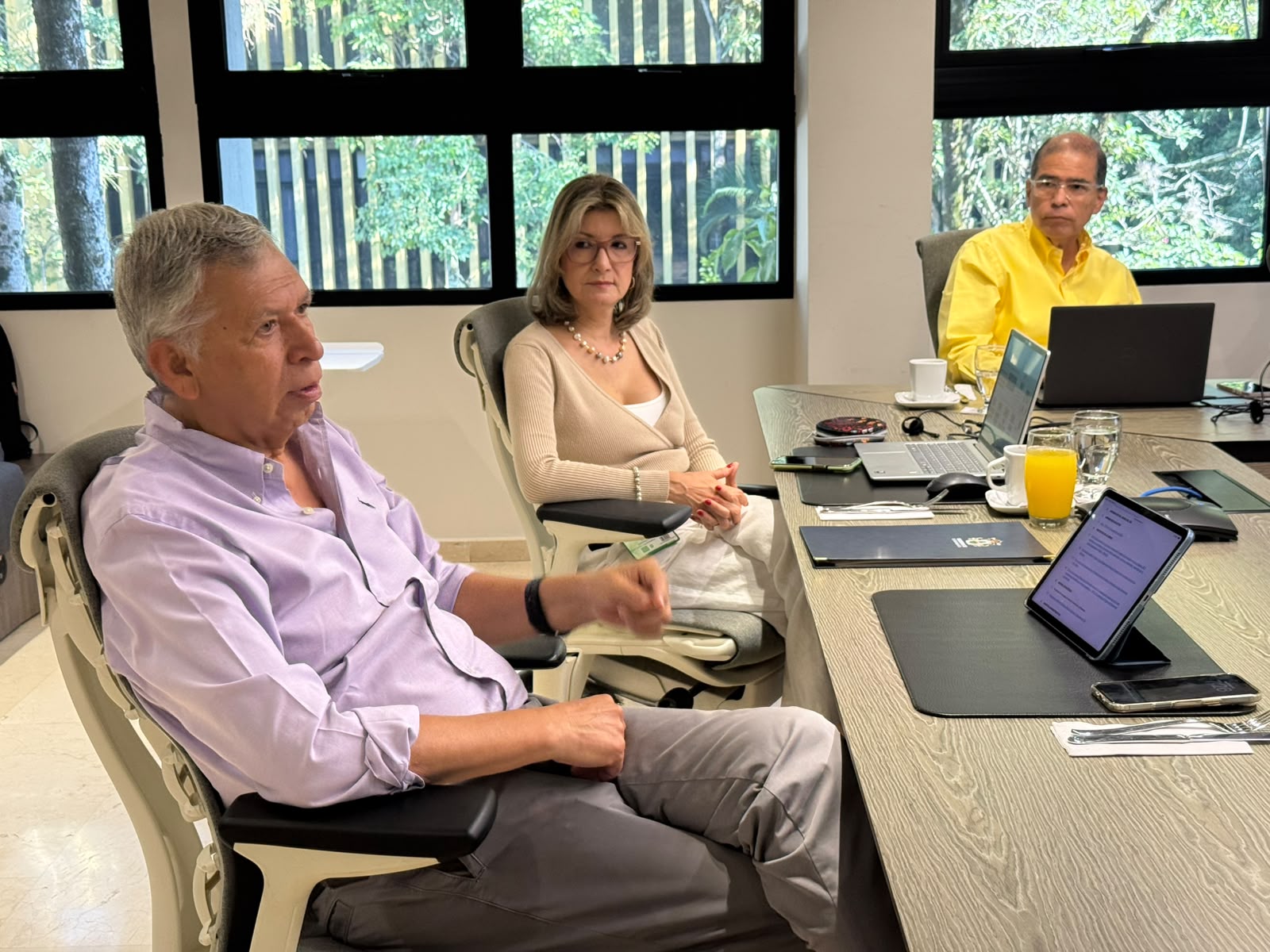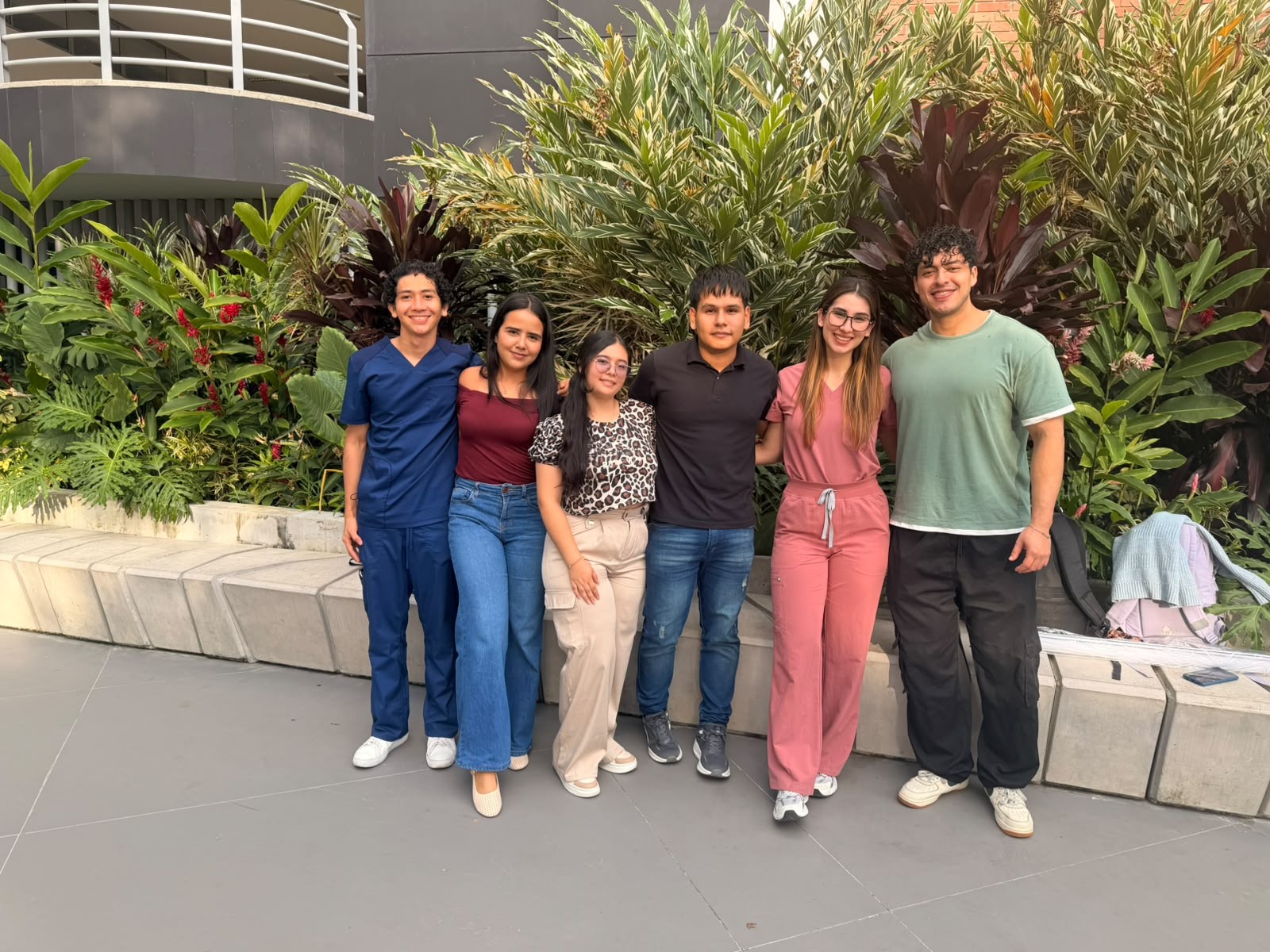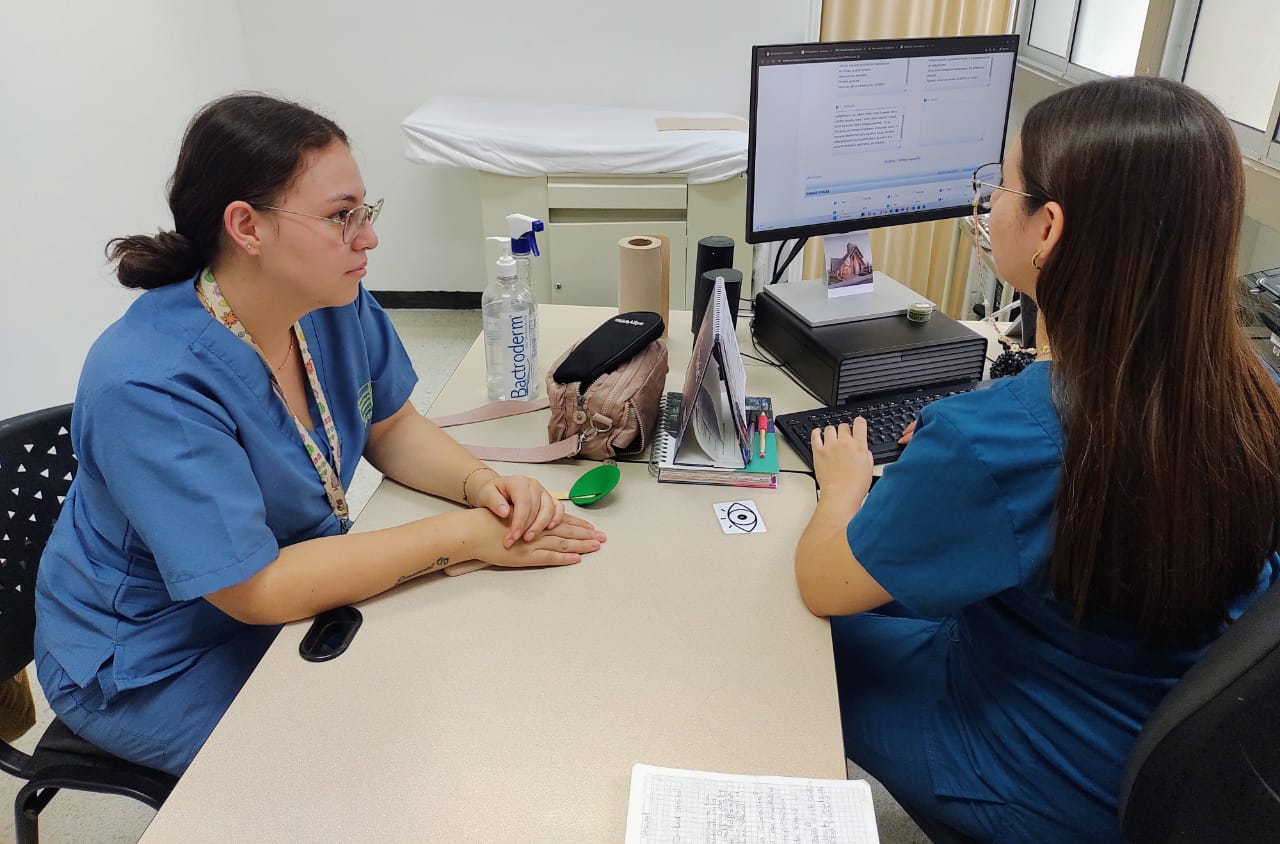

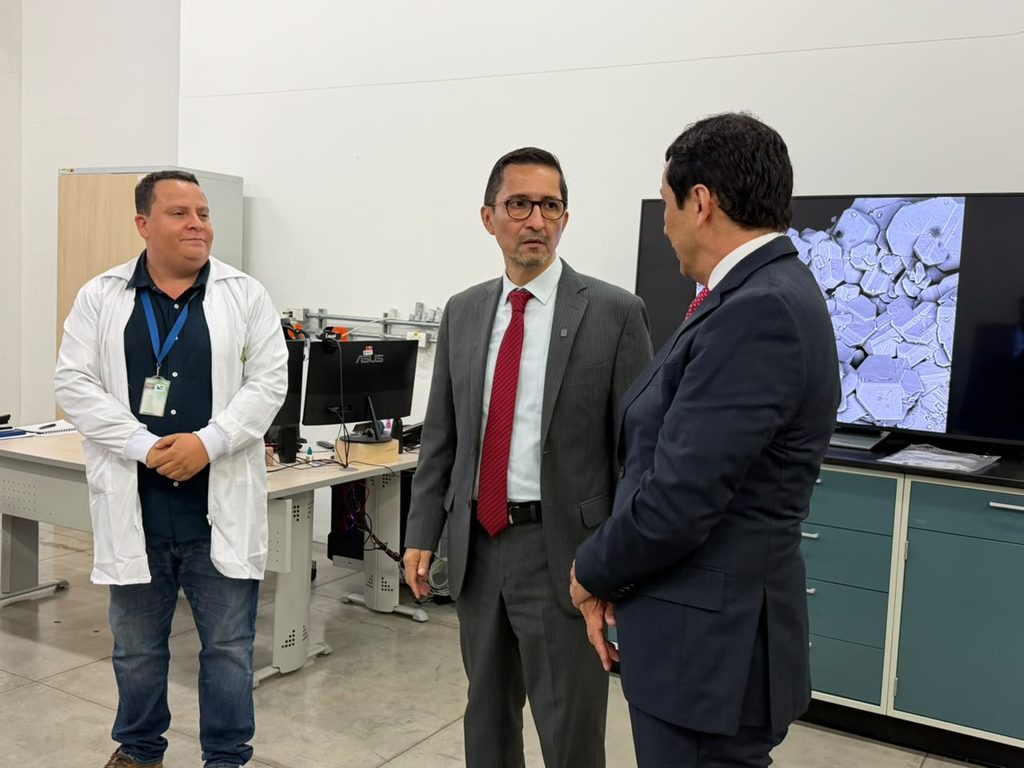
Connecting science with the needs of society is one of the priorities of the Industrial University of Santander. To learn how this goal is being achieved, César Darío Guerrero Santander, Minciencias’s Deputy Minister of Talent and Social Appropriation of Knowledge, visited the Guatiguará Technology Park, located in Piedecuesta, Santander.
The visit provided an opportunity to showcase the university’s capabilities in linking research to production processes and regional development. During the tour, the collaboration between academia, businesses, and the government was highlighted as a fundamental component for driving innovation and technology transfer.
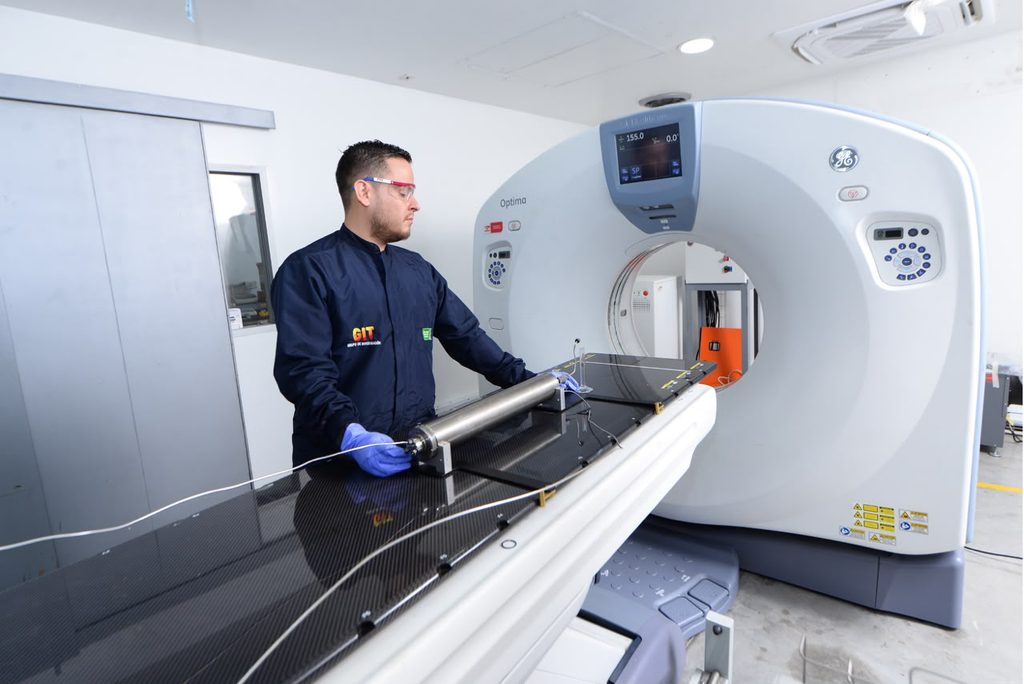
Accompanied by the Vice Rector for Research and Extension, Cristian Blanco Tirado, the deputy minister toured specialized laboratories and viewed high-tech equipment—some of which is unique in Colombia—that the UIS uses to conduct research and transform knowledge into solutions for industry, the environment, and communities.
In his remarks, Guerrero Santander emphasized the importance of turning research findings into concrete applications and entrepreneurial opportunities.
“Let’s move from a space where scientific knowledge is developed to a space where it is transferred—where companies that use that knowledge are incubated and bring it to life so that it can reach the market and ordinary citizens, and generate prosperity,” he said.
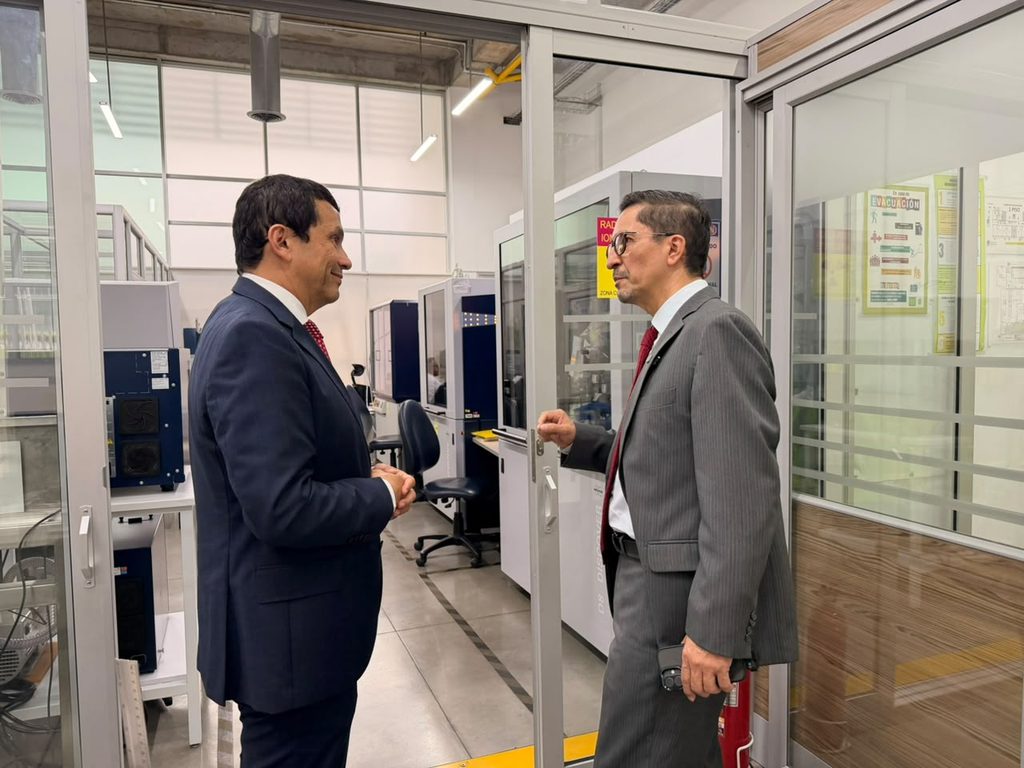
Regarding the progress made by the Guatiguará Technology Park, the deputy minister highlighted the consolidation of its capabilities to translate knowledge into tangible results and promote research-based companies.
“There has been a fundamental advancement related to the consolidation of what knowledge helps to develop,” he noted. He also emphasized the creation of technology-based companies and the goal of “ensuring that knowledge truly becomes the engine of the country’s development.
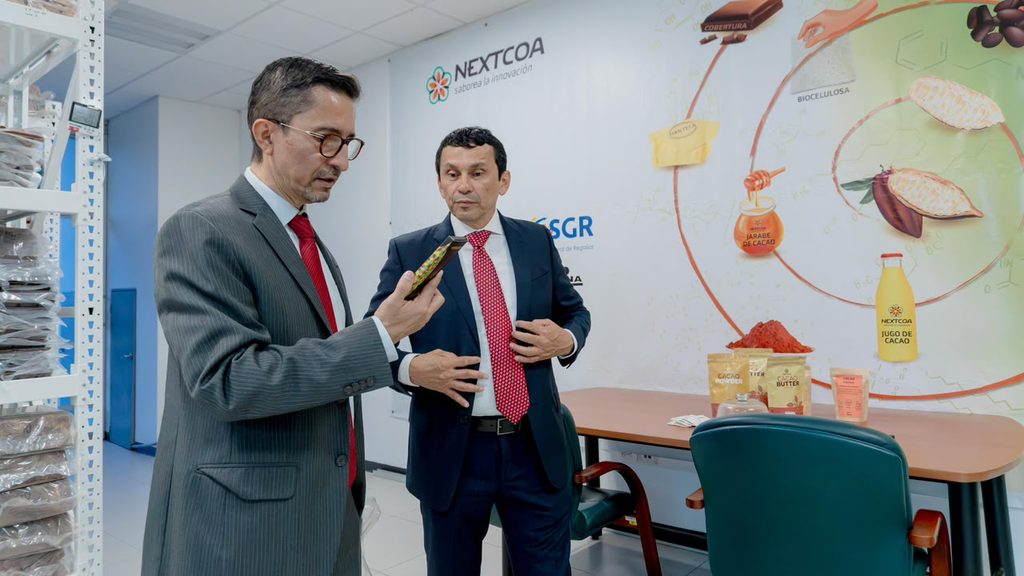
The deputy minister also spoke about the impact of bringing these experiences to society, especially among those who see science as an opportunity for their education and professional development.
“That gives hope to citizens, to Colombians, to students who see in knowledge the opportunity and motivation to create value throughout their education and throughout their development as researchers or entrepreneurs,” he said.
For Guerrero Santander, this connection between research and its applications allows us to recognize the contribution of knowledge to the collective well-being. “It gives meaning to science and technology in the country’s progress,” he added.
Research and Innovation for Sustainability
As part of his agenda, the deputy minister visited Ecopetrol’s Colombian Institute of Petroleum and Transition Energies (ICPET), where he learned about research and innovation initiatives aimed at improving community well-being and protecting natural resources.
During the tour, projects were presented related to rainwater management and utilization, soil improvement, reservoir construction, and water collection systems. Sustainable strategies for crop irrigation and nutrient utilization were also highlighted.
These initiatives demonstrated how research can generate solutions that extend beyond the oil industry and help address the needs of local communities.
Artificial Intelligence and Scientific Capabilities
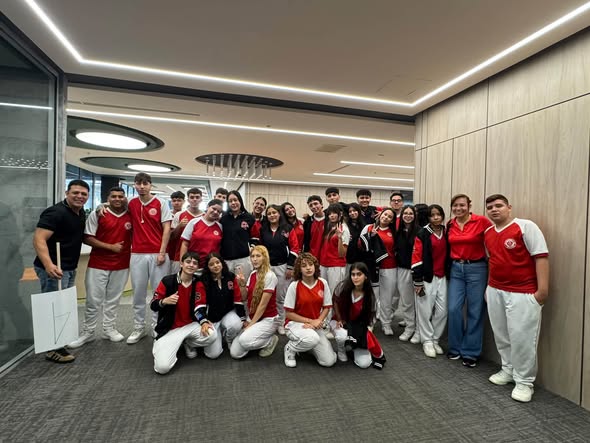
The academic program included the lecture “AI & Science: Researching with Machines,” presented by Guerrero Santander at the UIS School of Sciences.
During the event, participants discussed the challenges and opportunities presented by artificial intelligence for strengthening research, promoting knowledge generation, and developing scientific and technological capabilities in the regions.
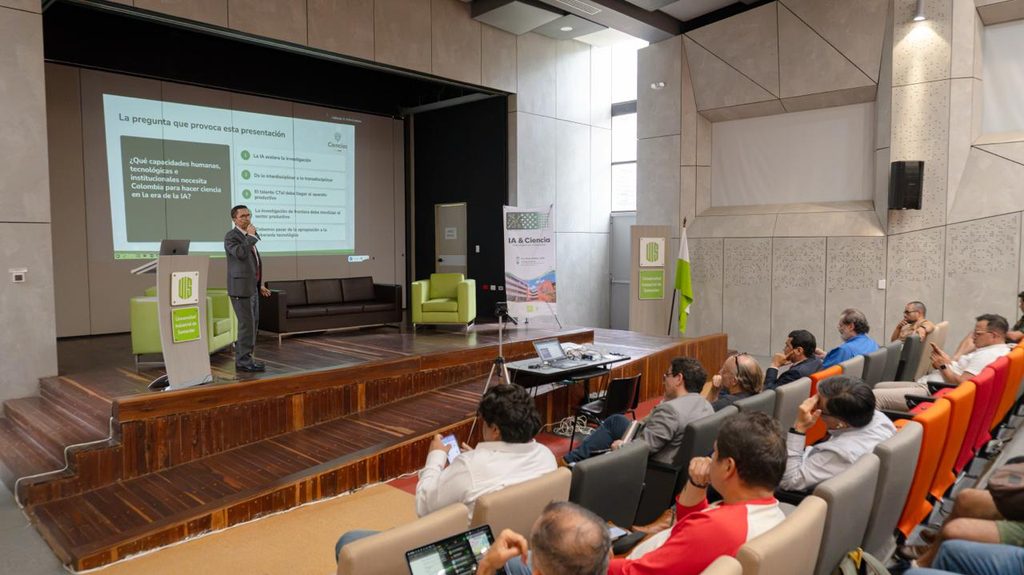
The event provided an opportunity to learn about various applications of science and to initiate a dialogue on the capabilities Colombia needs to turn knowledge into opportunities for innovation and economic and social development.