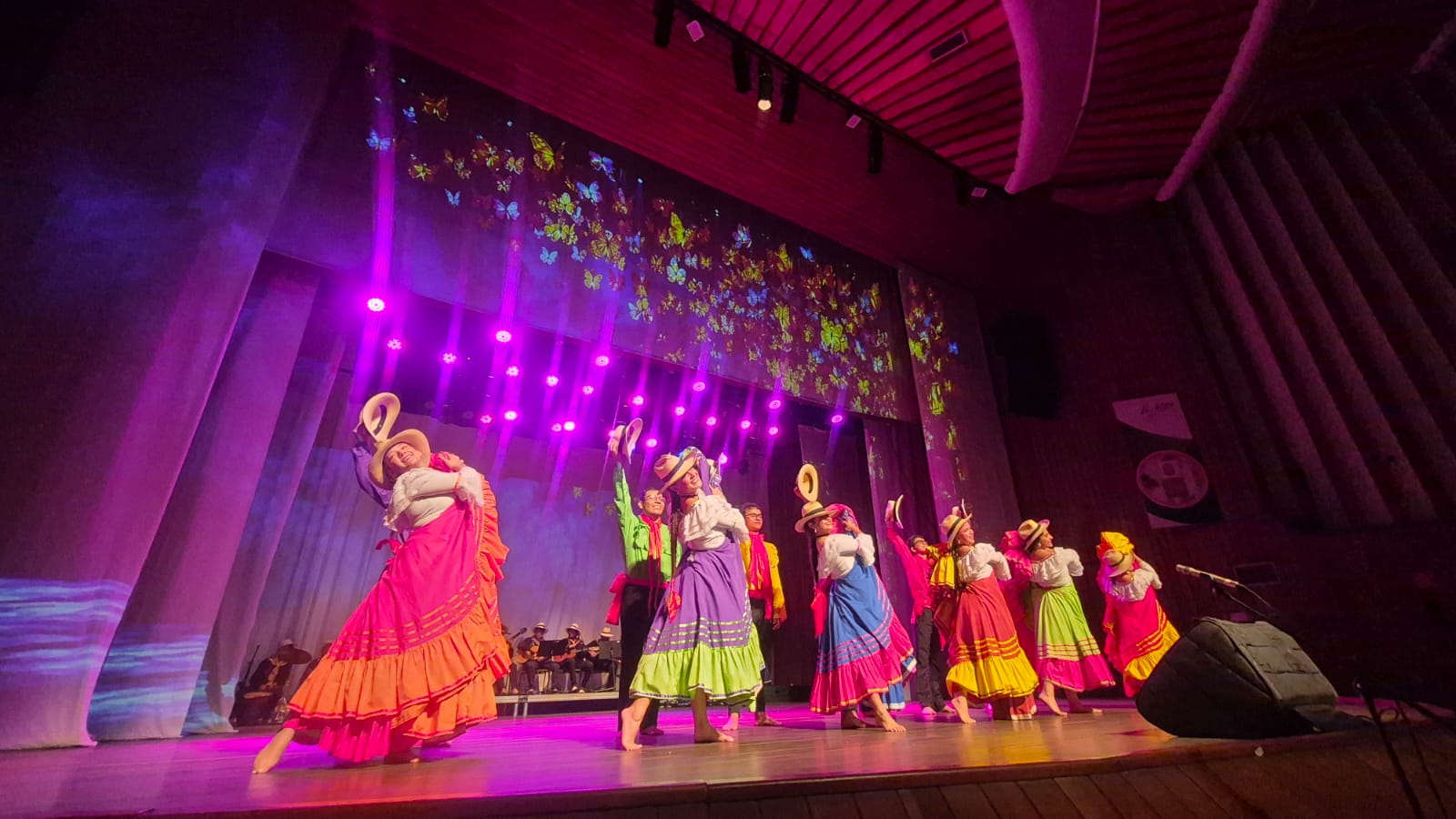


The Office of External Relations at the Industrial University of Santander (UIS) held the event “UIS connected with the world,” a space where several stands were set up to share with the university community the mobility programs and agreements that consolidate the institution as a university open to the world.
“We want the university community to know that we currently have 103 agreements, both nationally and internationally, that enable academic exchange, faculty mobility, and the development of research projects. In addition, we highlight the work of the professors who manage internationalization, who make it possible for these agreements to strengthen the global projection of the UIS,” said Liliana del Pilar Castro, director of the UIS Office of External Relations.
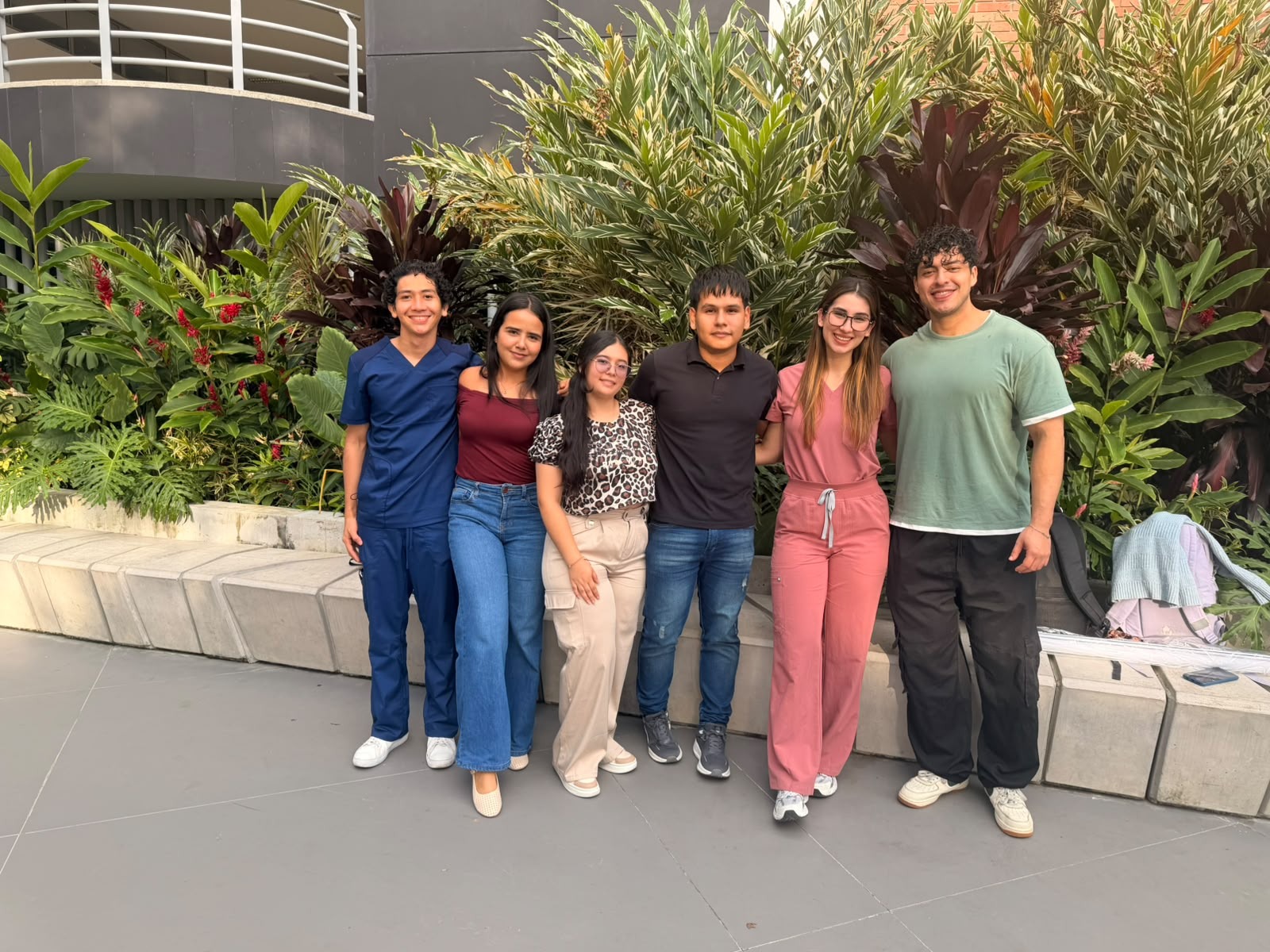
The activity was attended by incoming exchange students, language assistants, and international professors, who interacted with attendees, answered questions, and shared details about their places of origin.

“It’s a great opportunity for students to hone their skills and learn about updates to cooperation programs,” said Carlos Lee, a volunteer professor at the Korea Cooperation Agency.
“I loved the activity. The community is very friendly, and the students are very respectful. I think UIS is the best university I’ve ever been to. It’s very beautiful, with lots of trees and nature,” said Stella Alexiou, a language assistant.
For their part, the students highlighted the value of the event.
“This space is very important because we are unaware of many of the agreements that the university has with foreign institutions. In addition, meeting exchange students allows us to learn about their cultures,” said Anderson Moreno, a social work student.

“It’s interesting to find out how to apply for international exchanges and have the opportunity to meet the language assistants and teachers who will be teaching the classes,” added Vanessa Osorio, an industrial design student.
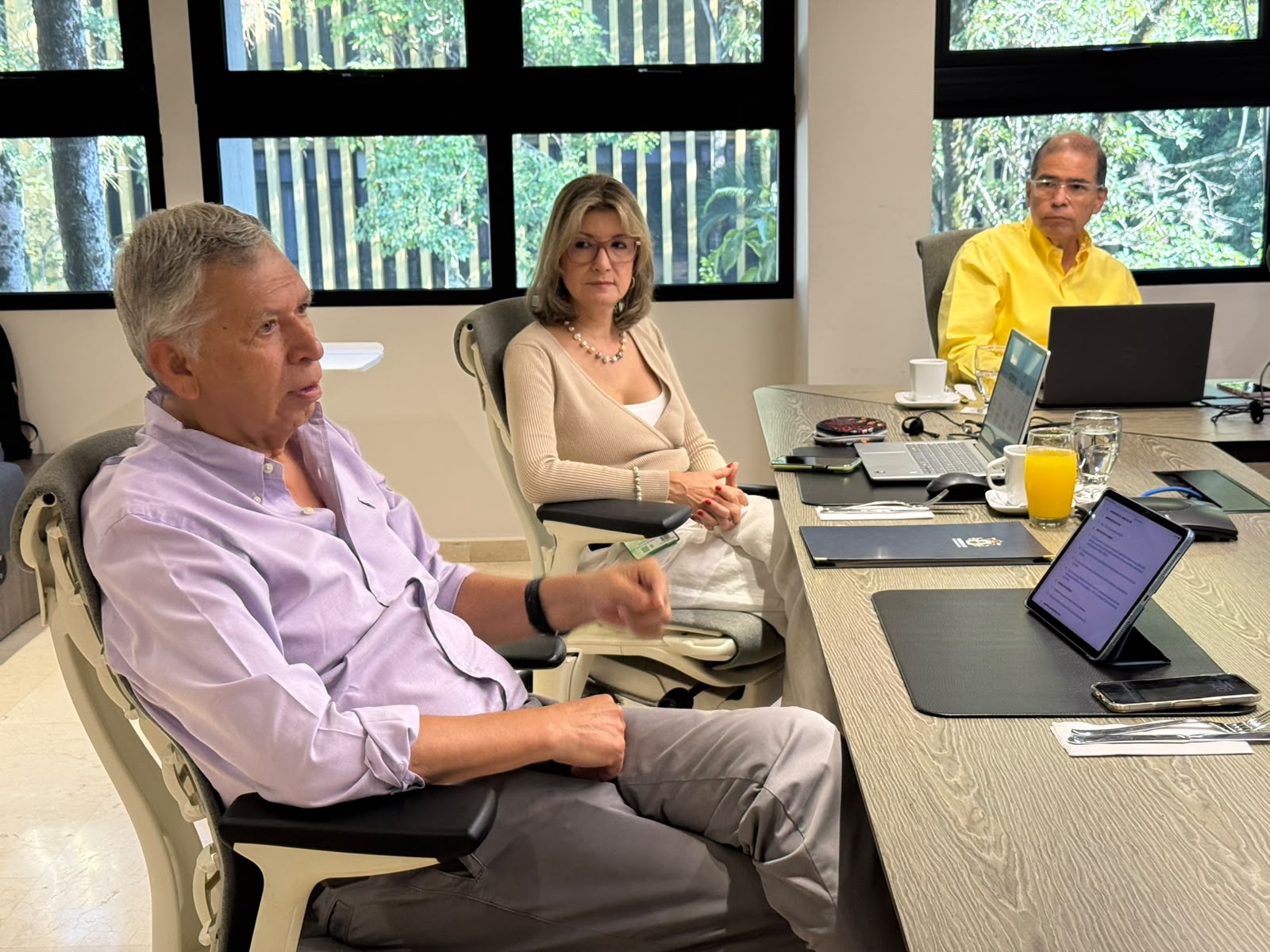
The day concluded with a talk entitled “Connecting science and politics: scientific diplomacy in Ibero-America and Colombia,” which reflected on the milestones and challenges of this field in the country.

“In Colombia, we are leaders in scientific diplomacy. We want to continue advancing and showing how science and politics are linked, as well as the actors involved in shaping this policy in the country,” explained Luisa Fernanda Villamizar, deputy director of International Relations at ASCUN.