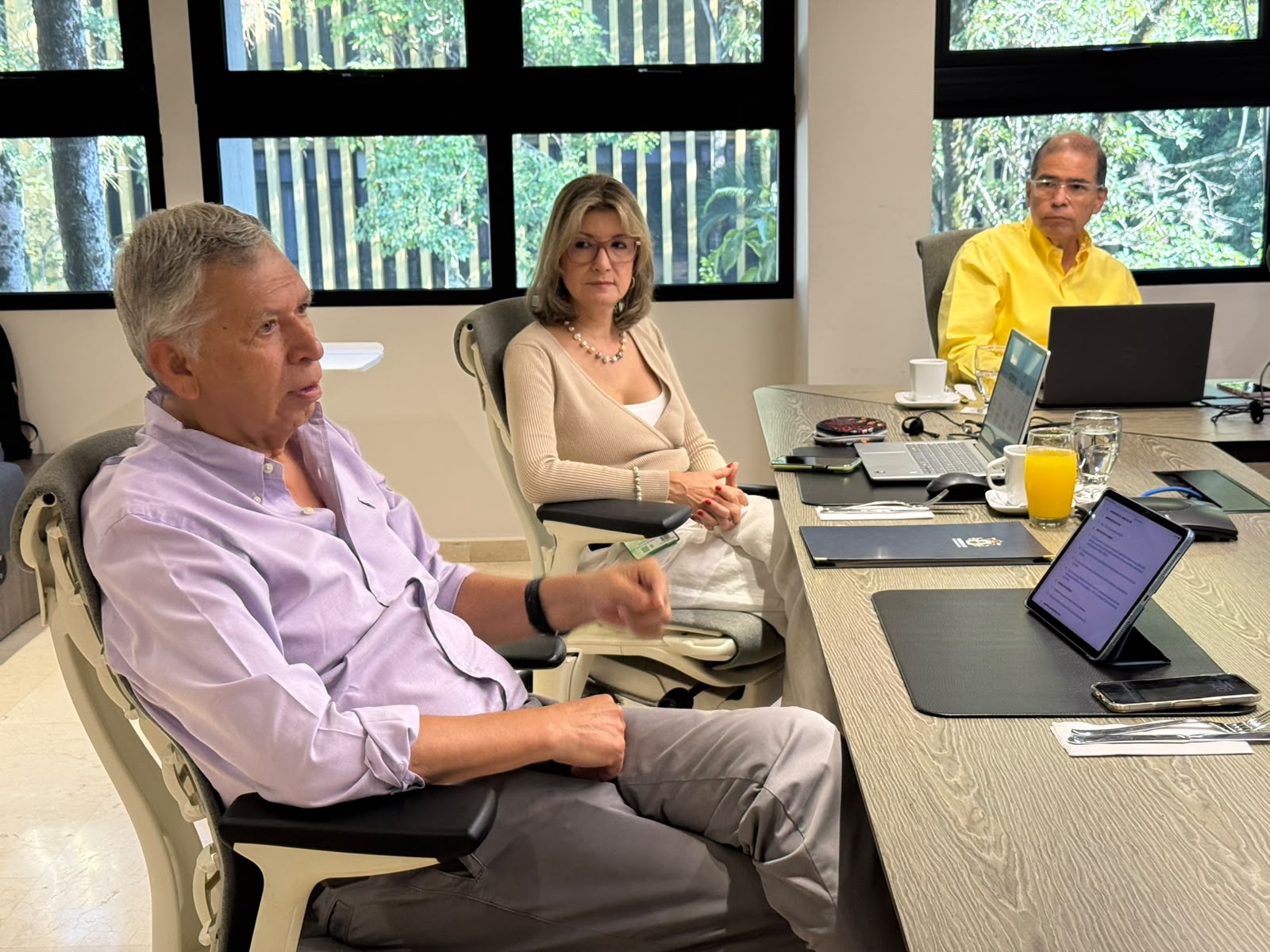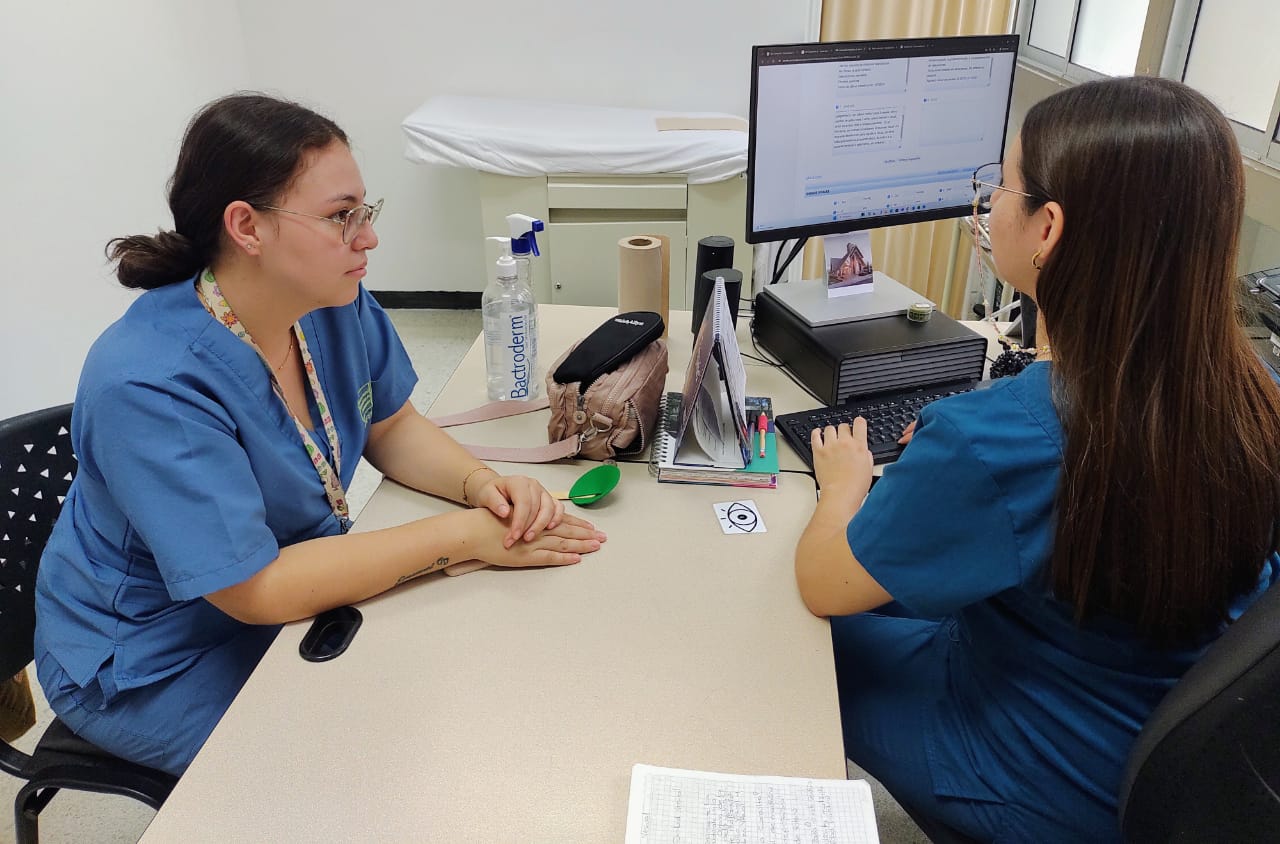


Through the development of various sessions and thematic roundtables, the Universidad Industrial de Santander (UIS) is making progress in updating its Inclusive Education Policy. This process, led by the Office of the Vicerrectoría Académica, aims to strengthen institutional actions focused on ensuring equitable and high-quality higher education.

“For many years, the Universidad Industrial de Santander has been committed to inclusive education. However, we are now updating our existing policy in light of national regulations to adjust all educational, infrastructure, and technological processes, among others. Our goal is to provide the right conditions for students with special needs so they can experience a productive, happy, and fulfilling academic journey. At the same time, it is essential that professors have strong tools that enable them to help students achieve their goals, and that administrative staff offer service aligned with students’ specific needs,” said Vicerrectora Académica Olga Mercedes Álvarez Ojeda.

Psychologist, Specialist in Special Educational Needs, and Master in Neuropsychology and Education, María del Pilar Pinzón Rueda, Director of the Unicorn Foundation, has guided the various activities. She has emphasized the importance of UIS adopting the Universal Design for Learning (UD) framework a pedagogical model that helps overcome barriers by rethinking teaching and learning to ensure that all students have equal opportunities for success.
“We have been training professors, supporting administrative areas, and working with the Office of Student Welfare and other programs related to inclusion. Our objective is to identify the five-year actions needed to make this policy viable and truly effective,” added the expert.

Regarding the legal foundation of the Inclusive Education Policy, she explained: “Inclusive education processes at the University are guided by the Convention on the Rights of Persons with Disabilities. Institutionally, this is reflected in the guidelines for higher inclusive education and in Decree 1421 of 2017, since many beneficiaries of that decree are already in higher education. Therefore, we must implement actions based on Universal Design for Learning and individualized plans for reasonable adjustments.”
Professors and professionals from various academic and administrative units have joined the training and thematic roundtables to contribute to topics such as access, retention, and graduation; teaching and learning methodologies; environmental and accessibility conditions; and teacher training and roles.

“We are very optimistic. In similar processes around the world, there has often been strong resistance to change. However, here at UIS we have found openness, willingness to learn, and a genuine desire among professors to improve their knowledge and support students. That motivates us to continue and strengthen this process,” said Natalia del Mar Díaz Pinzón, professor in the Departamento de Pediatría and SEA monitor.
It is worth recalling that, through Consejo Académico Agreement No. 032 of 2019**, UIS established its Inclusive Education Policy. The current update process calls for the active participation of all units and members of the university community.

“Indeed, everyone at the University must be highly aware, empathetic, and open-minded so that all our students receive humane and appropriate treatment according to their needs. Each of us, from our respective roles, is essential to the implementation of this policy. We must recognize that we have students with diverse abilities and disabilities, including physical ones, who must be fully included in our educational process so they never feel at a disadvantage compared to their peers. Let us remember that academic excellence not only means fostering intellectual and personal growth, but also ensuring that no one is left behind,” concluded Vicerrectora Académica Olga Mercedes Álvarez Ojeda.