

With the aim of strengthening research and extension strategies across the regions, the Vice Rector’s Office for Research and Extension visited the UIS Barbosa Campus as part of the Universidad Industrial de Santander’s Territorial Agenda with a Differential Approach.
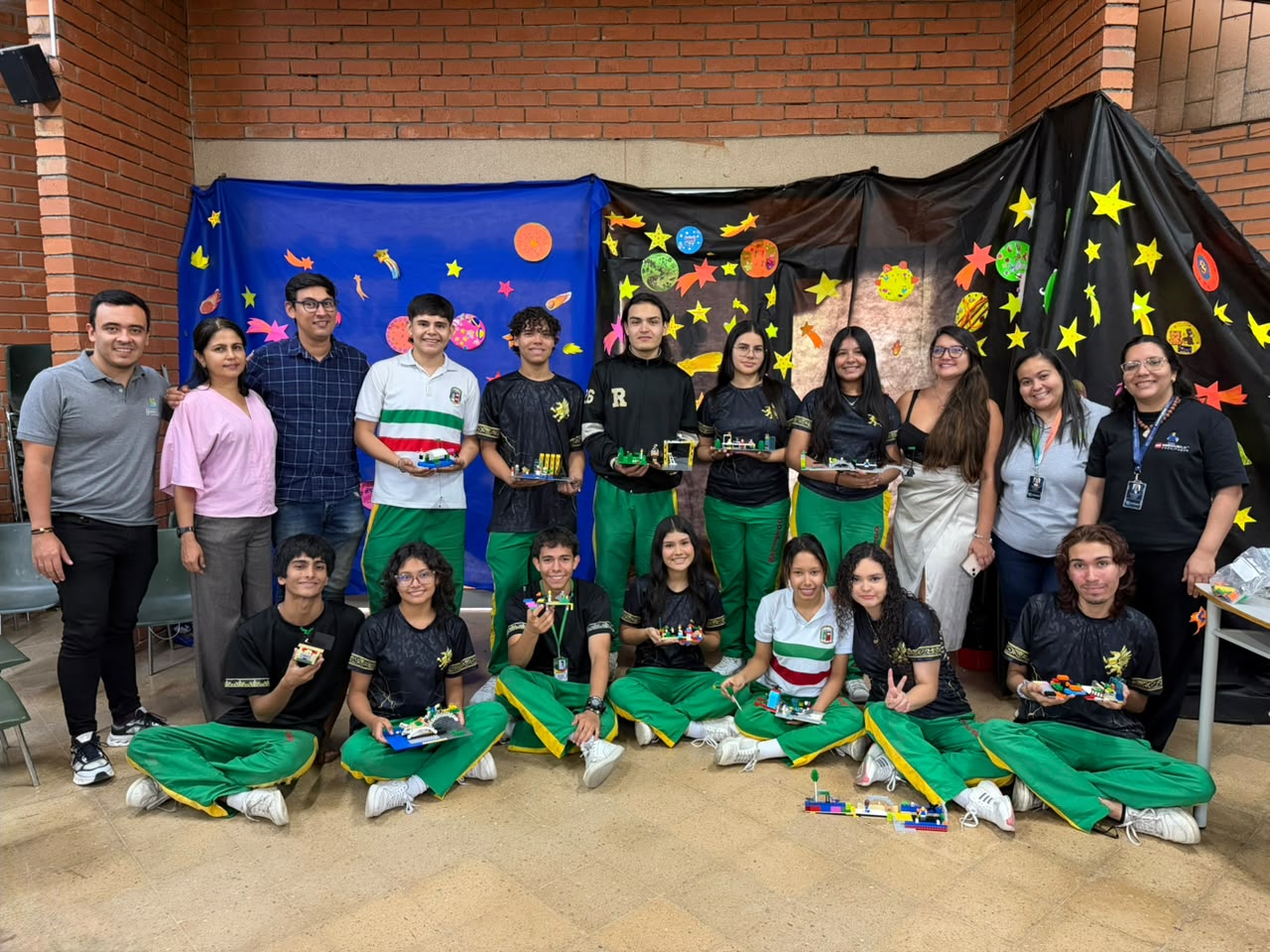
On this occasion, the Vice Rector for Research and Extension, Cristian Blanco Tirado, together with the Research and Extension Directors from the faculties that make up the Operating Committee for Research and Extension (COIE),held a session at the campus and presented the Research and Extension Strengthening Plan to the university community. This space provided an opportunity to share its strategic pillars, benefits, and support mechanisms, aimed at fostering the creation and consolidation of research seedbeds, as well as the development of new capacities.


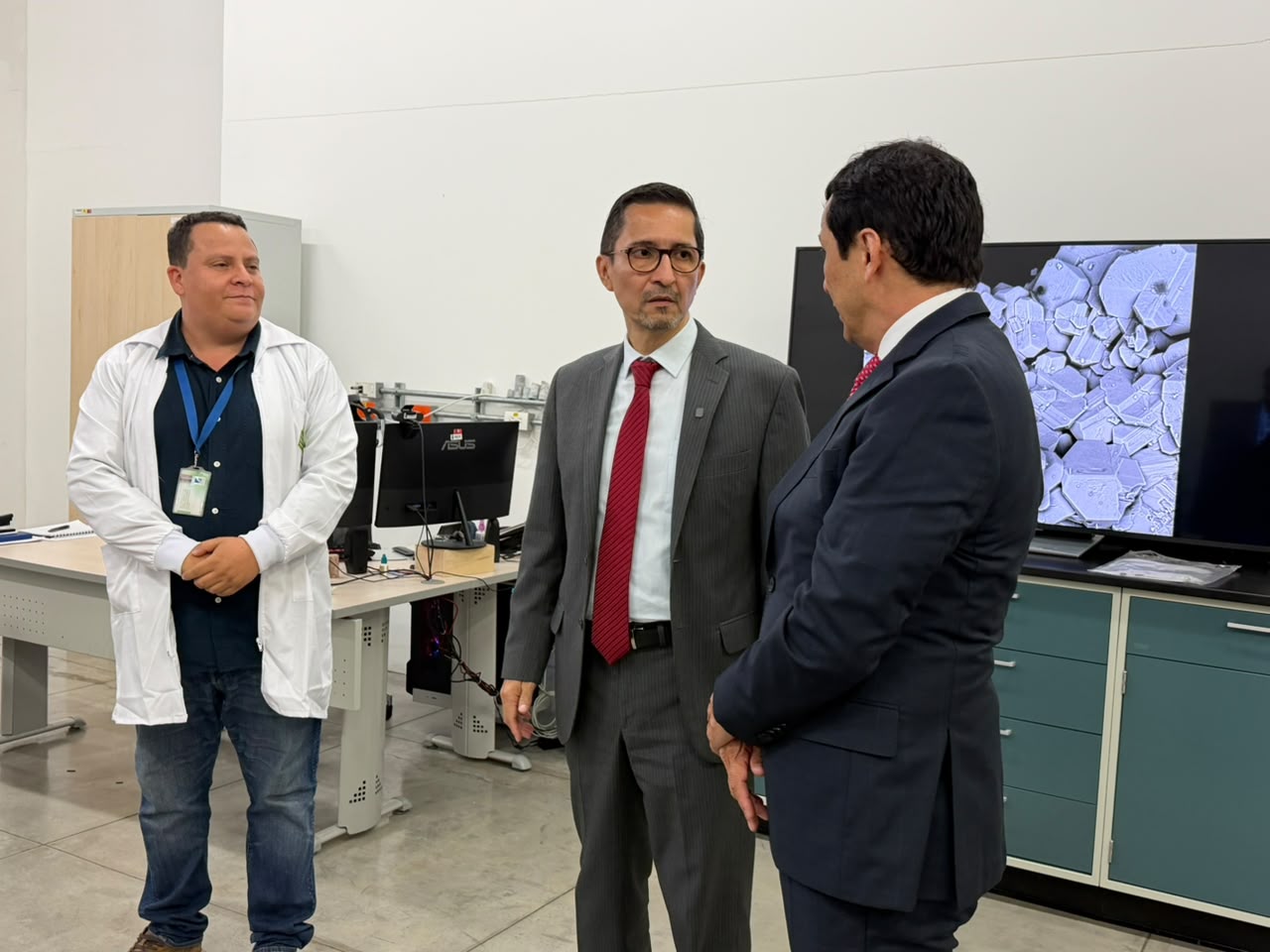
Additionally, the Research and Extension leadership met with faculty members at the campus to gain first-hand insight into the work being carried out and to define strategies to strengthen these efforts from a territorial perspective.
As part of the agenda, dialogues were also held with key stakeholders and institutions such as AGROSAVIA, the Bucaramanga Chamber of Commerce, citizen oversight groups, and representatives from the business sector. These spaces promoted collaboration between academia, the productive sector, and the community, facilitating the joint development of context-relevant alternatives for regional development. The Dean of the Faculty of Human Sciences, Luis Fernando Arévalo, also took part in these meetings, supporting the territorial dialogues.
Vice Rector Cristian Blanco Tirado highlighted the importance of bringing institutional efforts to the regions: “We decided to hold the COIE session at the UIS Barbosa Campus because we are highly interested in bringing the University’s research and extension capacities closer to the regions. During this session, several projects presented by the campus were approved, focusing on delivering technology and knowledge to communities, as well as strengthening literacy skills and the use of information technologies.”
He also emphasized the campus’s potential for research development and its regional impact:
“Our plan is to strengthen research seedbeds and move forward in consolidating research groups that contribute to regional development. The University’s commitment is to work in an articulated manner to respond to the needs of the territory”.


Within this session, initiatives related to academic mobility were also approved, enabling students and faculty members to participate in national and international events, showcasing UIS research outcomes.
“In recent weeks, we have approved nearly 60 mobility initiatives, reflecting our academic community’s strong interest in projecting its work globally,” the Vice Rector added.
For her part, Luz Marina Ballesteros Rueda, Director of Research and Extension at the Faculty of Physicochemical Engineering, highlighted the value of these spaces in the regions:
“It is a pleasure to be at the Barbosa Campus. We have initiated these dialogues and found a strong interest in strengthening research seedbeds and advancing the creation of research groups. We see meaningful work being carried out from the campus toward the territory, which motivates us to continue consolidating these initiatives.”
She also noted that this visit is part of a broader institutional strategy:
“We are working on defining strategies to strengthen research in the regions. Barbosa is the first stop on this journey and leaves us with a very positive impression due to the strong commitment of its community.”
This visit marks a milestone as the first outreach of the Vice Rector’s Office in 2026, as part of a broader agenda that includes visits to other regions where the University has a presence, reinforcing its institutional commitment to bringing academia closer to the territories and fostering collaborative processes with communities, the productive sector, and local institutions.