
The diagnostic from Santander Visión 2050 warns about oil dependency, limited economic diversification, and fiscal vulnerability as key structural challenges for the department’s future development.
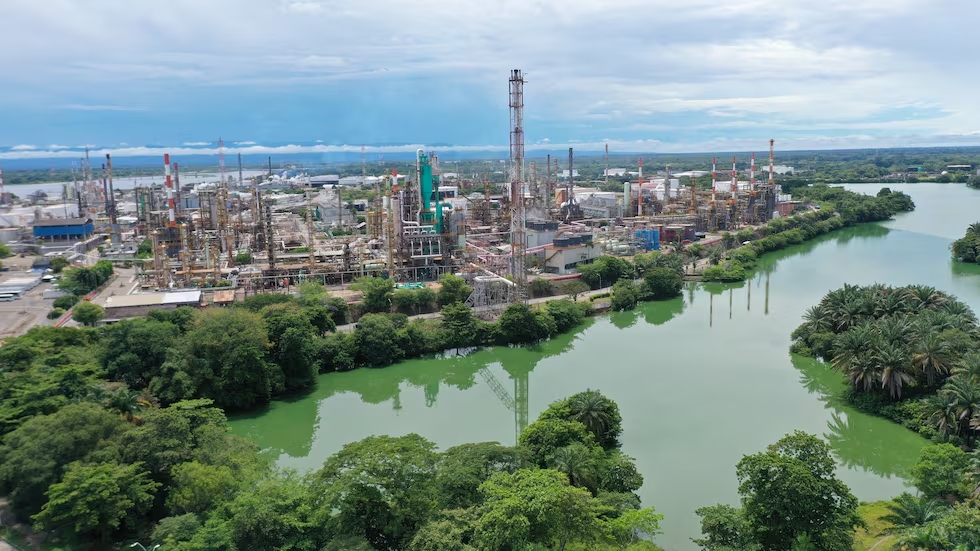
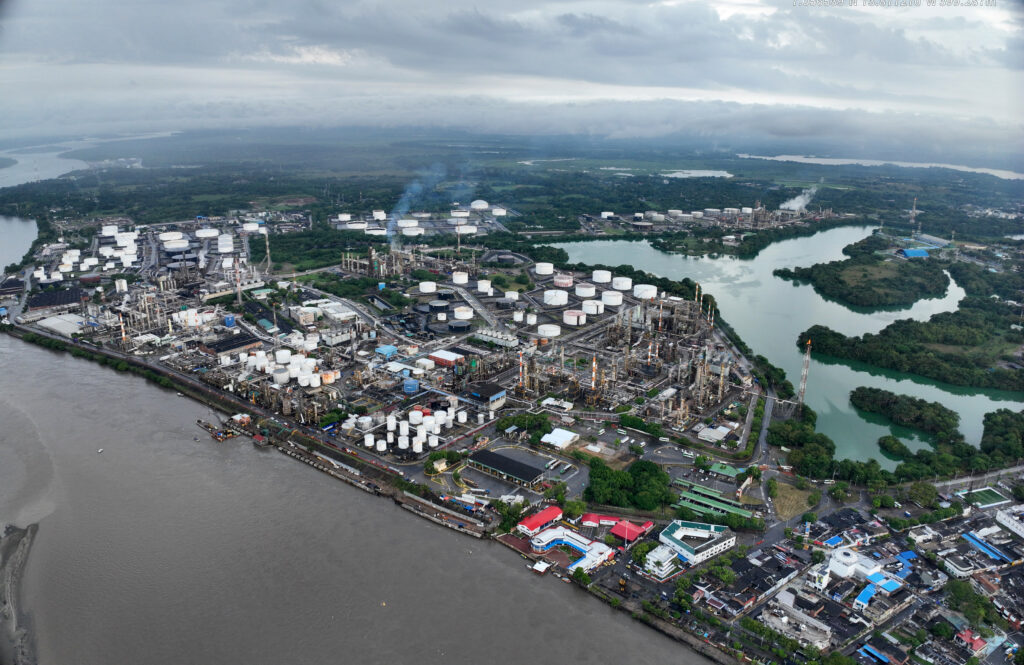
For decades, oil was one of the main drivers of Santander’s economic growth. Refining activity in Barrancabermeja, royalty revenues, and the economic dynamics linked to the hydrocarbons sector supported regional development and helped consolidate employment and investment throughout much of the 2000s.
However, the findings of the territorial diagnostic from Santander Visión Prospectiva 2050 reveal that this model is losing strength and now raises one of the most important questions for the region’s future: how to build new sources of growth before oil dependency becomes a structural constraint.
According to the study, the real issue is not only the decline of oil activity, but the lack of economic diversification that remained hidden during years of boom.
The end of oil dependency
Data show a significant transformation in the department’s economic structure. While in 2011 the mining and energy sector accounted for 8.4% of Santander’s Gross Domestic Product (GDP), by 2024 its share had fallen to 2.5%.
This decline is accompanied by a significant reduction in oil and gas reserves over the last decade, as well as weaker economic performance. Between 2006 and 2014, Santander grew above the national average; however, since 2015 the trend has reversed, and the department has consistently grown below the country’s average.
The diagnostic highlights that this situation is unfolding within a global context of energy transition and the progressive reduction of fossil fuel dependence, a process that will force resource-dependent regions to redefine their development strategies.
An economy that failed to diversify
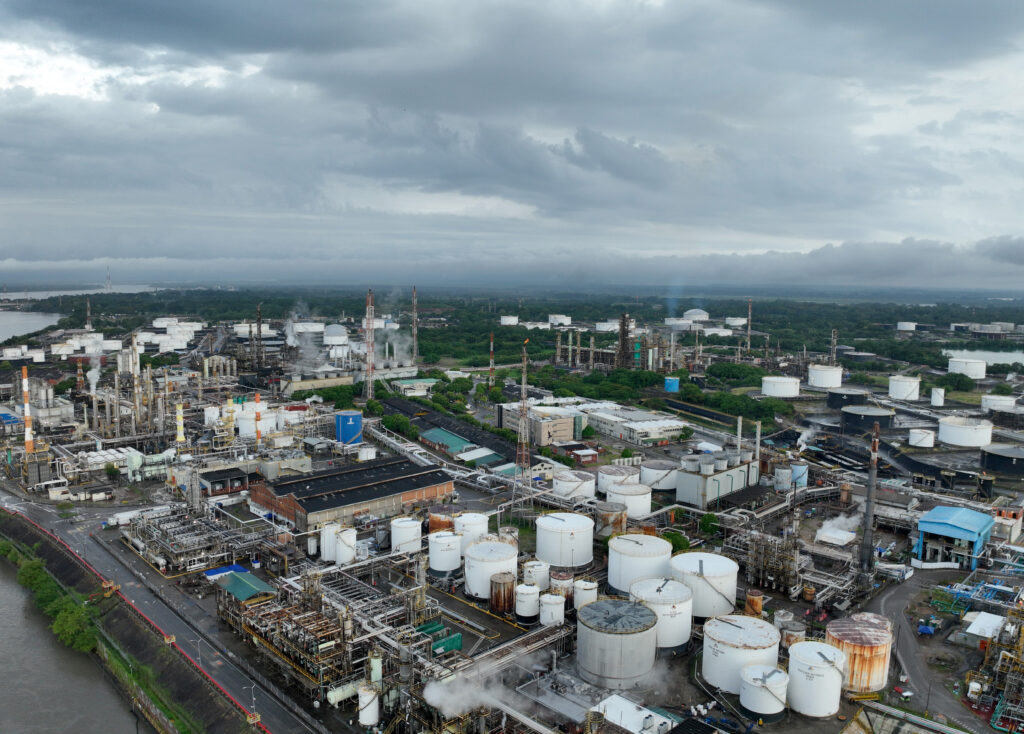
The study also shows that Santander remains highly dependent on oil and its derivatives, which account for more than half of its exports.
At the same time, the manufacturing sector has lost ground within the regional economy, and exports of medium- and high-technology goods remain limited. This restricts the department’s ability to compete in more sophisticated, value-added markets.
Another key finding is the structure of the business sector. Around 96.6% of firms are microenterprises, while medium and large companies represent less than 1% of the total.
This structure limits innovation capacity, productivity growth, and the development of complex value chains.
Researchers involved in Santander Visión 2050 describe this situation as a “low-complexity trap”: economies that rely on traditional activities and struggle to transition toward knowledge- and technology-intensive sectors.
Municipalities with low fiscal autonomy
Economic dependency is also reflected in territorial finances.
The diagnostic reveals that more than 90% of municipalities in Santander belong to the lowest fiscal category, meaning they have limited own-source revenues to finance their basic operations. In addition, 83% depend heavily on national government transfers.
The fiscal situation becomes even more critical when analyzing risk levels: more than half of the municipalities face some degree of financial vulnerability, and without extraordinary funding sources, many would struggle to maintain balanced budgets.
These findings show that much of the territory lacks sufficient fiscal autonomy to withstand a scenario of declining revenues linked to extractive activity.
Innovation and knowledge: the opportunity to transform Santander
Despite these challenges, the diagnostic highlights important strengths that could form the foundation of a new development model.
Santander ranks highly in educational performance, hosts more than 300 active research groups, and is home to academic institutions recognized nationally for their scientific and technological output.
However, the study identifies a gap between scientific capacity and productive structure. Although knowledge is being generated, it is not yet fully translated into large-scale innovation or the creation of new high-value economic sectors.
Bridging this gap is one of the key challenges for the coming decades.
Building the economy of the future
Against this backdrop, Santander Visión Prospectiva 2050 proposes the need for a productive and energy transition that reduces dependence on hydrocarbons while avoiding negative social impacts in regions historically reliant on this sector.
The proposal includes strengthening sectors such as clean energy, bioeconomy, the digital economy, knowledge-based services, and a new sustainable industry capable of generating employment, innovation, and competitiveness.
According to researchers, the transition is already underway. Question is not whether it will happen, but how to take advantage of it to build a more diversified, resilient economy prepared for future challenges.
The diagnostic leaves an open question for Santander: if oil has been the engine of regional development for decades, which sectors will drive the department’s growth toward 2050? The answer will depend on the decisions made today.