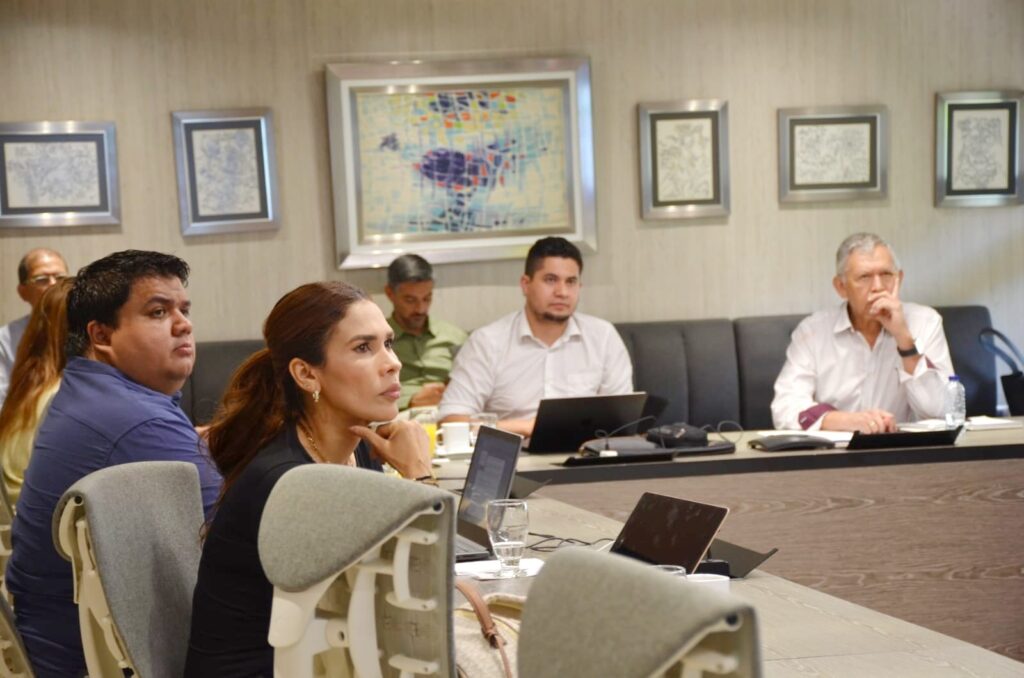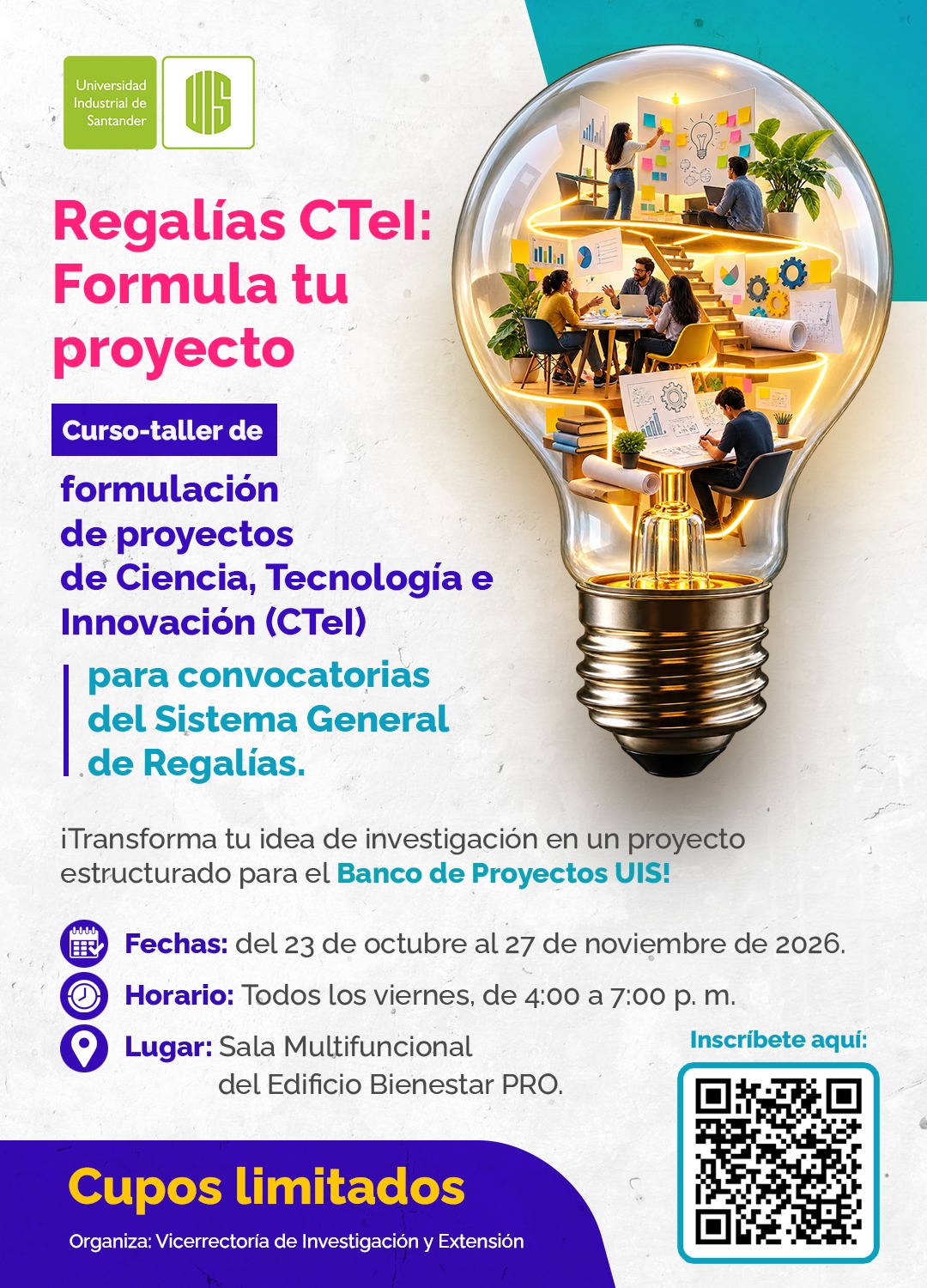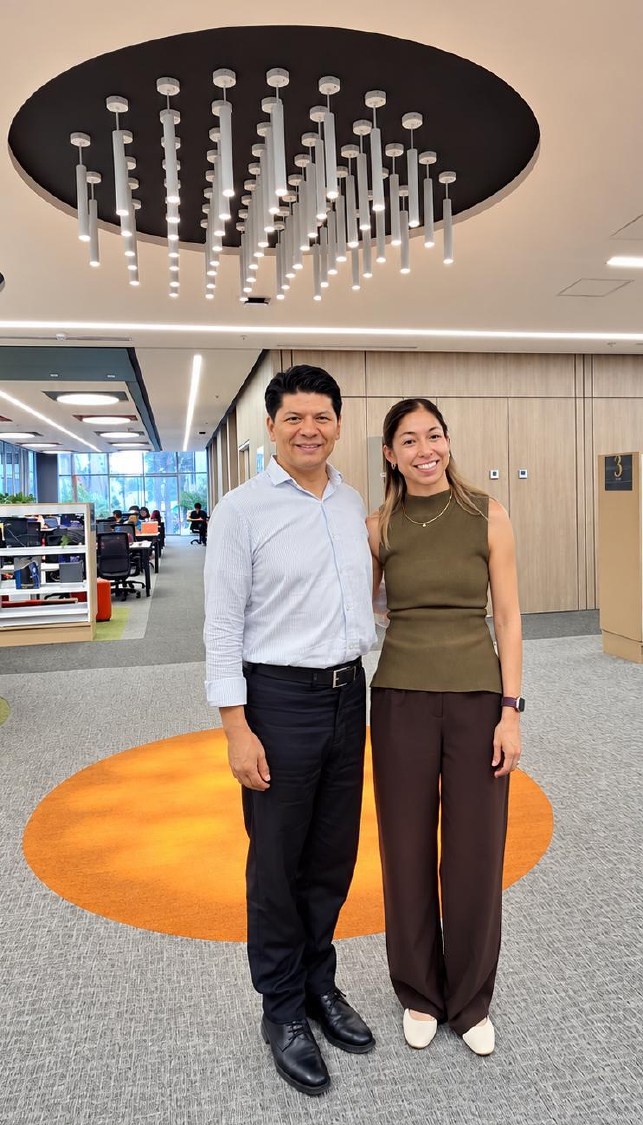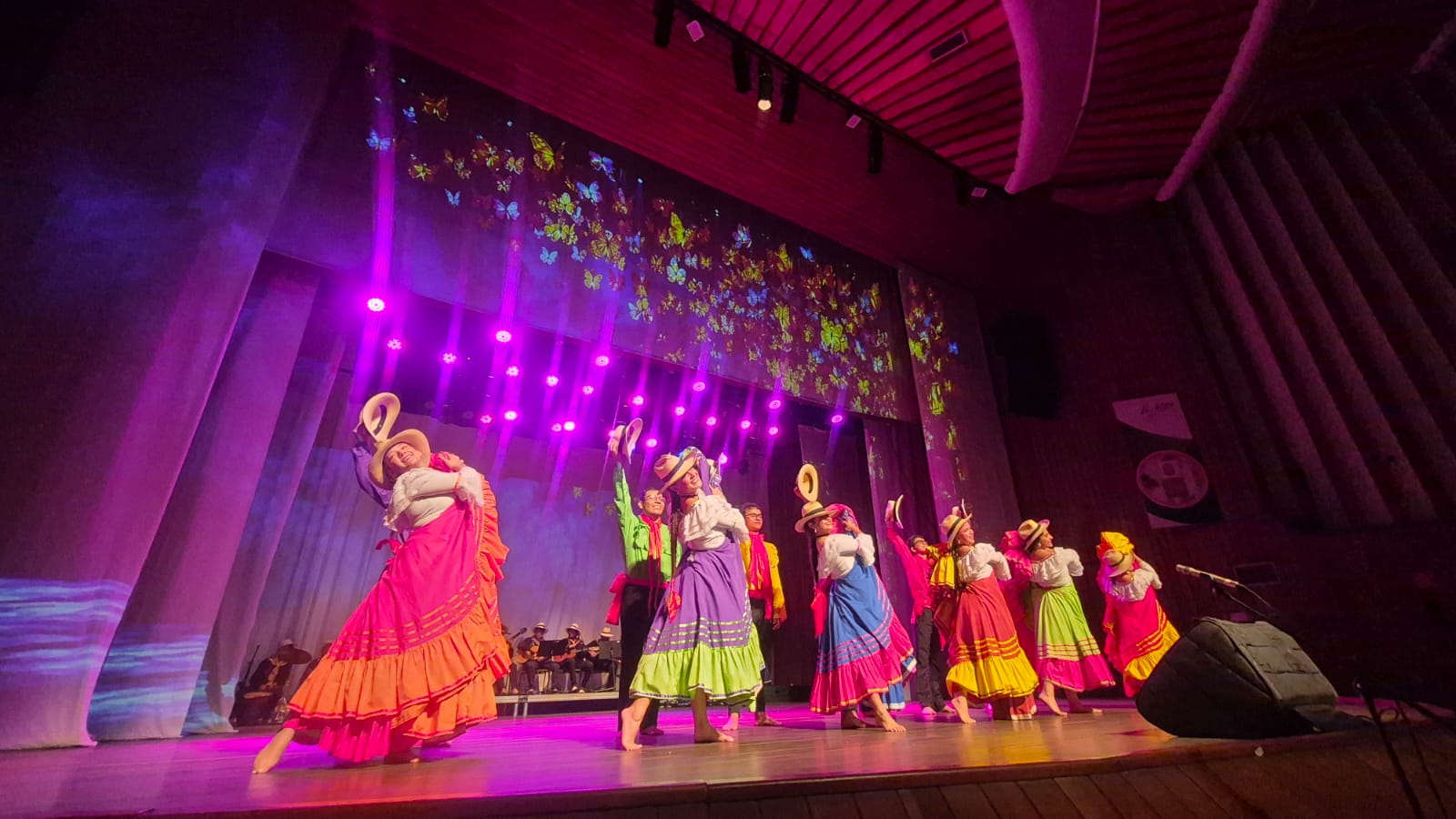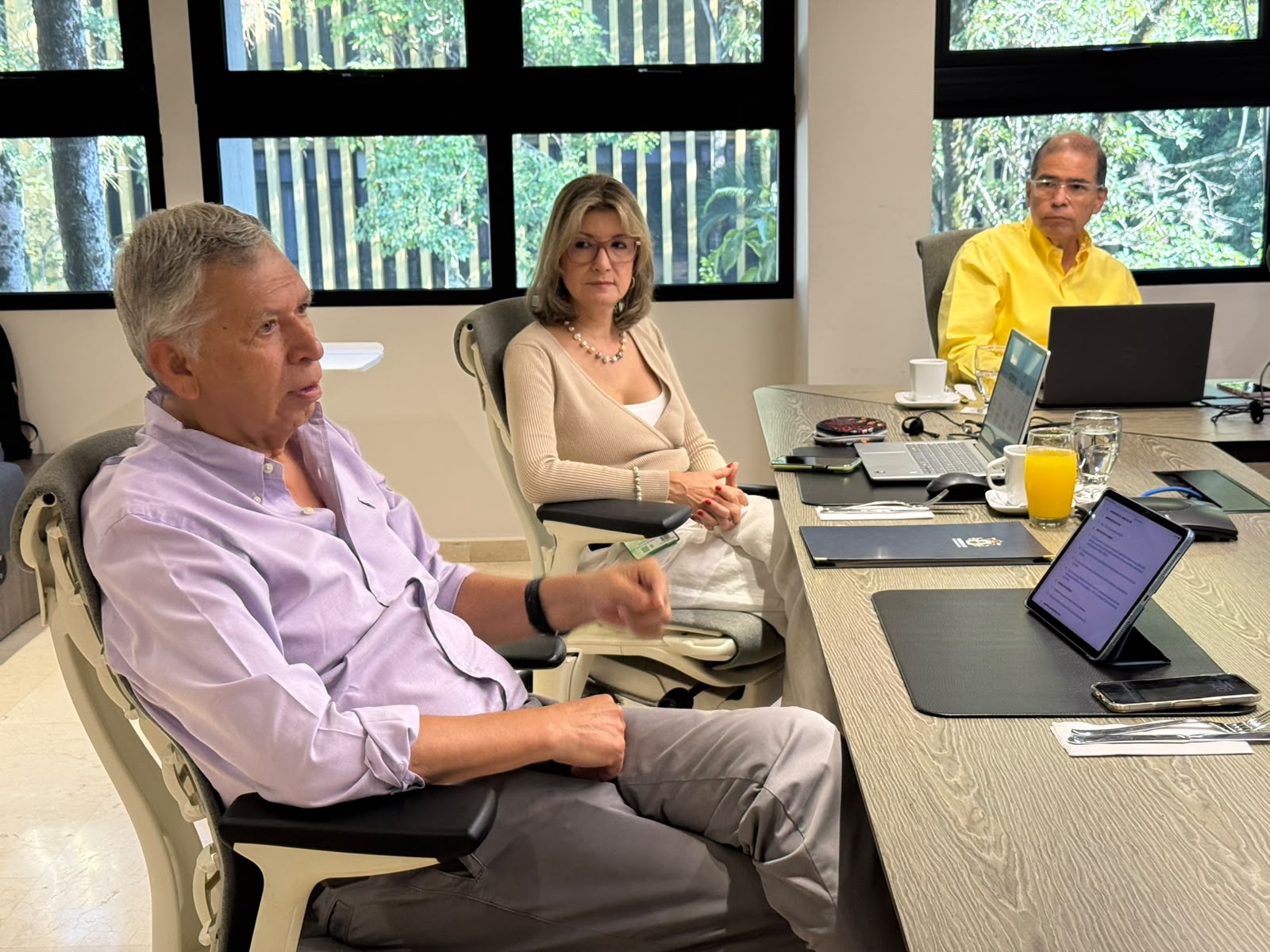

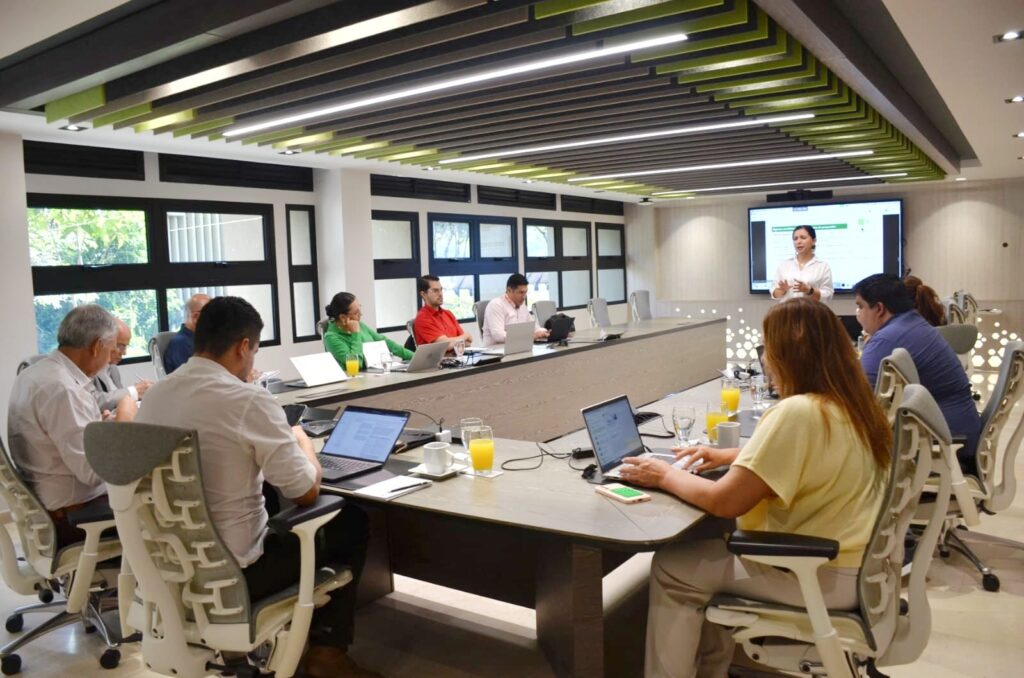
Universidad Industrial de Santander (UIS) continues to consolidate significant institutional transformations. During the regular session of the Board of Trustees, board members reviewed the progress of faculty and administrative workforce formalization processes and toured the construction site of the new School of Physical-Mechanical Engineering building, one of the most important infrastructure projects currently being carried out by the institution.
One of the most significant topics discussed during the session was the presentation of the preliminary results of the faculty and administrative workforce formalization competition, an initiative aimed at strengthening the University’s human talent and providing greater job stability.
UIS Vice President for Academic Affairs, Olga Mercedes Álvarez, highlighted that the faculty workforce formalization process is in its final stage and has attracted broad participation from professors affiliated with the institution.
“Of the 45 individuals included on the eligibility list, 33 are UIS professors and 12 are external candidates. Of the 13 positions offered, 12 were filled by University professors, including temporary faculty and adjunct lecturers,” she explained.
The academic leader noted that this outcome represents a significant step forward for academic quality and institutional strengthening.
“This allows professors who have dedicated their lives to teaching to access better working conditions and job stability, enabling them to focus their efforts on student education and the strengthening of research,” she added.
Tour of the New School of Physical-Mechanical Engineering Building
As part of the agenda, members of the Board of Trustees toured the new School of Physical-Mechanical Engineering building, a facility spanning more than 25,000 square meters. The building will feature four floors, a basement level, a rooftop terrace equipped with solar panels, 28 specialized laboratories, spaces for research groups, conference rooms, coworking areas, and academic and administrative offices.
Designed to strengthen the University’s scientific and technological capabilities, the project has become one of the institution’s most important investments for advancing education and research in strategic areas for both the region and the country.
National Government Highlights Investments in UIS
During the session, Juan Carlos Bolívar Sandoval, delegate of the Minister of National Education to the Board of Trustees, presented an overview of the contributions made by the National Government over the last four years to strengthen public higher education and, in particular, the Universidad Industrial de Santander.
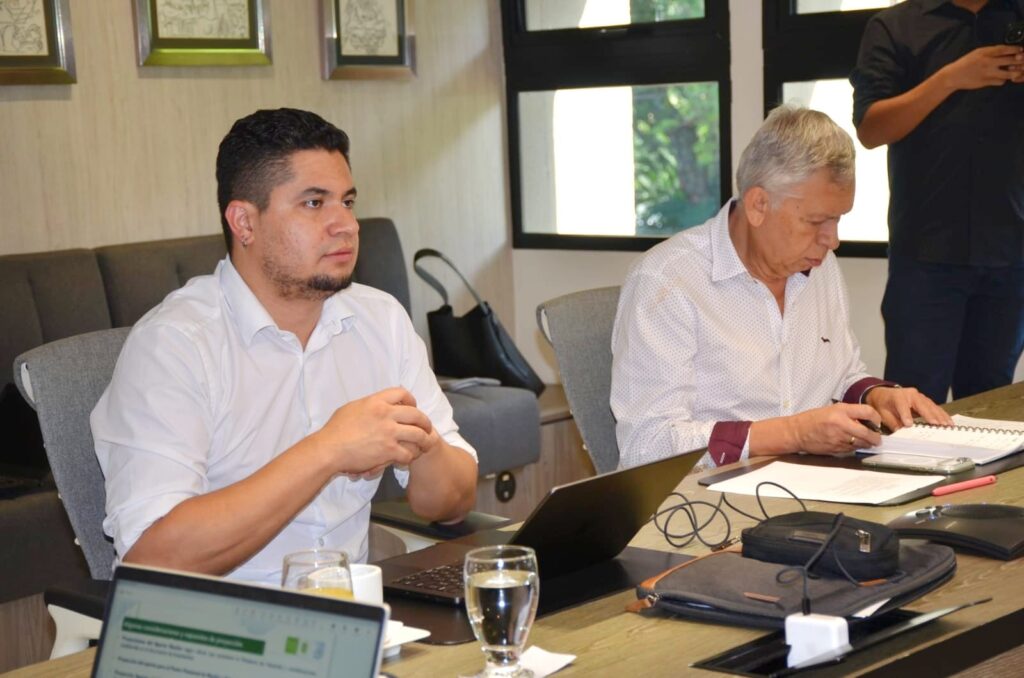
The official highlighted funding secured for strategic projects such as the School of Health Sciences, the strengthening of the Málaga campus, the Language Institute, the transfer of assets for institutional development, and the financing of the Physical-Mechanical Engineering building, which has reached approximately 96% completion.
“In addition to resources allocated for enrollment expansion, student welfare, quality enhancement, and strengthening the institutional budget base, the National Government has demonstrated remarkable generosity toward the Universidad Industrial de Santander. Today, we can speak not only of seeds that have been planted, but also of harvests that are already benefiting thousands of students,” he stated.
Bolívar also emphasized that investments in education are a fundamental tool for promoting regional development, strengthening productivity, fostering innovation, and creating greater opportunities for future generations.
University and Productive Sector Strengthen Alliances for Regional Development
For his part, Alejandro Almeyda Camargo, representative of the Productive Sector on the Board of Trustees, underscored the importance of workforce formalization as a strategy for further strengthening UIS’s academic excellence and highlighted the initiatives currently being developed jointly by the University and Santander’s business associations.
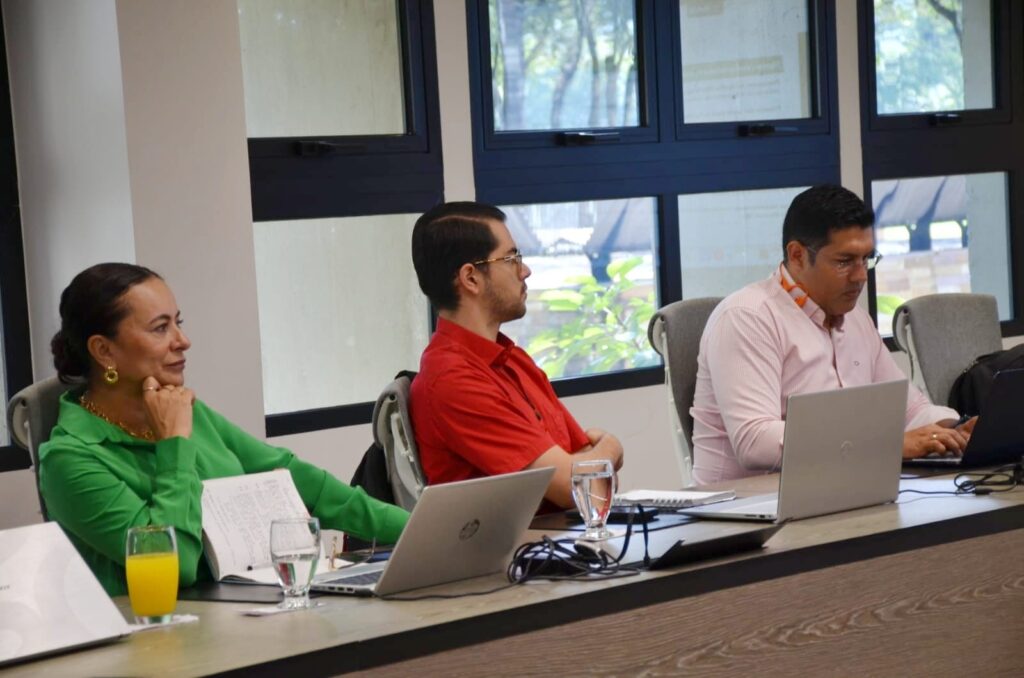
“The formalization of faculty and administrative staff positions is extremely important because it allows us to continue striving for the highest quality standards at the University,” he said.
He also highlighted the presentation of a comprehensive proposal promoted by the Inter-Union Committee of Santander to strengthen collaboration between academia and the productive sector.
“We have proposed projects focused on entrepreneurship, the popular economy, support for small shop owners and microentrepreneurs, bilingualism, and applied research connected to the productive sector. We want the knowledge generated by the University to be translated into concrete solutions for businesses and communities,” he noted.
According to Almeyda, these initiatives will help consolidate a closer relationship among academia, industry, and society, generating greater opportunities for innovation, competitiveness, and economic development in Santander.
With these advances, the Universidad Industrial de Santander reaffirms its commitment to strengthening public education, consolidating a more stable faculty workforce, modernizing its infrastructure, and building strategic partnerships that contribute to regional and national development.