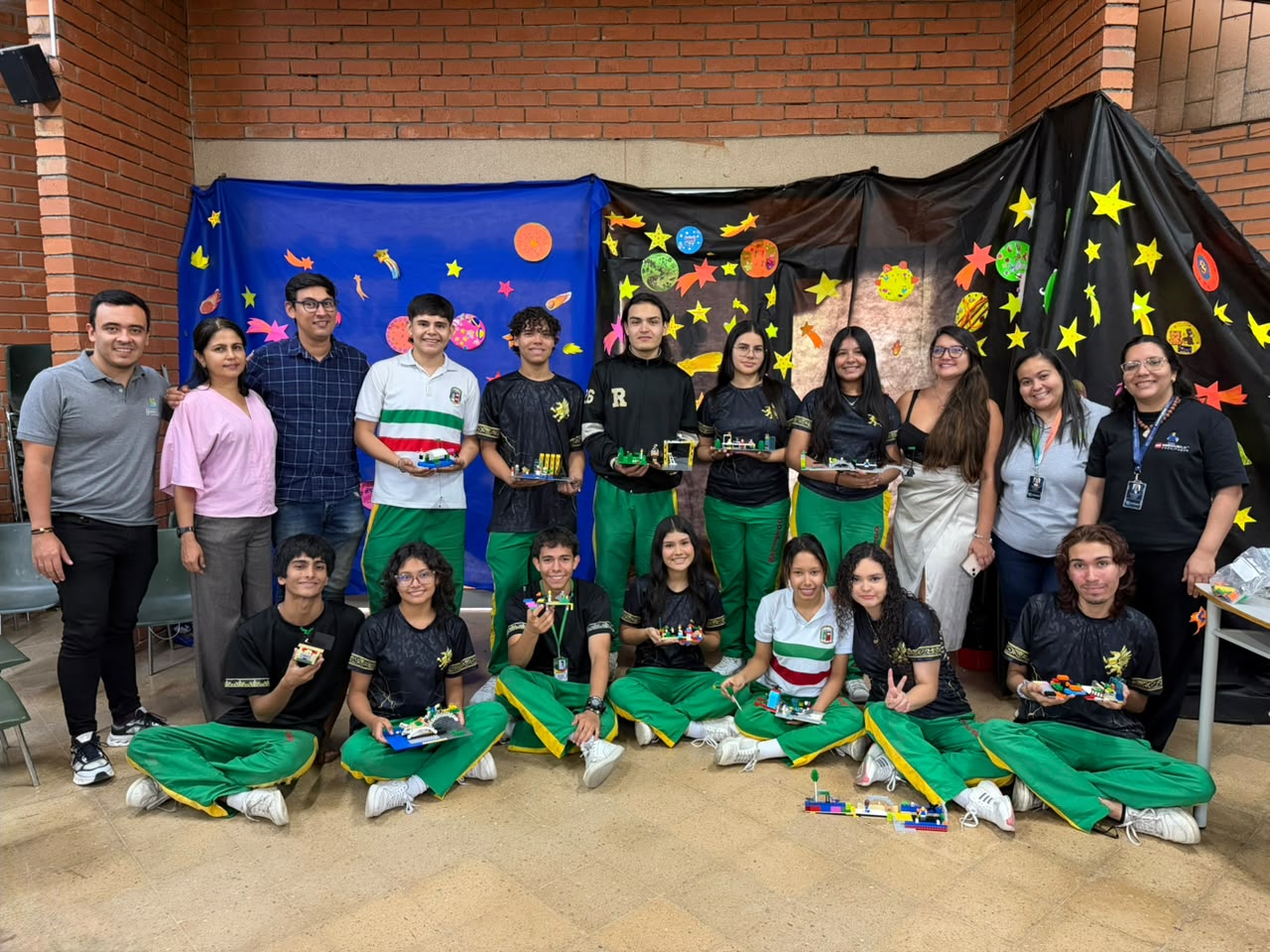


The edible mushroom workshop promoted by the Industrial University of Santander – Málaga Campus, through the Animal Husbandry program and the BIOSAN (Biotechnology and Food Safety) Research Seedbed, ended with great success.
More than 40 people from different municipalities in García Rovira and other regions of Santander participated in this pioneering initiative in the region, which took place over the weekend and offered comprehensive training on the world of mushrooms.
Professor Luisa Mendoza, who led the activity together with the BIOSAN seedbed, highlighted the wealth of knowledge gained.
“They learned everything from what a mushroom is and its macro and micro parts, to the exploration of the substrates required by each species, their sterilization, and the practical preparation of substrates. On the second day, we addressed issues of seed quality, harvest management, post-harvest, and the multiple uses of mushrooms, in addition to their consumption,” she explained.
Each participant had the opportunity to prepare and sow their own substrate, which they took home to continue the production and harvesting process.
The workshop also featured the active participation of students from the Animal Husbandry program linked to the BIOSAN seedbed, who also led talks on the topic of fungi.


In this regard, Stefanía Castellanos, a member of the seedbed, highlighted this type of initiative in favor of communities.
“I found the workshop on edible mushroom production waste to be a very enriching experience, both academically and personally. As a monitor for the BIOSAN seedbed, I believe it was a valuable opportunity, as it allowed us to understand the importance of making proper and sustainable use of the by-products generated in production processes.”
Eliana Jaimes, a workshop participant, highlighted the importance of this type of opportunity in the region.
“It was an excellent and very productive experience, because these are innovative workshops that show us how to make use of raw materials from the region, such as edible mushrooms, and give them an added value that we were previously unaware of,” she said.
The workshop also served as a circular economy space, where local enterprises whose raw materials can be used for mushroom production were shared.
The García Rovira region has a wide diversity of native species and optimal environmental conditions for the cultivation of Pleurotus ostreatus (oyster mushroom), an edible mushroom with high nutritional and commercial value.
It should be noted that the event was held in coordination with the Mayor’s Office of Malaga, which provided logistical support and certificates to each participant.
With this type of initiative, the UIS reaffirms its commitment to regional development, food security, and the promotion of sustainable production alternatives.