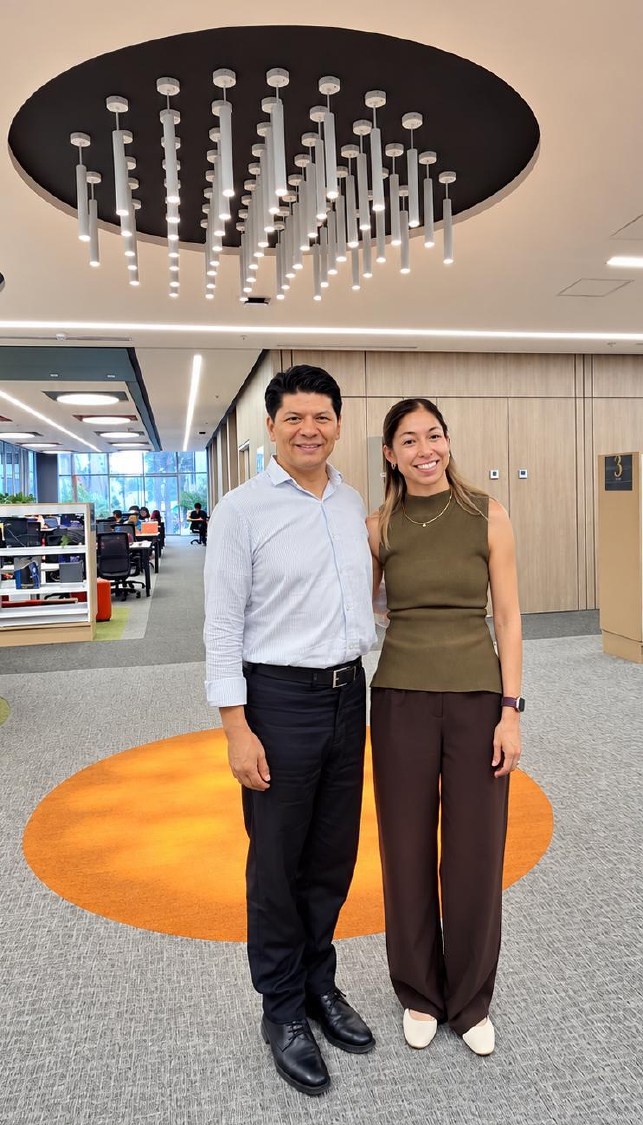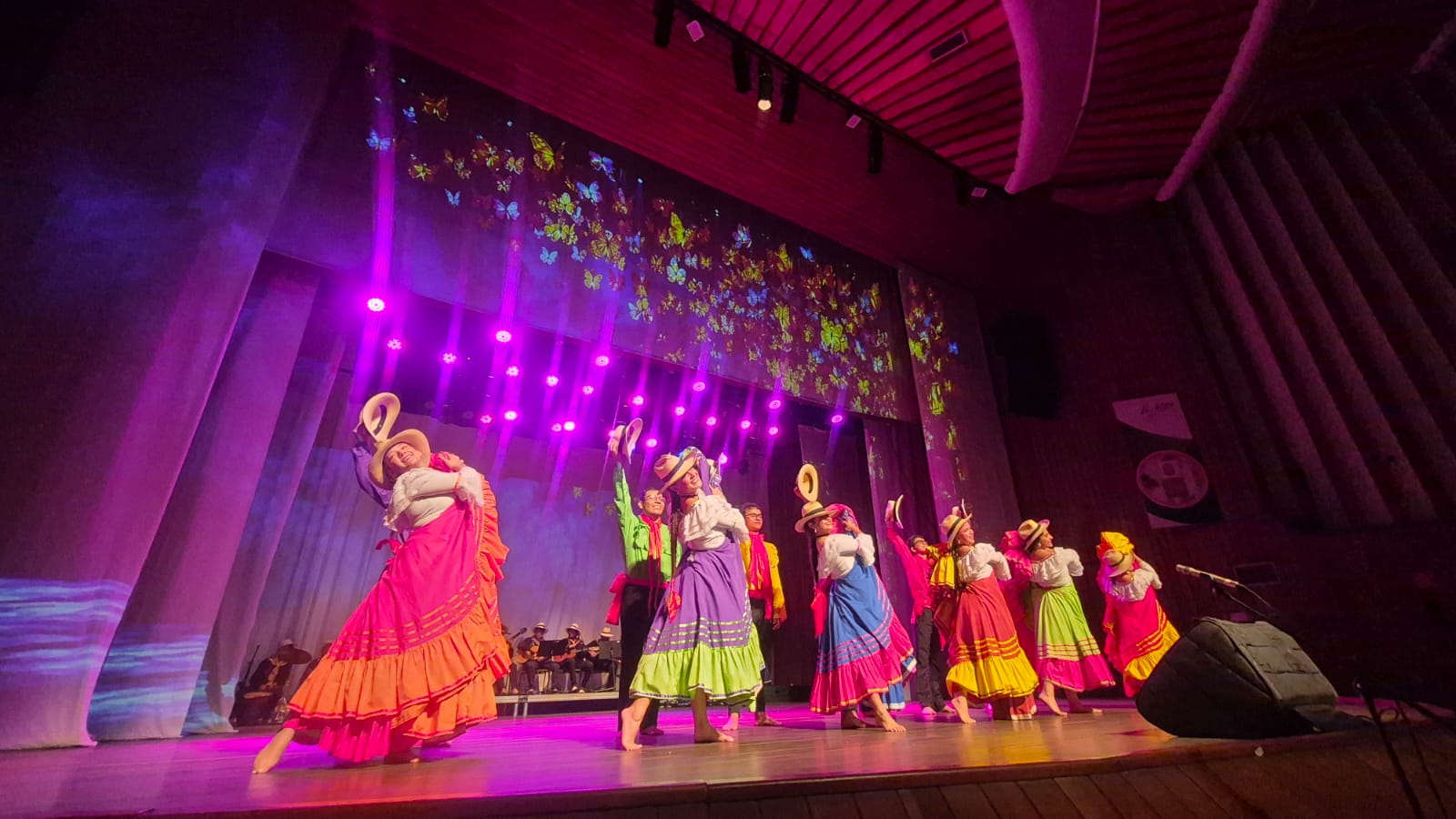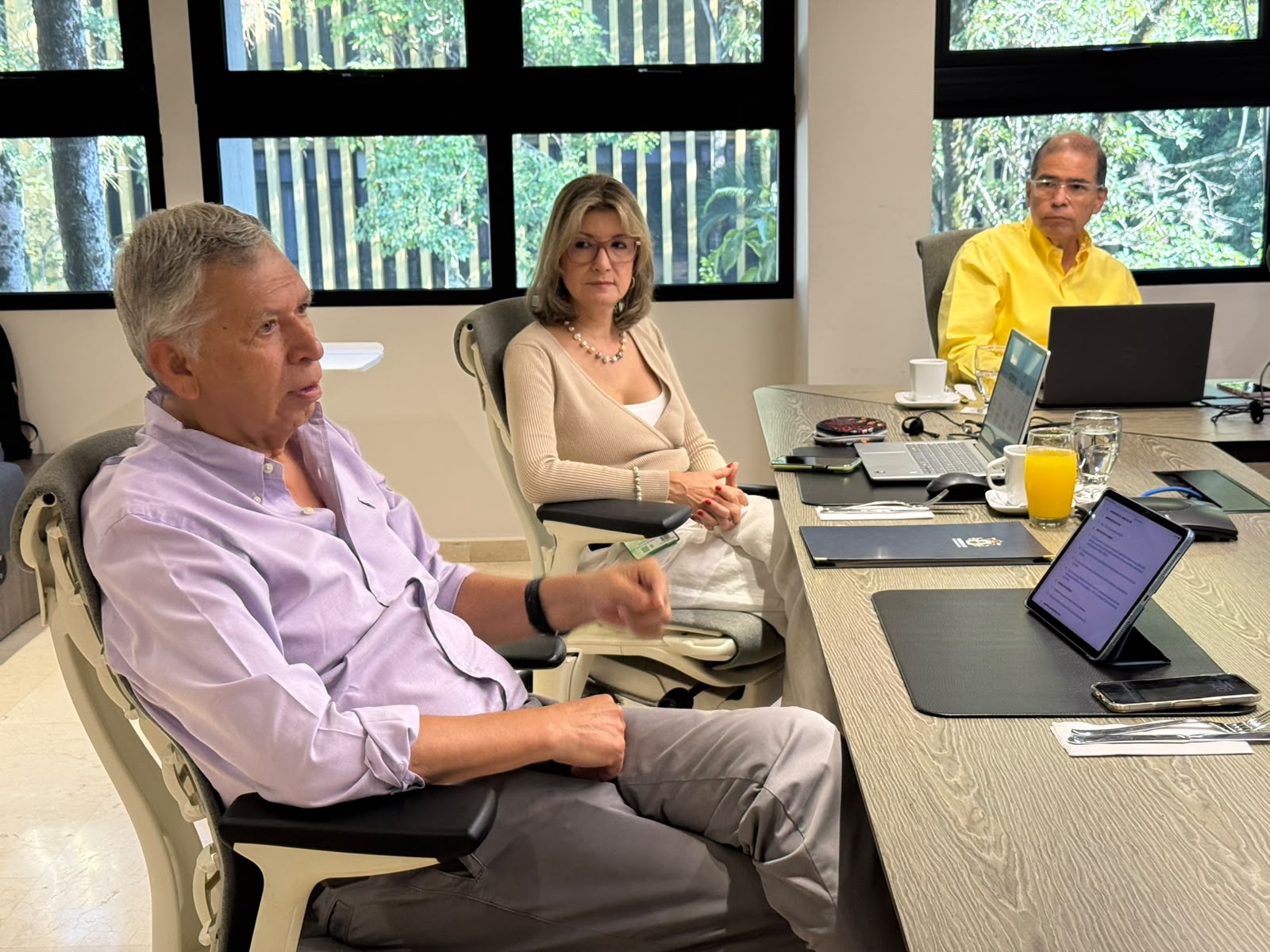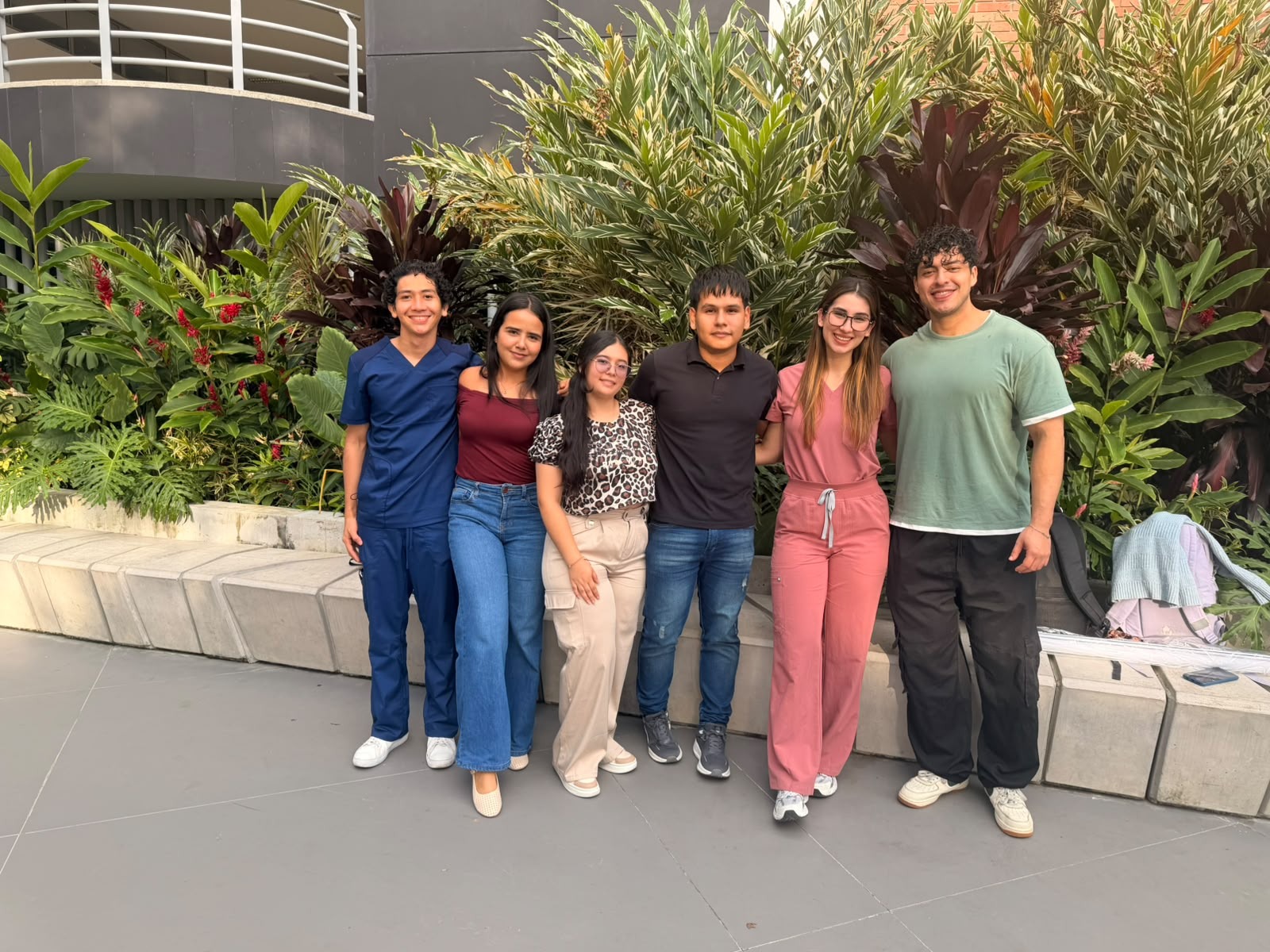


Dawn broke in Socorro amid the murmur of people getting ready to participate in the discussion. The chairs arranged in the auditorium of the Industrial University of Santander were soon filled with curious faces, peasant leaders, young entrepreneurs, women managers, and teachers who, with attentive eyes, waited to tell their stories. Thus began the second Tour of the Territories of the Santander Vision 2050 project, a three-day journey—October 28, 29, and 30—that took a team of eight professionals from the Industrial University of Santander (UIS) into the heart of the department to listen, learn, and dream with their communities.

Socorro y Charalá: el pulso de las provincias Comunera y Guanentá
In Socorro, cradle of history and rebellion, the conversation revolved around the opportunities and challenges facing the Comunera province. The communities spoke with hope, but also with concern: the uncertainty of young people about the future of their territories, the aging of the rural workforce, and the need to think about a productive model that transcends traditional agriculture toward agro-industry.
Later, in Charalá, the cobbled streets and mountains that surround the municipality witnessed spontaneous dialogues between the UIS team and residents. There, each conversation was a window into the feelings of a community that does not want to be left behind, that seeks a balance between its cultural legacy and the new dynamics of development.


Between mountains and highways: National Route 57
The journey continued along National Route 57, the road corridor that connects Santander with Boyacá and represents much more than just a highway: it is the road that could link the region’s economy, tourism, and mobility. As the kilometers passed, opportunities in road infrastructure were analyzed, along with how this road could become a key axis for the transformation of municipalities in the province of Guanentá.
The team stopped in Duitama, Villa de Leyva, and Moniquirá, where they discussed how the particularities of each territory, such as its history, customs, and geography, have also shaped the social and economic course of Santander.


Barbosa: el corazón del diálogo
The route continued to Barbosa, a thriving city in the province of Vélez, where the evening was filled with conversations and reflections. The second discussion of the tour took place there, a warm and participatory space in which the voices of local businesspeople, agricultural leaders, academics, and representatives of the tourism sector were heard.
Over cups of coffee and the murmur of the river, concerns were shared about the future, competitiveness, and sustainability of their territories. “We want to continue producing, but we need better roads, more support, and more opportunities for young people,” attendees said.


El Peñón: youth and hope amid the mist
The third day dawned shrouded in thick but luminous fog. It was the prelude to an encounter with an exemplary community: El Peñón, a municipality where young people have decided not to migrate, but to stay and build a future. There, young people are the protagonists of local development. They have created ecotourism companies, restaurants, and cultural spaces that not only boost the economy but also care for and preserve their natural environment.
The UIS team explored trails and reserves, such as the Geopark and Bosques de Pandora, La Tronera—also called El Corazón del Mundo (The Heart of the World)—and La Cueva de Oro (The Golden Cave), living examples of how sustainable tourism can be an engine of progress.


What the journey leaves behind
After three days of dialogue, miles traveled, and shared learning, the conclusion is clear: rural youth live with uncertainty, but also with the desire to transform their territories if given the opportunity. In terms of the agricultural sector, technical and political support is needed to make the leap to agribusiness. Similarly, sustainable tourism, especially when led by young people, is proving to be a viable option for local development. Above all, road infrastructure remains an urgent priority, as productivity and connections between provinces depend on it.
The tour of the Territories was not just a geographical journey; it was a human journey, one of encounter and listening, where each voice collected becomes a starting point for building a collective vision of the future. It is thus, by listening to the territory, that Santander will be able to imagine the 2050 that its communities dream of.