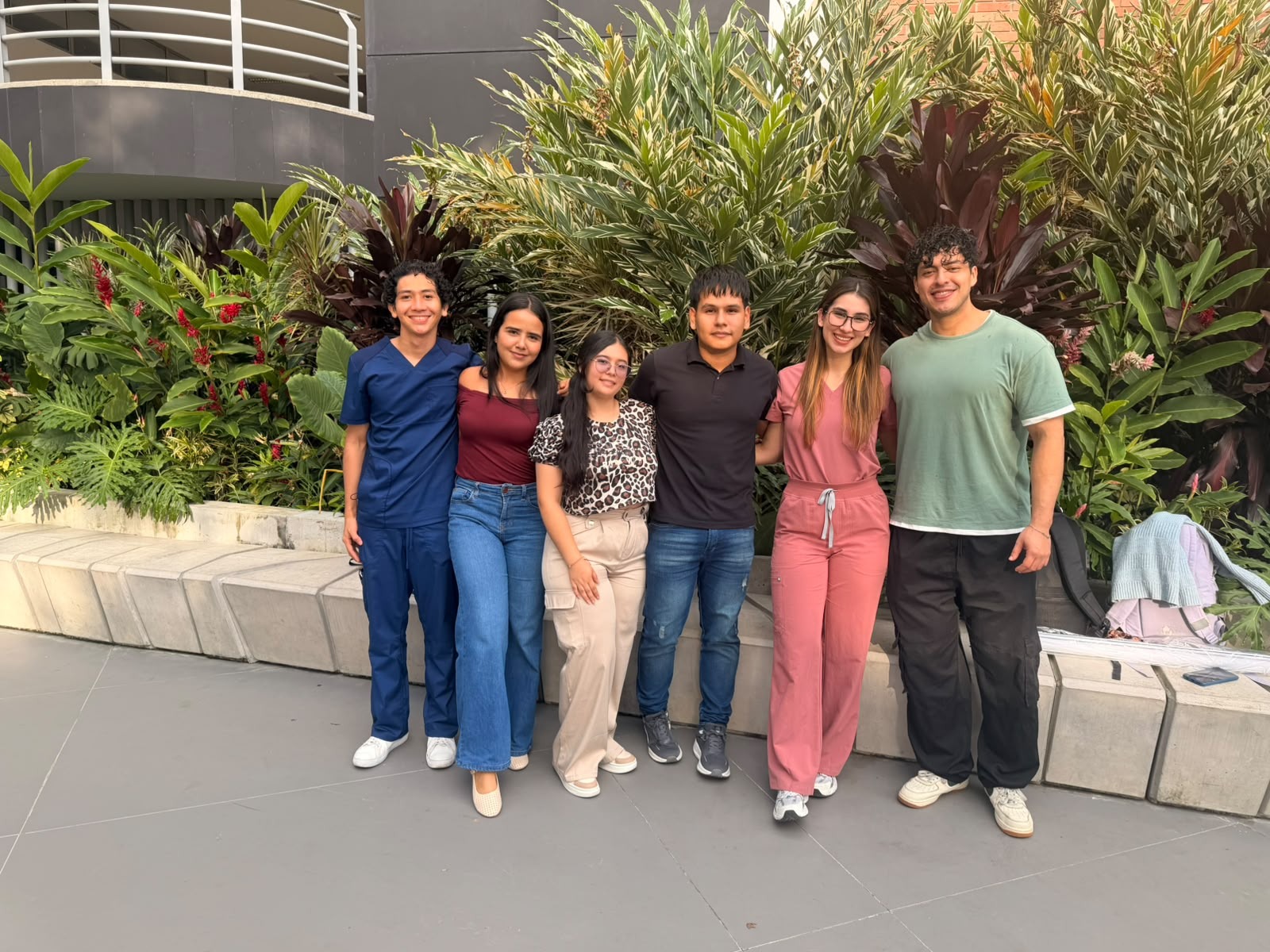


Students from the History of Architecture II course in the Architecture program at UIS Socorro carried out an academic visit to the Horacio Rodríguez Plata Casa de la Cultura Museum, focused on the historical, typological, and constructive analysis of this heritage building.
During the visit, the future architects explored the building’s historical and heritage values through photographic material and academic contextualization. They also recorded technical observations in their field notebooks, demonstrating a formative process committed to the preservation of cultural heritage.
From a historical perspective, the exercise allowed students to examine the influence of Renaissance architecture—originating in Italy, consolidated in Spain, and later brought to the Americas during the colonial period—and its reinterpretation in the local context.
At the site, which is part of the municipality’s heritage and was declared a National Monument in 1971, students identified principles such as order, symmetry, and spatial organization around a central courtyard. From a typological standpoint, they recognized the traditional colonial house, highlighting elements such as the main entrance, different types of patios that articulate corridors, and the perimeter arrangement of rooms—features that structure domestic life and contribute to climate regulation.

Architect and professor Eneyda Plata, who accompanied the academic activity, emphasized the pedagogical impact of the exercise. She noted that “these spaces allow students to confront theory with built reality. Here we not only analyze architectural styles, but also understand how architecture engages with the climate, the history, and the culture of the territory. The experience strengthens heritage awareness and the critical perspective that our future architects must develop.”
The professor also explained that the formal and constructive analysis included the observation of roofs, balconies, openings, walls, and floors, as well as traditional techniques associated with the use of local materials and environmental conditions. This comprehensive approach made it possible to understand architecture as a cultural, environmental, and technical response, beyond its aesthetic dimension.
In a city like El Socorro—known as the Comunero Capital—where colonial houses still preserve courtyards that regulate the climate and corridors that tell centuries of history, each academic visit also becomes a living reading of the territory.