

The UIS Socorro Campus held the First Colloquium on Bioclimatic Architecture, an academic event aimed at students in the Architecture and Construction Engineering programs. The event included a lecture by architect Daniel Bonilla, who presented his lines of work and experiences developed over three decades of professional practice with the Bogotá Architecture Workshop.
During the activity, which took place in the Coomuldesa Classroom on the Bicentennial Campus, Bonilla presented reflections on sustainable design, the relationship between architecture and the environment, and contemporary urban challenges. He also explained the construction process of the campus Classroom Building, a project he led from conception to delivery. During his presentation, he highlighted the state of conservation of the infrastructure and pointed out that the daily use of the spaces confirms the sound ideas that were projected in the design.


The architect also said that the role of the headquarters in regional academic training must be recognized and emphasized that “the campus represents an opportunity for students who are accessing high-demand programs. A young faculty has the capacity to integrate new perspectives and build an academic legacy in dialogue with the territory.”
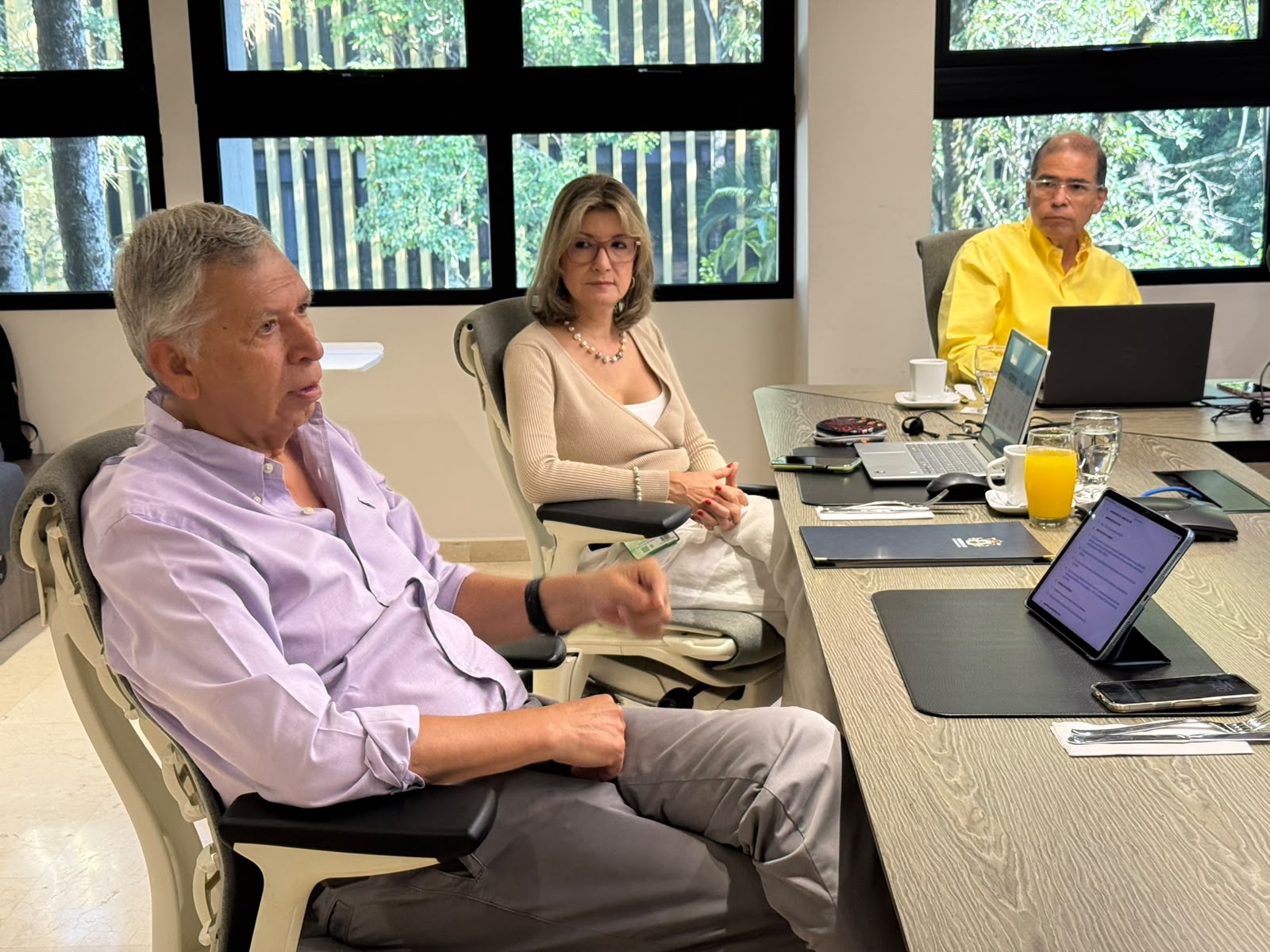
The event was attended by members of the National Board of Directors of the Colombian Society of Architects. Its president, Mauricio Uribe González, explained that the visit to Santander “is part of an agenda aimed at recognizing architectural practices linked to heritage and sustainability. The Bicentennial Campus incorporates materials from the region and bioclimatic criteria in line with its context, reflecting the institutional commitment to the quality of educational spaces.”
Uribe also highlighted that the Colombian Society of Architects maintains ongoing collaboration with higher education institutions and that “these types of exercises strengthen professional training and contribute to national reflection on contemporary architecture.”