

The decline in birth rates, the rapid aging of the population, and the migration of young people to large cities pose new challenges for the department’s economic, social, and territorial development.
What happens when a region begins to run out of children and young people? This question, which seemed far-fetched a few years ago, is now one of the main challenges identified by Santander Visión Prospectiva 2050. The foresight process led by the Industrial University of Santander (UIS) warns that the department is undergoing a profound demographic transformation that is already altering the social, economic, and territorial dynamics of numerous provinces and municipalities.
The sustained decline in births, increased life expectancy, and the migration of young people to large cities are changing Santander’s population structure. Although this is a trend observed throughout the country, its effects are beginning to be felt more intensely in several rural areas of the department.
“We are aging at a rapid pace, and the birth rate is dropping significantly. This implies demographic changes for the region and poses challenges that we must address now, with an eye toward Santander in 2050,” explained Laura Moreno, a social worker, specialist in social research, and holder of a master’s degree in Management and Public Policy from the UIS, during the radio program Santander Visión Prospectiva: Voces que construyen territorio.
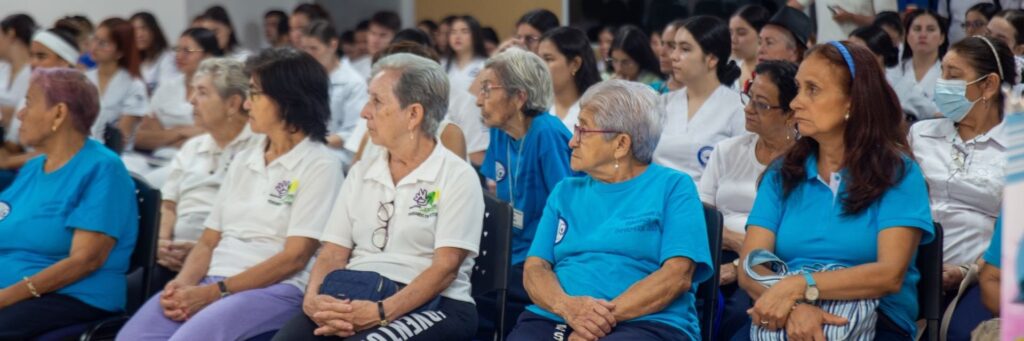
Fewer births and more older adults
National figures reflect the scale of this transformation. According to the National Administrative Department of Statistics (DANE), Colombia recorded its lowest birth rate in decades in 2024, while the total fertility rate fell to 1.2 children per woman—well below the level needed to ensure generational replacement.
In Santander, the phenomenon exhibits unique characteristics. The territorial analysis conducted by Santander Visión Prospectiva 2050 identified municipalities where births are becoming increasingly rare, and even some that have not recorded any births for several years.
“Cases like Palmas del Socorro and Jordán are particularly striking because, according to the records reviewed, they have not had any births for over a decade. We also found municipalities where births have disappeared in recent years, as is the case in Aguada,” noted Yuri Sánchez Martínez, a physical therapist with a master’s degree in epidemiology and a doctorate in medical sciences.
At the same time, the proportion of older adults continues to grow. Analyses conducted as part of the project identified municipalities with aging rates considerably higher than the departmental average, especially in provinces such as Vélez and Comunera.
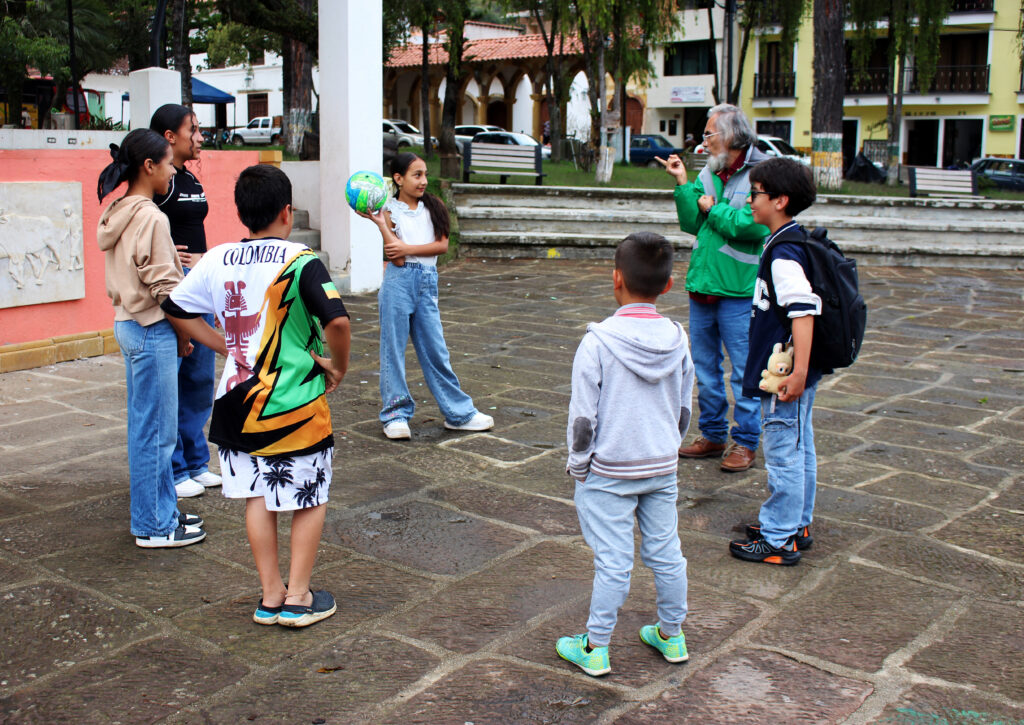
Youth migration exacerbates the challenge
In addition to the declining birth rate, another phenomenon is causing concern among communities: the constant exodus of young people to major cities in search of educational and employment opportunities.
During the regional roundtable discussions held in Málaga, Barbosa, Socorro, and Barrancabermeja, community leaders, business owners, and social actors expressed their concern about the gradual loss of the young population in the provinces.
The situation has direct consequences for local economic development. Sectors such as agriculture, rural tourism, and small family businesses face growing difficulties in finding the next generation to take over and ensuring the continuity of their productive activities.
“If we don’t have children, we won’t have young people in the future, and if we don’t have young people, we lose productive capacity. Furthermore, many of them are migrating, which creates additional challenges for the sustainability of the region,” stated Professor Moreno.
Paradoxically, some municipalities are beginning to observe a return migration phenomenon. Young people who migrated to large cities are returning to launch projects related to ecotourism, environmental services, and new economic activities aimed at revitalizing local economies, as exemplified by El Peñón.
A Challenge for Health and Healthcare Systems
Population aging will also have significant impacts on the healthcare system. Chronic diseases such as hypertension, diabetes, and cardiovascular disease tend to increase with age, leading to greater demand for specialized medical services, ongoing care, and long-term care.
“Right now, we are not prepared. If the population continues to age and we do not make adjustments, the pressure on the healthcare system will grow increasingly intense,” warned Sánchez Martínez.
The researchers agree that one of the main challenges will be to strengthen preventive models and promote healthy lifestyles that help delay the onset of age-related diseases. Added to this is a reality that is often overlooked: the growing need for care for older adults.
Currently, most of this work falls on families and, especially, on women. According to the analyses presented during the program, 9 out of 10 caregivers are women, who juggle these responsibilities with their work and family obligations.
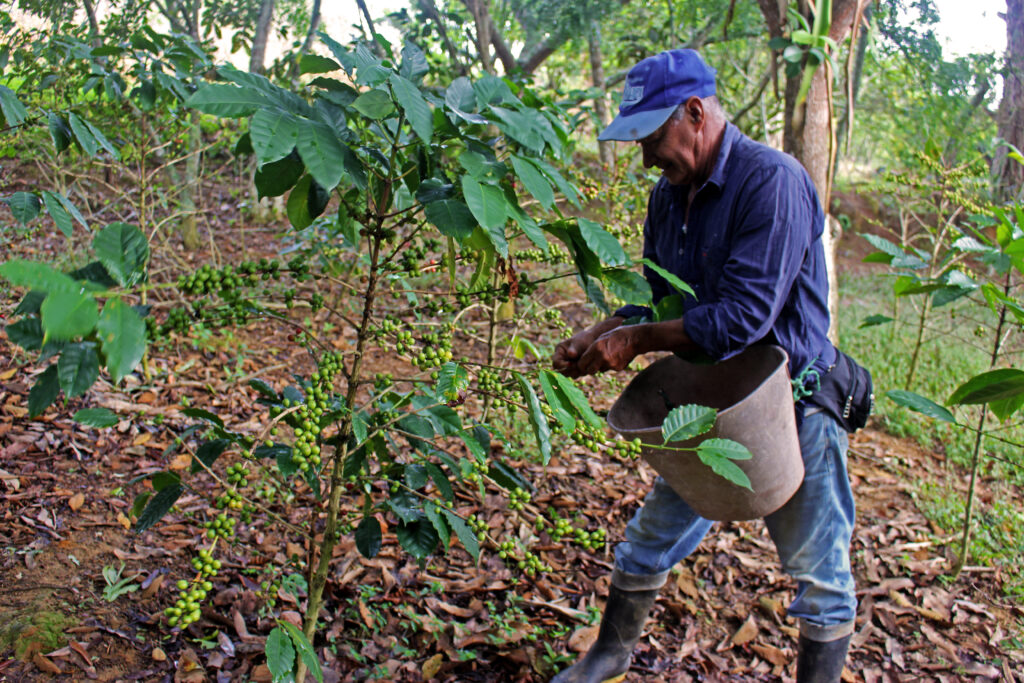
Rethinking the Region in Light of a New Demographic Reality
Beyond the numbers, the Santander Vision 2050 project raises a fundamental question: the department no longer has the same population structure it did three decades ago, yet many of its public policy decisions continue to be based on demographic assumptions that have changed profoundly.
The decline in the young population, accelerated aging, migration, and new social demands require a rethinking of how health services, education, mobility, employment, and economic development are planned.
In fact, some experts believe that certain municipalities could face difficulties in maintaining their economic and institutional sustainability if current trends continue to intensify over the coming decades.
Against this backdrop, the aim is to provide evidence, analysis, and scenarios that enable us to anticipate changes and build collective responses from the local level.
The challenge is no longer merely to understand how the population of Santander is changing, but to prepare the department for a reality that has already begun to transform the lives of its municipalities, families, and communities.