
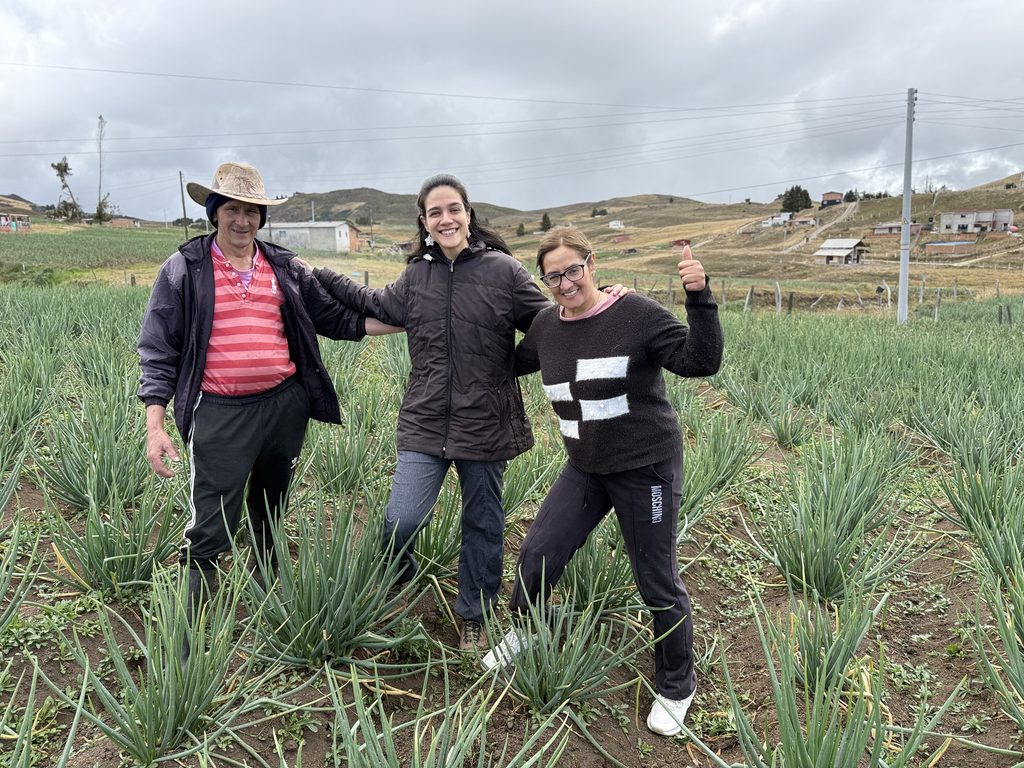
In the Páramo de Berlín, where growing long onions is part of the daily life and livelihood of numerous farming families, a doctoral research project at the Industrial University of Santander applied science to address a question that involves both ecosystem conservation and the livelihoods of those who work the land: What happens to soil nitrogen when long onions are grown, and what effects might this have on water and the páramo?
This question was addressed by Daniela Cristina Rey Romero, who holds a Ph.D. in Chemical Engineering from the UIS. She focused her research on studying how the cultivation of long onions affects nitrogen dynamics in the soil and what risks of water and ecosystem contamination are associated with agricultural practices.
Her work stemmed from a reality that also has an economic dimension for producers. According to the researcher, conventional practices involve the use of fertilizers and agrochemicals that can leave excess nitrogen in the soil when plants are unable to utilize it. This represents higher costs for farmers and, at the same time, a potential risk to the páramo’s water bodies.
“Currently, farmers use conventional practices that involve applying large amounts of fertilizers and agrochemicals, which leave a surplus of nitrogen in the soil that plants cannot utilize—resulting in economic losses for them and higher costs,” explains Daniela.
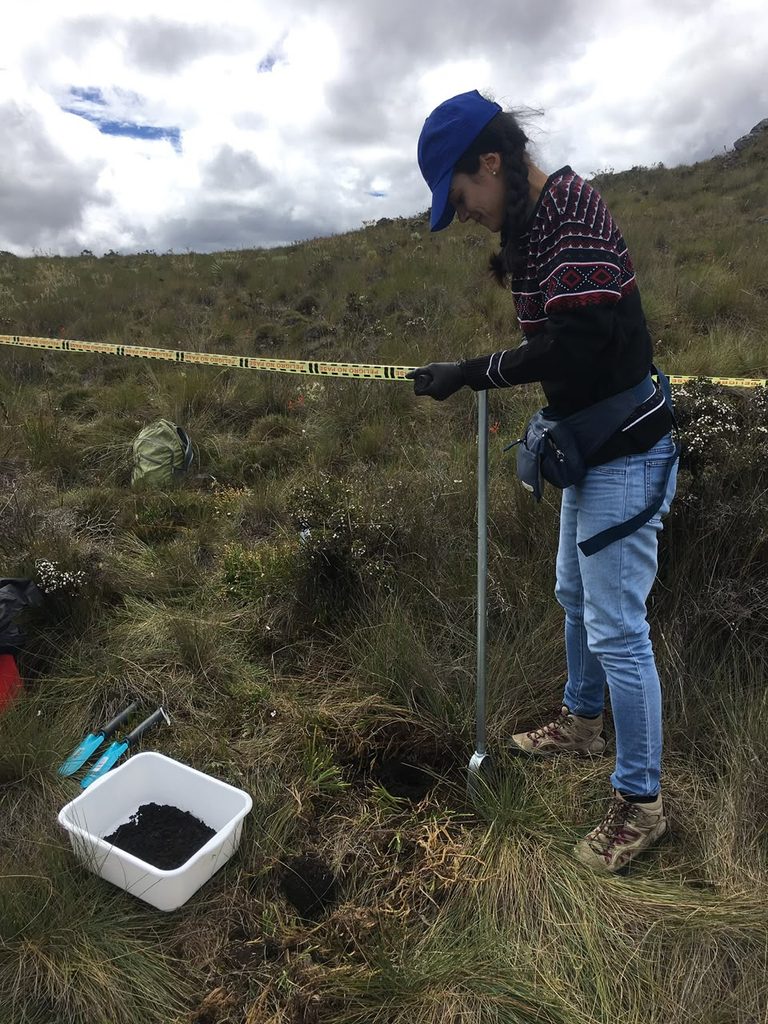
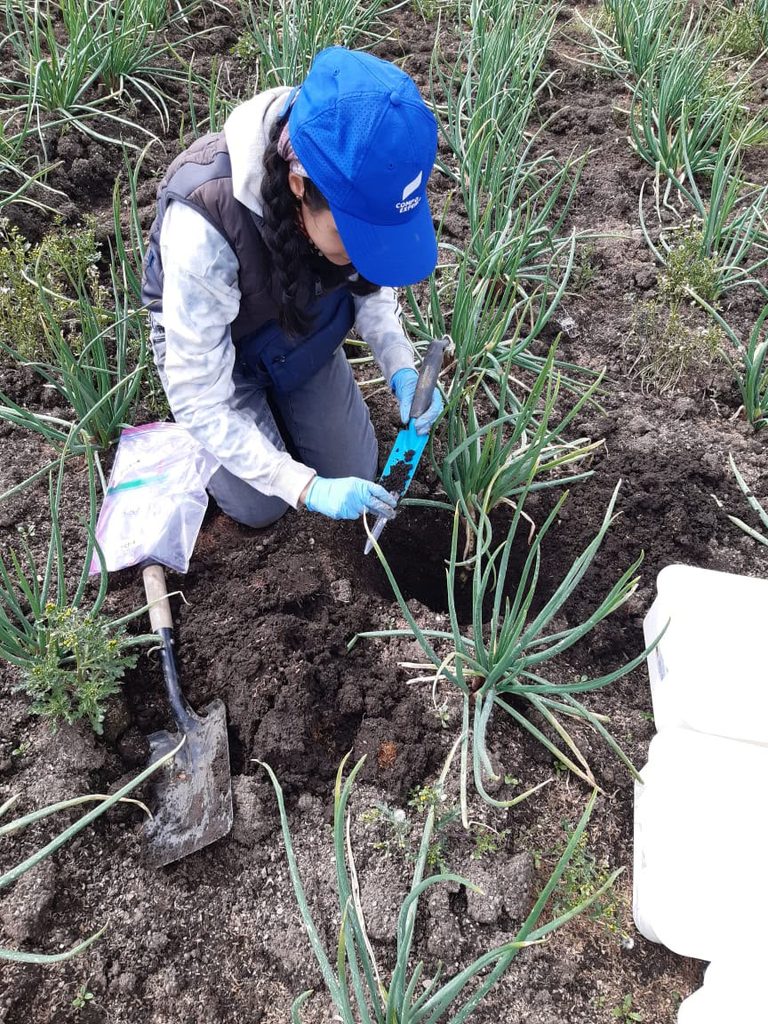
But the research went beyond laboratory analysis. To understand what happens in the field, the doctoral candidate worked alongside farming communities and drew on their knowledge and experiences regarding crop cultivation.
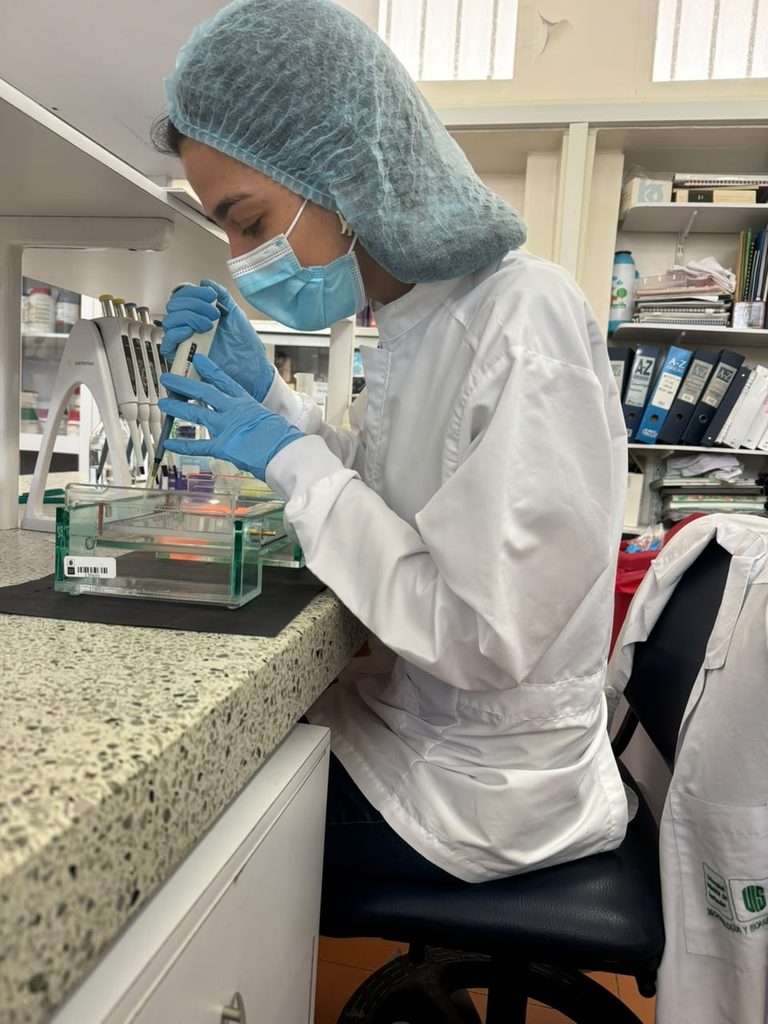
“My doctoral dissertation generated scientific evidence on this situation in an ecosystem that has been very little studied, where we examined farming practices, aspects of local knowledge, as well as the physical and chemical properties of the soil and the microbial communities involved in the nitrogen cycle,” she notes.
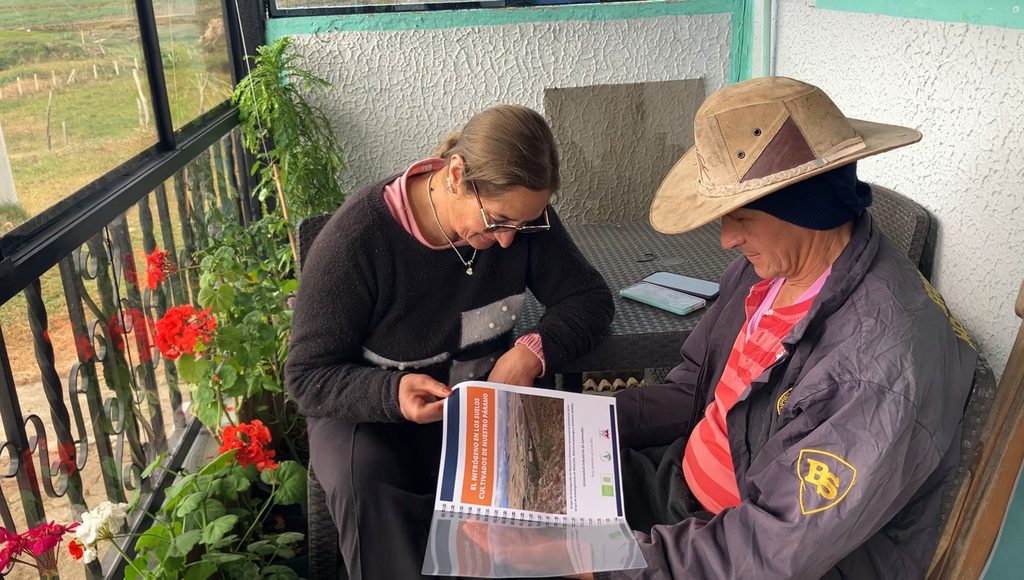
This convergence of scientific knowledge and traditional farmer wisdom provided a better understanding of the causes of nitrogen losses and, in particular, paved the way for alternatives that allow farmers to continue their productive activities while protecting the ecosystem. “It allows us to understand why these nitrogen losses are occurring there and also to propose alternatives so that farmers working in the páramo can harmonize their productive activities with ecosystem conservation,” adds the researcher.
For the area’s residents, the process also meant learning new ways to interact with their crops. This is how Ángel Custodio Sanabria Carvajal, a farmer from the Páramo de Berlín who participated in the project, describes it.
“Well, it was really good because you’ve taught us a lot of things that we didn’t know before—things we were doing wrong for the crops, for the plants,” he says.
Among the lessons he highlights is precisely fertilizer management, an aspect that has a direct impact on production costs.
“So you’ve taught us how to adjust fertilizer ratios and other things that are very good for the environment,” says Custodio.
The research also revealed that knowledge did not flow solely from the university to the countryside. The farmers contributed their own expertise, built up over years of working the land.
“We’ve explained things to them based on how we work, and you’ve also paid close attention to what we do here in the fields and with our crops, and you’ve worked alongside us,” explains Custodio.
For Martha Sanabria Villamizar, a local farmer, participating in the project meant gaining knowledge that could be directly applied to her crops.
“It was important to me because I learned a lot from the engineers, the students, and Engineer Daniela—we learned a lot, made friends, and it was a great help for our crops,” she says.
Her experience highlights one of the social impacts of this type of research: bringing academic knowledge to communities and turning it into tools that can be applied locally.
“Because it’s important—for the environment, for our crops—since they explain how to fertilize the crops, irrigate them, use fertilizers, and everything else,” Martha notes when discussing the importance of caring for the páramo’s soil and water.
The farmers’ aspirations also extend beyond this project. Martha hopes that the university will maintain its presence in the area and that new research will help explore productive alternatives for families.
“I’d like the UIS to continue carrying out many projects on crops—other crops that we might be able to plant in the future, not just onions, but many more crops,” she says.
From Daniela’s perspective, this dialogue with communities is one of the most important lessons she has learned during her doctoral studies. “As a scientist, I’ve been fortunate and blessed to work with wonderful people who have taught me from many different disciplines, as well as to work with rural communities from whom I’ve learned so much. I have many challenges ahead of me to give back to society all the knowledge I’ve acquired for the greater good.”
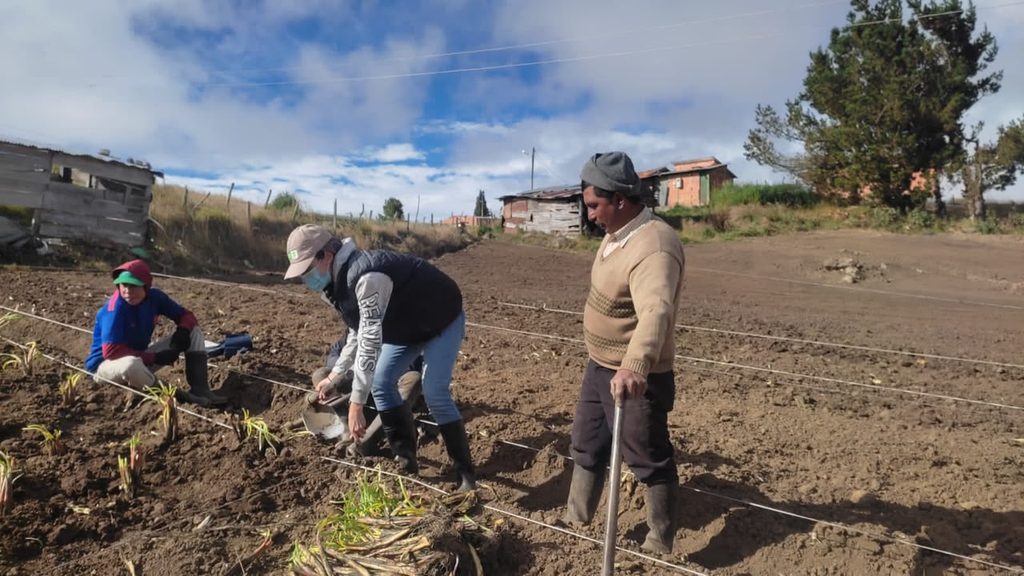
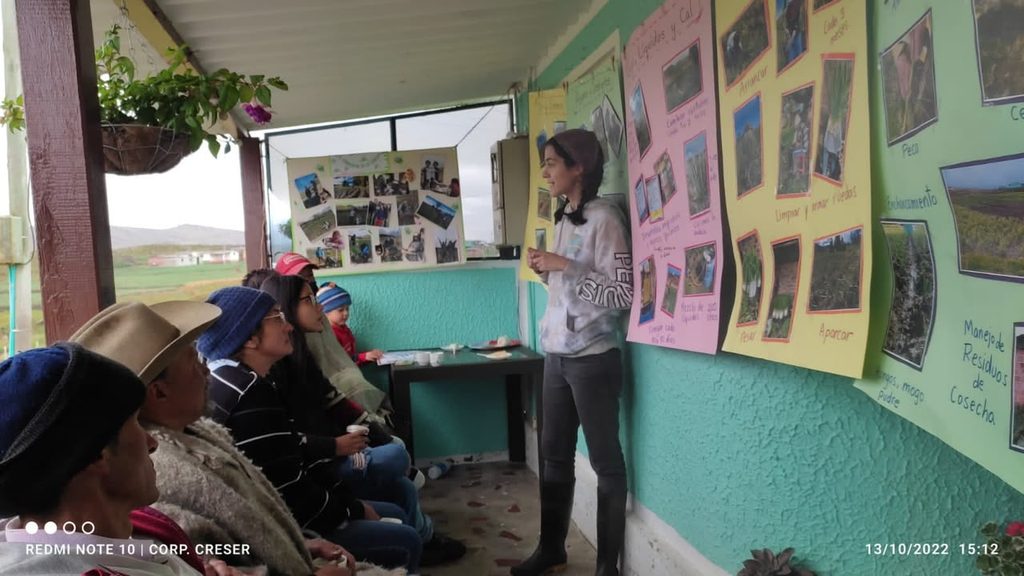
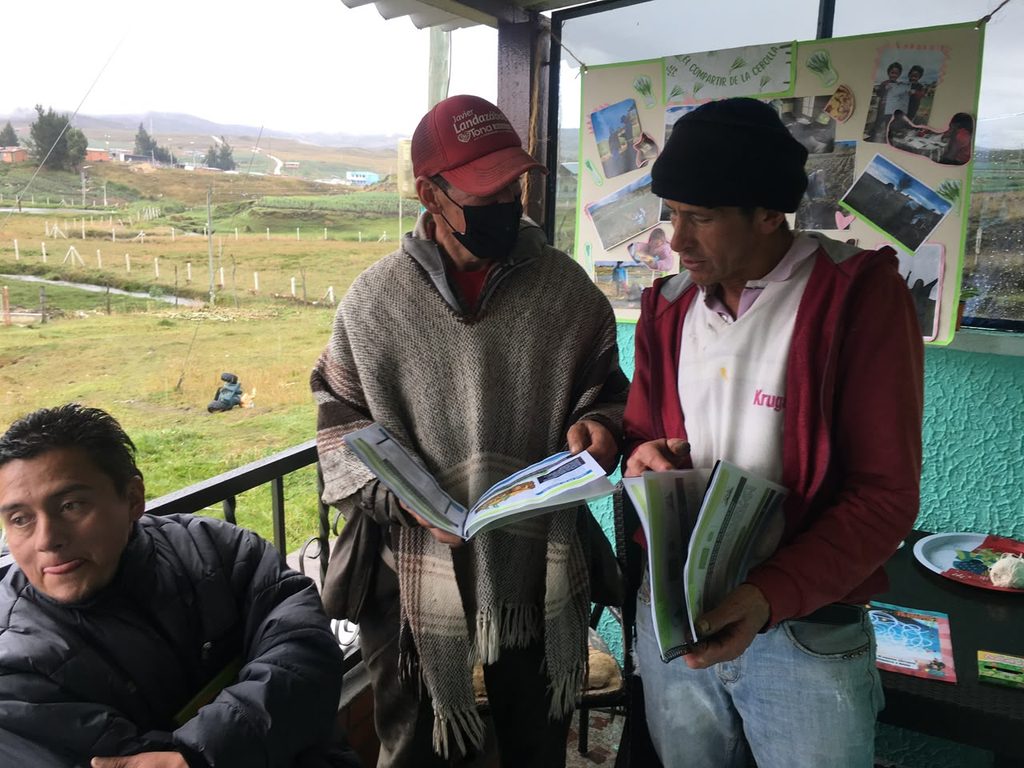
The results of this work also extended beyond the region. Based on the doctoral dissertation, three scientific articles were published in indexed journals, and the knowledge generated was shared in academic settings in Colombia, Mexico, and Chile, as well as with rural communities in the Páramo de Berlín through workshops, booklets, and educational materials.
Thus, Daniela Cristina Rey Romero’s research demonstrates an approach to science that does not end at the university. It is research that engages with the local community, listens to its residents, recognizes their knowledge, and seeks to ensure that the findings contribute to more informed decision-making regarding agricultural production and ecosystem conservation.
“Learning to view problems and every situation from a holistic perspective, and learning to question my own ideas and understand how I can help ensure that science doesn’t just stay within the university but extends beyond it, enabling those working in environmental management to make better decisions,” says Daniela when discussing what her education at the UIS has meant to her.
In the Páramo de Berlín, science and rural experience found common ground: producing, learning, and seeking alternatives that allow the land to remain a source of livelihood for families, without neglecting the protection of water and one of the region’s most vital ecosystems.