

The Industrial University of Santander (UIS), under the leadership of Rector Hernán Porras Díaz and with the implementation of the Institute for Interdisciplinary Studies and Strategic Action for Development (IDEAD), continues to consolidate the Santander Vision 2050 project, a strategic initiative that seeks to build, in a participatory manner, a roadmap for the long-term development of the department.
A journey through the territory to build a collective vision
During Phase I (2025), the project traveled throughout the Santander region as an exercise in active listening and direct dialogue with communities. In total, six provinces of the department were visited—Guanentá, Comunera, Vélez, García Rovira, Yariguíes, Soto Norte, and Metropolitana—reaching 12 townships and 38 municipalities, with more than 2,000 kilometers traveled by land and 120 kilometers by river.
This territorial deployment made it possible to gather the views, concerns, and aspirations of local actors, strengthening a collective construction of the regional future based on academic knowledge, citizen participation, and local experience.
As part of this process, four regional discussions were held in the municipalities of Socorro, Barbosa, Málaga, and Barrancabermeja, with the participation of 370 attendees, who contributed key perspectives on the challenges and opportunities facing Santander towards the year 2050.


The UIS as the epicenter of dialogue for thinking about the Santander of tomorrow
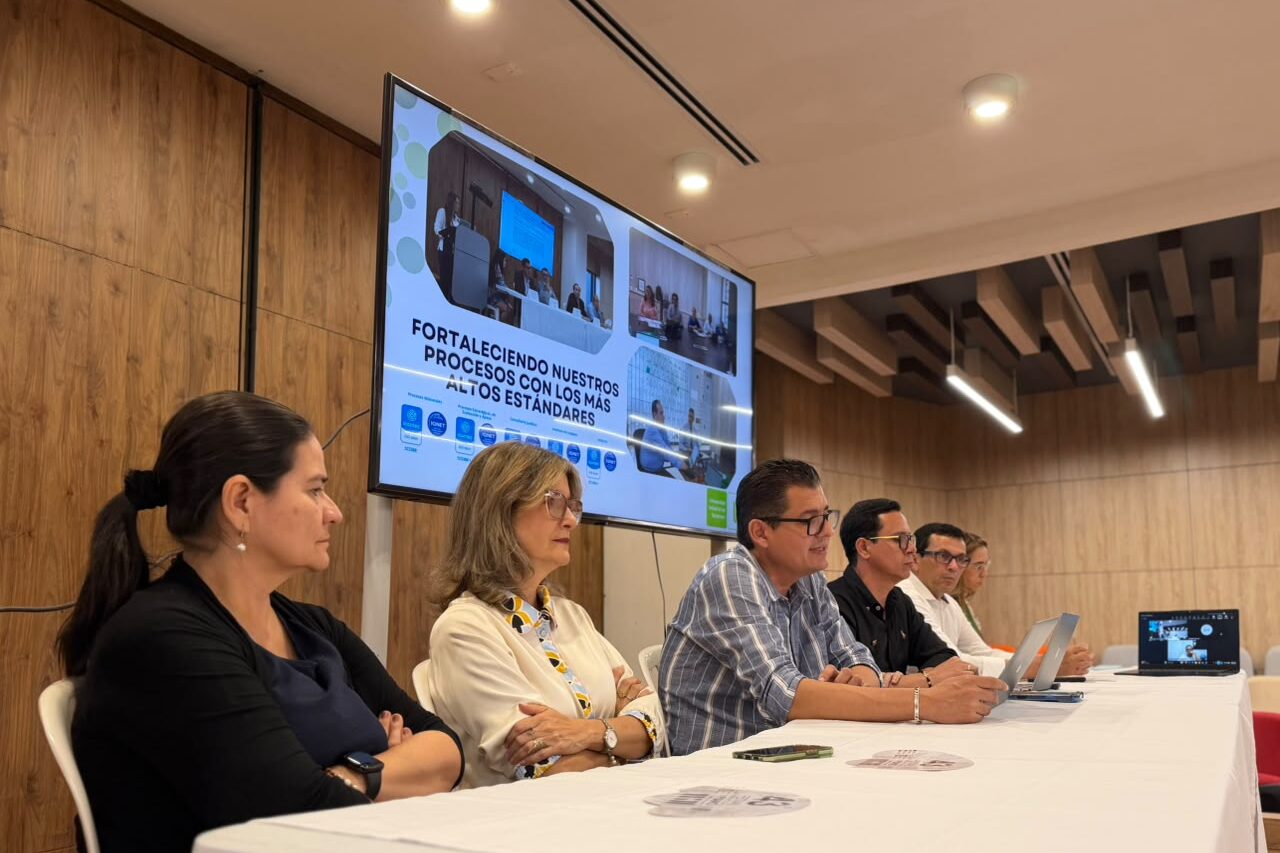
As part of Phase I, the UIS Bucaramanga hosted the Pre-Congress on Territorial Perspective, a space for academic and strategic reflection that brought together 130 participants, two national and international speakers, and 14 panelists, consolidating the Industrial University of Santander as a key player in knowledge, research, and territorial planning.
In 2026, the Santander Vision 2050 project continues to develop, moving towards new stages of analysis, validation, and projection, with a commitment to continue listening to the territory and strengthening informed decision-making that will impact the future of the department.