

As part of efforts to strengthen strategic alliances aimed at food security in the department, the School of Nutrition and Dietetics at the Industrial University of Santander held a coordination meeting with the company ECOJARDINES BIO S.A.S. with the aim of consolidating joint actions around the “Third Native Seed Exchange and Culinary Applications.”
The activity, scheduled for March 21 and 22 at the Concha Acústica, is planned as an academic, community, and cultural space that promotes food sovereignty, biodiversity, and the preservation of traditional knowledge associated with the production and consumption of local foods.
The exchange of native seeds is an ancestral community practice in which farmers, students, and citizens share local seeds in order to preserve genetic diversity, strengthen the adaptation of crops to the environment, improve their natural resistance to pests, and reduce dependence on commercial seeds. These conferences represent a concrete commitment to food autonomy and regional sustainability.
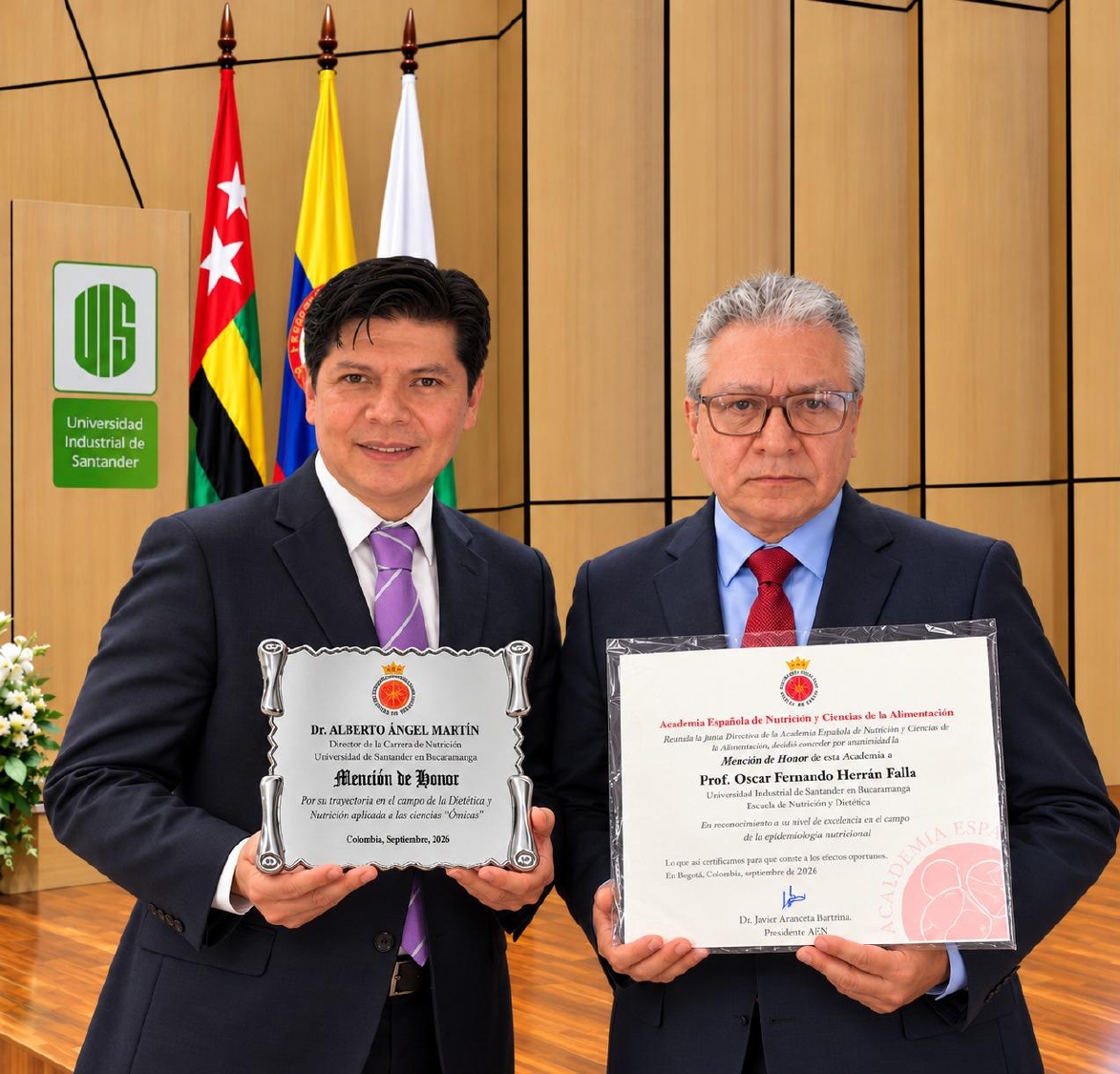
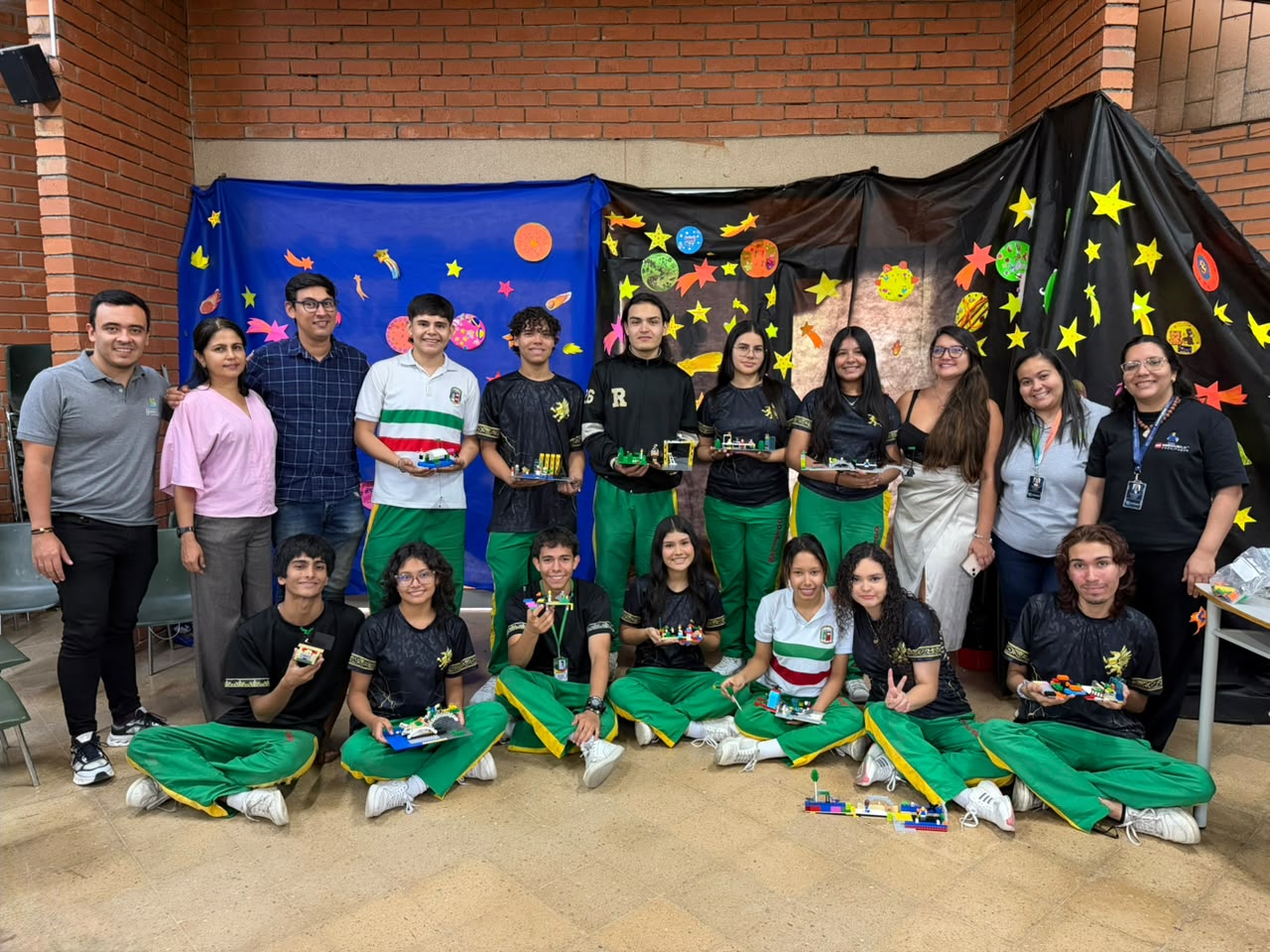
The preparatory meeting was attended by the manager of ECOJARDINES BIO S.A.S., Juan Eusebio Olaya, the director of the School of Nutrition and Dietetics, Professor Alberto Ángel Martín, professors Ana Paola Mora and Edna Magaly, as well as students Daniela Lizcano Garcés y Yohan Ruiz Guadrón.
From an academic perspective, the School of Nutrition and Dietetics highlighted the importance of raising awareness of the nutritional benefits and virtues of tropical foods, especially corn and native species belonging to the Fabaceae family (legumes), which are fundamental to traditional Colombian cuisine. These foods provide complex carbohydrates, proteins of high biological value when properly combined, dietary fiber, B vitamins, minerals, and bioactive compounds that contribute to the prevention of chronic diseases.
It was also highlighted that the integration of local production, food education, and innovative culinary applications strengthens the social appropriation of knowledge and promotes healthy, sustainable, and culturally relevant food practices.
With this alliance, the School of Nutrition and Dietetics reaffirms its commitment to the comprehensive training of its students, social outreach, and the generation of strategies that contribute effectively to food and nutritional security in Santander, bringing together academia, the productive sector, and the community.