
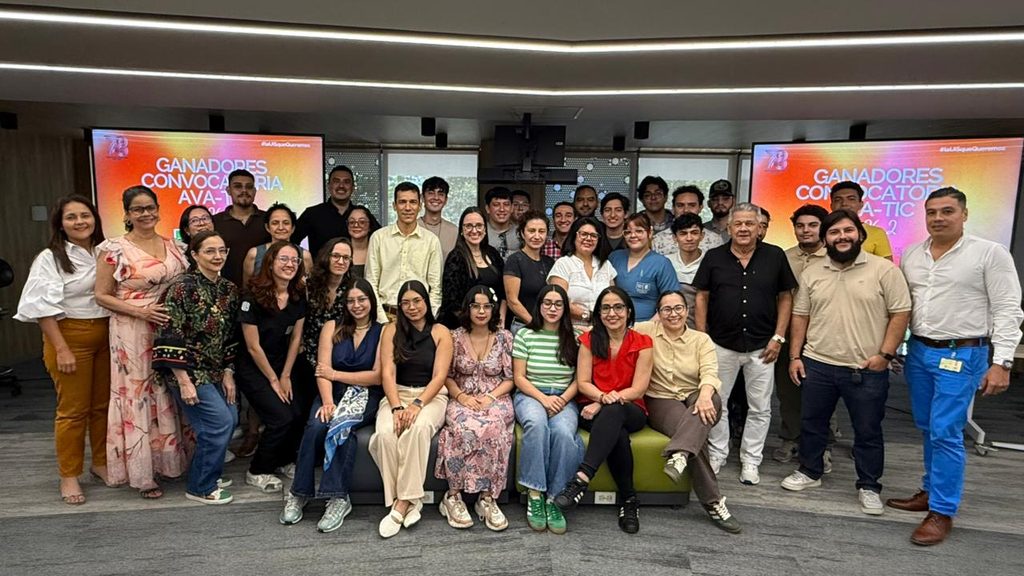
With the signing of the official start documents for the selected proposals, the Universidad Industrial de Santander (UIS) is moving forward with initiatives aimed at improving virtual classrooms and supporting teaching, learning, and assessment processes through the use of information and communication technologies.
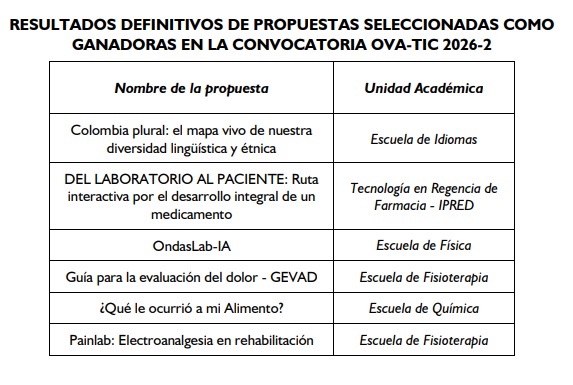
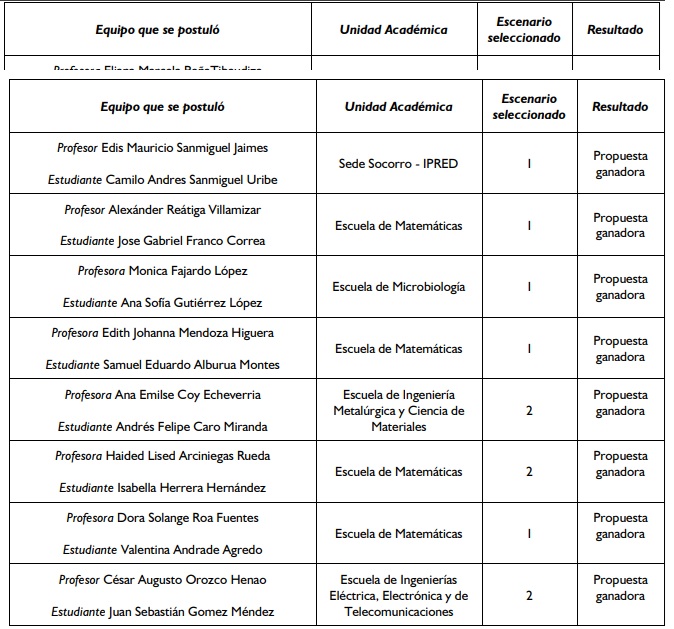
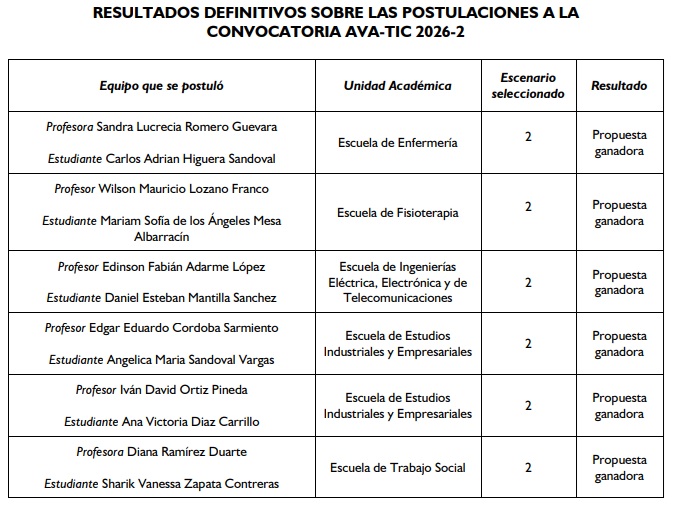
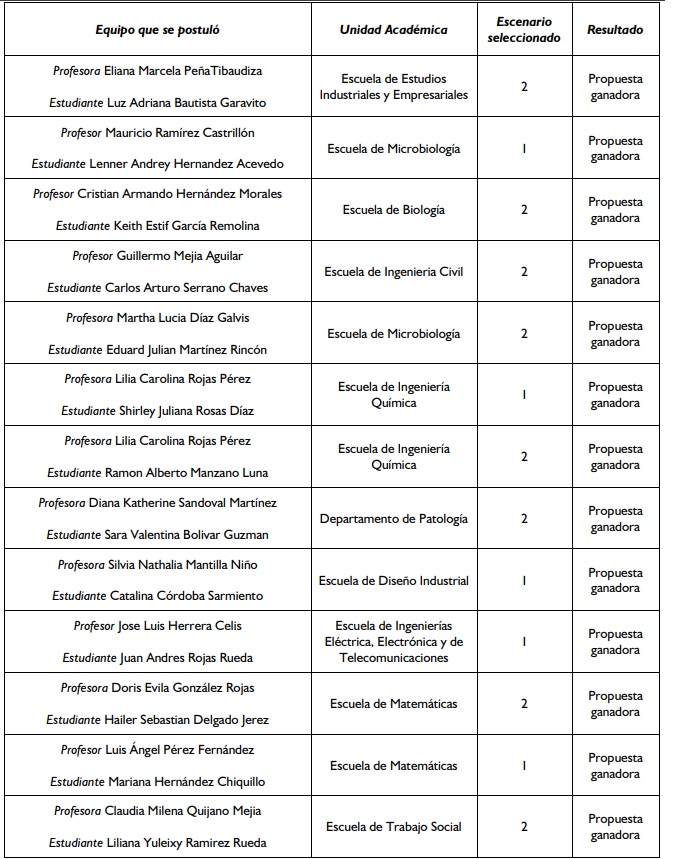
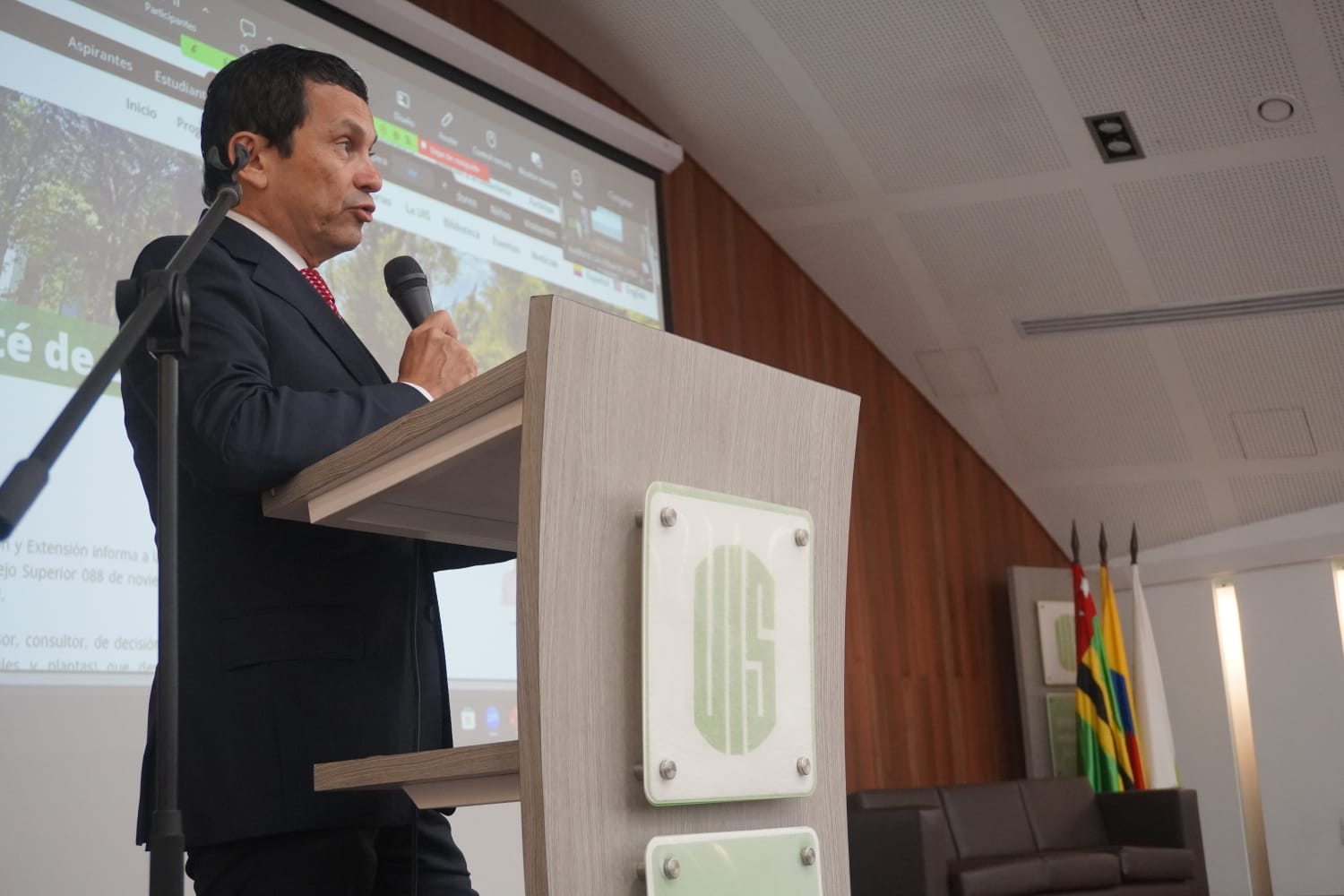
Of the 33 selected proposals, 27 are part of the AVA-TIC call and six of the OVA-TIC call, explained Hernando Guerrero Amaya, director of the Center for the Development of Teaching, CEDEDUIS. The initiatives involve professors and student assistants in the design, implementation, and improvement of educational experiences on the institution’s Moodle platform.
“One of the activities or functions we have is promoting virtual learning objects, creating virtual learning objects, and designing or improving the virtual learning classrooms that professors use in their daily work,” said Guerrero Amaya.
The CEDEDUIS director explained that the calls also provide financial support for the development of the proposals, including student assistantships and the acquisition of the equipment and materials needed to produce virtual learning objects. Participation, he added, has progressively expanded among the university’s schools and faculties.
“These are calls that have been growing. At first, only a few professors knew about them or were willing to participate; however, the circumstances created by the pandemic, along with other specific factors in each of our schools, have led more and more professors to become interested in these calls,” said the director of the Center for the Development of Teaching.
One of the selected projects is being developed by the School of Electrical, Electronic, and Telecommunications Engineering. Professor José Luis Herrera Céliz explained that the proposal focuses on content from the Fundamentals of Analog Circuits course, incorporating it into the Moodle virtual classroom through activities and materials designed to support students’ education.
“Our idea with this platform is to help ensure that students have access to the materials and also the time they need not only to improve their learning, but also to develop better study methods,” said Herrera Céliz.
“For the professor, it is also an incentive because, in a way, we will be able to see the effort we put in every day in a more organized manner. And for the student, being able to contribute to the education of future students is, I believe, an additional source of satisfaction, beyond the payment they will receive for their assistantship,” Professor José Luis Herrera Céliz added.
From the School of Petroleum Engineering, student Mariana Hernández Chiquillo highlighted the value of participating in this type of initiative. Her project seeks to provide methodologies for Calculus II students, using tools such as GeoGebra and new preparation activities for the school’s examination.
“It means a lot because I would like to continue contributing to students at the beginning of the semester, helping them learn how to use virtual classrooms, which are a very valuable tool for advancing our education with greater access to technology,” she said.
The projects may also be showcased in academic settings. CEDEDUIS plans to publish them in a special edition of the journal Docencia Universitaria and may present them as a regional event. According to Guerrero Amaya, professors may also be eligible to receive additional compensation for this work.