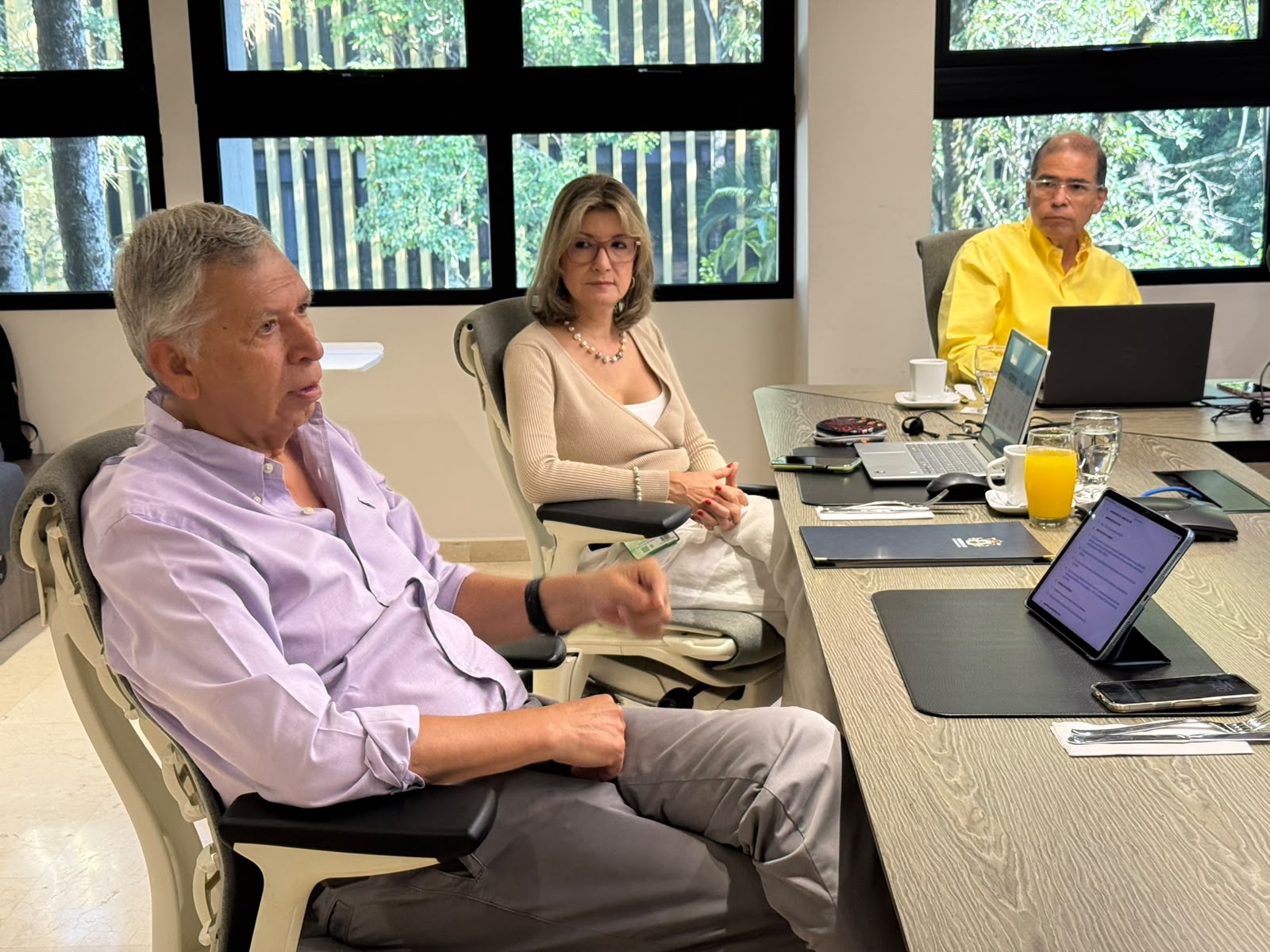

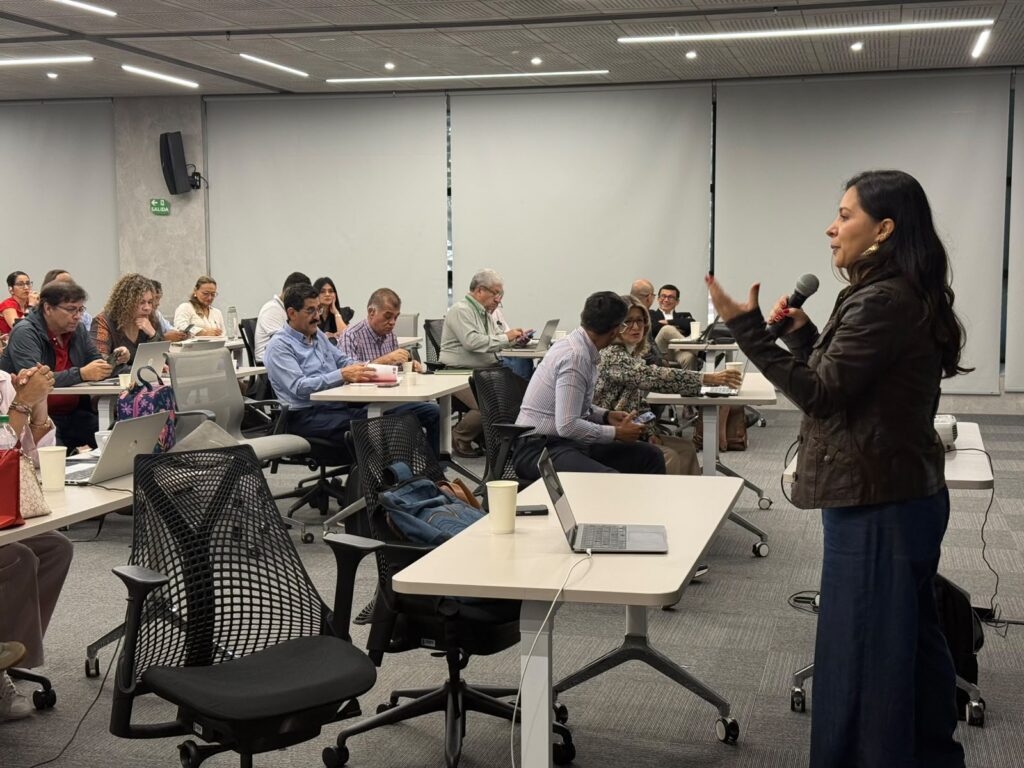
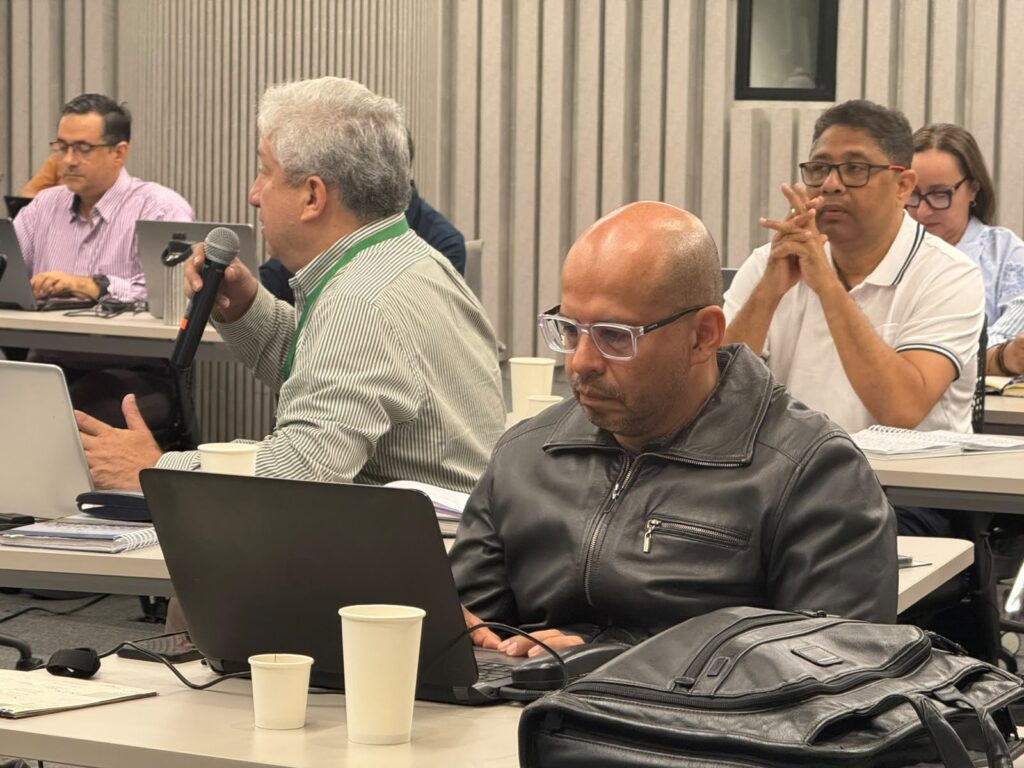
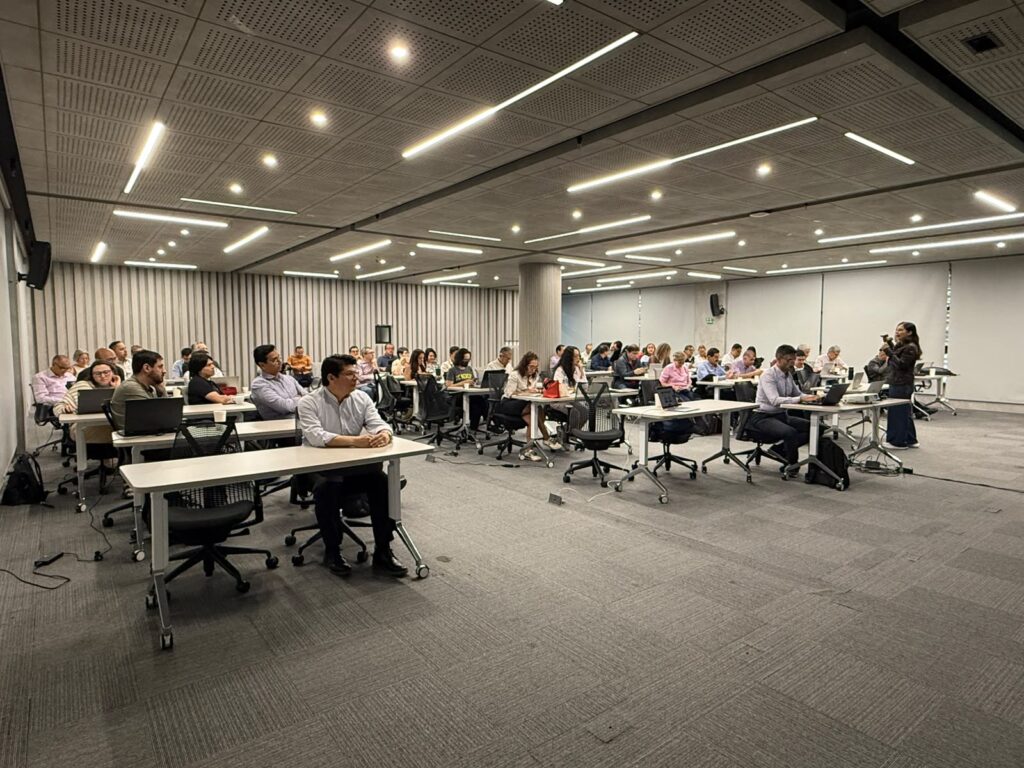
With the participation of school deans, academic coordinators, and administrators from the Industrial University of Santander, the Expanded Academic Council met this Tuesday. This institutional planning forum served as a platform to analyze the main challenges and opportunities for continuing to strengthen academic quality, research, university management, and the institution’s impact on the region and the country.
The session provided an opportunity to review progress and outline strategic actions on issues such as faculty tenure, the strengthening and creation of academic programs, the University’s contribution to addressing industry challenges and social issues, institutional sustainability, and the development of initiatives aimed at consolidating educational excellence.
The Vice Rector for Academic Affairs, Olga Mercedes Álvarez Ojeda, emphasized that this forum brought together the University’s academic leaders to reflect on issues that directly impact student education.
“The Expanded Academic Council included the participation of school deans and academic coordinators; their attendance was very important because we addressed various topics closely related to the academic quality of our university and its further strengthening,” she stated.
One of the central topics was the evaluation of the results of the 2026-1 Academic Strengthening Course, a strategy that continues to enhance student retention and success by providing new opportunities to students with high rates of grade repetition and those at academic risk.
As explained by Camilo Eduardo Londoño Sánchez, Director of Admissions and Academic Records, the purpose of these courses goes beyond reinforcing course content and aims to transform the way students approach their learning processes.
“The academic enrichment courses offered during the first academic period of 2026 were attended by a total of 302 students; of these, 55%—or 166 students—passed the enrichment courses. This enabled them to overcome their negative academic standing and pass courses they had previously failed three or four times,” he explained.
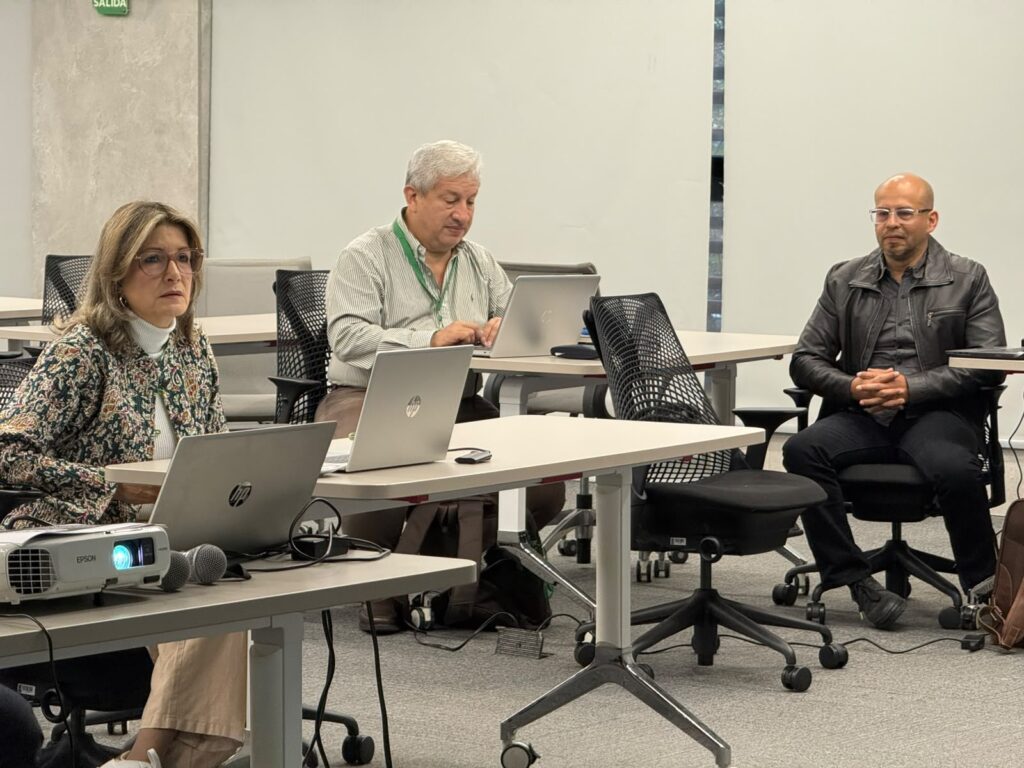
The administrator added that the strategy aims to address students’ diverse academic realities through innovative methodologies.
“These courses, designed for students who have repeated a course multiple times, are not focused on re-teaching the subject matter, but rather on exploring other innovative teaching-and-learning models, enabling students facing these challenges to pass the courses by approaching them with a different strategy,” he noted.
During the session, progress was also reported on the flexible Mathematical Foundations track for engineering students, a pilot initiative that has shown encouraging results in strengthening basic skills and promoting academic success among students who began their studies with greater difficulties.
“A significant percentage—nearly 80% of the students—succeeded, which suggests that this track is entirely feasible for implementation in the curricula of other engineering programs,” noted the vice president.
Another notable announcement concerned the process of formalizing faculty employment, through which 13 instructors, previously employed as adjunct professors, joined the tenured faculty after passing a competitive examination.
“This competitive examination was conducted very successfully, and 13 professors secured positions; we have brought on board professors with proven experience who will strengthen teaching and research in pedagogical innovation at our university,” said Álvarez Ojeda.
The Expanded Academic Council also reviewed guidelines for the proper conduct of academic activities, emphasizing aspects such as course planning, follow-up on early warnings, ongoing feedback to students, and timely completion of academic processes—elements that support both teaching and student learning.
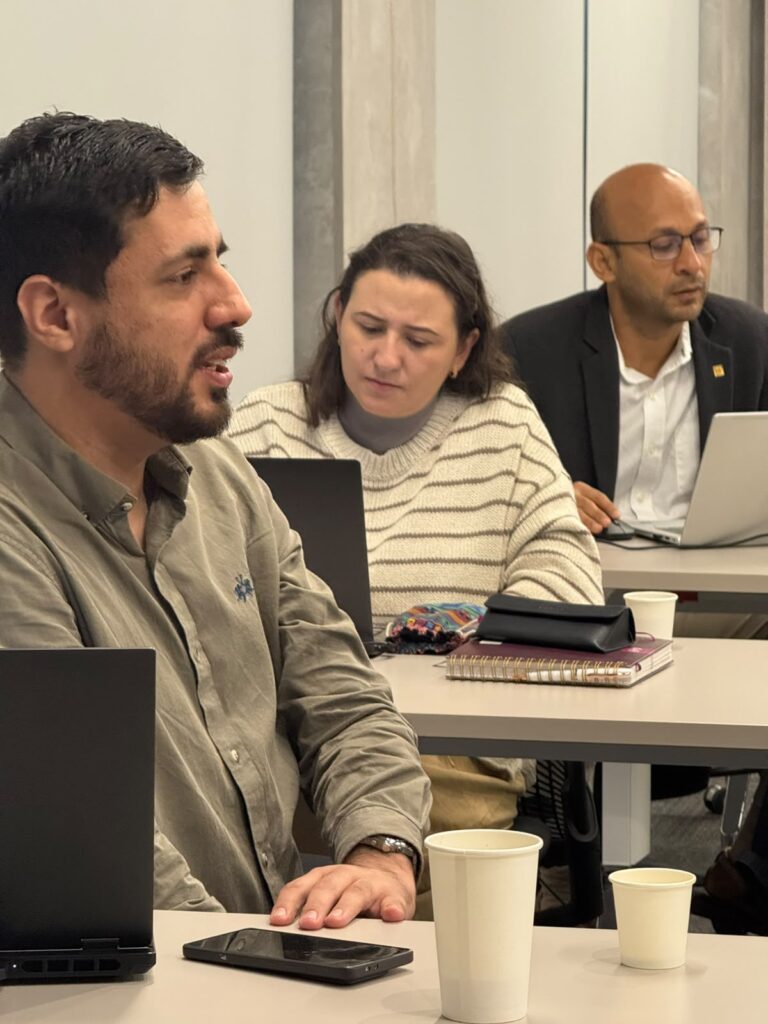
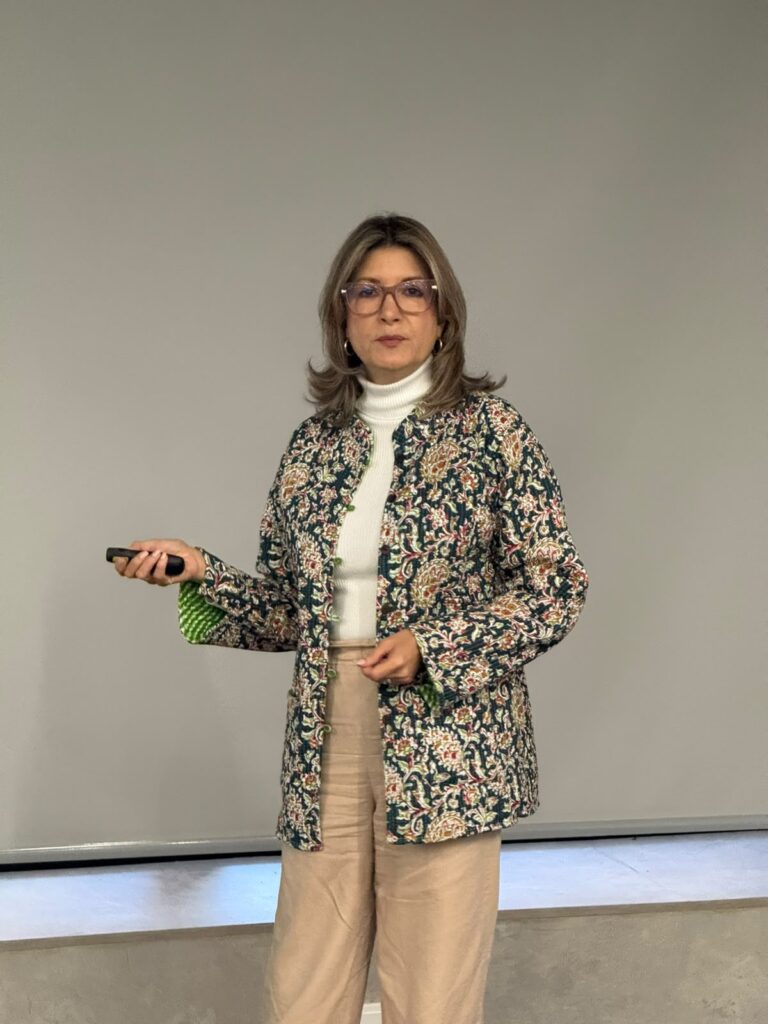
Attendees were also briefed on the outcomes of the Pedagogical Innovation Conference held on July 22 and 23, which brought together nearly 400 tenured faculty, adjunct faculty, and part-time instructors in the undergraduate program to reflect on the current challenges facing higher education and the role of innovation in teaching.
“We had nearly 400 faculty members participate, including tenured faculty, adjunct faculty, and part-time instructors in the undergraduate program. Our main theme was artificial intelligence, but we also covered other topics closely related to strengthening faculty members’ social-emotional competencies. All of this was firmly grounded in the challenges outlined in our institutional strategy known as the Teaching Mission 2030,” emphasized the vice rector.
Through these opportunities for analysis and collective collaboration, the Industrial University of Santander continues to consolidate an academic management approach based on quality, innovation, and strategic decision-making, aimed at ensuring better opportunities for its students and strengthening its contribution to the development of Santander and Colombia.