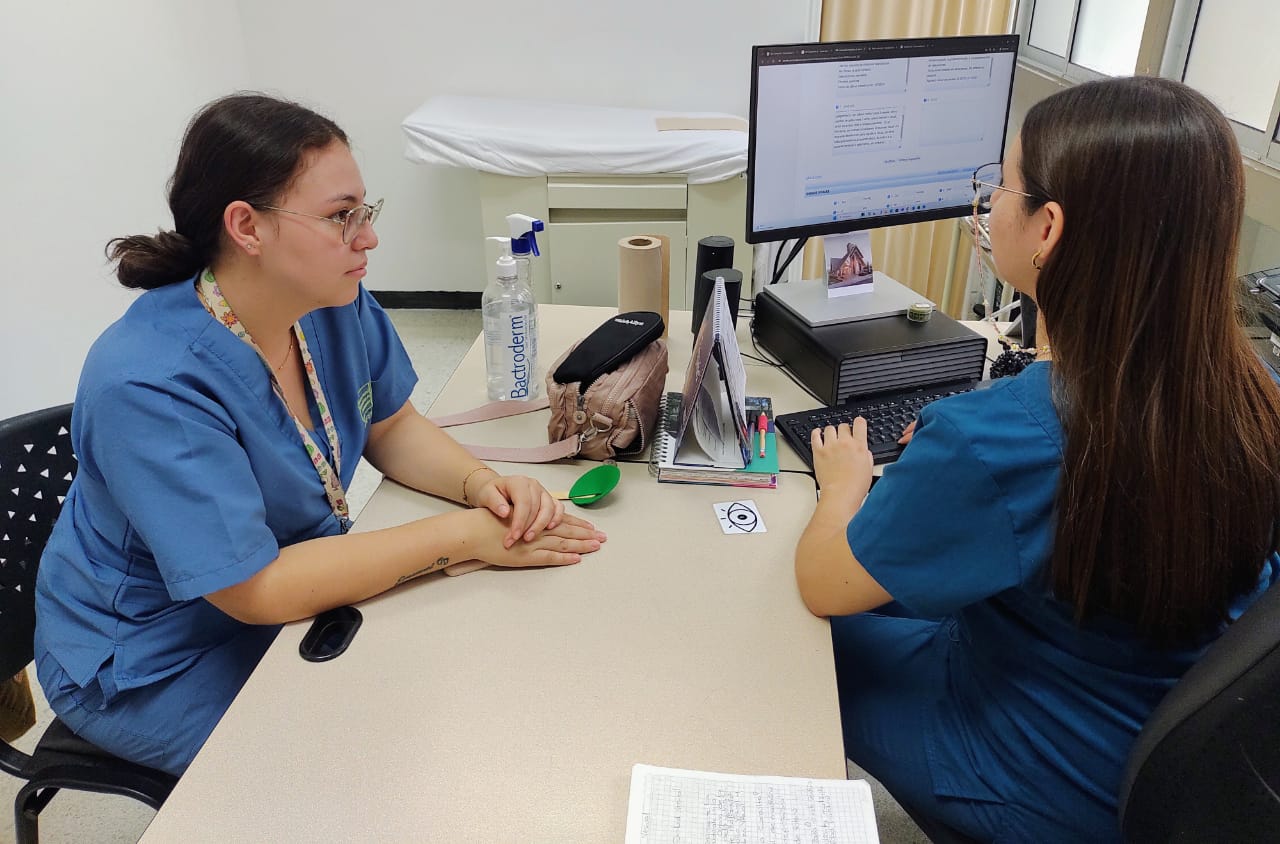

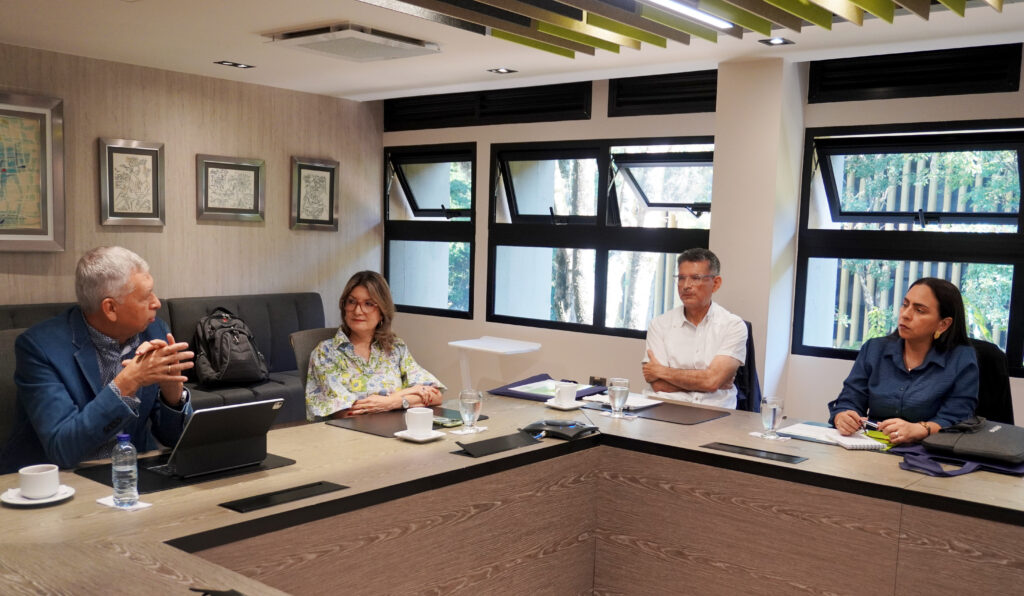
The Industrial University of Santander is hosting a visit from the academic peers delegated by the National Accreditation Council (CNA), who are conducting an external evaluation to renew the high-quality accreditation of the Systems Engineering program.
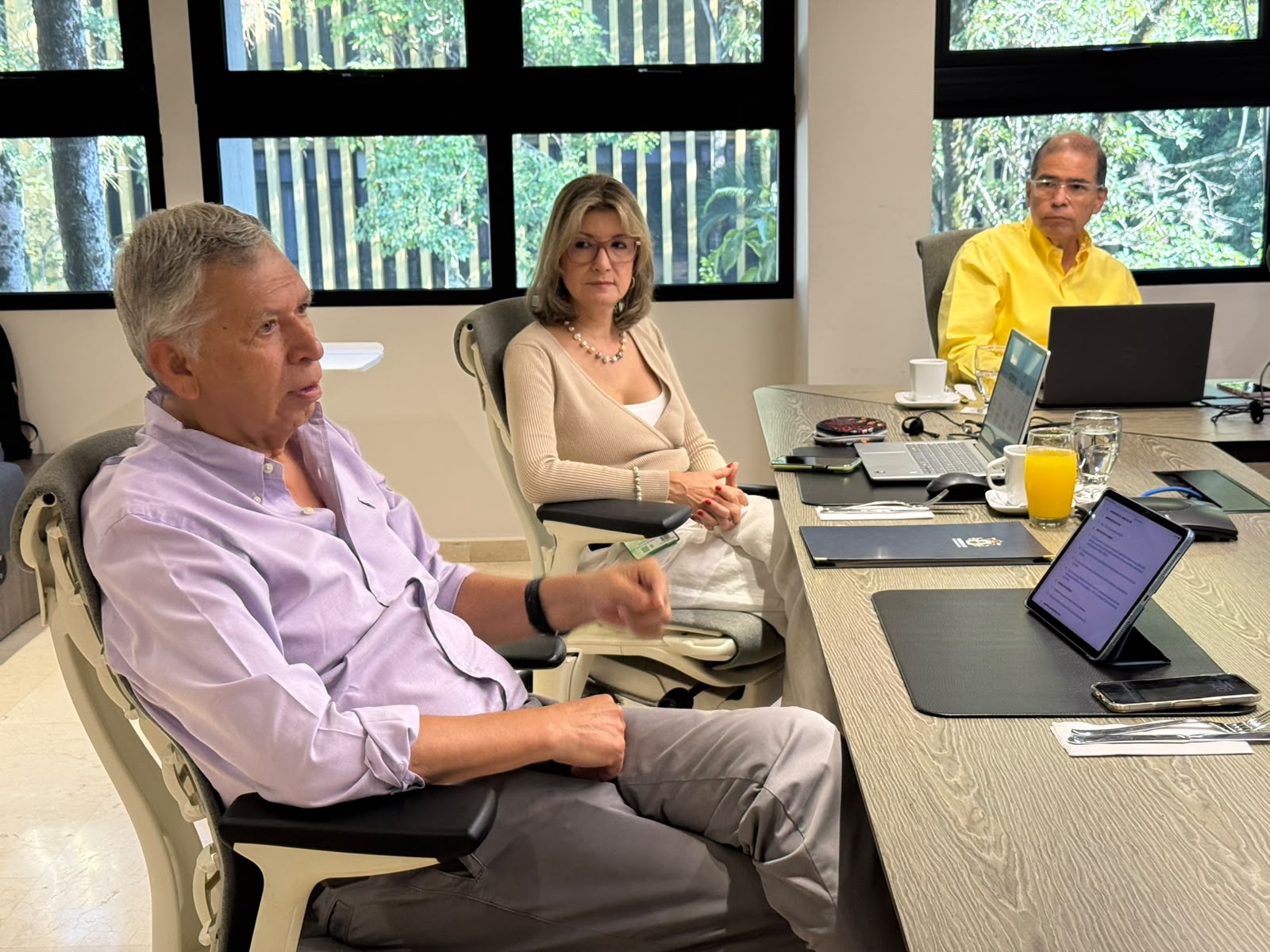
The commission is composed of Alfonso Reyes Alvarado, who serves as the coordinating peer, and Ana Beatriz Blanco Ariza, an academic peer. During their visit, the evaluators gain firsthand insight into the academic, administrative, and managerial conditions that support the program’s development, as well as its processes related to education, research, outreach, and engagement with the university community.
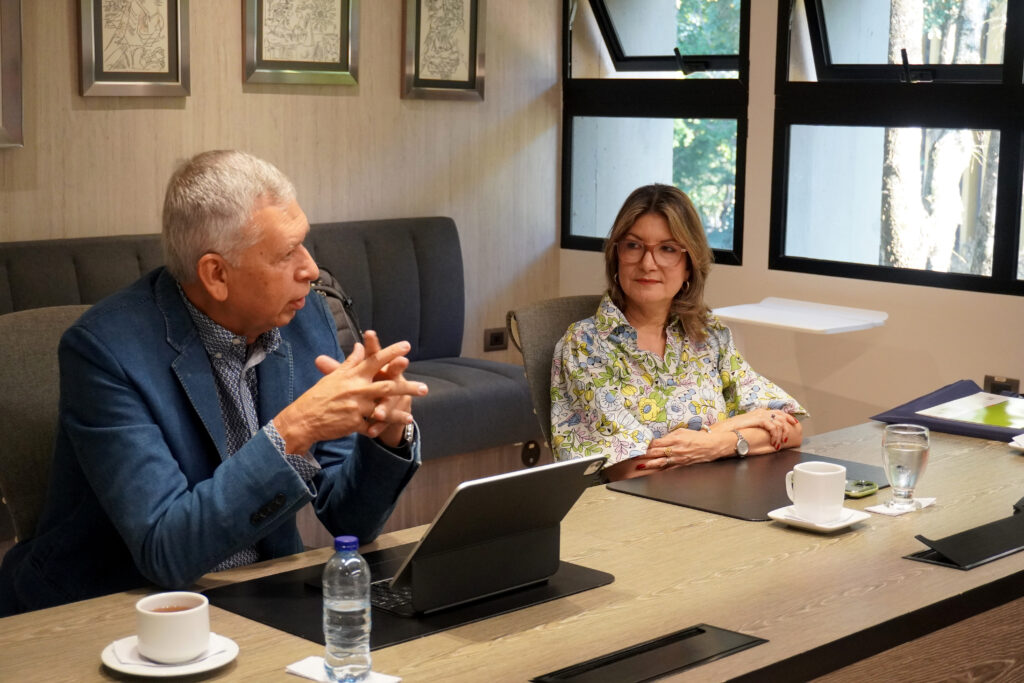
For the UIS Vice Rector for Academic Affairs, Olga Mercedes Álvarez Ojeda, these processes are essential for consolidating an institutional culture focused on continuous improvement.
“It is very important to continue with these high-quality reaccreditation processes because they reinforce our culture of continuous improvement. We faculty, students, and administrative staff alike—are immersed in this culture, where all our efforts are geared toward improving, innovating, and delivering the highest-quality outcomes.”
The Vice Rector explained that high-quality accreditation represents recognition of compliance with standards that go beyond the minimum requirements for the operation of an academic program.
“All of this is aimed at ensuring that our academic programs not only meet the minimum standards required for us to operate under the qualified registration system, but also far exceed them. It is this significant exceeding of the standards that earns us high-quality accreditation.”
He also emphasized that this recognition benefits students, faculty, alumni, and the institution itself by strengthening academic visibility and opportunities for mobility and cooperation.
“Our programs are more visible to our students, allowing them easier access to national and international exchange opportunities; their degrees can be recognized more quickly abroad; and it also enables us to integrate into national and global academic networks.”
Accreditation also helps strengthen graduates’ career opportunities and the University’s international profile. In the words of Álvarez Ojeda, “our graduates are more attractive to employers,” while the UIS’s academic quality attracts students from other institutions and countries interested in pursuing educational programs and mobility opportunities.
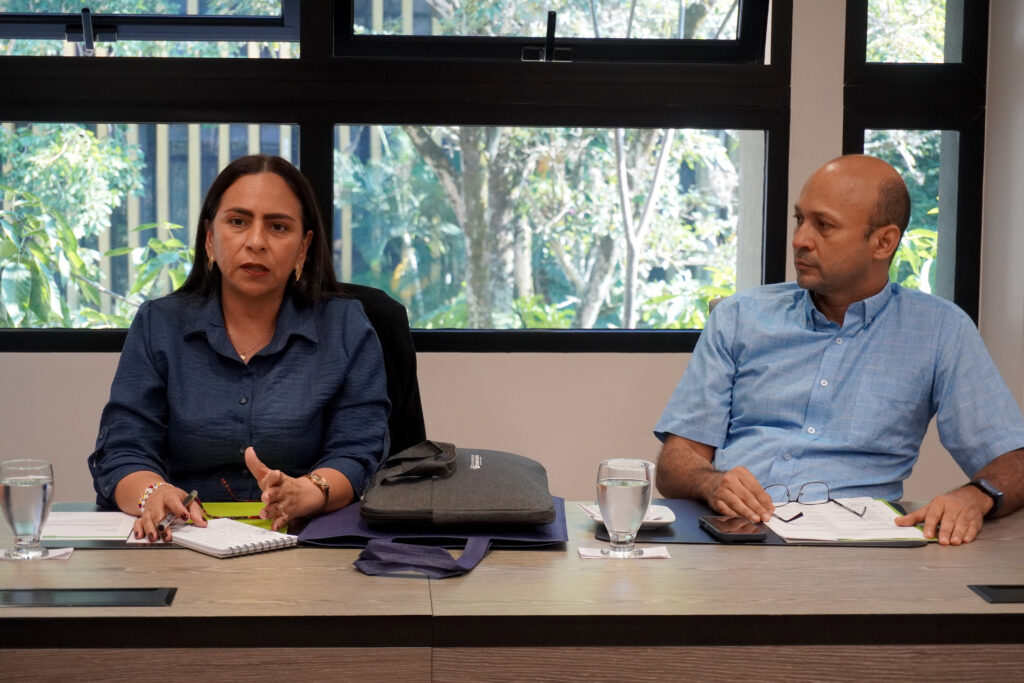
Systems Engineering, Committed to Excellence
The external evaluation process is also taking place at a significant time for the Systems Engineering program, which is currently undergoing an academic reform of its Program Educational Plan (PEP).
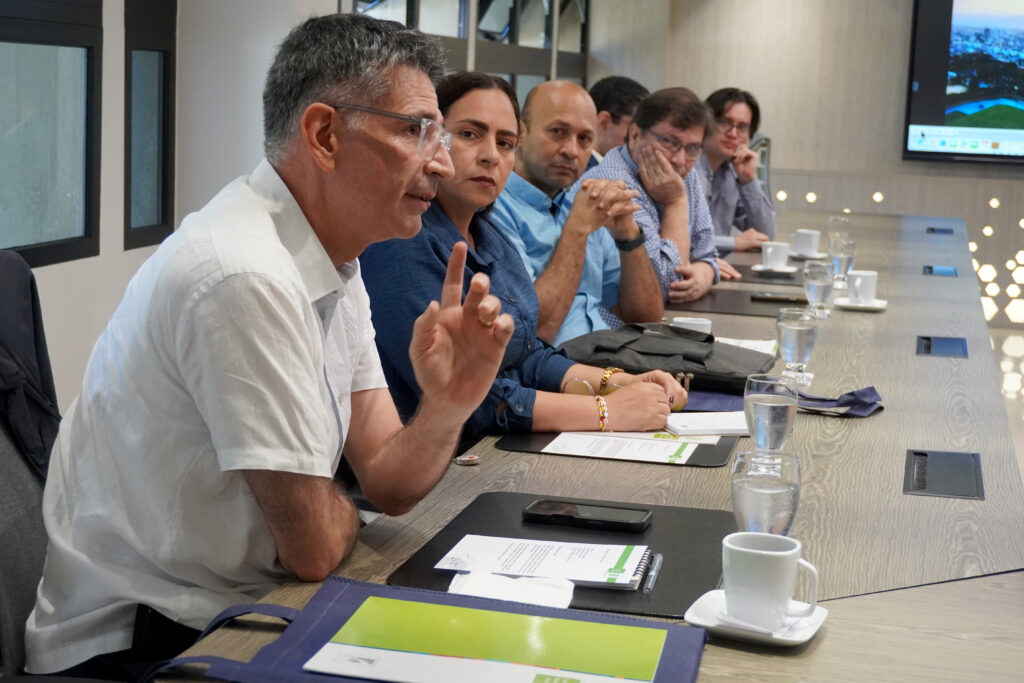
This was explained by Hoover Fabián Rueda Chacón, a professor in the School of Systems Engineering and Computer Science, who emphasized that accreditation is part of an institutional commitment to strengthening the quality of all academic programs.
“The goal of the Office of the President and the Office of the Provost is to accredit all our programs. Specifically for the Systems Engineering program, we are currently also undergoing an academic reform process for our PEP, and the idea is for our programs to be accredited as high-quality to ensure that our graduates truly possess that seal of quality that has always distinguished us as outstanding professionals.”
Thus, the visit by the Academic Peers provides an opportunity to present the program’s progress, strengths, and areas for improvement, as well as to highlight the work being done by the academic community to address current needs in Systems Engineering education.
The external evaluation for the purpose of renewing high-quality accreditation thus reaffirms the UIS’s commitment to relevant, innovative, and excellent higher education, focused on the comprehensive training of professionals capable of addressing the country’s scientific, technological, and social challenges.
For the Vice Rector for Academic Affairs, this process also represents the University’s commitment to society, by ensuring that resources allocated to higher education translate into high-quality educational programs and professionals with strong technical, scientific, and interpersonal skills.
“This serves as a testament to society; it reassures society that its resources are very well invested and are being put to very good use by our community, because it allows us to produce graduates of the highest technical, scientific, and, above all, human caliber.”