

In an effort to strengthen the emotional fabric of its student community, the Industrial University of Santander (UIS) has successfully consolidated the project: “Implementation of a community mental health guidance model that promotes academic retention.”
This initiative, selected through a national call for proposals and funded through a special agreement between the UIS, the Ministry of National Education (MEN), and the Inter-American Development Bank (IDB), has become a pillar of the national program to improve access to and graduation rates in public higher education.
He goes out into the hallways
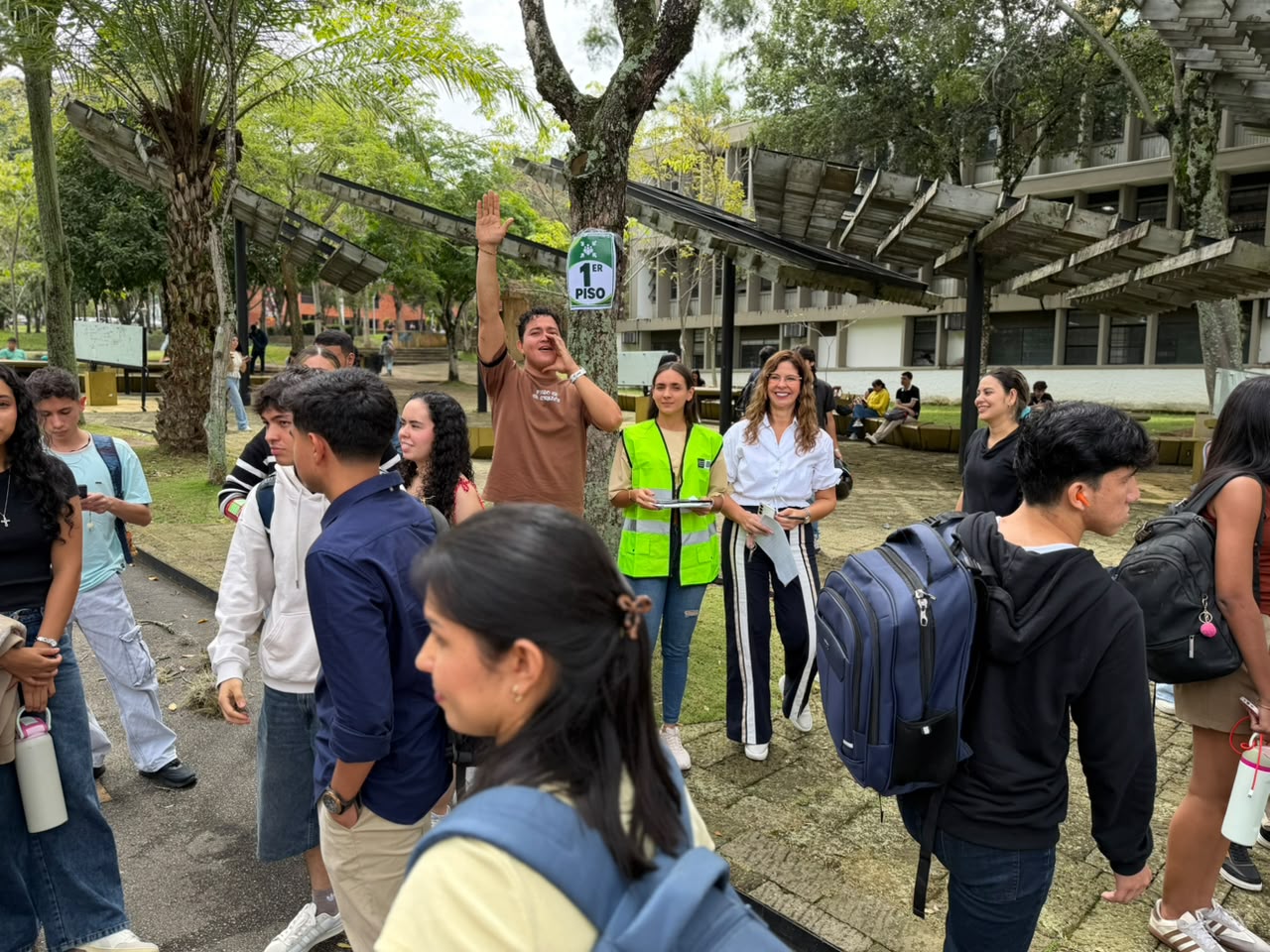
Under the strategy called “UIS Listening Center in the Territory,” the project implements a community mental health approach. A multidisciplinary team of psychiatrists, psychologists, and social workers took over the hallways, recreation areas, and classrooms of the regional headquarters.
“It is an assertive space that, unlike traditional psychology, feels like a chat with someone you trust, where you receive advice and the right words,” said Kevin Andrés Lozano Pineda, a student at UIS Socorro.
During the last quarter of 2025, the project’s implementation recorded significant results in terms of coverage and impact. In total, 782 participants were served through individual actions and 2,674 through group activities. In addition, in coordination with educational institutions, actions were developed for schools that benefited 107 participants, and 998 additional participants were reached through interaction with the digital environment, thus expanding the scope of the strategy.
To ensure this coverage, the project had a team of eight professionals deployed in the regional offices and four members of the core team at the Central Campus in Bucaramanga (Faculty of Health). The actions were carried out at the UIS campuses in Floridablanca, Barbosa, Barrancabermeja, Málaga, and Socorro, strengthening the institutional presence in the territory.


Strategies for Student Success
The main objective is not only to provide professional advice, but also to break down the emotional barriers that often lead to dropouts in the first semesters.
The model is based on three fundamental pillars. The first is individual listening, which provides immediate career guidance for undergraduate students and programs that link higher education with secondary education; psychoeducation, which involves psychoeducational strategies on social-emotional skills, health promotion, and risk prevention; and the digital environment, which involves the creation of educational materials hosted on the Listening Center’s website and Instagram account @centrodeescucha.uis.


Andrés Mauricio Gómez Tenorio, coordinator of the Barrancabermeja campus, described the initiative as a “total success,” highlighting the importance of bringing these specialized services to the provinces to ensure educational equity.
With this step, the UIS reaffirms its position as a national benchmark in the construction of healthy, inclusive, and sustainable academic environments, demonstrating that mental health is the main driver for students to achieve their professional life goals.
During the first semester of 2026, the Territorial Listening Center will continue to implement psychoeducational actions and work in coordination with Student Welfare, campus welfare services, and the SEA in order to provide comprehensive support that promotes the academic retention of UIS students.