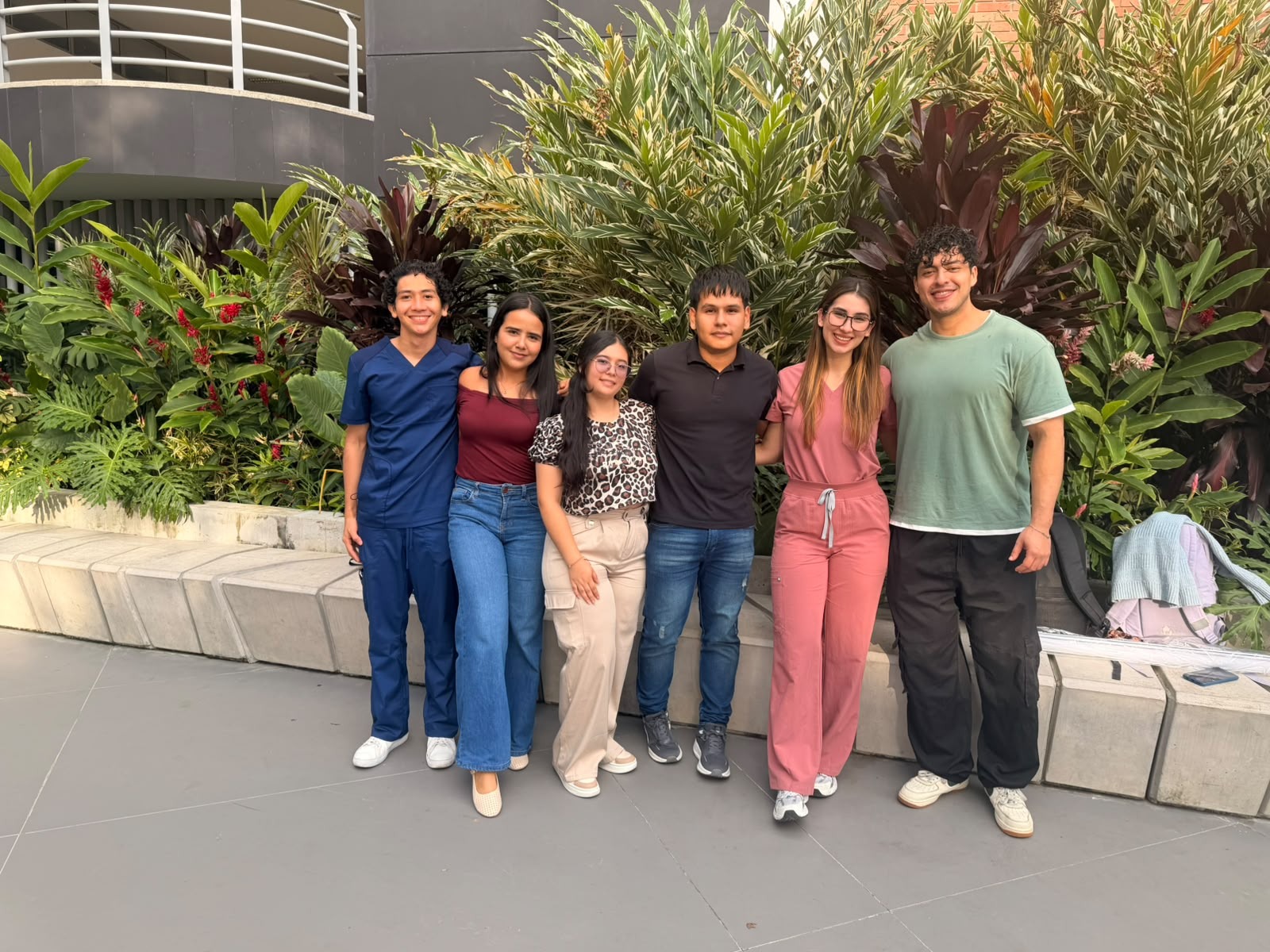


“The main dream is to see a broad UIS, a regional UIS, that opens the door to us from different regions and cultures,” said Bryan Felipe Hernández, a zootechnics student at the Málaga campus, during the meeting that brought together regional delegations with Rector Hernán Porras Díaz at the central campus of the Industrial University of Santander.
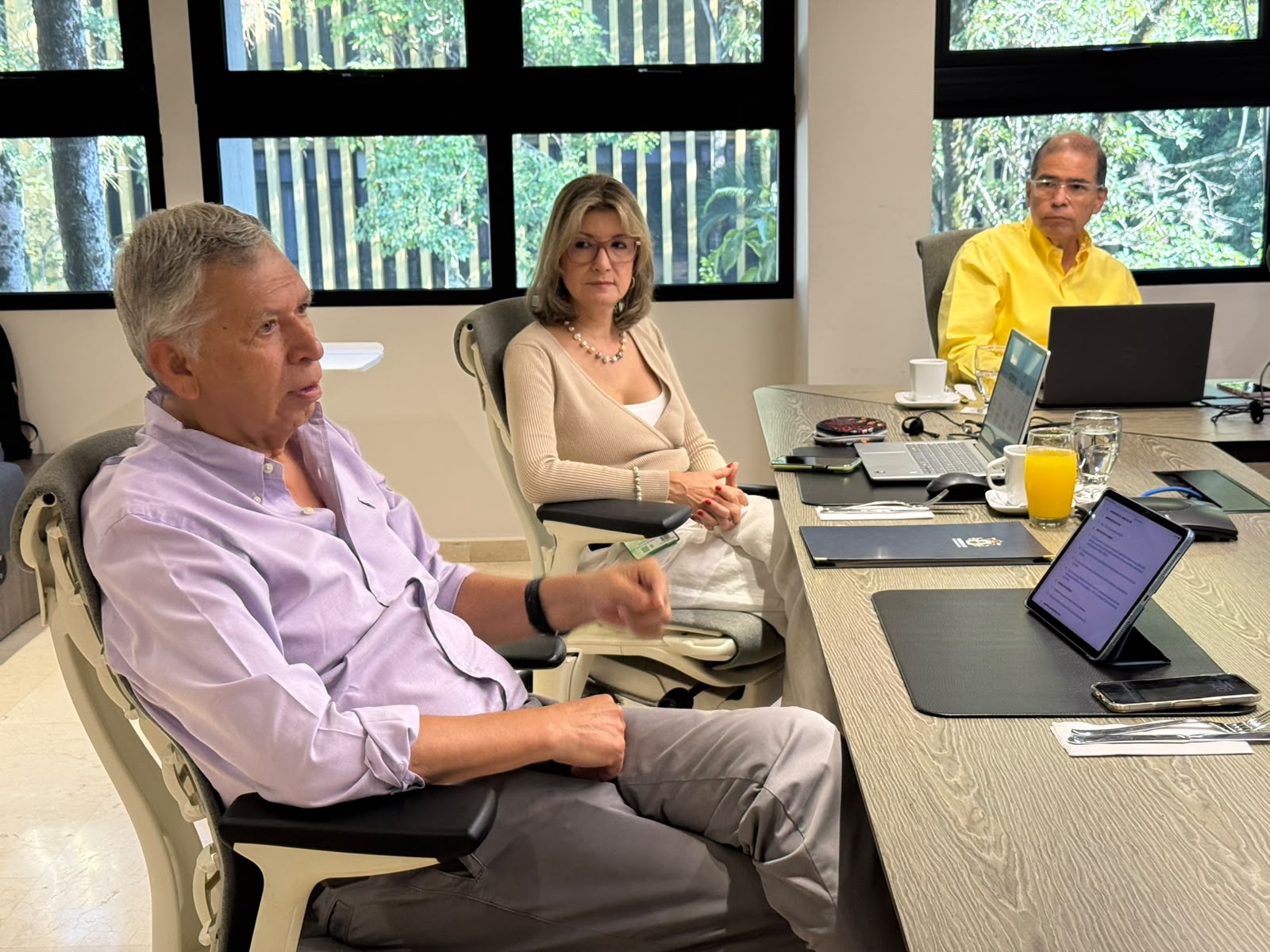
With a view to strengthening the region, representatives from the Málaga, Barrancabermeja, Socorro, and Barbosa campuses played an active role in a conference in which Rector Hernán Porras Díaz himself presented the progress, development plans, and institutional vision that seeks to move beyond the concept of “campuses” to consolidate them as “sections,” with autonomy, infrastructure, and academic offerings relevant to each territory.
During the meeting, the rector emphasized that the future of the UIS must be built from the regions, hand in hand with their needs, but also with their potential. In this regard, he stressed that the university must not only offer academic programs, but also listen to social and productive sectors to strengthen coordination.
From Magdalena Medio, Andrés Mauricio Montes, coordinator of the Barrancabermeja campus, emphasized the importance of the meeting: “It is very important and gratifying for us that the rector has invited us to share all the progress and achievements that the university is making in building the country.” Montes also praised the vision that drives academic, research, and social outreach growth at the campuses, and underscored the urgency of continuing to expand coverage: “The goal is for the regional campuses to become beacons of territorial development in Santander.”

In the same vein, he highlighted the impact that the university can have in vulnerable contexts such as Barrancabermeja and southern Bolívar: “An educated young person is a young person who is not caught up in armed conflict,” he said, emphasizing that the presence of the UIS in communities and neighborhoods is a way of building peace.
From Socorro, student Carolina Blanco appreciated that the opinions of students from the regional campuses are being heard directly: “Personally, I think it is very important that they take into account the opinions and thoughts of us students from the regional campuses, because we can project the benefits we can bring to the communities that are supporting us at this time throughout the educational process.”
Carolina, originally from the department of Arauca, particularly highlighted the project to open the campus in Saravena as an example of the institution’s commitment to territories affected by the conflict: “The initiative to open the campus in Saravena shows the rector’s commitment to bringing higher education to all those places where we have difficulty accessing it.”
He also called for the growth of campuses to not be limited to physical or academic aspects, but also to student well-being: “I think it’s important to look beyond infrastructure in different regions and also focus on student well-being, providing training on mental health, how students can handle the whole process of entering university, and how they can stay on track throughout their university life.”

The event also reaffirmed the pride of belonging to the UIS, especially among those who experience it from the regions. “The UIS has been our guiding principle. It is a priority. The UIS is the UIS, it is one of the best universities there is,” said Bryan Hernández, who also insisted that the university should be open to the country’s cultural diversity.
These types of meetings mark a new stage in the relationship between the central campus and the regions. A stage in which the UIS no longer thinks from Bucaramanga outward, but from the territory toward the university. The promise is clear: a UIS that is closer, broader, and more connected to the country. And as its students dream, a UIS where “different cultures, regions, and knowledge” find their place.
After the meeting with the rector, the guests from the other campuses took a tour of different areas of the Central Campus, including the Natural History Museum and Bienestar Pro.