
In a new step toward the decentralization of higher education in the country, the Universidad Industrial de Santander (UIS) is advancing the consolidation of educational infrastructure projects that will expand access to high-quality university education in regions historically underserved by academic offerings.
This Monday, a strategic meeting was held to review and accelerate projects being developed in the departments of Arauca, Vichada, Guainía, and Guaviare—territories where access to higher education has been limited for decades due to geographical, economic, and infrastructure barriers.
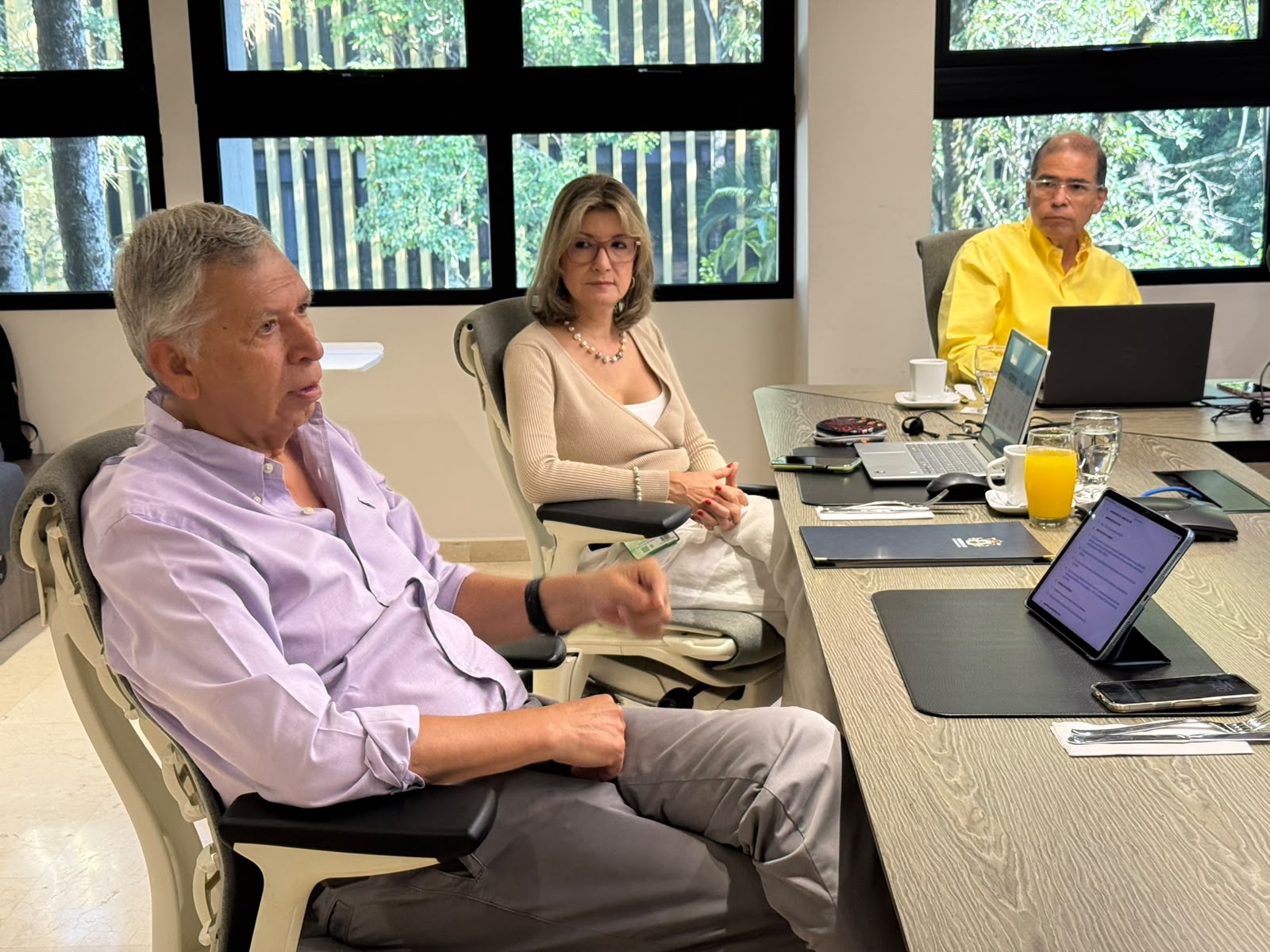
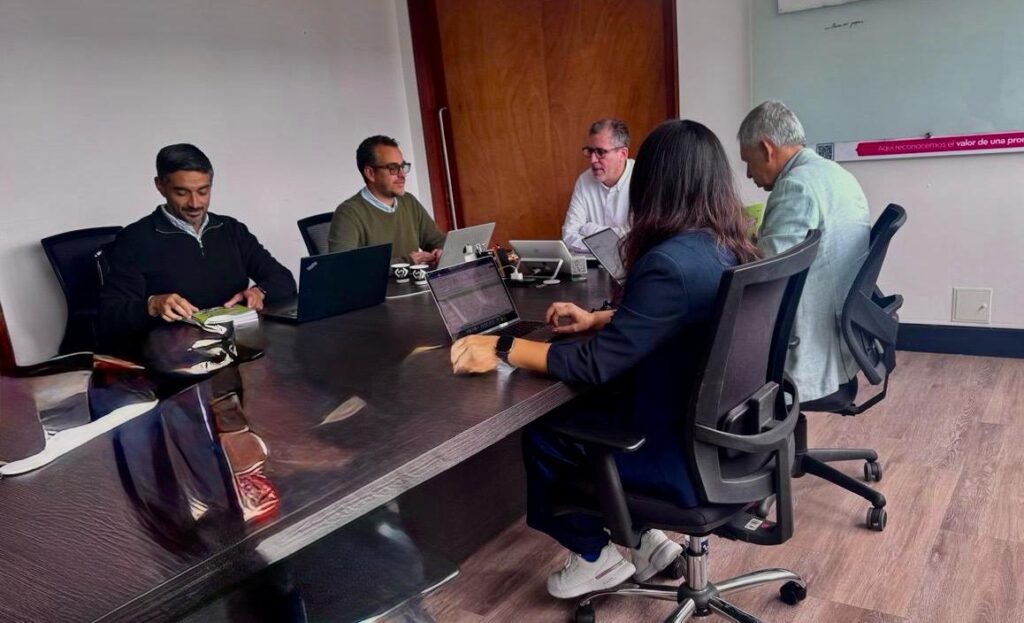
The meeting was led by Luis Álvaro Gallardo, Director of Promotion for Higher Education, and included the participation of UIS Rector Hernán Porras Díaz, accompanied by Director of Planning Alexandra Cortés and Head of the Legal Office César Quijano.
During the session, attendees reviewed the status of ongoing processes and prioritized immediate actions aimed at ensuring the approval of academic programs, as well as the establishment of functional, practical, and comfortable facilities for future students in these regions.
The expansion of UIS represents a significant step forward in the goal of bringing high-quality higher education to underserved territories—an effort aimed at closing longstanding access gaps and creating new opportunities for thousands of young people who, until now, had to travel long distances or give up the possibility of pursuing university studies.
The arrival of academic programs in departments such as Arauca, Vichada, Guainía, and Guaviare not only strengthens access to professional education but can also become a driver of social and economic transformation for these communities by promoting local talent retention, strengthening regional capacities, and fostering equitable territorial development.
Through initiatives like these, the UIS reinforces its role as an institution committed to expanding the frontiers of higher education and responding to the needs of regions where university presence has historically been limited or nonexistent.