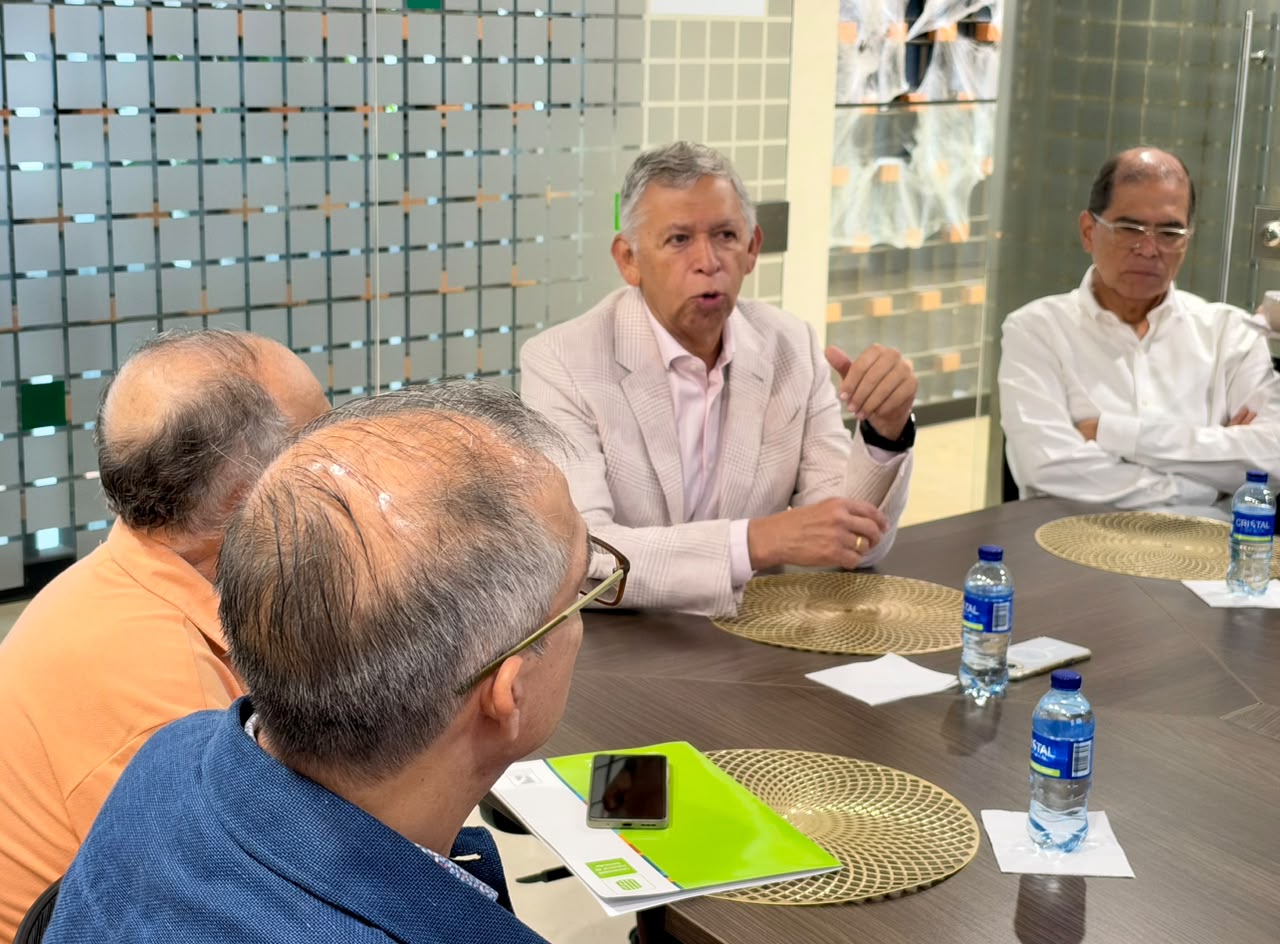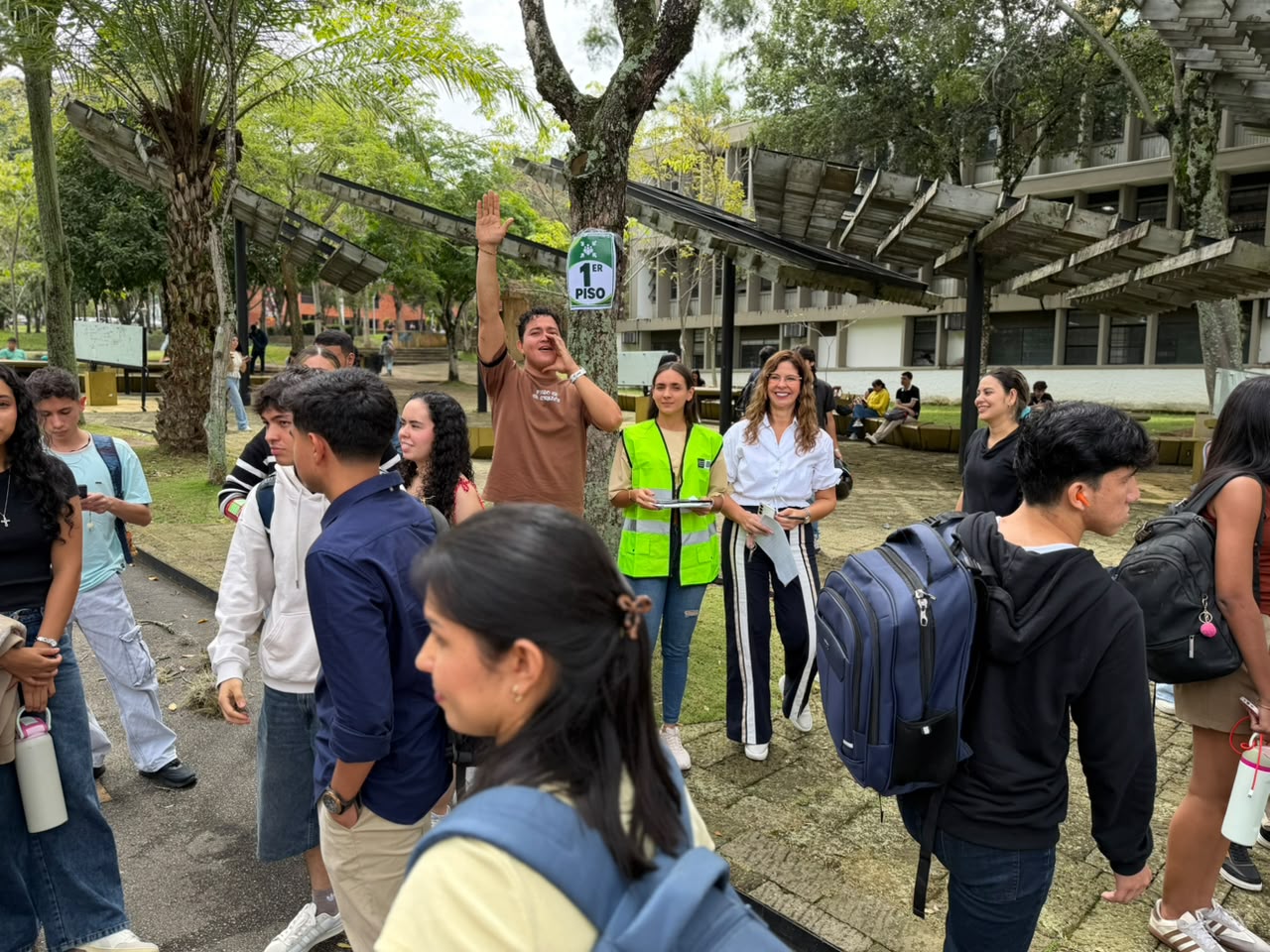


The Scientific Research Ethics Committee (CEINCI) of the Industrial University of Santander (UIS) held its third meeting, a space where researchers, professors, and students gathered to reflect on and strengthen the culture of responsible research at the institution.
“The objective is part of our educational work as a committee. We seek to engage with the community at all levels, from students to researchers, and to generate a clearer and more understandable approach to CEINCI’s activities: how we work with communities, how we develop informed consent forms, how we approach artificial intelligence, among other aspects,” explained Daniel Miranda, director of CEINCI.
During the conference, current and high-impact issues for academia were addressed, including: Ethical aspects of Open Science; Integrity in research beyond informed consent; Ethical dimensions in research in the Humanities; Ancestral knowledge, extractivism, and biopiracy; Ethics and Artificial Intelligence; Ethics in Open Science; and The importance of submitting projects to CEINCI.

“I think it’s a very valuable effort because it allows students to understand that ethics is not something that can be resolved in a short course or a manual. Ethics must be at the core of their education, nurturing ongoing reflection that cuts across the epistemological, methodological, and conceptual. It should guide their academic practice, their organizational life as students, and their professional future,” said Maite Yie Garzón, associate professor in the Department of Anthropology at Javeriana University.
Participating students emphasized the relevance of the topics covered, especially because of their usefulness for their training as researchers, particularly when working with specific populations.
“For us, as members of the UIS and future researchers, academic rigor is fundamental. These spaces provided by the University are very enriching; it is important to understand where the information comes from and how to work with it properly,” said Wendy Suárez, a student in the Bachelor’s Degree in Spanish Language and Literature.
“I think it is very important to consider the inclusion of indigenous and ethnic communities in the social projects developed at the University in coordination with social organizations,” added Brain González, a chemistry student.