

This project, funded by CIHR Canada and led in Colombia by Professor Laura Andrea Rodríguez Villamizar, director of the Department of Public Health at the School of Medicine of the Industrial University of Santander (UIS), and in Canada by Carleton University, seeks to create a population cohort based on administrative data that will provide key evidence for the formulation of public health policies in the country.
The project brings together academic institutions in Colombia and Canada and the entities responsible for producing official statistics in both countries: DANE Colombia and Statistics Canada. In this way, Colombia’s institutional and academic strengths are combined with Canada’s more than 15 years of experience in consolidating and analyzing the Canadian Census Health and Environment Cohorts (CanCHECs).
The objective in this first phase is to strengthen DANE to create the census cohort linked to vital statistics (mortality and births) and, through analysis of the cohort created, to understand, based on robust evidence, how social, economic, territorial, and environmental conditions influence mortality from childhood to adulthood.
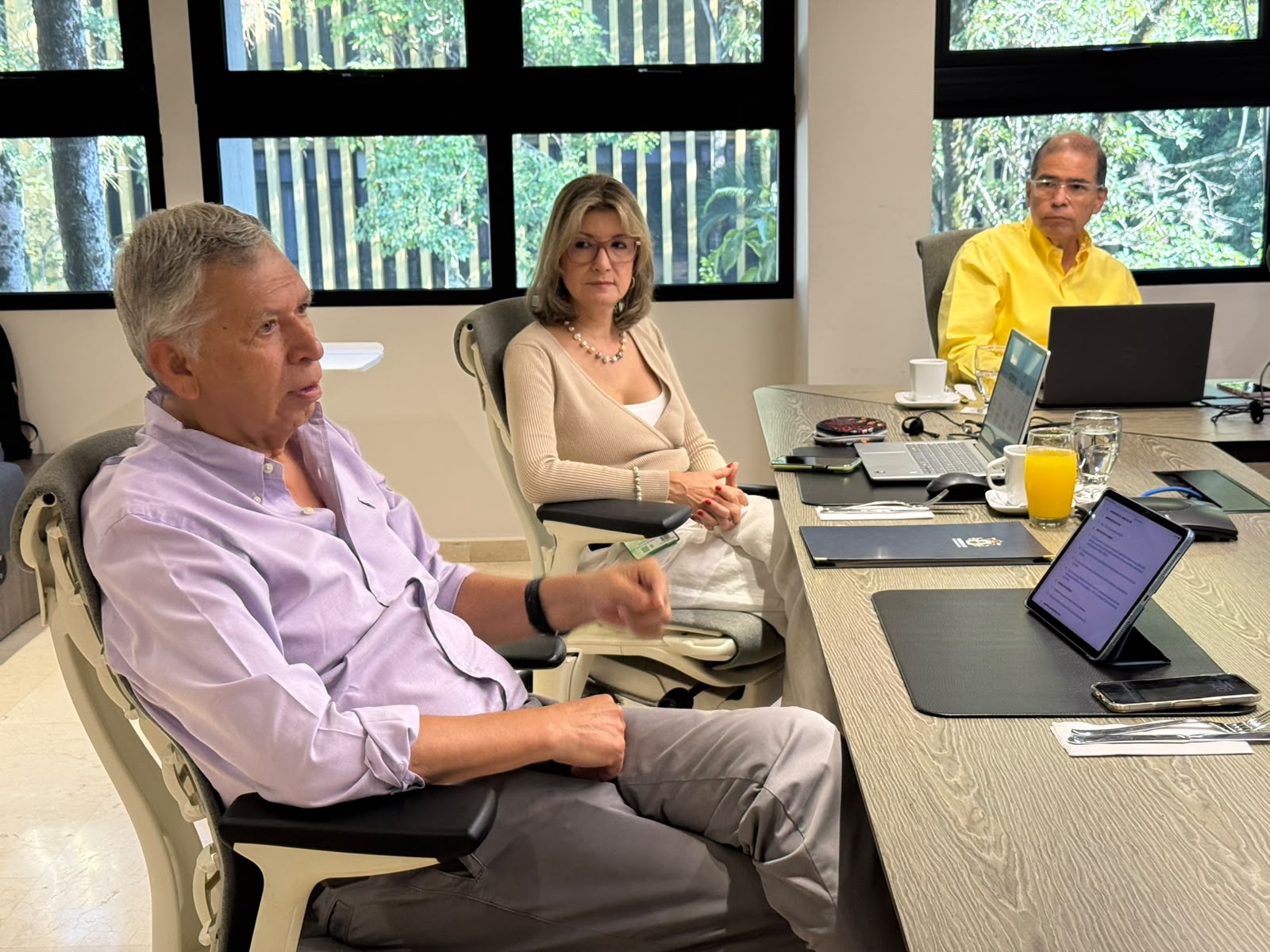
The Caribbean campus of the Universidad de los Andes was the venue for the meeting that consolidated this long-term initiative funded by the Canadian Institutes of Health Research (CIHR). The project brings together researchers from the UIS and Carleton University, with support from teams at the Faculty of Medicine and the SDG Center at the Universidad de los Andes, as well as McGill University, the University of Alberta, Pontificia Universidad Javeriana, the University of Antioquia, the Bogotá District Health Secretariat, DANE, Statistics Canada, the Institut National de la Recherche Scientifique, Dalhousie University, and Queen’s University, strengthening dialogue between academia and government entities.
During the meeting, participants discussed methodological approaches, technical challenges, and opportunities for cooperation to integrate administrative records, censuses, and other sources of official information. This joint effort will make it possible to draw up a roadmap that promotes the use of data to identify the multiple factors that affect the mortality of children, adolescents, and adults, with an emphasis on social and territorial inequalities.
The initiative represents a significant advance for public health research and evidence-based policy-making. It also contributes directly to the achievement of Sustainable Development Goal 3 (Good Health and Well-being) by generating knowledge about the structural causes of mortality, and SDG 17 (Partnerships for the Goals) by consolidating an international network of academic and institutional cooperation. With this project, the participating universities and entities reaffirm their commitment to the production of rigorous knowledge that contributes to improving people’s quality of life and to informed decision-making in this area.