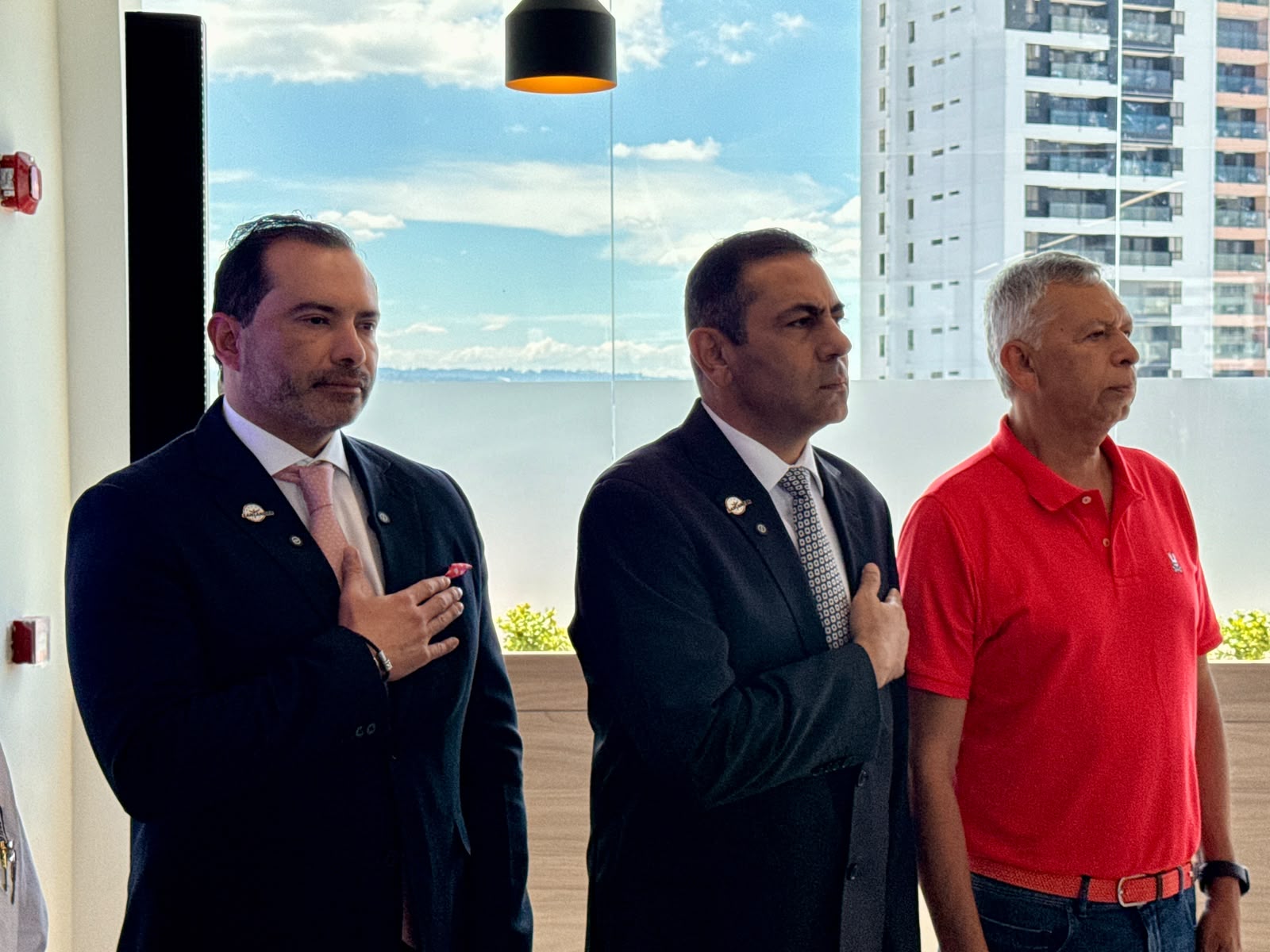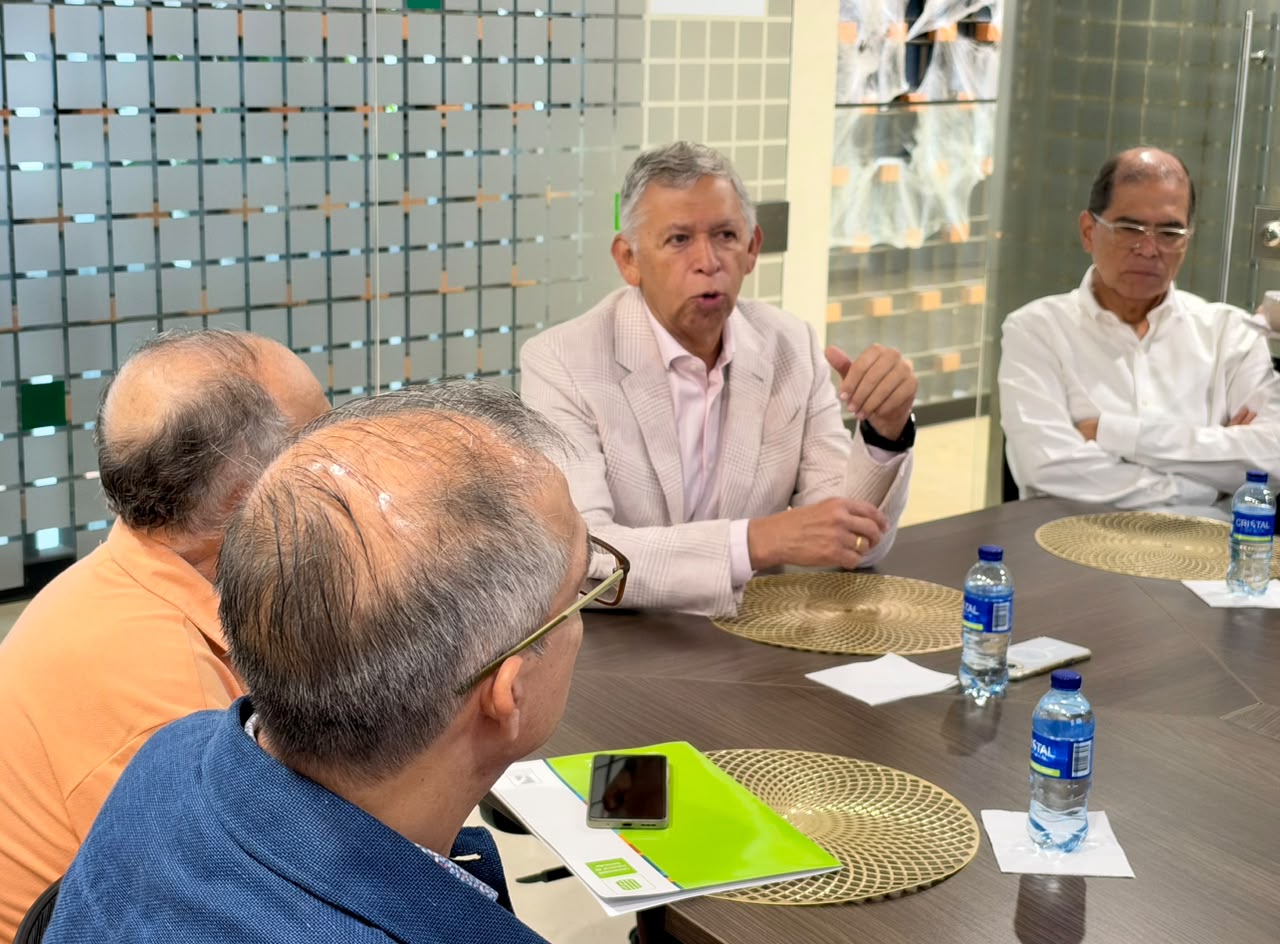


In a ceremony held in the Academic Vice-Rector’s Boardroom, the Industrial University of Santander (UIS) officially appointed Professor Helwar Hernando Figueroa Salamanca as the new director of the School of History. The ceremony was attended by the academic vice-rector, Olga Mercedes Álvarez Ojeda, who swore him in and expressed her support for the work he is about to begin.
During his speech, Professor Figueroa expressed his commitment to strengthening academic quality and promoting projects that contribute to the social and cultural development of the region. “There are many challenges ahead in continuing with the reform processes and creating programs such as Anthropology and Archaeology, moving forward with the Gran Santander Museum with the Regional Archive, and creating a very strong link with Amovi, which is the visible face of the peace to which we are committed at the University,” he said.
Vice-Rector Álvarez congratulated the new director and highlighted his academic career, as well as his leadership skills to face the challenges demanded by the academic unit:
“We appreciate your willingness to take on and lead the School of History starting today, and we wish you every success in this process,” she said.

Figueroa Salamanca holds a PhD and a master’s degree in History and Latin American Studies from the University of Toulouse Le-Mirail (France), with postdoctoral studies at the Autonomous Metropolitan University (Mexico) and a degree in history from the National University of Colombia. He is a tenured professor at the UIS, where he has directed the Yearbook of Regional History and Borders and the Research Department of the Faculty of Human Sciences
His teaching and research career covers Colombian history, social movements, memory, territory, conflict, and cinema. His research focuses on the social history of power and culture, with an emphasis on education, religion, and their links to politics and violence. In recent years, he has studied mid-20th century violence, forced displacement, and the role of memory and territory in cultural identity, with numerous publications in academic journals and books.
With this appointment, Professor Figueroa takes on the challenge of consolidating new programs, strengthening the cultural and academic projection of the School of History, and promoting a comprehensive education that connects historical knowledge with the current needs and challenges of society.