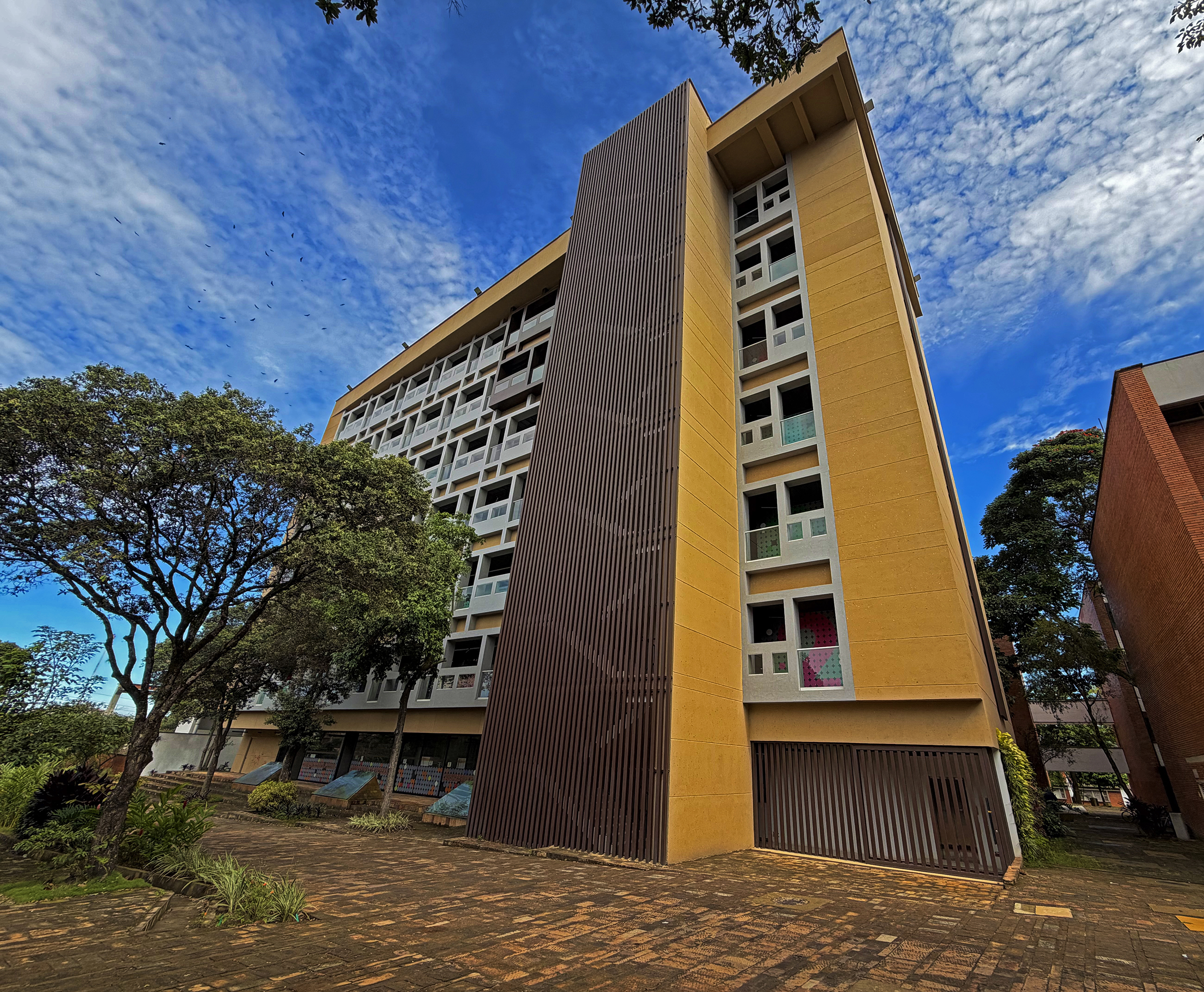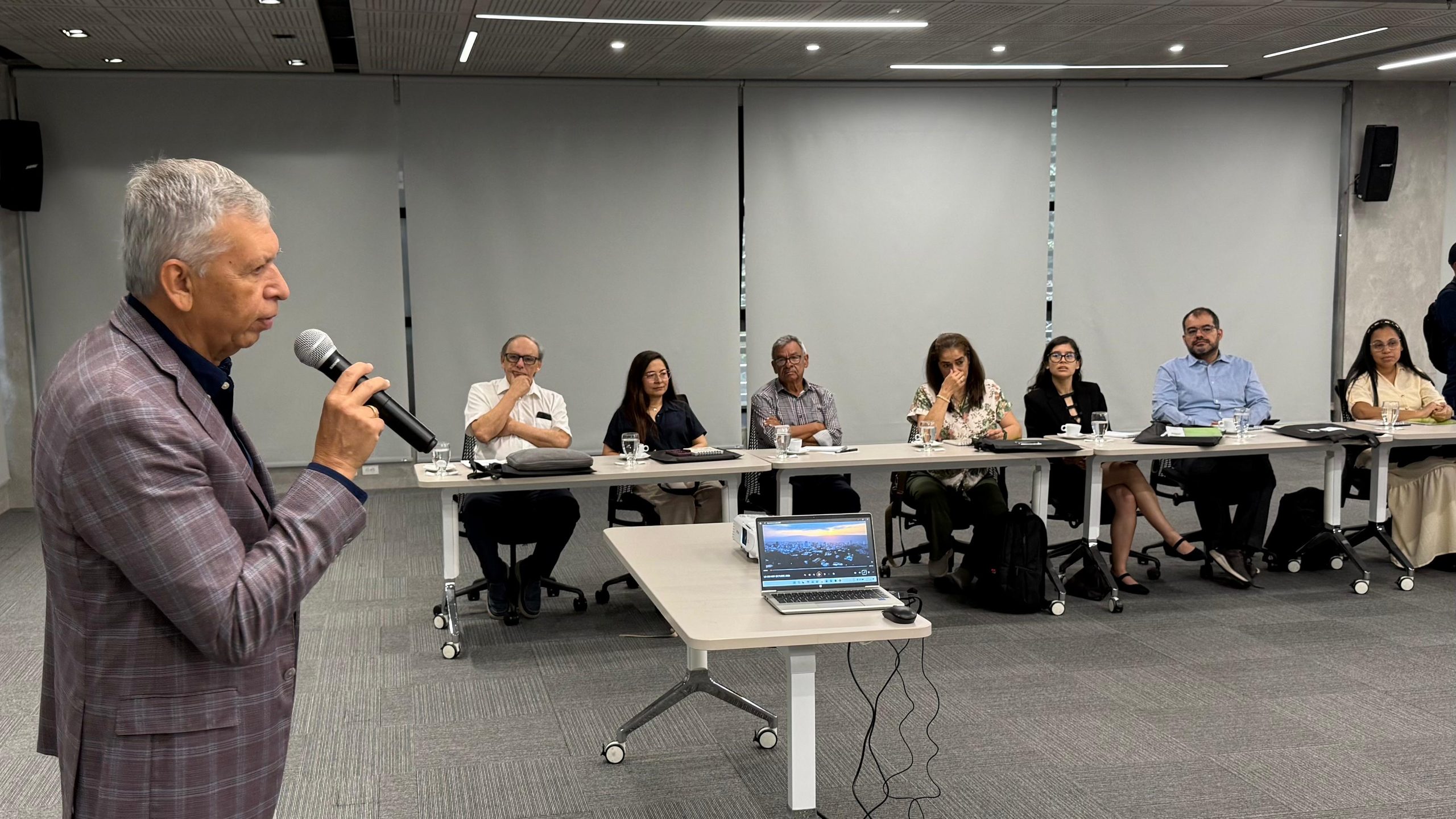

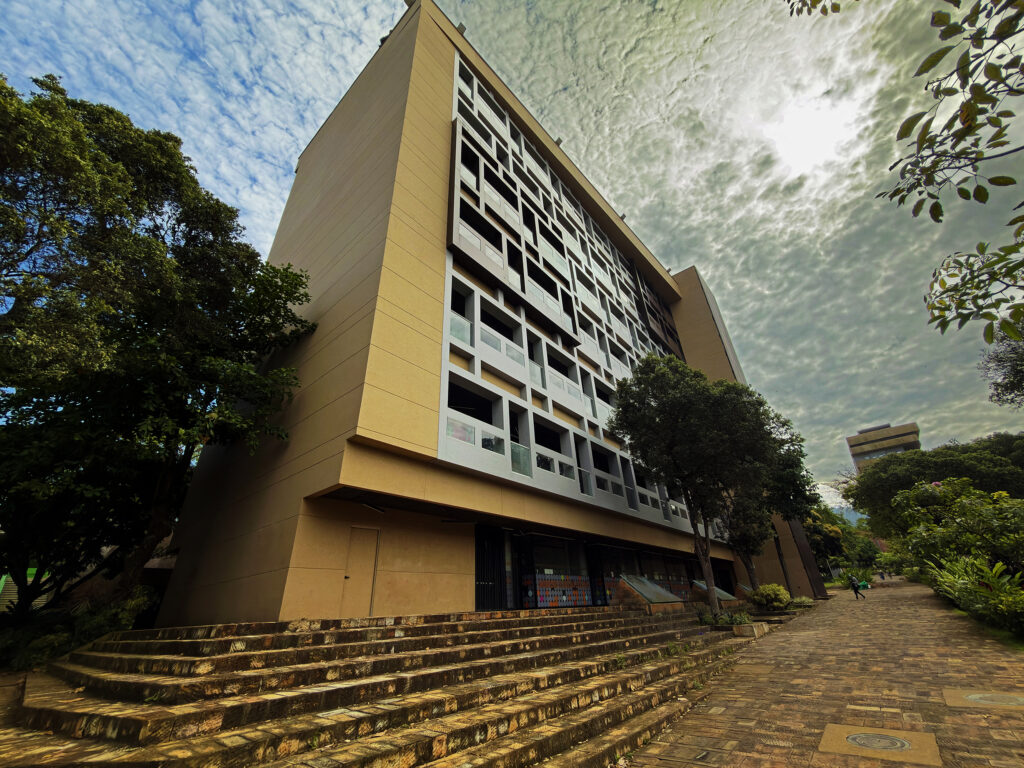
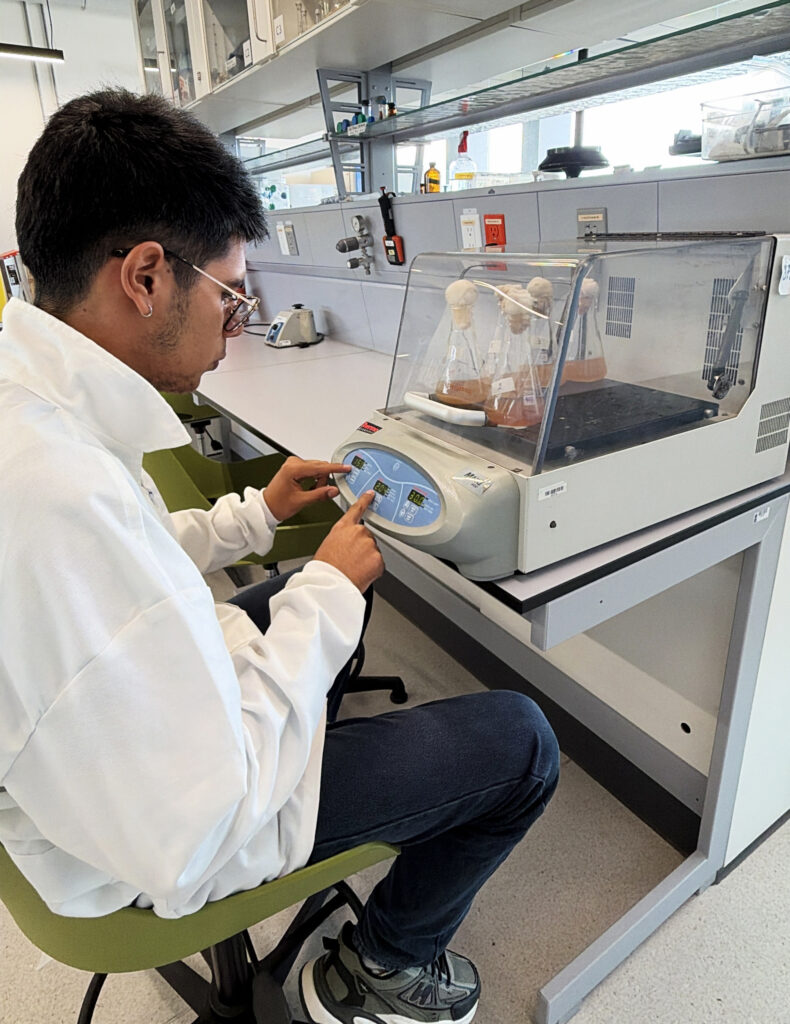
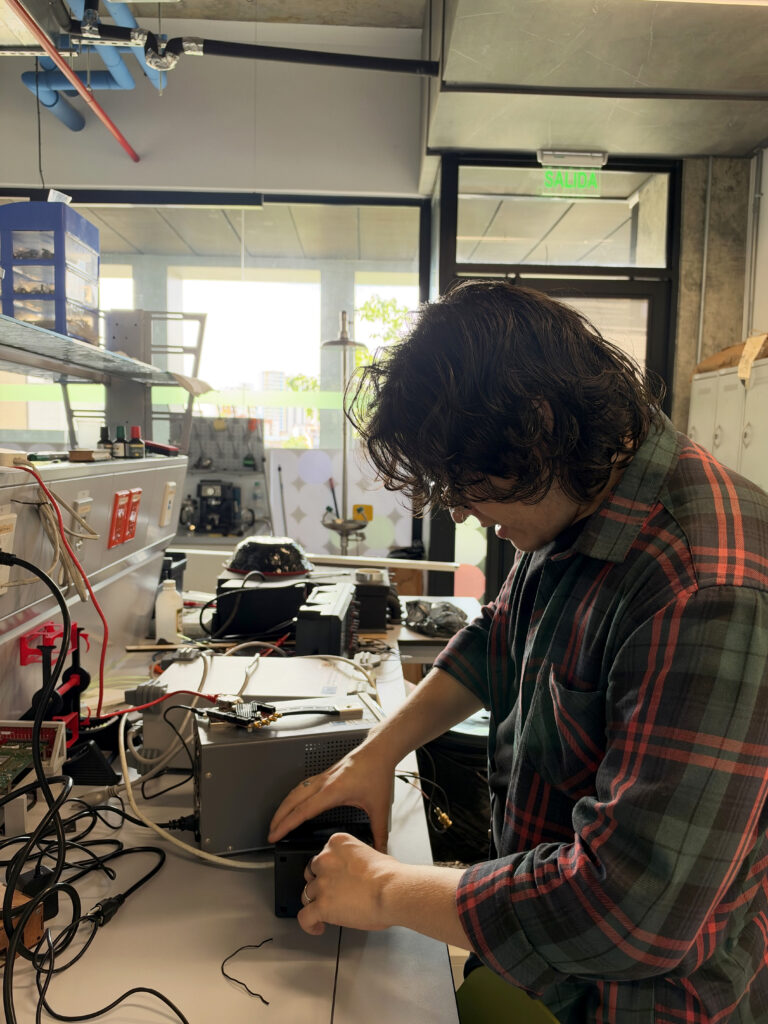
With more than 7,200 square meters, eight levels and 26 specialized laboratories, the Faculty of Sciences Research Building (EDIC) strengthens the scientific capabilities of the Industrial University of Santander (UIS). Its architectural design promotes interdisciplinary work, takes advantage of the surrounding environment and brings research activities closer to the university community. This infrastructure is featured in the 10th episode of the documentary series Vive el Patrimonio: Una Década de Transformación (Living Heritage: A Decade of Transformation).
Scientific research requires appropriate spaces to develop projects, exchange knowledge and generate solutions to scientific and technological challenges. To meet these needs, the Industrial University of Santander (UIS) has the Faculty of Sciences Research Building (EDIC), a facility designed to strengthen research, teaching and community outreach.
With 26 specialized laboratories spread across more than 7,200 square meters and eight levels, the building expands the opportunities available to researchers, professors and students. Furthermore, its design takes into account the specific dynamics of scientific work and the importance of encouraging interaction between different academic disciplines.
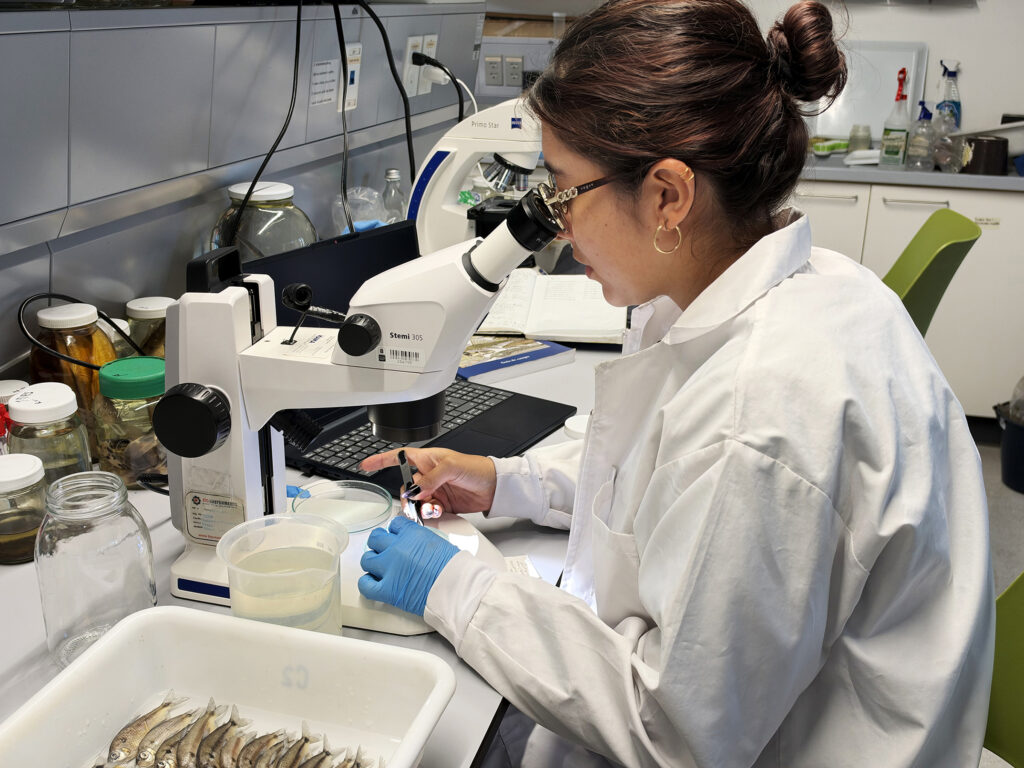
Architecture Designed for Scientific Work
The architectural project, developed by Fabián Camargo Arquitectos, responded to the need for additional facilities for the fields of science and engineering. According to Daniel Tarazona Pimiento, an architect from the firm, the layout of the laboratories and work areas was planned to facilitate interaction among researchers and encourage the exchange of ideas.
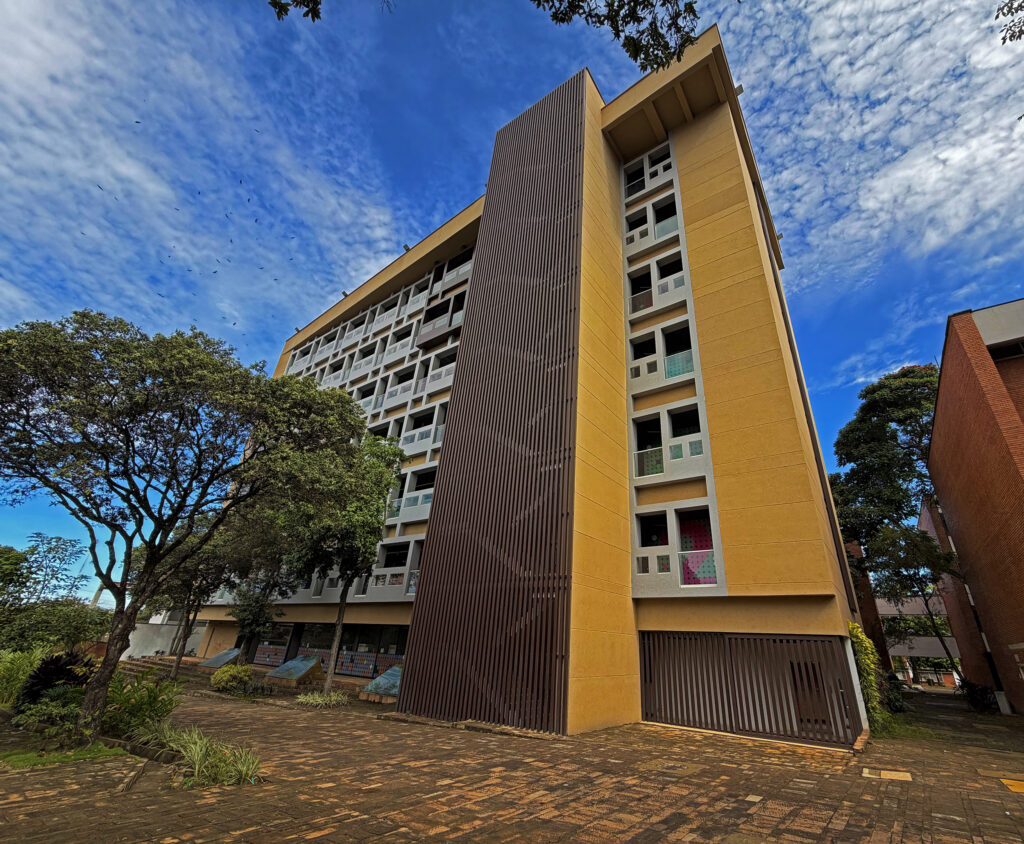
One of the EDIC’s most distinctive features is its façade, whose composition draws inspiration from Le Corbusier’s Modulor. In addition to giving the building its visual identity, this outer envelope serves practical purposes related to occupant comfort: it protects indoor spaces from solar radiation, helps maintain suitable thermal conditions and allows natural light to enter.
The façade’s transparency also reflects a central intention behind the project: making research visible. As Tarazona Pimiento explains, the idea was to allow people to observe researchers at work and gain insight into some of the processes taking place inside the laboratories.
“What makes this building truly special is that it does not hide research; it displays it,” says the architect. In this way, the EDIC allows the university community to engage with scientific activity, rather than simply seeing the results it produces.
A Building Integrated into the University Campus
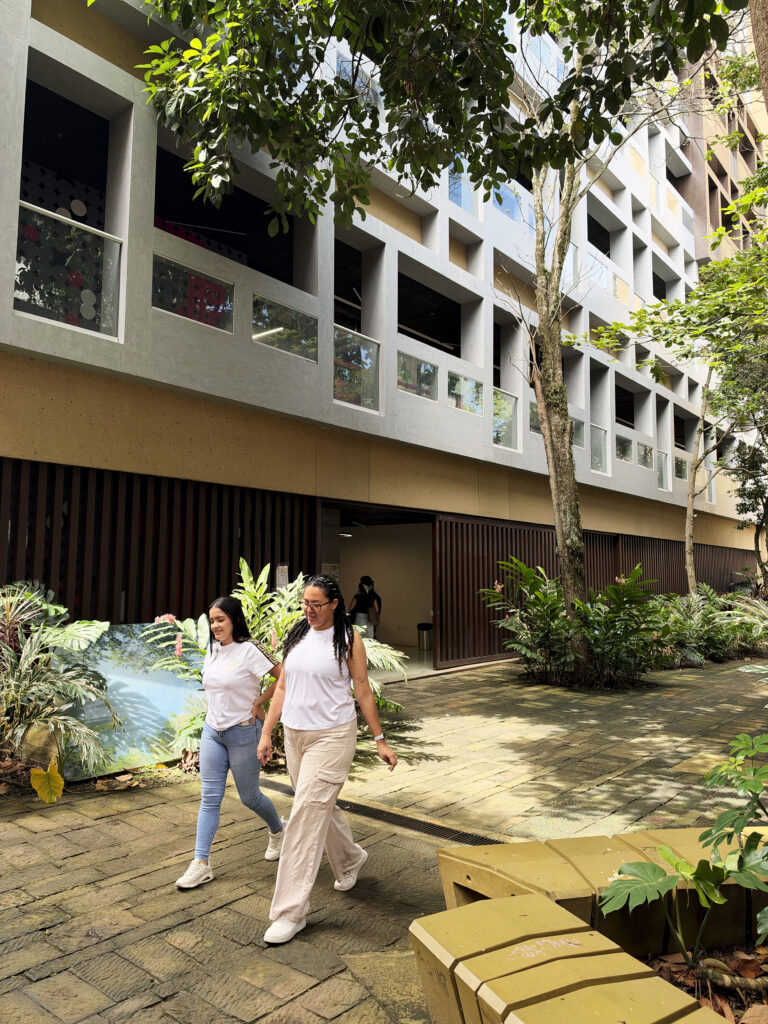
The building’s location and relationship with the campus were also important considerations during its design. Situated on the western side of the University, the EDIC adapts to the terrain, connects with the surrounding green areas and takes advantage of the landscape views.
Claudia Silva explains that the intention was to integrate the building into UIS’s architectural identity, preventing it from appearing as a structure disconnected from the campus. To achieve this, the project incorporated durable materials consistent with the surrounding environment. In addition, its outdoor spaces were designed to encourage students and other members of the university community to spend time together.
This relationship between architecture and its surroundings also serves a broader social purpose. For Silva, the EDIC should help bring research beyond specialized facilities so that people can understand and appreciate its value.
“The building brings science closer to the community. In Colombia, we call this the social appropriation of knowledge,” she explains. This approach seeks to connect researchers’ work with society and create opportunities for younger generations to discover how scientific knowledge is developed.
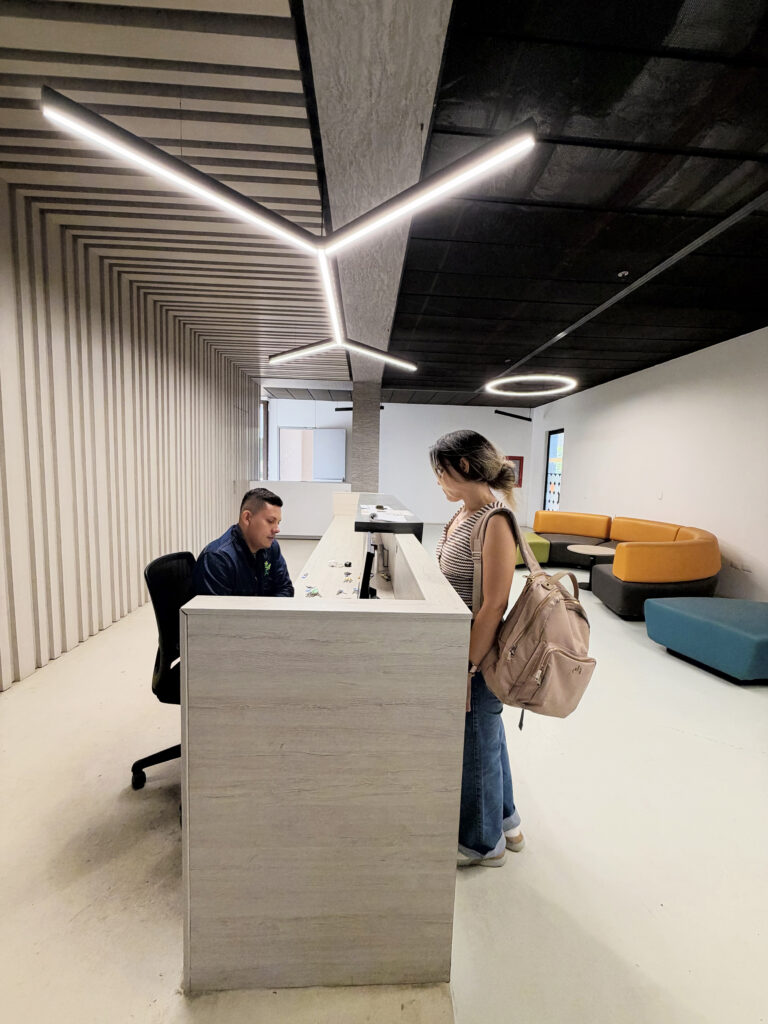
A Space That Brings Science Closer to New Generations
The opportunity to observe activities inside the laboratories makes it possible to recognize the work behind scientific advances. According to Tarazona Pimiento, this feature can spark the curiosity of people walking through the campus and encourage young people to consider research as an academic and professional path.
Consequently, the EDIC serves a purpose that goes beyond providing specialized facilities. It brings together the needs of scientific research and an architectural proposal that encourages interdisciplinary collaboration while bringing science closer to the community.
The building’s design, its relationship with the campus and its contribution to the UIS’s scientific development are explored in the 10th episode of Vive el Patrimonio: Una Década de Transformación (Living Heritage: A Decade of Transformation), the documentary series showcasing the projects and spaces that have transformed the University’s infrastructure over the past decade.
Watch the episode dedicated to the Faculty of Sciences Research Building and discover how UIS infrastructure contributes to research and knowledge creation.