

The Forestry Engineering Program at the Industrial University of Santander-Málaga Campus is leading the project “Making nature crafts from non-timber forest products,” an initiative that combines artisanal creativity with environmental conservation in the province of García Rovira.
The project seeks to make sustainable use of non-timber forest products (NTFPs) such as fibers, seeds, and cane to create crafts that represent the region’s natural wealth. This promotes the protection of Andean forests, dry forests, moorlands, and strategic ecosystems that are home to valuable species of flora and fauna.
To date, four of the six scheduled workshops have been held in locations such as the village of Juncal de Enciso, Laguna de Ortices, and rural areas of Málaga. Topics covered include decorations with leucaena, natural molding, and the sweet soul of cane, among others.
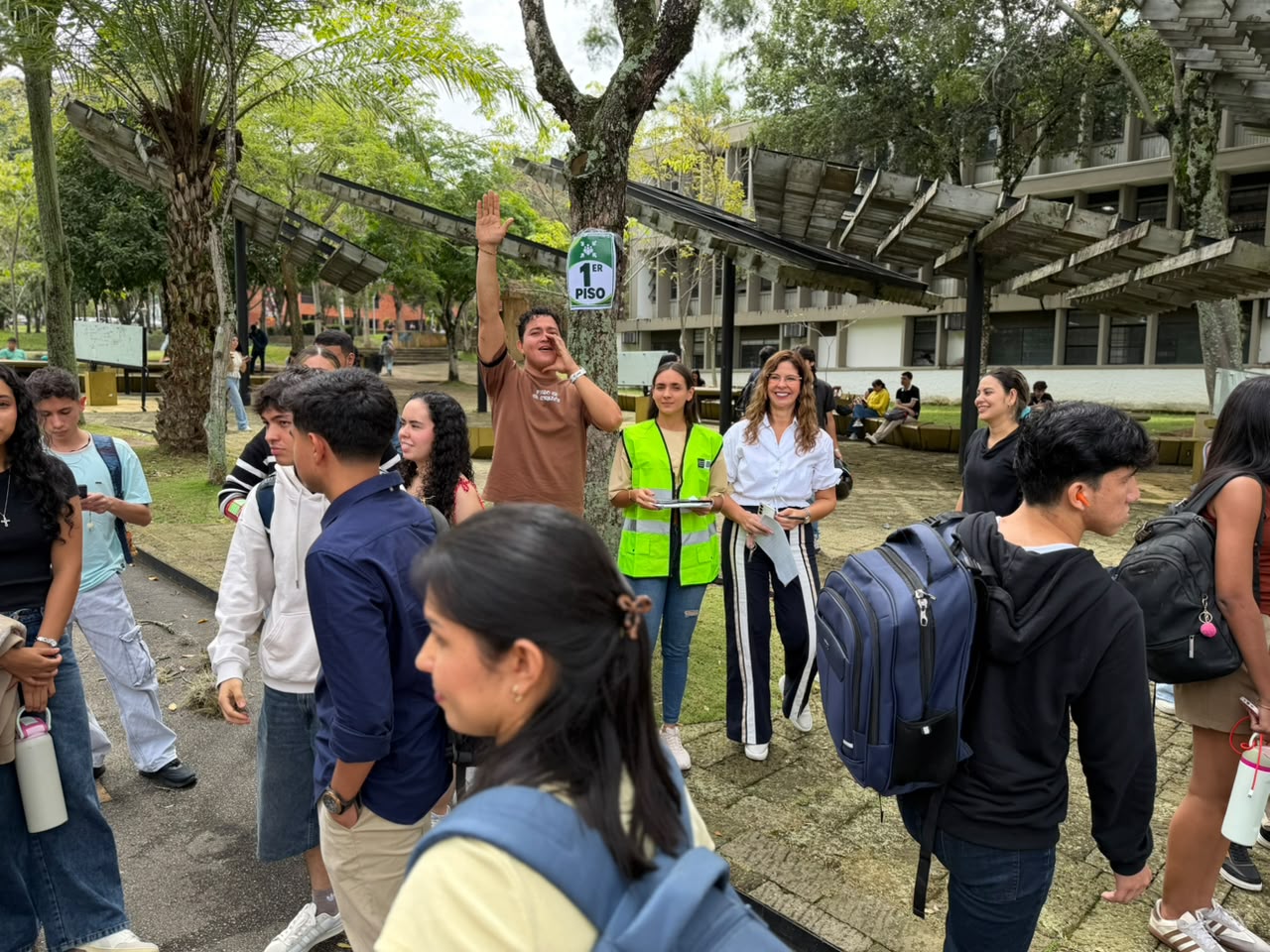
At each meeting, 20 forestry engineering students and 12 community members actively participate, sharing knowledge, creativity, and experiences.

“These types of initiatives strengthen the connection between the university and the community, promote teamwork, and generate innovative ideas for the sustainable development of the region,” said Diego Suescún, professor and coordinator of the forestry engineering program.
For Verónica, a forestry engineering student and artisan who also leads the workshops, the process has been a meaningful experience.
“As an artisan, it has been a great experience, very enriching and satisfying to be able to teach the community about the different uses of timber and non-timber forest resources. These types of activities provide a better understanding of how to view forests and the resources they offer us, raising awareness and a sense of belonging towards their care. In addition, it is important to show that economic and cultural benefits can be obtained from the forest, which contributes to maintaining a balance between humans and nature, as the sustainable use of resources is essential”.
The project, led by the research group “Los Cloroplastos” and funded by the Vice-Rectorate for Research and Extension (VIE), will continue with two more workshops in the coming months, consolidating art as a path for the conservation of the environment and local culture.
With these actions, UIS Málaga reaffirms its commitment to biodiversity conservation, environmental education, and the strengthening of the communities of García Rovira.