

The development of indicators to measure the impact of higher education in the territories marked the second day of the Regional Meeting of Arts and Humanities of the project Academic Communities that Transform Territories – Phase II, led by the Industrial University of Santander (UIS).
During this session, the work focused on translating the progress of academic dialogue into concrete tools to evaluate the results of proposals jointly developed with stakeholders from the academic, productive, business, governmental, and social sectors.
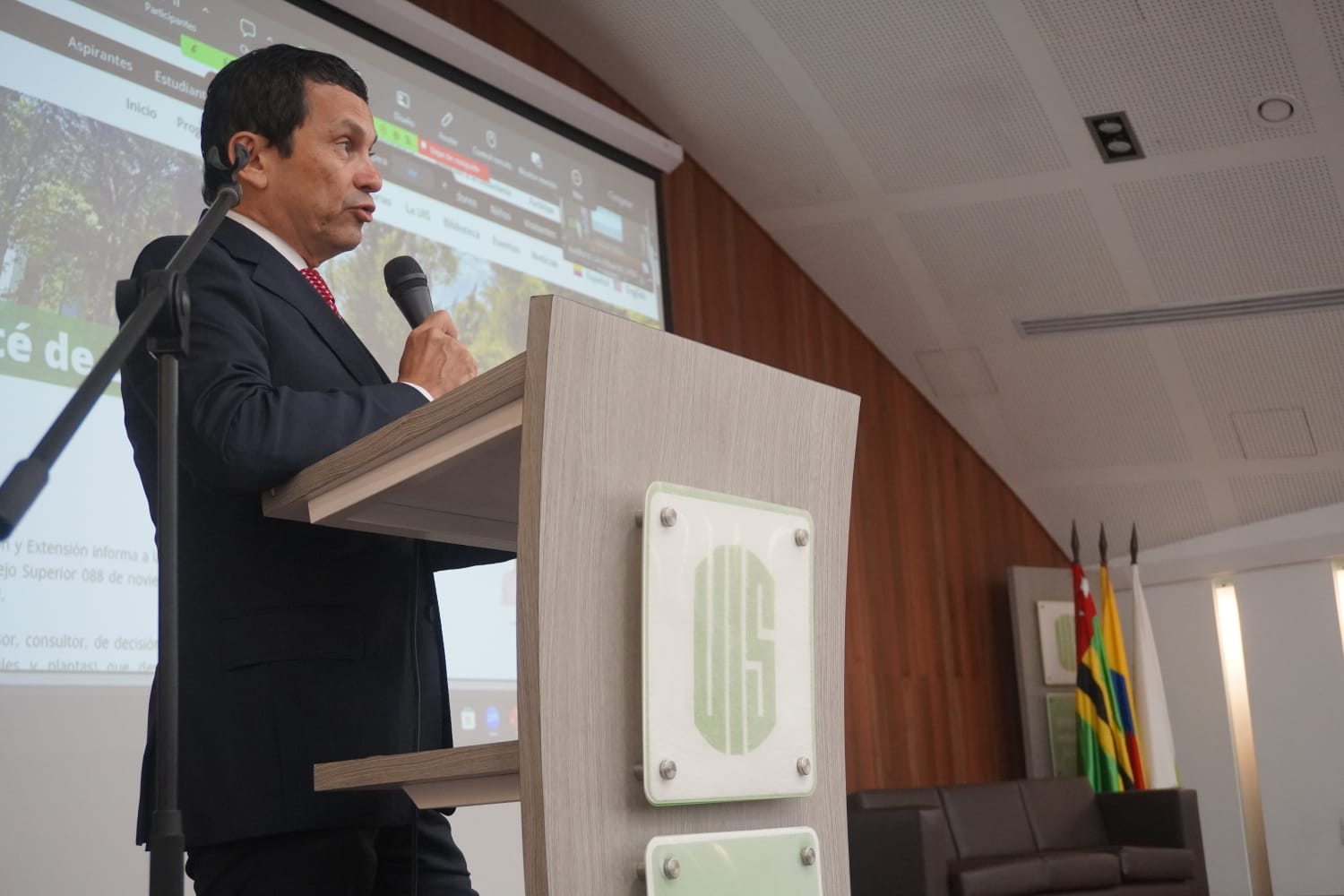
The event began with a reconnection of the main learnings from the previous day, led by Jorge Francisco Maldonado Serrano, head of the Arts and Humanities knowledge area, who highlighted the importance of ensuring continuity in collectively built processes.

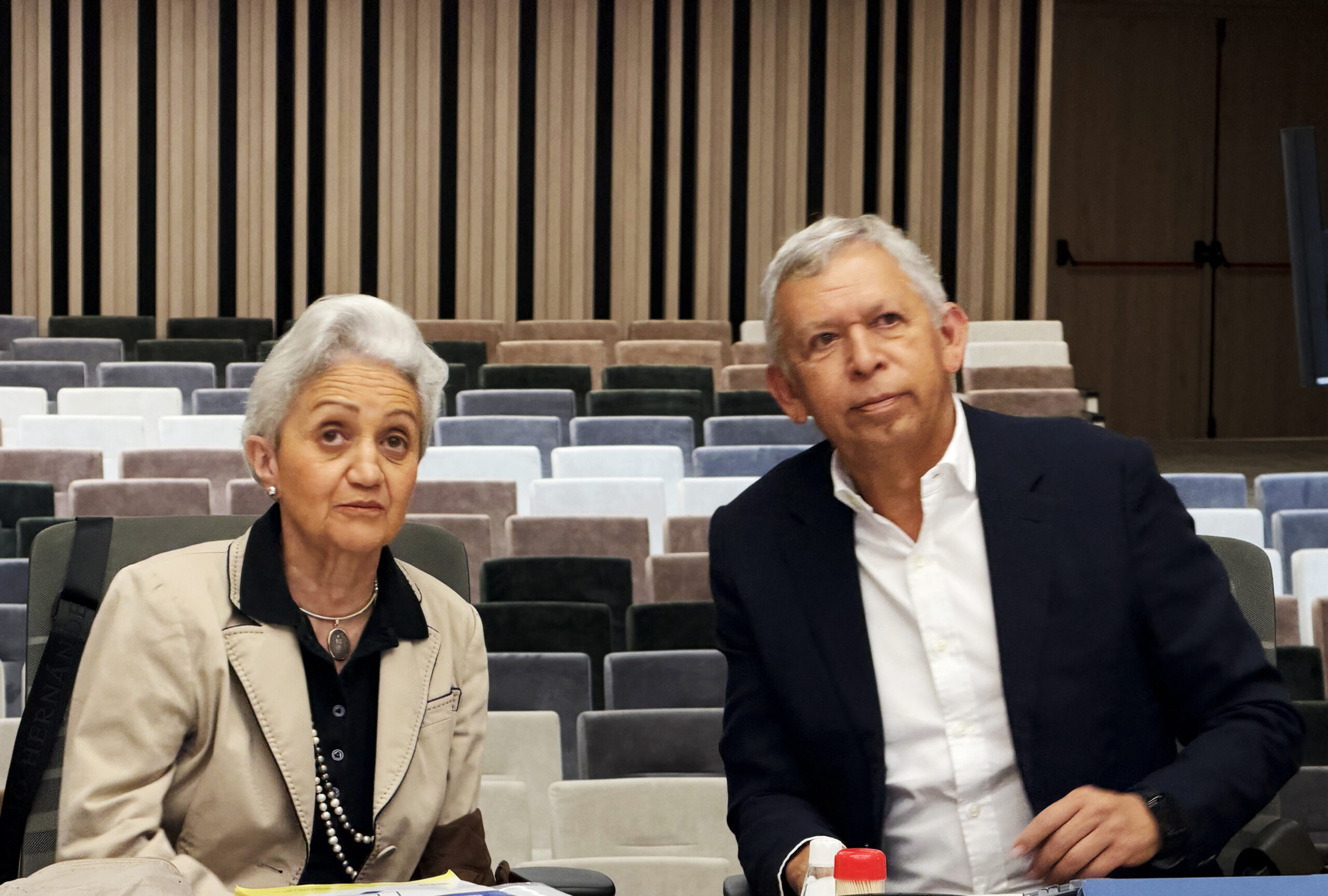
Subsequently, a panel discussion on measuring impacts in the territory was held, featuring Dr. Óscar Mauricio Pabón Serrano, professor in the Department of Humanities at Santo Tomás University; Dr. Mario Fernando Uribe Orozco, advisor to the National Accreditation Council; and Dr. Miller Antonio Pérez Lasprilla, quality advisor at the Ministry of National Education. Moderated by the area leader, the discussion reflected on the need to strengthen mechanisms that make it possible to demonstrate the real impact of higher education in the regions.
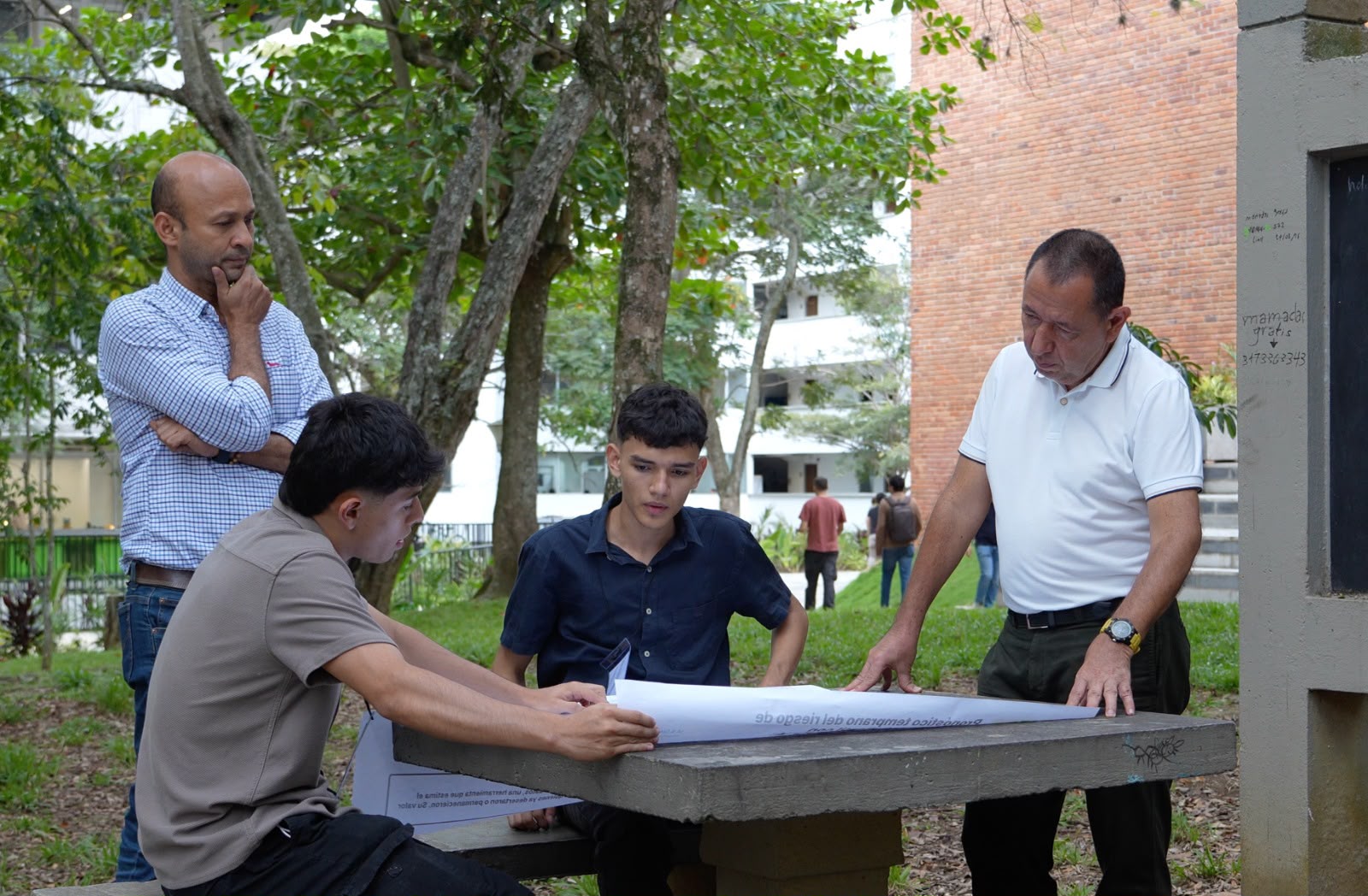
As a central part of the agenda, the workshop “From Expected Change to Indicator: Measuring Impact” took place, where participants advanced in the formulation of indicators aimed at evaluating the outcomes of the proposals developed during the meeting.
The day concluded with the session “Stories of Collective Construction: Sharing Experiences,” in which the main learnings and contributions were presented, consolidating a participatory exercise focused on territorial relevance.


“The major challenge and issue highlighted by this meeting is the way violence and armed conflict have permeated the territory—understanding them from a historical perspective, in people’s daily realities, in individual life stories, and in the ways in which arts and humanities can begin to play a key role in transforming a situation that affects all of Colombia,” stated Jorge Francisco Maldonado Serrano.
With this closing, the Regional Meeting of Arts and Humanities reaffirms its purpose of building a higher education system more closely connected to the realities of the territories, moving forward not only in dialogue but also in defining concrete tools for transformation.