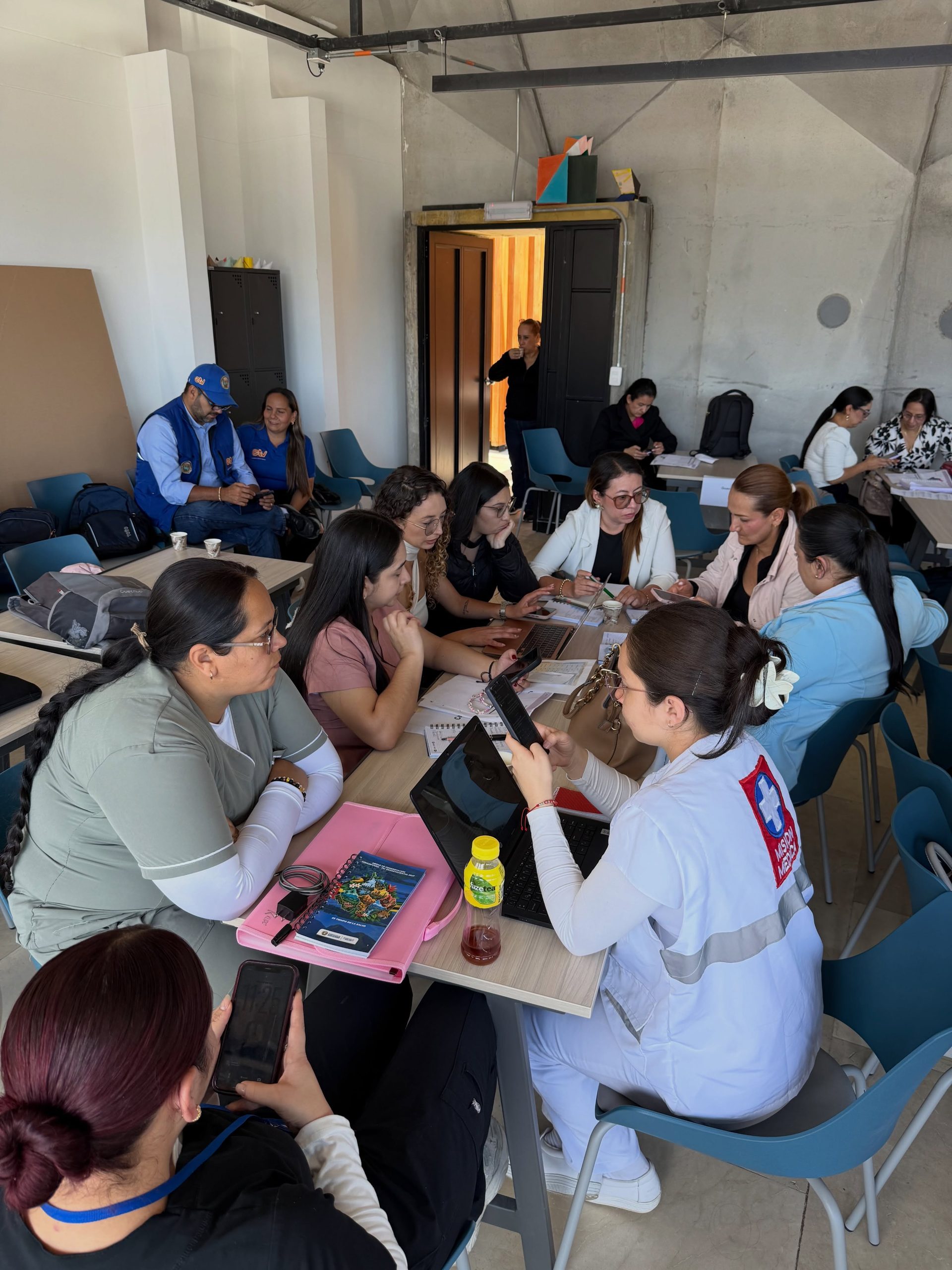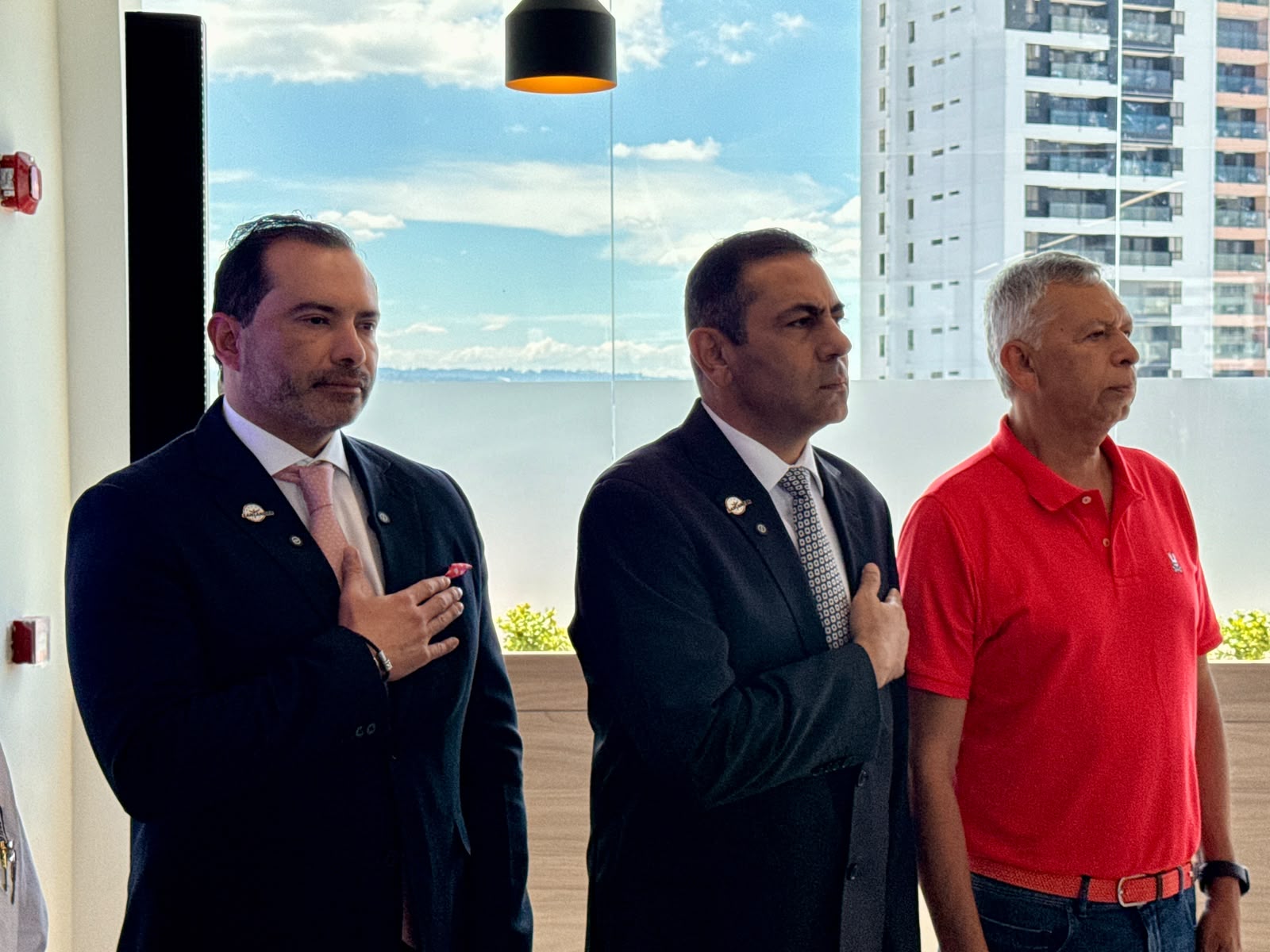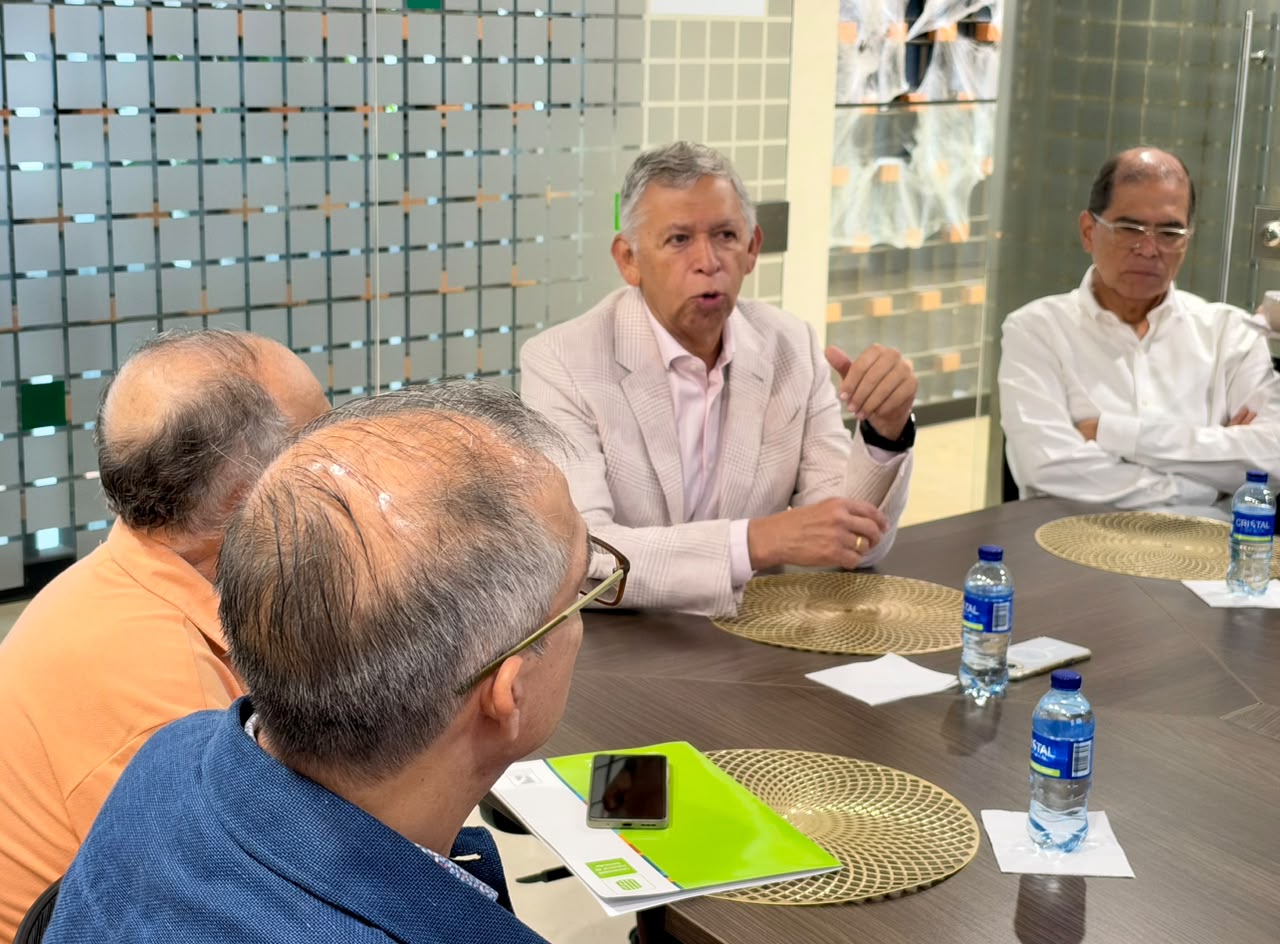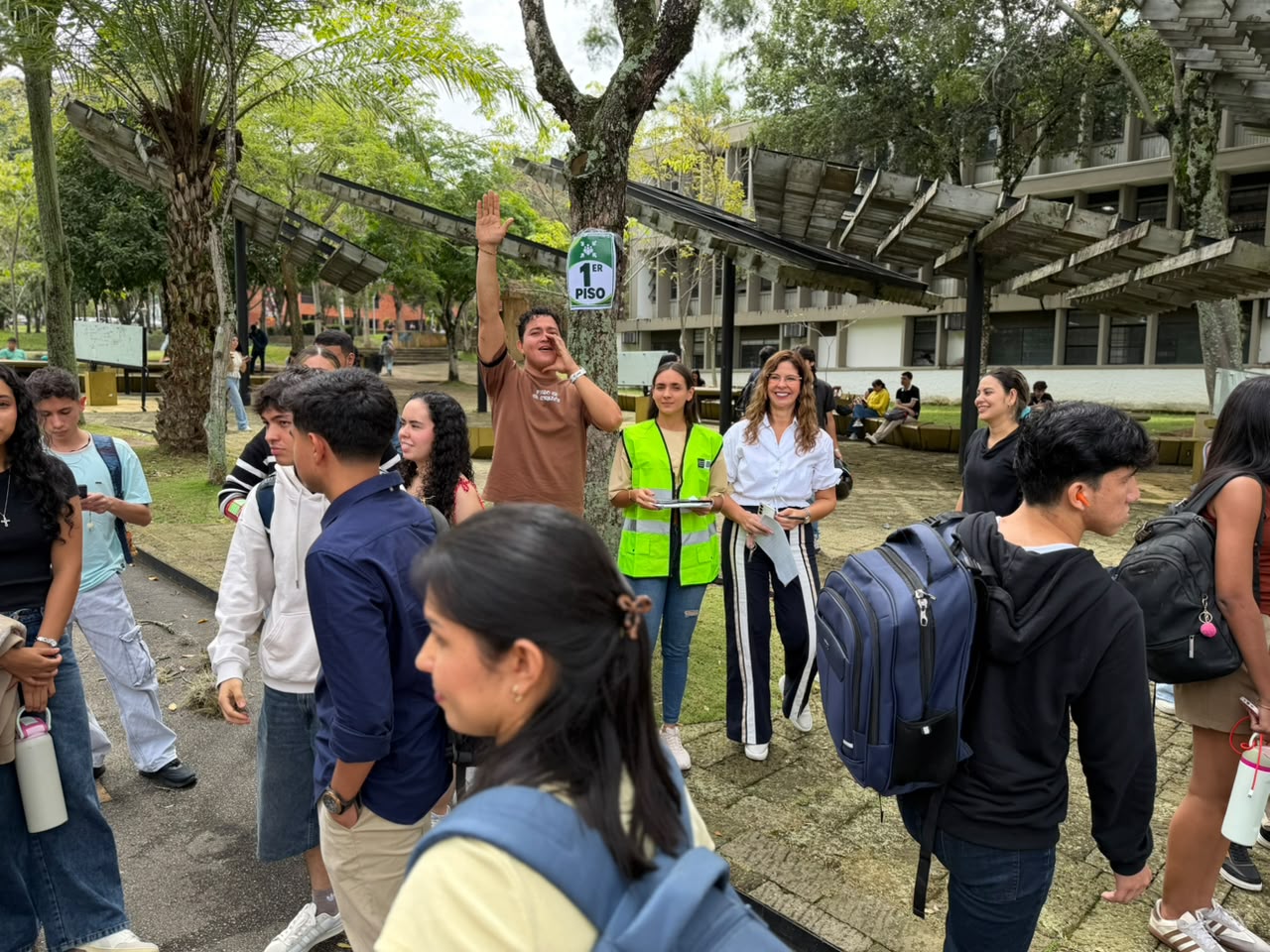


With the participation of more than 1,000 people, the Arts for Peace Program, operated by the Industrial University of Santander (UIS) in the departments of Boyacá, Cesar, Norte de Santander, and Santander, held 50 meetings with communities. The main objective was to exchange opinions and experiences to evaluate the impact this artistic and cultural strategy has had on students and local communities. The result? Positive in all four departments.
Ten meetings were held in both Boyacá and Cesar; 14 in Norte de Santander; and 16 in Santander. These events brought together principals, teachers, and PTA advisors from the 449 schools where the Program operates; parents; representatives from the municipal departments of education and culture; students; and the Program’s artist-trainers and experts, who gathered and worked as a team through group activities to exchange opinions and experiences. In addition to evaluating the process, these activities will contribute to building the social memory of Artes para la Paz.

One of the dance artist-educators from Cesar who participated in the workshop was Marlyn Yeudith Quiroz Murillo, who noted that the meeting made it clear that “in reality, the Program is indeed
bringing about the change we want. Because we were able to hear directly from different parts of the territories where we are located—from coordinators, teachers, students, and parents—about the impact the Program has had within their territory.”
Angie Julieth Arias Pacheco, the PTA advisor at the Boquerón Educational Institution in La Jagua de Ibirico, Cesar, noted that it was “satisfying” to hear from members of the educational community and external partners about the benefits of the Program. She emphasized that “it has been a wonderful, rewarding effort that has contributed greatly to the education of our children and to the quality of education we hold so dear.”


Parents, who are direct beneficiaries of the program because they see changes in their children, also contributed to the blog. Angélica Tatiana Pinzón Pacheco, a mother at the Luis Carlos Galán School in Suaita, Santander, whose son with a disability is part of Artes para la Paz, said she has seen that the program strengthens the school bond, improves behavior and interactions among peers and teachers, and contributes to self-control and self-confidence. She added that parents’ involvement in the program strengthens their relationship with their children.
For her part, student Lucianna Valentina Saurith Velásquez, who participates in her school’s creative writing interest group, noted that the blog led her to reflect that “art is a fundamental space that all schools should implement,” as it fosters creativity and enjoyment among students.
Exchange of experiences among artist-educators and experts

Artist-educators and experts also had a space in the journals to exchange knowledge and experiences, with the aim of enriching their teaching moments. During the meetings, it became evident that through their work and new teaching methods, they have incorporated strategies that contribute to the transformation and well-being of students.
For Julián Farith Sánchez Ruedas, a music educator in Norte de Santander, the meeting was enriching because it allowed him to learn how his colleagues are approaching the training process, as well as their experiences and methods, so that “we, as the newer members, can apply them in our own teaching practice.”
Likewise, Alex Suárez Gutiérrez, a music educator in Norte de Santander, said that from the journal he gathered insights from his colleagues, particularly regarding “how one can address the emotions of the students.”
Meanwhile, Carmen Lizett Gutiérrez Patiño, a dance trainer in Boyacá, noted that the meeting was a “meaningful activity for us trainers, as we were observing the activities at each of the different centers of interest, and it has been wonderful to see how children learn in different ways.”
Finally, the Program’s General Director, Angélica Mora Dionisio, noted that the collective logbook is a “productive” space that helps evaluate, redesign, and strengthen the Program.
Arts for Peace in Colombia
To date, Arts for Peace operates in 32 departments and 726 municipalities across the country, covering 66% of the national territory. More than 538,332 people have found in art a voice, a space, and an opportunity to transform their lives. Today, the program is present in 2 out of every 3 municipalities in Colombia, offering training, creative, and community-building initiatives that strengthen communities and make art a tangible force for coexistence, remembrance, and peace in these regions.
For more information and to follow up on this initiative, visit www.artesparalapaz.mincultura.gov.co and the Instagram profile @artesparalapaz.