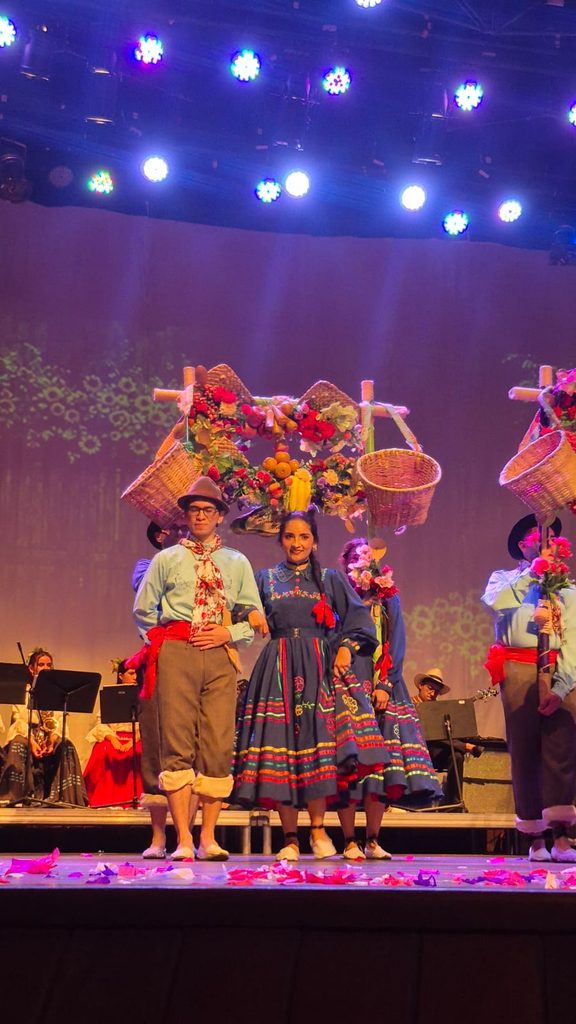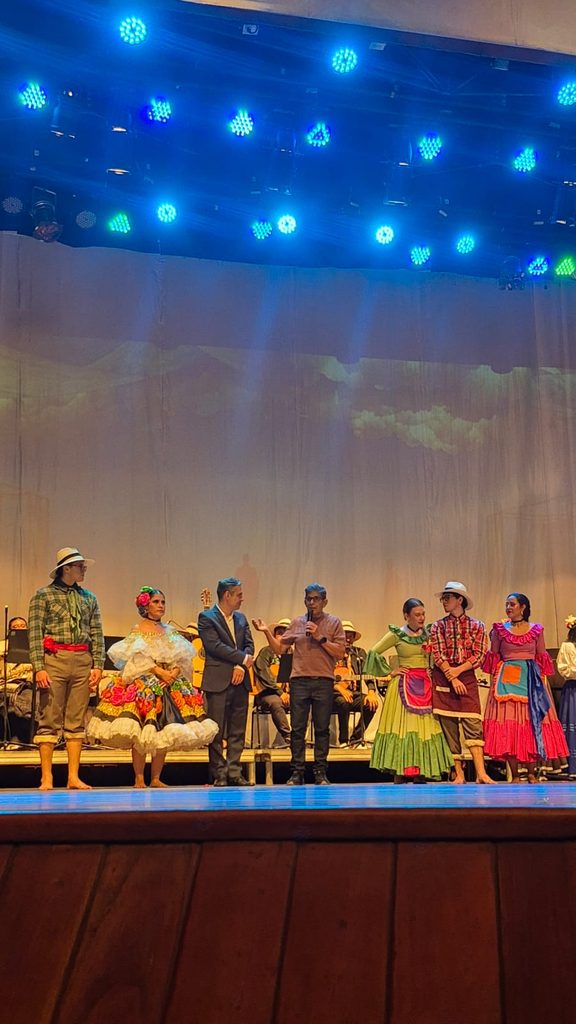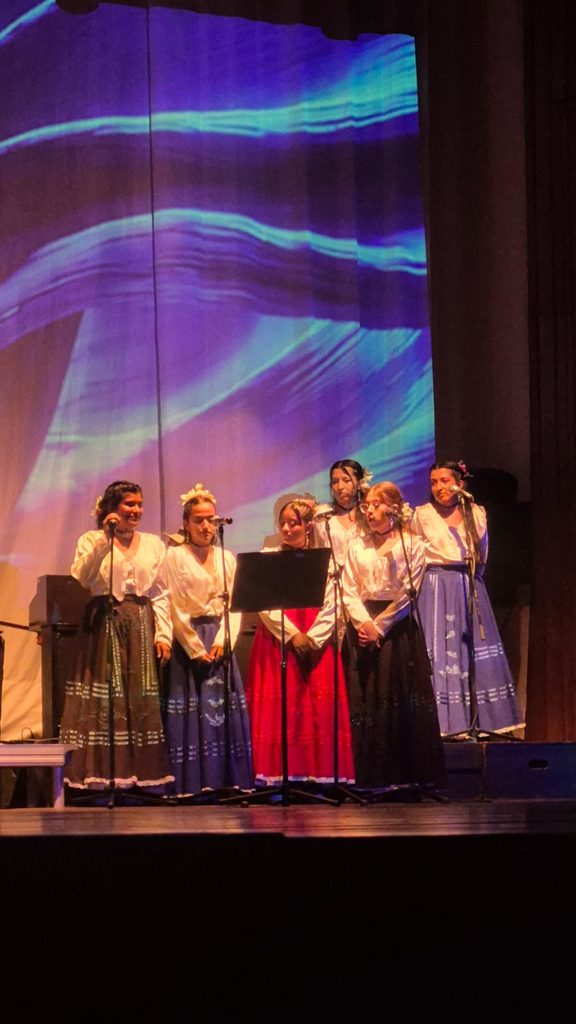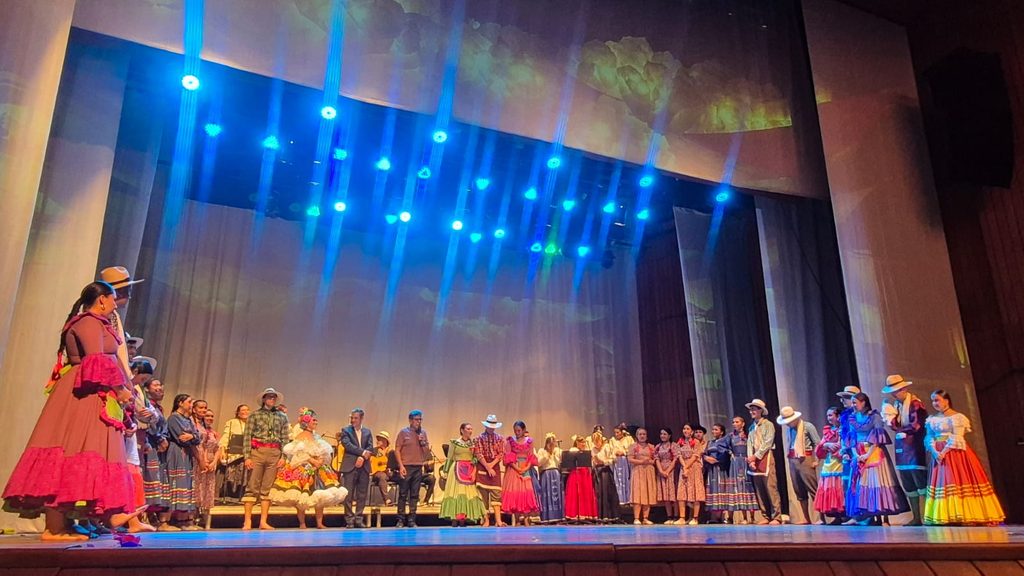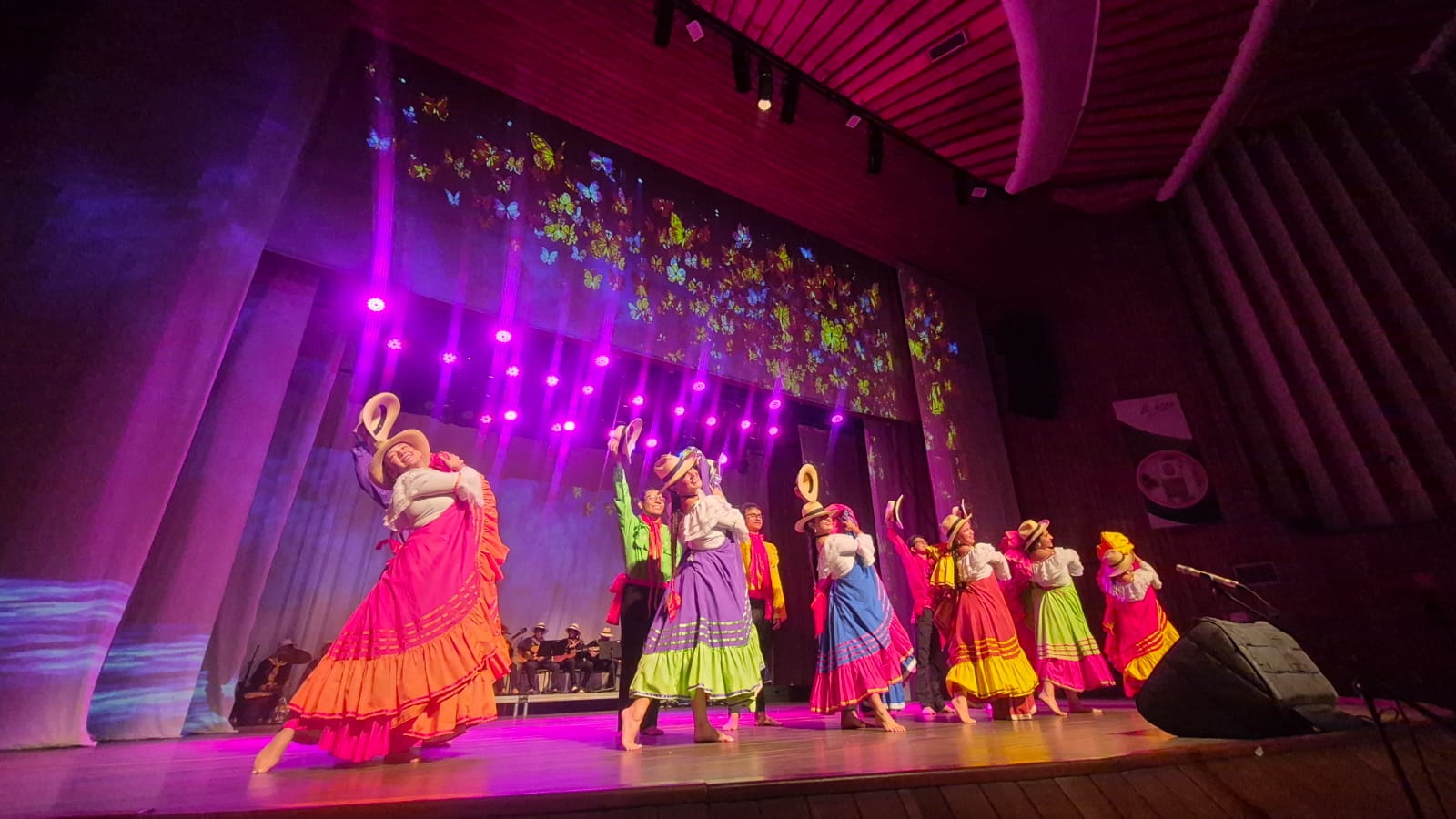

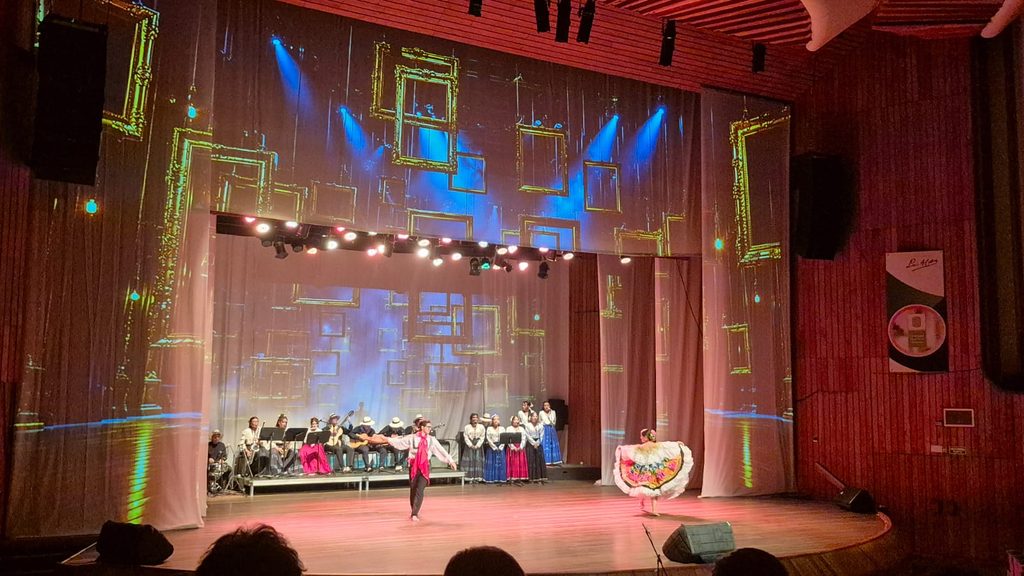
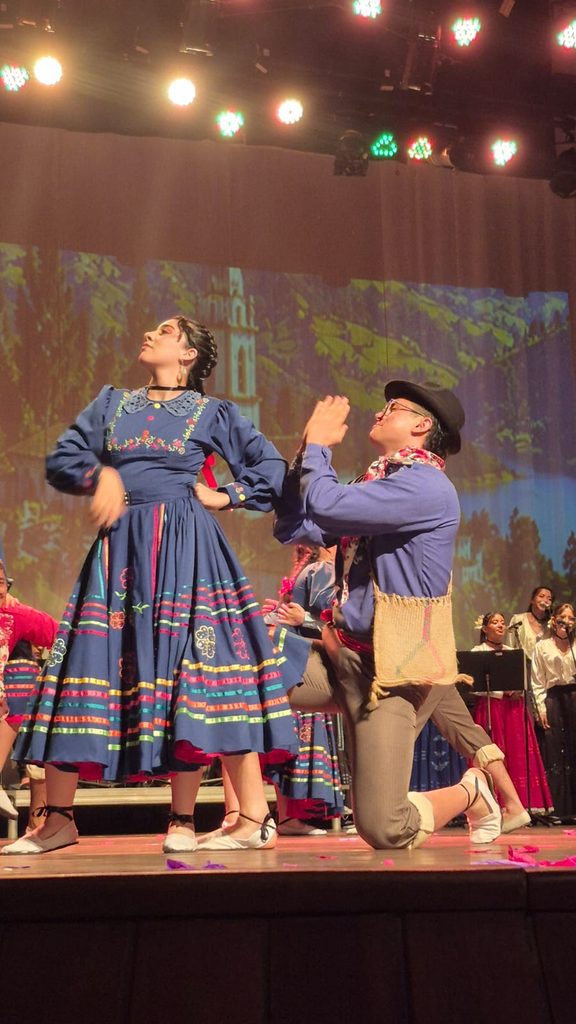
Half a century of living roots, evolving stories, and a tradition passed down from generation to generation—this was the occasion for celebration as members of the UIS Folk Music and Dance Group gathered at the Luis A. Calvo Auditorium to take center stage in “Colombia, a Dancing Root” (“Colombia, Raíz que danza”).
The performance, directed by maestro Néstor Enrique Sánchez Leal, brought together generations of musicians, dancers, and former members. It served as a tribute to our country’s cultural diversity, showcasing *bambucos*, *pasillos*, and the folk expressions of the Santander region that define our identity.
“I want to congratulate our maestro, Néstor, and the students who make up our university’s wonderful Folk Music and Dance Group. I congratulate them on this 50-year journey—a span that has seen many generations pass through—and I extend my appreciation to all the instructors and members who have been part of this group. May many more decades lie ahead for this ensemble.
Through our various artistic groups, the University’s Cultural Directorate works daily to promote university culture and the diverse talents within our community. The work carried out over these many years is significant, as is the ongoing participation of all our students,” stated Guillermo Gordillo Galán, Director of Cultural Affairs at UIS.
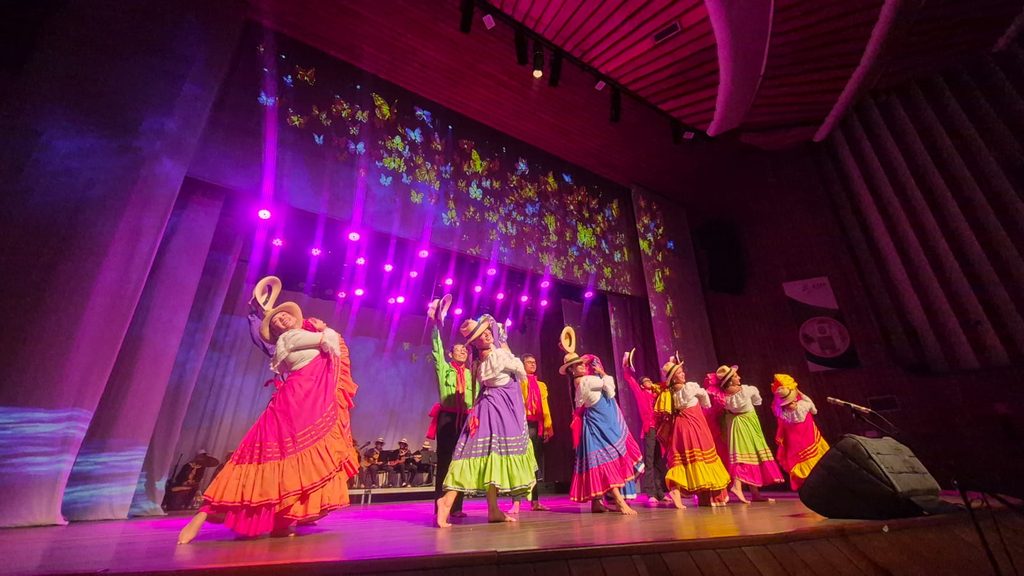
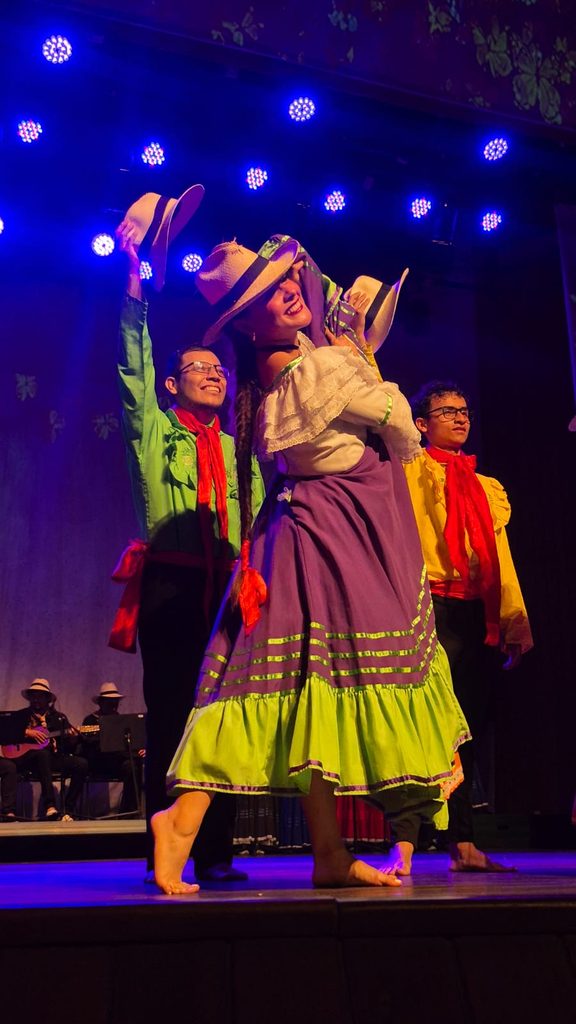
Born in the heart of the Universidad Industrial de Santander (UIS), this interdisciplinary group celebrates five decades of showcasing Colombia’s cultural heritage. Their achievements include first place at the National Colombian *Pasillo* Festival (2015) and second place in the *bambuco* category at the *Festival de la Ocañerita* (2014).
The performance bridged the memory of the region with contemporary artistic creation, honoring those who have led the group, as well as everyone who has contributed—day in and day out—to preserving this space for training, artistic creation, and interdisciplinary exchange.
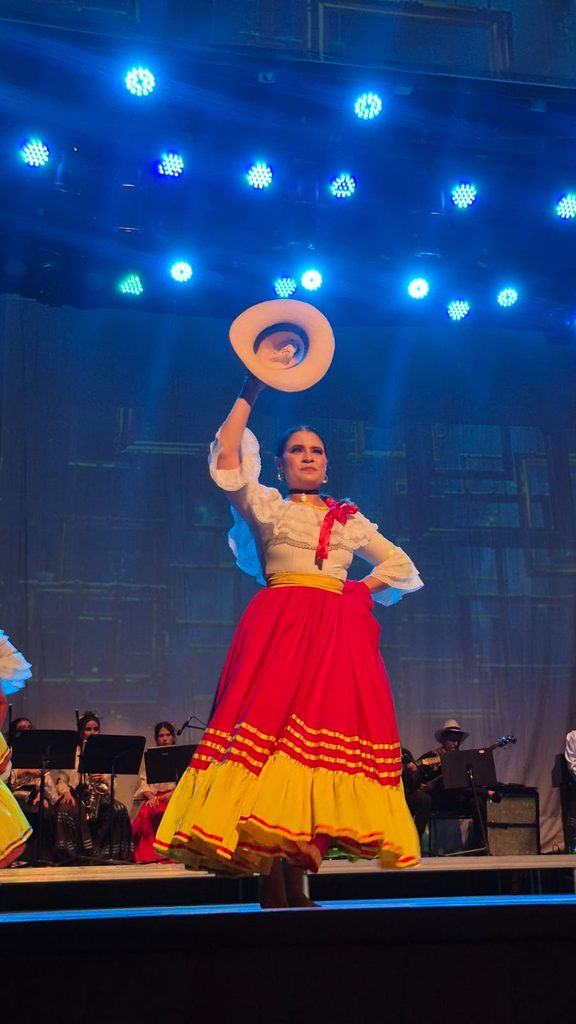
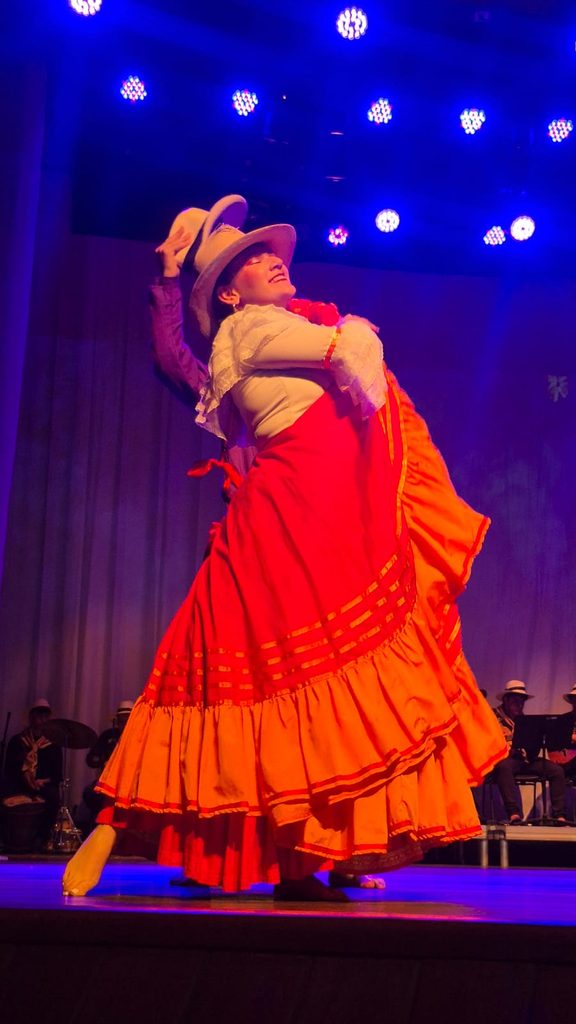
Attendees at this gala evening highlighted the importance of preserving folklore within the community, especially among young people. Yahaira Daza, a teacher at the La Libertad Educational Institution in Bucaramanga, remarked: “It is very important and gratifying to see young people expressing themselves through music—and now through dance. I feel truly happy when I see events like this, knowing that there are still people who appreciate and cultivate folklore. It’s wonderful to see such lovely young people so dedicated to what they do.”
“This is vital, because if our roots are not passed on, they will fade away. Seeing young people strengthen these traditions and help them grow offers hope—it shows that there is still something good and beautiful in the world. It’s not just about commercial music; there is also the music of our own regions. Seeing these young women so enthusiastic as they sing—and listening to such beautiful lyrics—is truly wonderful. It’s great that these young people are highlighting this heritage.”
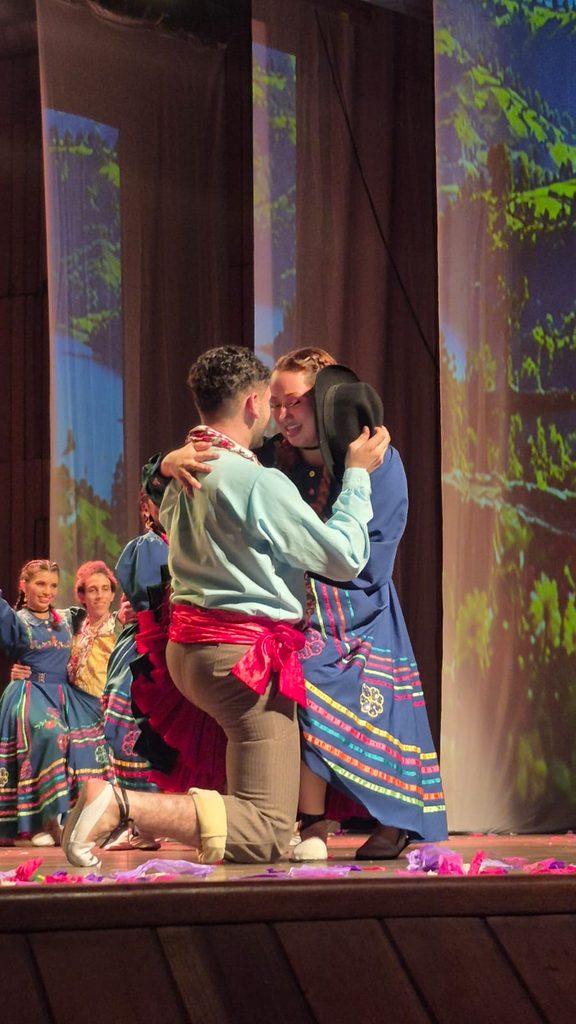
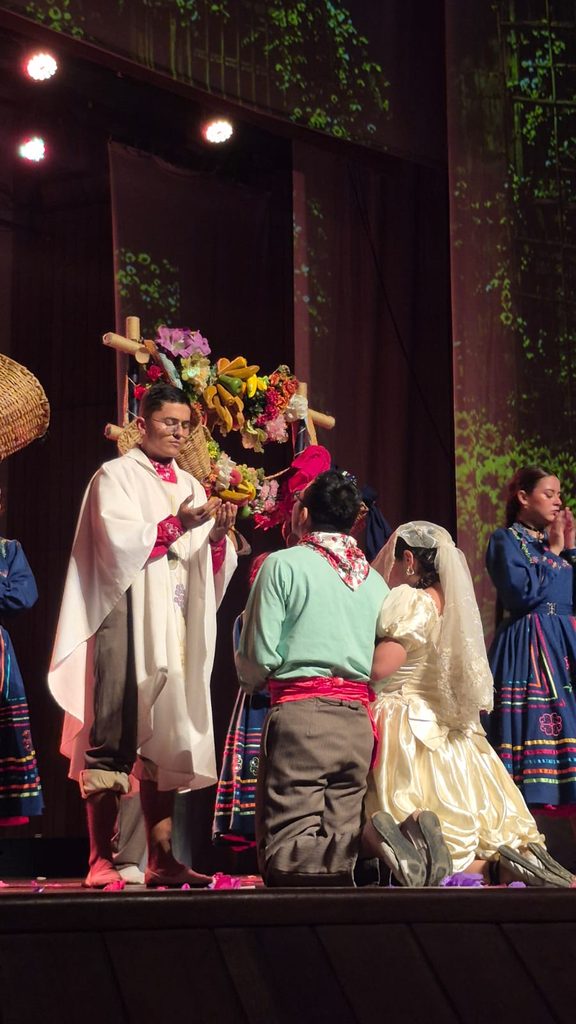
Furthermore, the presence of such high-caliber groups within university life allows the community to enjoy and celebrate their active contribution. Sebastián Garzón Lovoa, a graduate of the UIS (Industrial University of Santander), noted: “Honestly, it’s an escape from the daily grind. Sometimes, university life or one’s academic program can feel monotonous or dull; this adds a bit of color to everyday life.”
The group’s fifty-year history is clearly evident. “In every performance, you can tell they aren’t newcomers; there is a deep, foundational knowledge—a rich background—that you don’t see everywhere. I’m from Cali, and events like this aren’t as common there—or at least, they aren’t as deeply woven into the fabric of the city as they are here at the UIS. You might assume that young people wouldn’t be interested, but in reality, the preservation of folklore is very well-received,” added Garzón Lovoa.