
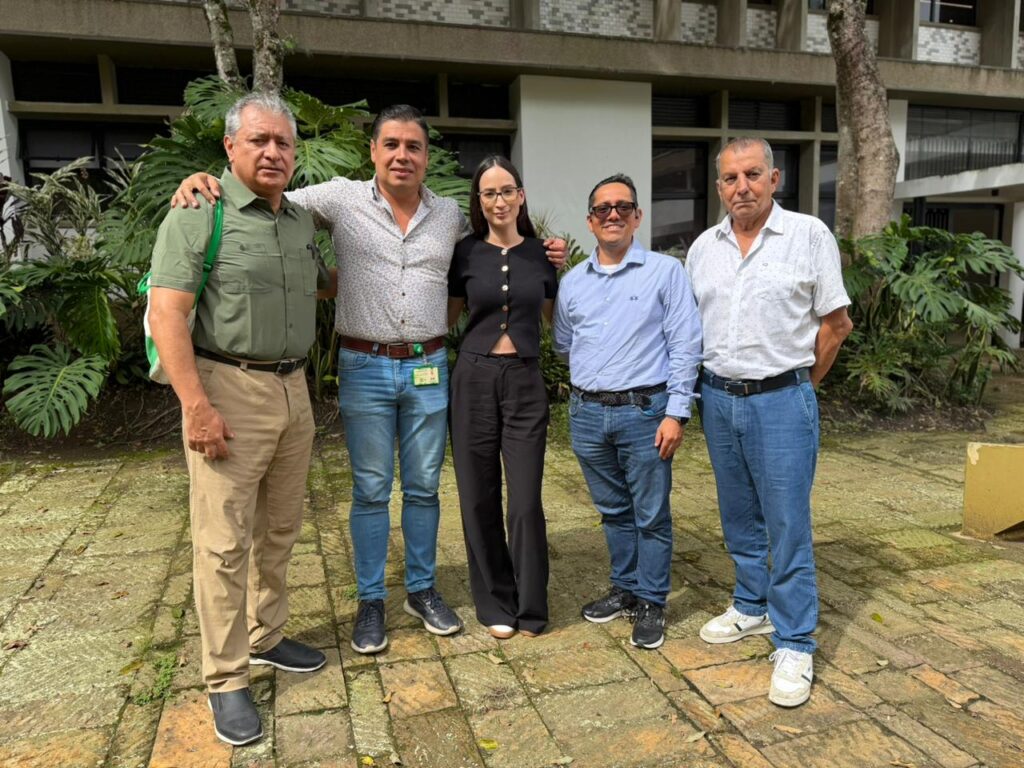
As part of its efforts to strengthen the quality of teaching and learning processes, the Industrial University of Santander (UIS) is making progress in the consolidation of an institutional instrument for measuring classroom climate, an initiative developed through the Teaching Mission strategy.
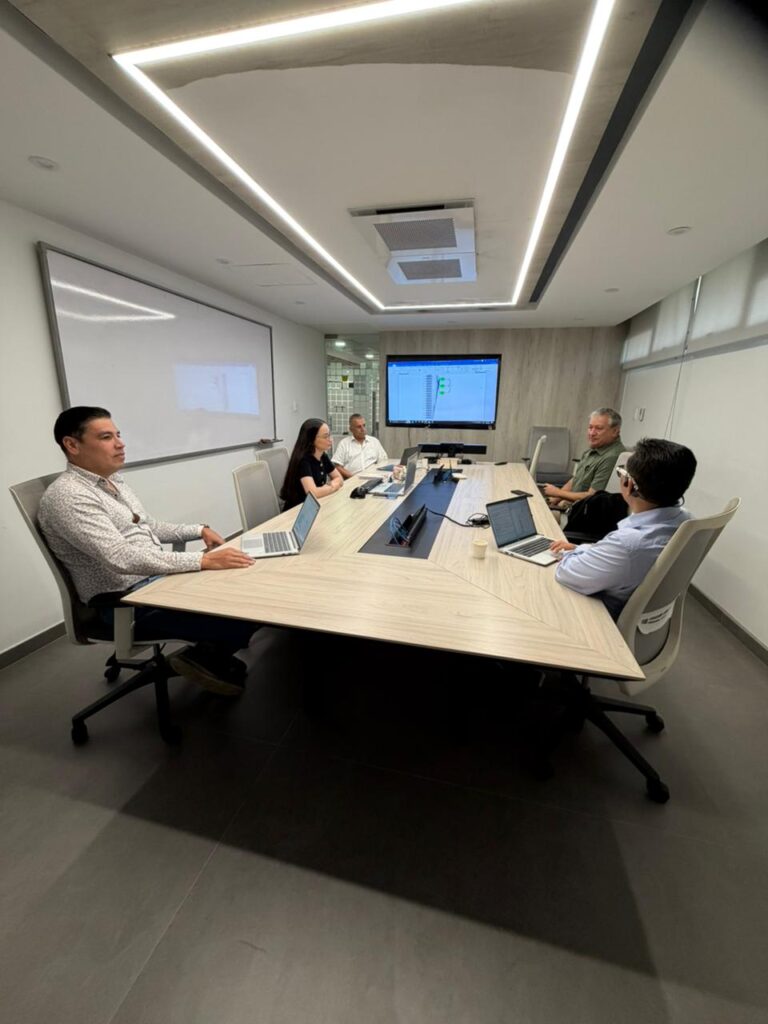
The working team has focused its efforts on the design, validation, and refinement of this tool, which was first implemented in a pilot version during the second semester of 2025. Subsequently, an updated version was applied during the first semester of 2026. The results are currently undergoing statistical analyses and goodness-of-fit tests, with the support of Professor Óscar Fernando Herrán Falla, who has provided specialized guidance in validating the model.
“Today, we are pleased to know that we are reaching a highly robust instrument, methodologically structured and reliable, which gives us confidence that in the near future we will have an institutional tool to measure classroom climate and generate guidelines to address this important aspect of fostering student learning,” said Daniel Sierra Bueno, professor at the School of Electrical, Electronic and Telecommunications Engineering and member of UIS Teaching Mission.
Institutional Alignment
This initiative is aligned with Teaching Mission, an institutional strategy launched in 2024 to promote the adoption and implementation of the UIS Pedagogical Model 2021. This model encourages the comprehensive development of students by placing them at the center of the learning process and responding to the contemporary challenges of higher education.
The development of the instrument began in the second semester of 2022 with a preliminary version containing more than 70 questions. Following a rigorous refinement process, the team consolidated a 26-question version, which was administered during the first semester of 2026 to nearly 800 undergraduate students from different academic programs.
“What we are finding is that the instrument is very well calibrated. This means that it measures the complex reality of classroom climate in a highly reliable manner. Achieving this level of accuracy is very challenging in any evaluation process, and in this case, it is being accomplished successfully. The results are highly promising and motivating because the work is being conducted with the rigor required to achieve meaningful outcomes,” highlighted Óscar Fernando Herrán Falla, UIS professor and data analysis expert.
The results obtained will allow the University to verify the statistical robustness of the instrument and complete a fundamental phase of this project developed at UIS. Once the validation process is finalized, the University will have its own tool to assess classroom climate and guide actions aimed at strengthening learning environments and continuously improving the educational experience of its students.