
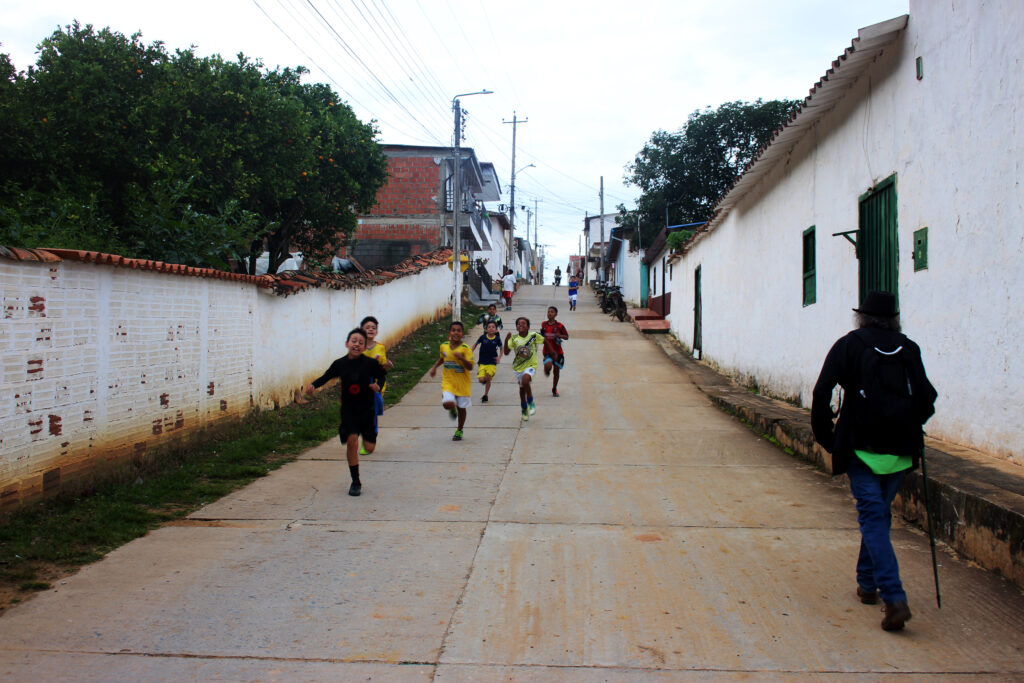
The future of regional development in Santander became clear during the tour conducted by the Santander Vision 2050 team through industrial corridors, rural areas, tourist towns, and strategic regions of the department.
Amid industrial corridors, ancient mountains, rural routes, and towns geared toward tourism, the recent tour by the Santander Vision 2050 team led to a clear conclusion: the department has enormous potential to become a national leader in territorial development, provided it succeeds in integrating infrastructure, sustainability, and productive opportunities.
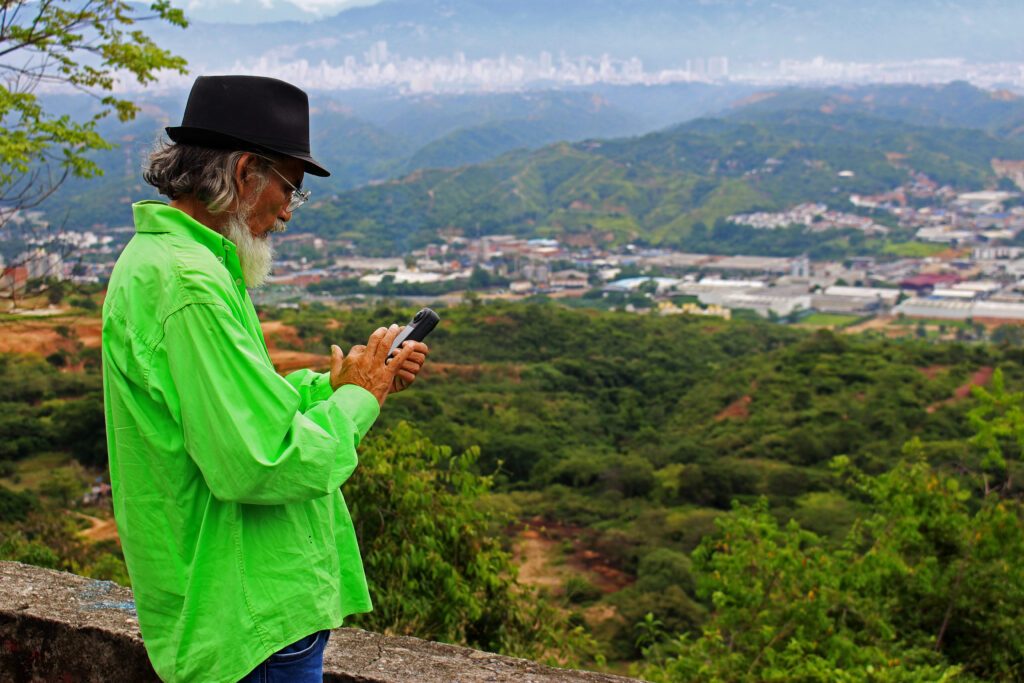
Desarrollo territorial departamental
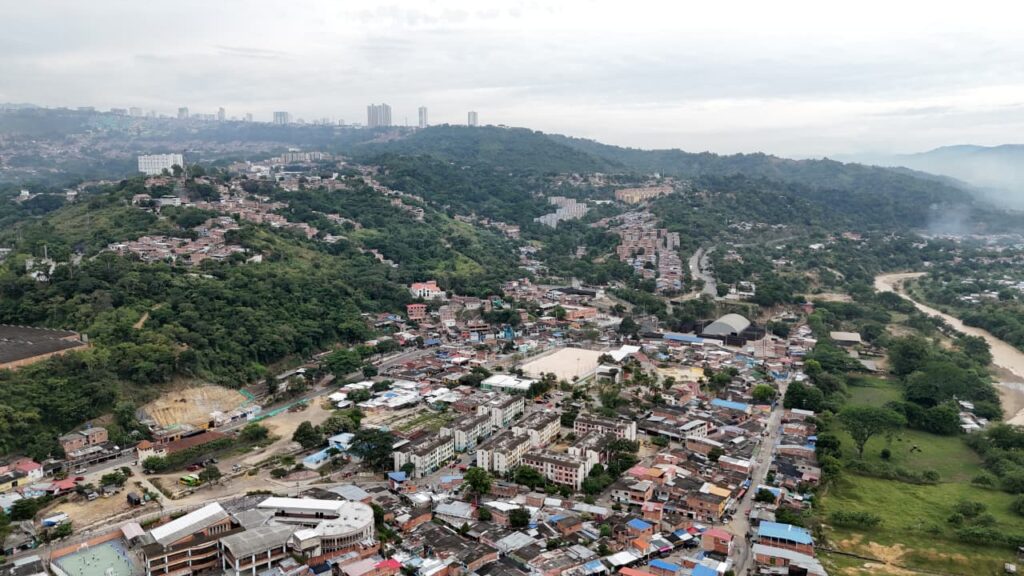
Santander is experiencing rapid growth. This became evident in the first stage of the tour, which began in the Café Madrid neighborhood and continued toward Girón—two areas where the urban expansion of the Bucaramanga metropolitan area is already reshaping the landscape.
Meanwhile, in areas near the Río de Oro, industrial activity coexists with new residential zones and logistics corridors that are advancing toward the metropolitan future. In this context, projects such as the outer ring road represent a strategic opportunity to improve local mobility and strengthen the department’s competitiveness.
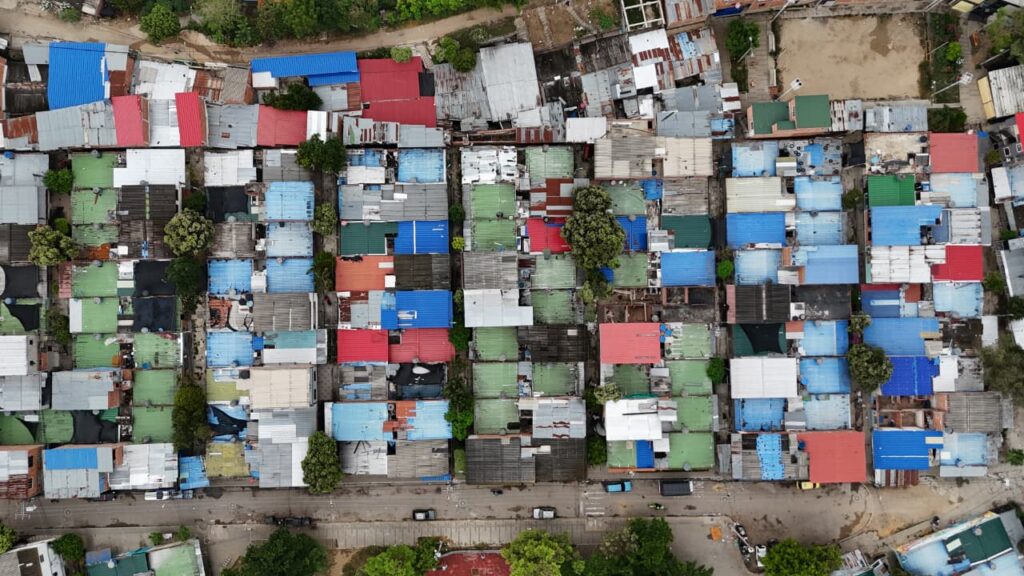
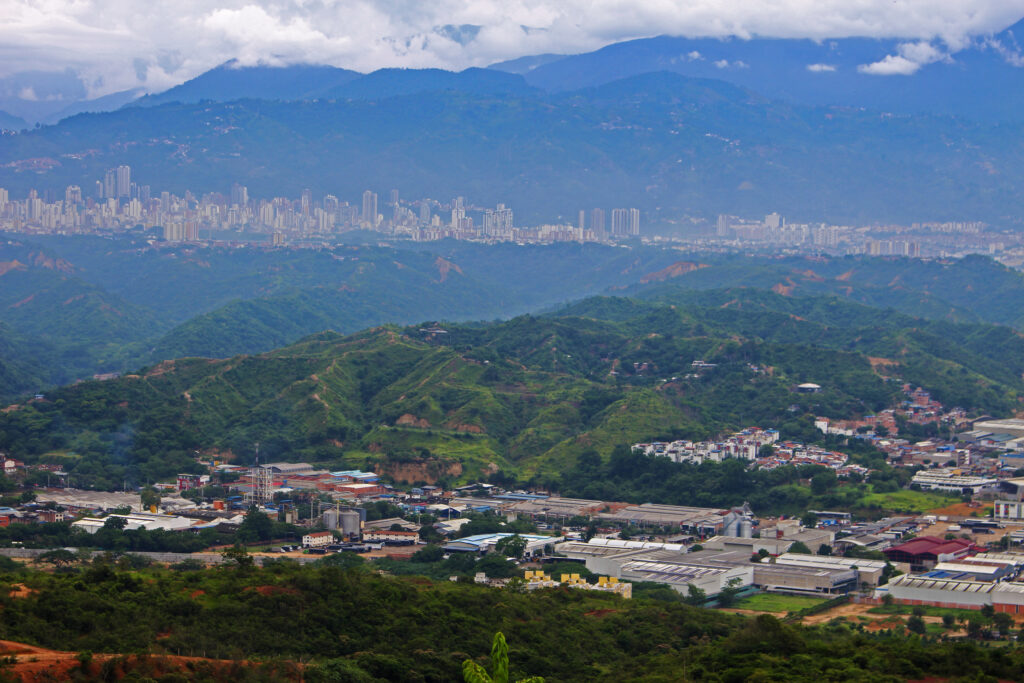
However, the tour also revealed the need to plan that growth with a comprehensive vision. Some settlements located in vulnerable areas serve as a reminder that urban development cannot be separated from risk management and territorial planning.
Girón’s expansion toward areas near the airport reflects precisely that challenge: how to transform growth into an organized and sustainable opportunity for the coming decades.
El futuro metropolitano de Santander
Just a few miles from the industrial area, the landscape changes completely. There, the village of Corregidor retains a strong focus on agriculture, livestock, and tourism, where farms, crops, and natural areas continue to take center stage. Likewise, the Puente Zancudo resort emerged as one of those places where the region still maintains a connection to water, recreation, and rural identity.
Further ahead, in Chocoíta, a key discussion arose regarding the department’s environmental future: the possible installation of a solid waste processing plant. Beyond the controversy, the issue sparked a necessary debate about Santander’s environmental modernization and the need to find sustainable solutions for waste management without disrupting rural and productive dynamics.
Ultimately, one reality became clear in this area: the future of the department does not depend solely on the cities, but also on how its rural territories are protected and strengthened.
Rural Life and Sustainability
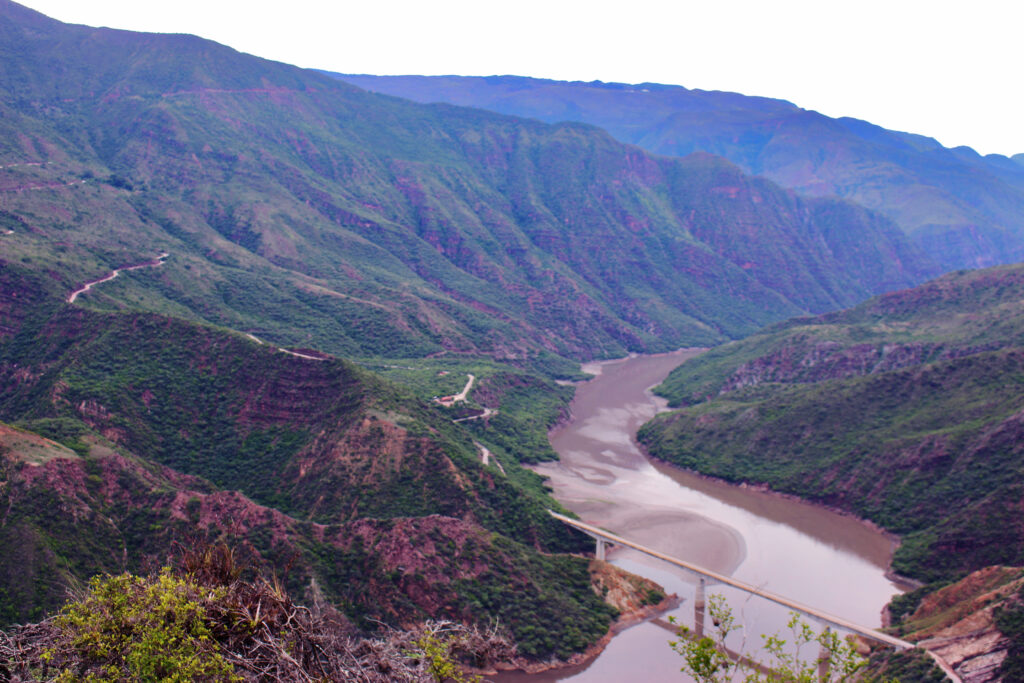
The road to Zapatoca led to one of the most breathtaking sights of the journey: the Sogamoso River Canyon. From there, the sheer scale of the landscape explains why Santander is one of the country’s most geologically complex and visually striking departments.
The Suárez Fault, the xerophytic vegetation, and the presence of iconic species such as the pot-bellied ceiba tree form a unique ecosystem that blends biodiversity, science, and tourism potential.
A stop in Hidrosogamoso also provided an opportunity to reflect on the relationship between energy development and environmental sustainability. For instance, phenomena such as the accumulation of debris along the riverbanks highlight the importance of continuing to strengthen environmental management around the river and its ecosystems.
Despite these challenges, the tour highlighted the region’s immense scenic value, which has the potential to become one of the country’s major nature and ecotourism corridors.
Ecoturismo en Santander
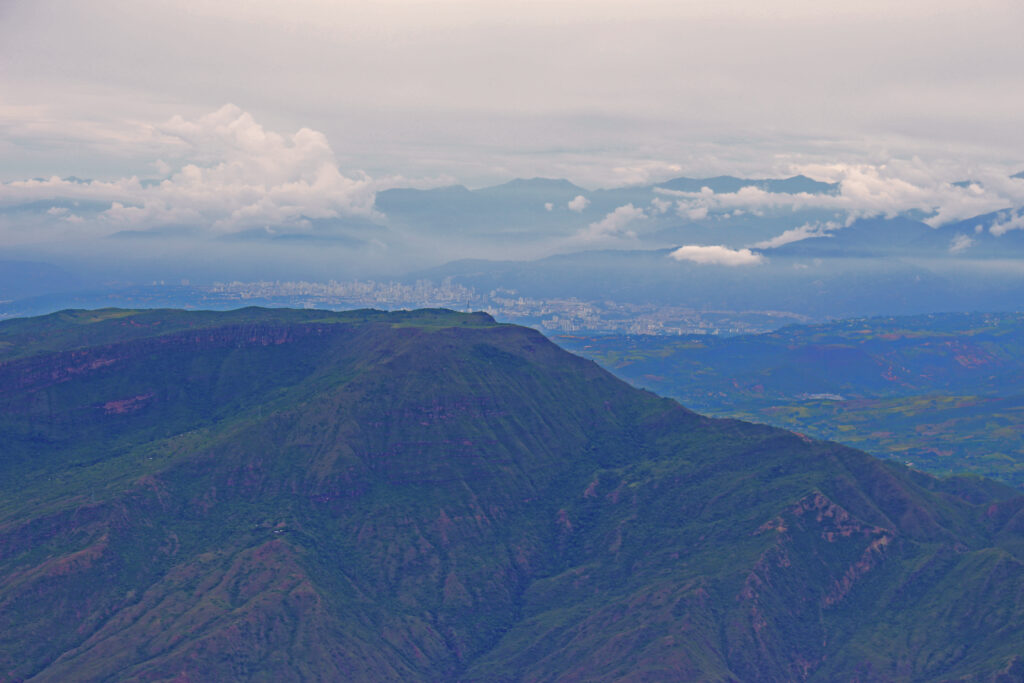
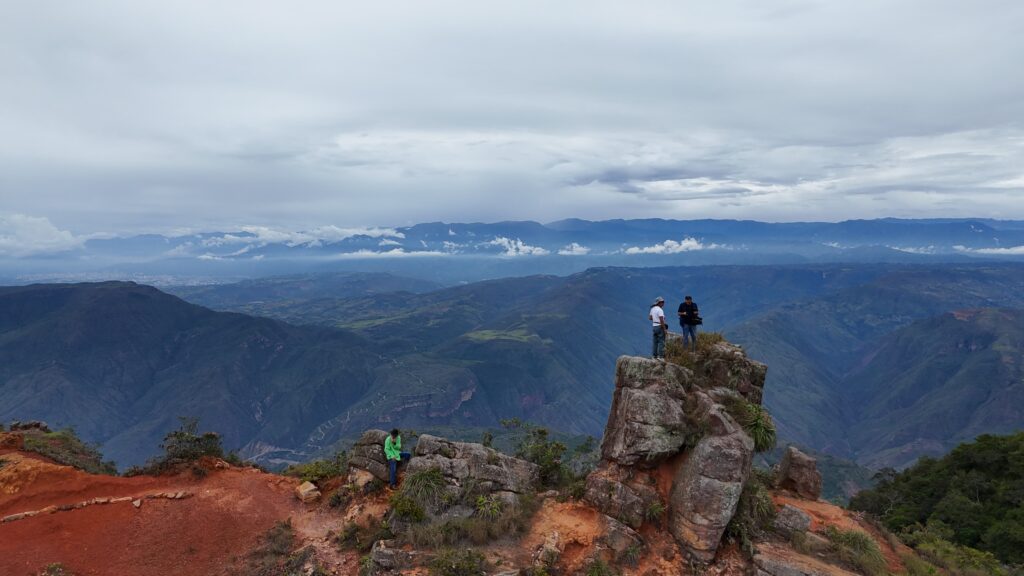
The climb to Pico de la Vieja, known as Alto del Viejo, was one of the most symbolic moments of the journey. At this point, at 1,800 meters above sea level, the landscape seemed to encapsulate the essence of Santander: endless mountains, deep canyons, and trails that connect history, nature, and rural culture.
From this perspective, the department’s ecotourism potential ceases to be mere rhetoric and becomes a visible reality. Hiking, wildlife viewing, mountain tourism, and rural experiences emerge as concrete opportunities to revitalize the local economy and diversify regional development.
Agroindustria y turismo regional
In Zapatoca, the tour confirmed how historical and natural heritage can become a driver of economic development. For example, sites such as the Guane Museum, the Cemetery of the Unbelievers, and the newly upgraded lighting at the Cueva del Nitro demonstrate a growing commitment to strengthening cultural and historical tourism in the municipality. In addition, cocoa production and projects such as “From the Alps to the Andes” aim to establish tourism circuits with a regional identity and international reach.
The journey to Betulia revealed another of Santander’s great strengths: rural productivity. Along the way, passing through the Cuchilla del Ramo and the Tierra de los Siete Colores confirmed the region’s scenic potential, while the municipality’s rural areas demonstrated its longstanding agro-industrial capacity centered on tomatoes and tomato products.
Likewise, Betulia remains an example of how the countryside can become an economic engine when there is coordination between production, agro-industrial processing, and rural traditions.
Infrastructure and connectivity
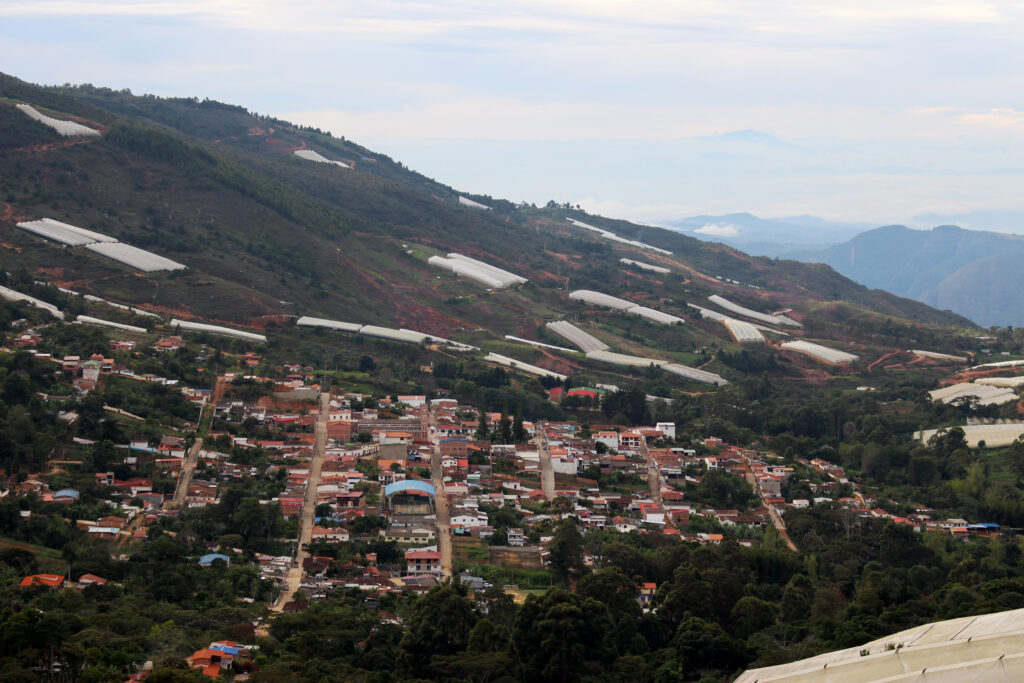
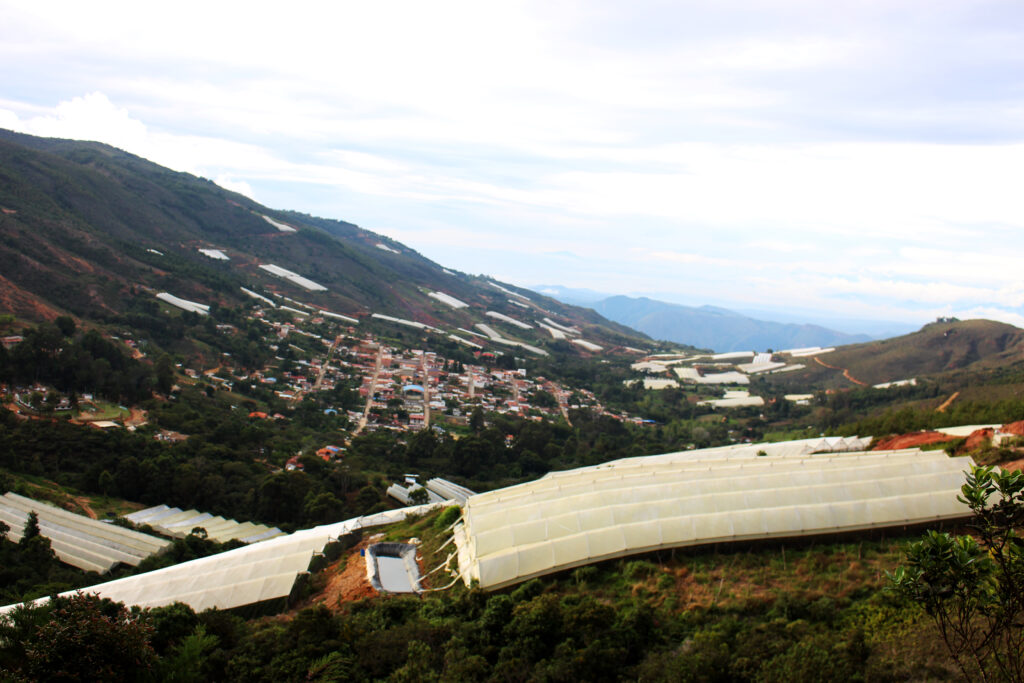
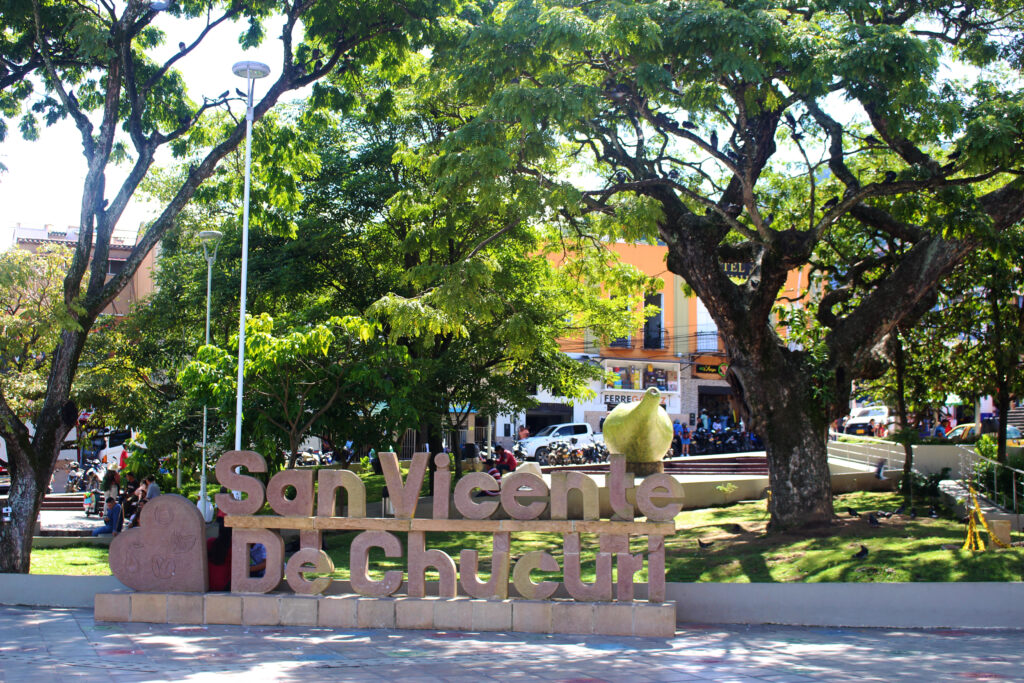
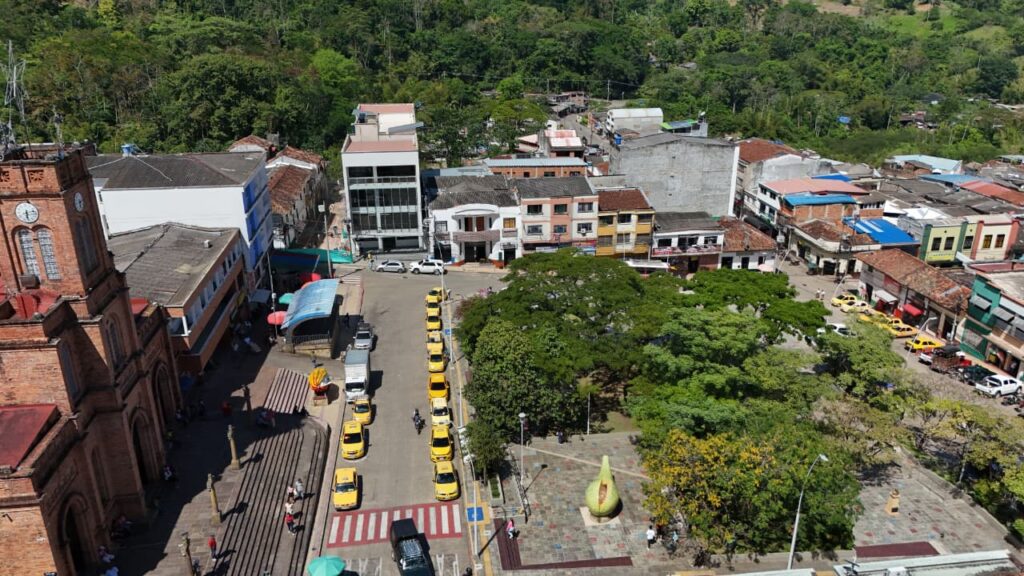
The tour continued to San Vicente de Chucurí, one of the municipalities with the greatest agro-industrial and tourism potential in the department. Cacao plantations reflect a robust agricultural economy, with national recognition and significant growth potential.
In addition, beyond cacao and avocados, San Vicente is beginning to expand its tourism offerings through projects such as the Marina, the Las Vegas Interinstitutional Center, the CAI Fluvial, and the Comfenalco and Cajasan water parks.
San Vicente’s natural and productive wealth is evident. Nevertheless, the major challenge remains connectivity. The roads to La Renta, Betulia, Zapatoca, and El Carmen de Chucurí present difficulties that limit the region’s economic and tourism development. Furthermore, even the municipality’s old airstrip, now in disrepair, appears to be a strategic opportunity to restore regional connectivity and strengthen territorial competitiveness.
In San Vicente de Chucurí, it became clear that Santander does not need to invent new potentials: many already exist. The challenge lies in connecting them.
Santander Vision 2050
The final leg of the tour took us along the Lisbon–San Vicente del Chucurí road, across the Molinilla Bridge, and through the Lisbon interchange. Along the way, the mountainous terrain underscored the department’s complex geography.
Moreover, the unstable terrain highlights the fact that Santander needs infrastructure that is well-planned, properly maintained, and built with a long-term vision. At the same time, it also requires greater regional integration so that development is not concentrated solely in the cities.
That was the key message from the recent tour by the Santander Vision 2050 team: The future of regional development in Santander also lies in its mountains, the countryside, agribusiness, and the ability to plan for a diverse region without losing its identity. Because Santander has already begun to build its future.