

The School of Mechanical Engineering at the Industrial University of Santander is holding its most eagerly awaited academic event of the year this week, combining science, innovation, and competition.
From October 8 to 12, the workshop “New Technologies for Sustainable Development and the Environment” and the 11th National Human-Powered Vehicle Competition (VTH) will take place, an initiative that brings together academia, industry, and universities from across the country.
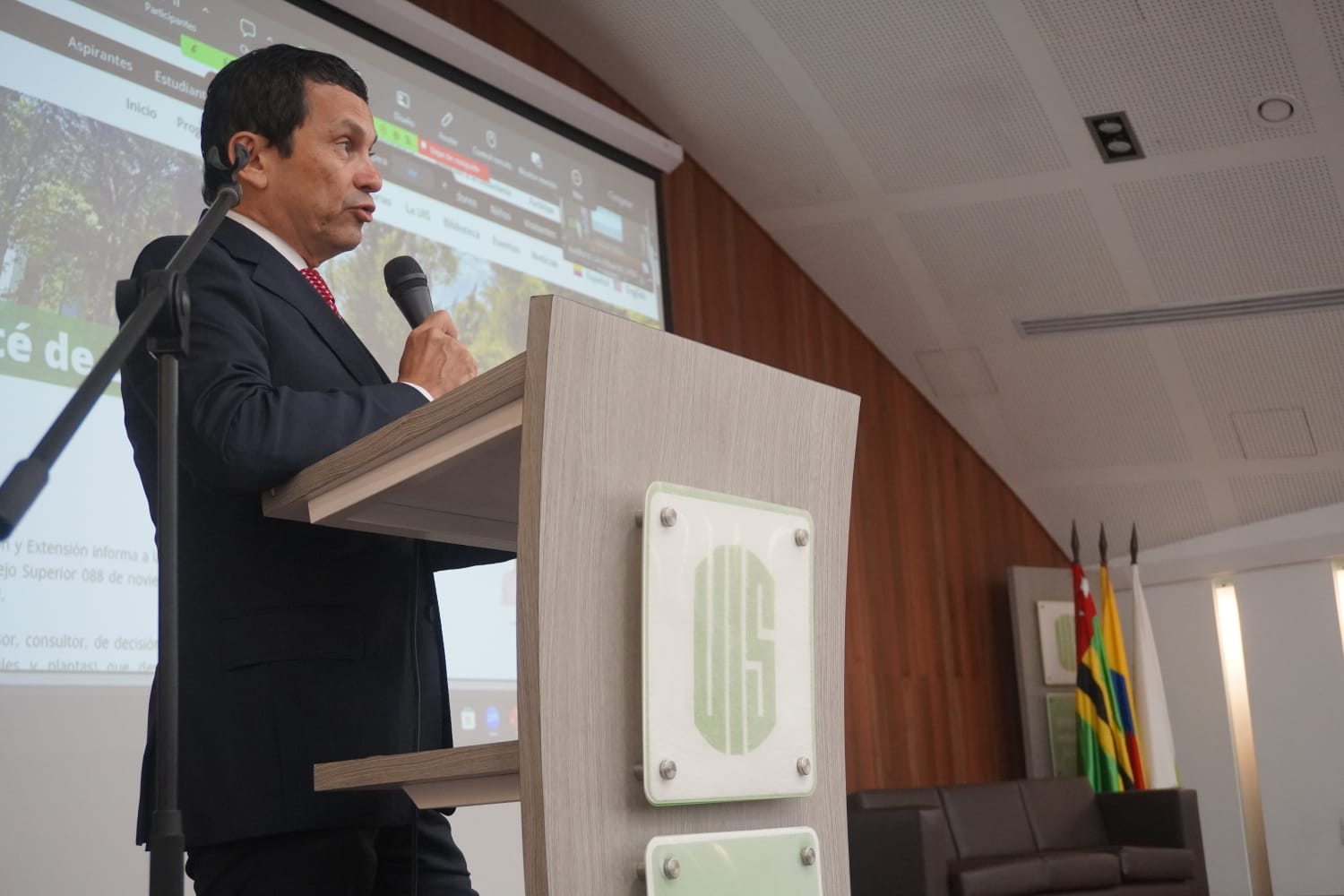
Professor Juan Pablo Flórez, coordinator of the event, explained that it is a comprehensive space that combines training and applied research.
“This is an academic event organized by the School of Mechanical Engineering, which is divided into two parts. The first part is a workshop on new technologies for sustainable development and the environment, and the second part is the 11th National Human-Powered Vehicle Competition,” he said.

During the first few days, the workshop will feature the participation of companies such as Bavaria, CEMEX, and the Ministry of Mines and Energy, as well as research groups from the UIS, who will present their projects on renewable energy, sustainability, and biokinetics.
“We started with the participation of the Bavaria company, and now we are with the research groups. The work in this line of research is being presented, so each of the students is promoting the work they are doing. In the afternoon, we have a discussion with the Ministry of Mines and Energy,” added the professor.
The second part of the event, corresponding to the National Human-Powered Vehicle Competition, will take place between Friday, October 10, and Sunday, October 12, on the university campus.

“The competitions will take place here on the university campus. Basically, the routes are here around the school, which are the competitions on Friday and Saturday. And on Sunday, which is the main competition, the route goes through the School of Mechanics, passes by the entrance to 25, goes up through the School of Languages, and descends through the School of Electrical Engineering,” explained Flórez.
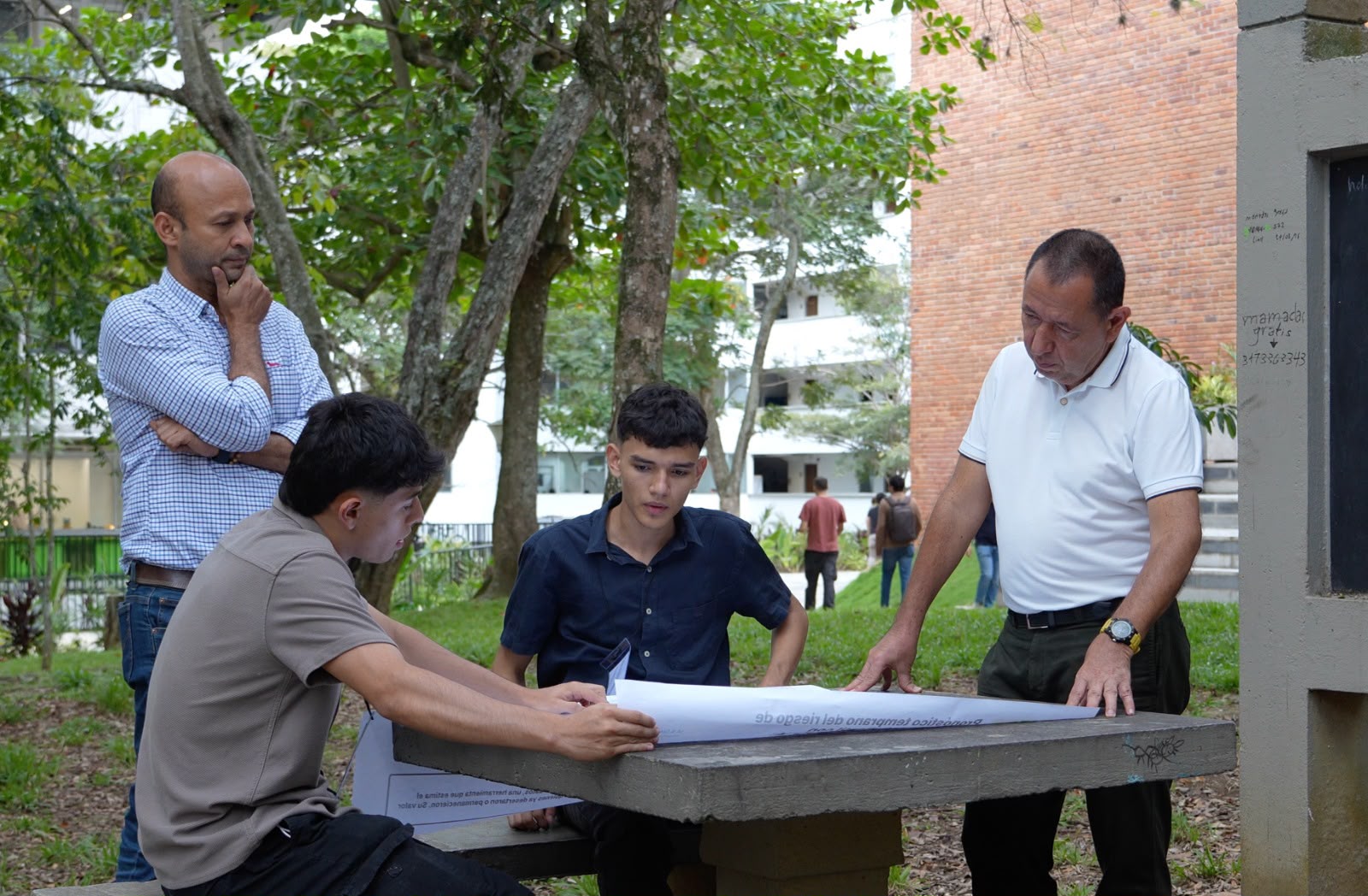
For his part, Juan David Medina, an eighth-semester mechanical engineering student and member of the Renewable Energy and Decarbonization Seedbed, highlighted the role of these spaces in comprehensive training.
“We wanted to hold an event where we could showcase the progress we have made as seedbeds in the area of research. In my case, I am active in the seedbed’s hydrogen line. The aim is to raise awareness so that other students join the seedbeds.”
The student emphasized that these meetings also strengthen skills beyond the classroom:
“This is important so that other students see that seedbeds are not just a waste of time, as some claim, but can also help improve our soft skills. These types of events help us develop and gain experience in other areas that are not strictly related to our degree program.”
Finally, he extended an invitation to the university community: “Come to the technical week we are having at the school, to the different types of events taking place at the university, so you can contribute your ideas and see that the university is not just about classes, but also a space for discussing different topics.”