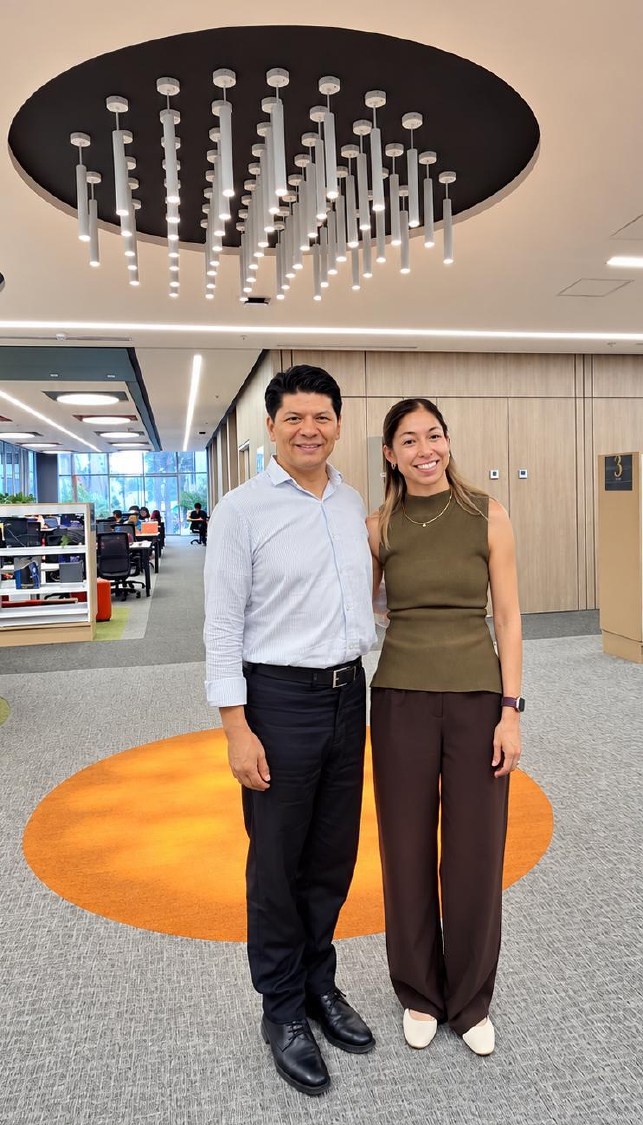
Returning to the Industrial University of Santander (UIS) was, for Magistrate Lily Rueda, much more than an academic visit. It was a return to her roots—to the institution where her vocation for social justice and her commitment to the country were born.
A graduate of the UIS Law program, class of 2006, she now serves as a full magistrate of the Chamber of Acknowledgment of Truth within the Special Jurisdiction for Peace (JEP). She leads one of the most sensitive cases in Colombia’s recent history: Case 07, which investigates the recruitment and use of children and adolescents in the armed conflict.
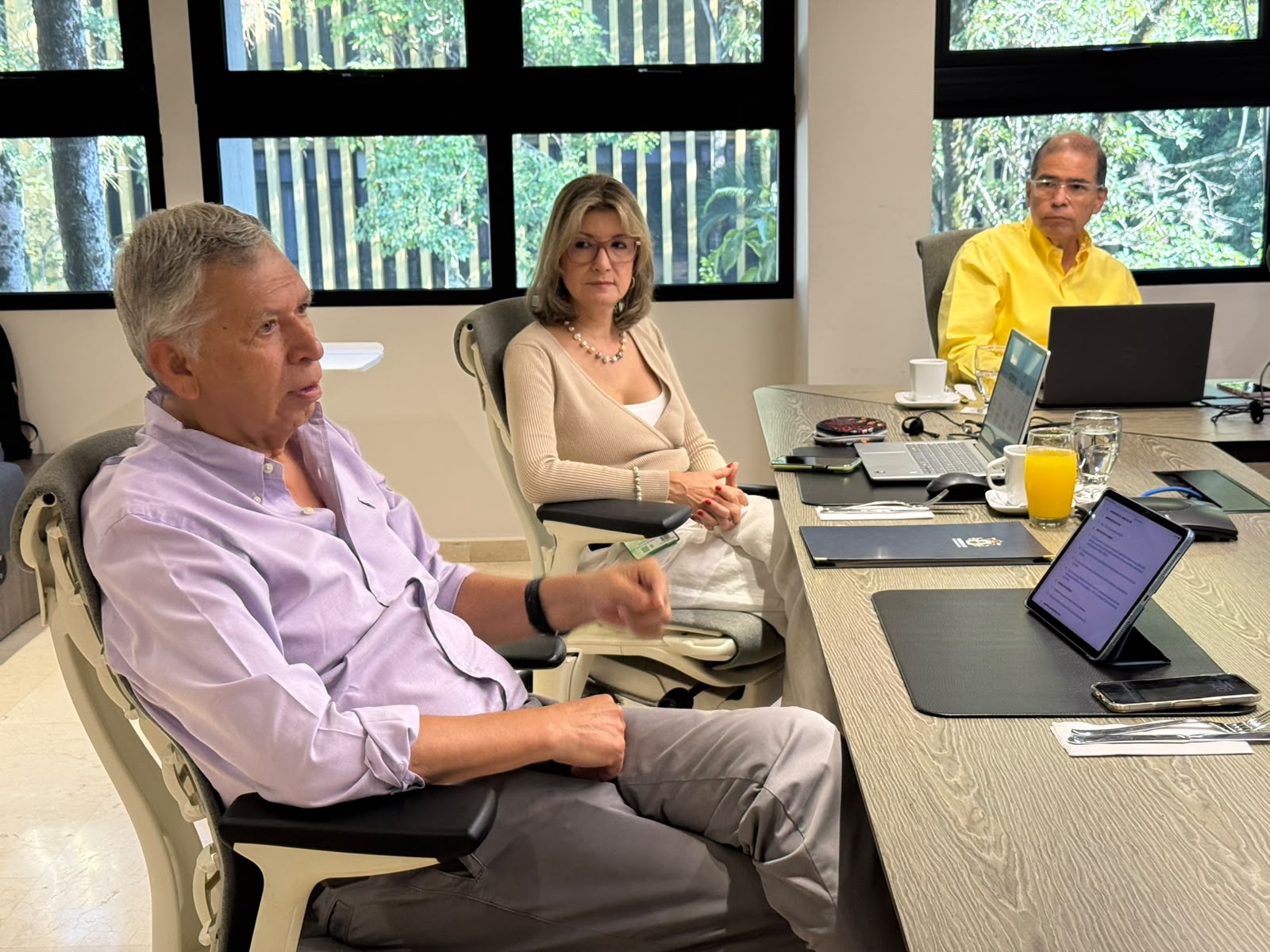
Her presence at the university, as part of the JEP’s cooperation agreement and the socialization of Case 07, became a profound moment of reflection on the magnitude of a phenomenon that, as she puts it, “affects the most vulnerable population in the country: rural children.”
“It’s a macro-criminal phenomenon of enormous magnitude. We’re talking about rural childhood—an extremely vulnerable and unprotected population that was exploited in the midst of armed conflict. Many were deceived, others were forced, and some even believed they were fighting for a better country. But the result was always the same: the loss of their childhood,” she explained in a calm yet firm tone.
According to the magistrate, the JEP has documented 18,677 cases of children recruited between 1971 and 2016 by the former FARC-EP. The investigation she leads seeks to uncover the truth, promote reparations, and guarantee non-repetition.
Justice that Listens and Heals
Case 07 has made it possible to identify those most responsible for these crimes and to open a space for restorative justice where victims have a voice.
“Our goal is for the victims to participate, for their voices to be heard. What we do is not only about punishment—it’s about rebuilding the social fabric that was torn apart. We want the wounds of war to begin, little by little, to heal.”
On that path, Magistrate Rueda and her team have listened to the testimonies of women who were recruited as children, mothers still searching for their missing sons, Indigenous communities affected collectively, and LGBTIQ+ individuals who suffered violence within the guerrilla ranks.
“Each testimony is a mirror of the country. They tell us about the before, during, and after. Hearing a mother speak about her missing child, or a woman who was recruited at age 12, changes your life. That’s when you understand that justice cannot only be legal—it must also be human.”
In its most recent indictments, the JEP has included chapters that highlight gender-based violence and collective harm to ethnic communities, expanding the understanding of the many ways in which war scarred Colombian childhood.
Education as an Antidote to Recruitment
For Magistrate Rueda, access to education is key to preventing these tragedies from happening again:
“Many of the victims tell us there were no schools in their territories—that the absence of the State and the lack of opportunities left them exposed. Where there is education, there is hope; where there is neglect, there is risk.”
That is why she emphasizes the vital role that public universities play in building memory and forming conscious citizens.
“Academia must be a space for memory. Universities and schools should talk about these issues, help students understand how these forms of violence occurred and how to prevent them from repeating. That is the best tribute we can pay to the victims.”
A Graduate with a UIS Heart
Speaking about her time at UIS fills her with visible emotion.
“Studying at a public university gives you a unique sensitivity. UIS taught me to look at the country with empathy—to understand social realities and never forget that behind every case there are human beings, stories, and pain.”
Rueda affirms that the university not only provided her with a solid legal education but also shaped her understanding of justice as a service to humanity.
“Coming back to UIS touches my heart. Here I learned what it means to serve. This university didn’t just give me a profession—it gave me a way of seeing the world, of putting justice at the service of life and human dignity.”
Today, her work at the JEP embodies the values UIS stands for: commitment, social sensitivity, and excellence with a human purpose.
In Lily Rueda’s story intertwine those of a lawyer from Santander who dreamed of changing her country—and of a magistrate who now fights to restore the voice and dignity of thousands of children whom war tried to silence.