

Copoazú, an Amazonian fruit also known as Theobroma grandiflorum, has become the focus of scientific research led by the Industrial University of Santander (UIS), with the aim of generating sustainable solutions for farmers in the department of Caquetá.
The UIS research team, made up of professors Bladimiro Rincón Orozco and Mario Negrette from the Department of Basic Sciences at the School of Medicine, Clara Sánchez from the School of Microbiology, Nelson Rodríguez from the School of Biology, and William Hidalgo from the School of Chemistry, participated in the second workshop of the Bioeconomy Program – Call 936 of 2023, MinCiencias. This initiative seeks to take full advantage of the biological diversity of copoazú cultivation through sustainable agroforestry systems.
The project aims to strengthen technical and scientific knowledge about copoazú cultivation in order to improve agricultural practices, protect the environment, and generate tangible benefits for rural communities in the region. Thanks to this research, we have worked directly with producers in Caquetá on issues such as:
-Identification of diseases that affect the crop, such as moniliasis, and strategies for managing them.
-Selection of plants that are more resistant to climate change, with greater tolerance to pests and higher productivity.
-Evaluating the use of natural biostimulants such as melatonin, coffee residues, and beneficial bacterial consortia to improve soil and tree development.
-Studying the nutritional, phytotherapeutic, and sensory properties of copoazú, a fruit with unique characteristics and great commercial potential at the national and international levels.
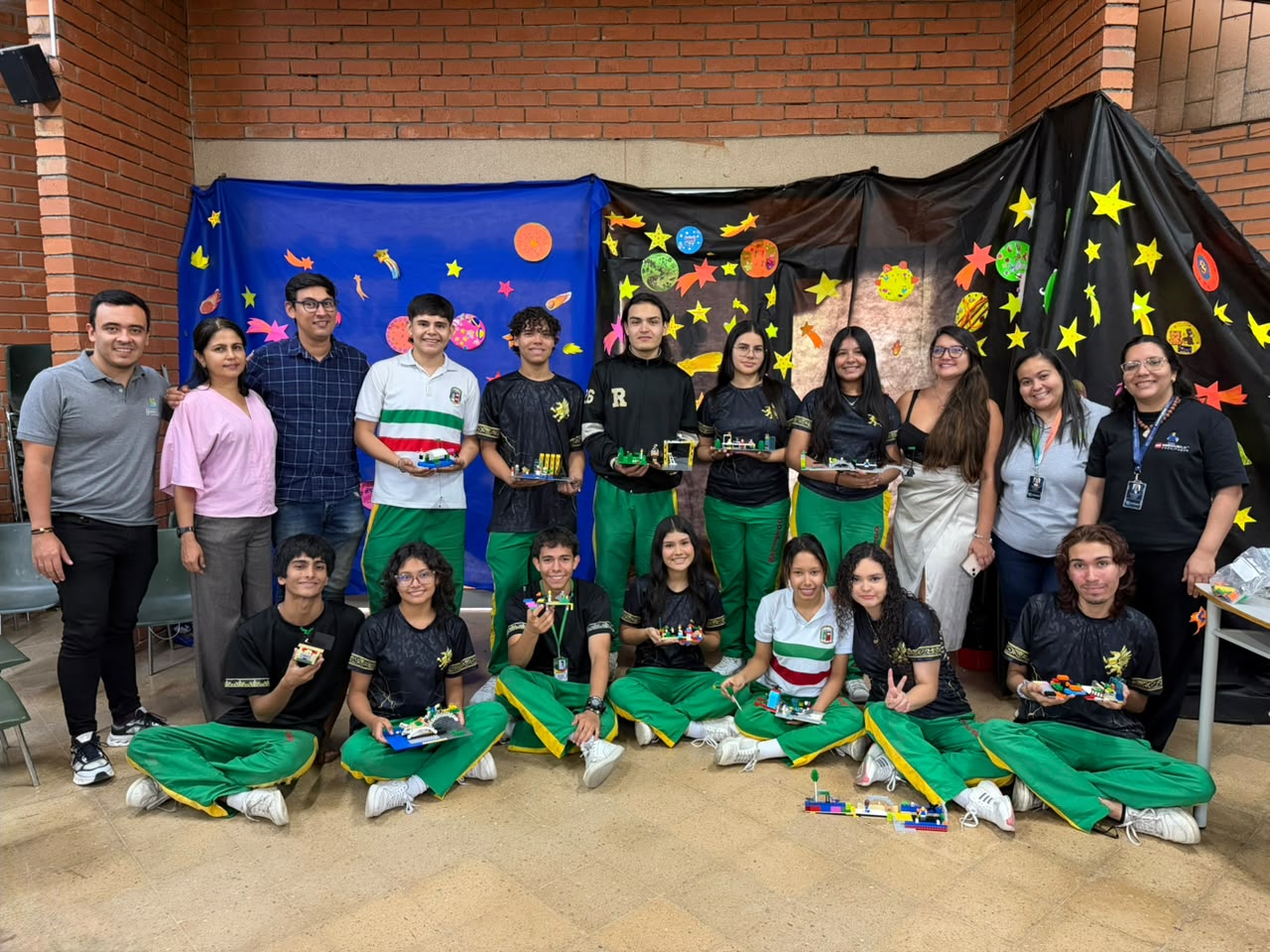
-The meeting was attended by 20 producers from the department of Caquetá, as well as students, researchers, and representatives from partner institutions such as the University of the Amazon, the ——-University of Nariño, the University of Antioquia, the Corporation for Biological Research, and regional companies such as Puramazonia Zomac SAS.
The day ended with a practical activity at a copoazú farm, where demonstrations were given on harvesting, pruning, grafting, and pest recognition and control.
This exercise in social appropriation of knowledge marks a milestone for the rural communities of Caquetá and reaffirms our alma mater’s commitment to science in the service of the country, demonstrating that university research can offer real solutions to the challenges facing the Colombian countryside.