

Amid complex geographic conditions and with the goal of closing long-standing gaps in access to education, the UIS in Territories program manager, Jorge Villamizar, participated—alongside delegates from the Ministry of National Education—in a technical visit to the municipality of Cumaribo, in the department of Vichada. This area is one of the most remote regions in the country and is considered the largest municipality in Colombia, located deep within the jungle.
The visit, carried out between April 14 and 16, 2026, was part of an advanced agenda aimed at expanding higher education across territories, in coordination with the Ministry of National Education and local authorities.
The journey to this, which involves approximately 16 hours of travel from Puerto Carreño, highlighted the logistical challenges institutions face in reaching rural and Indigenous communities scattered throughout the territory.


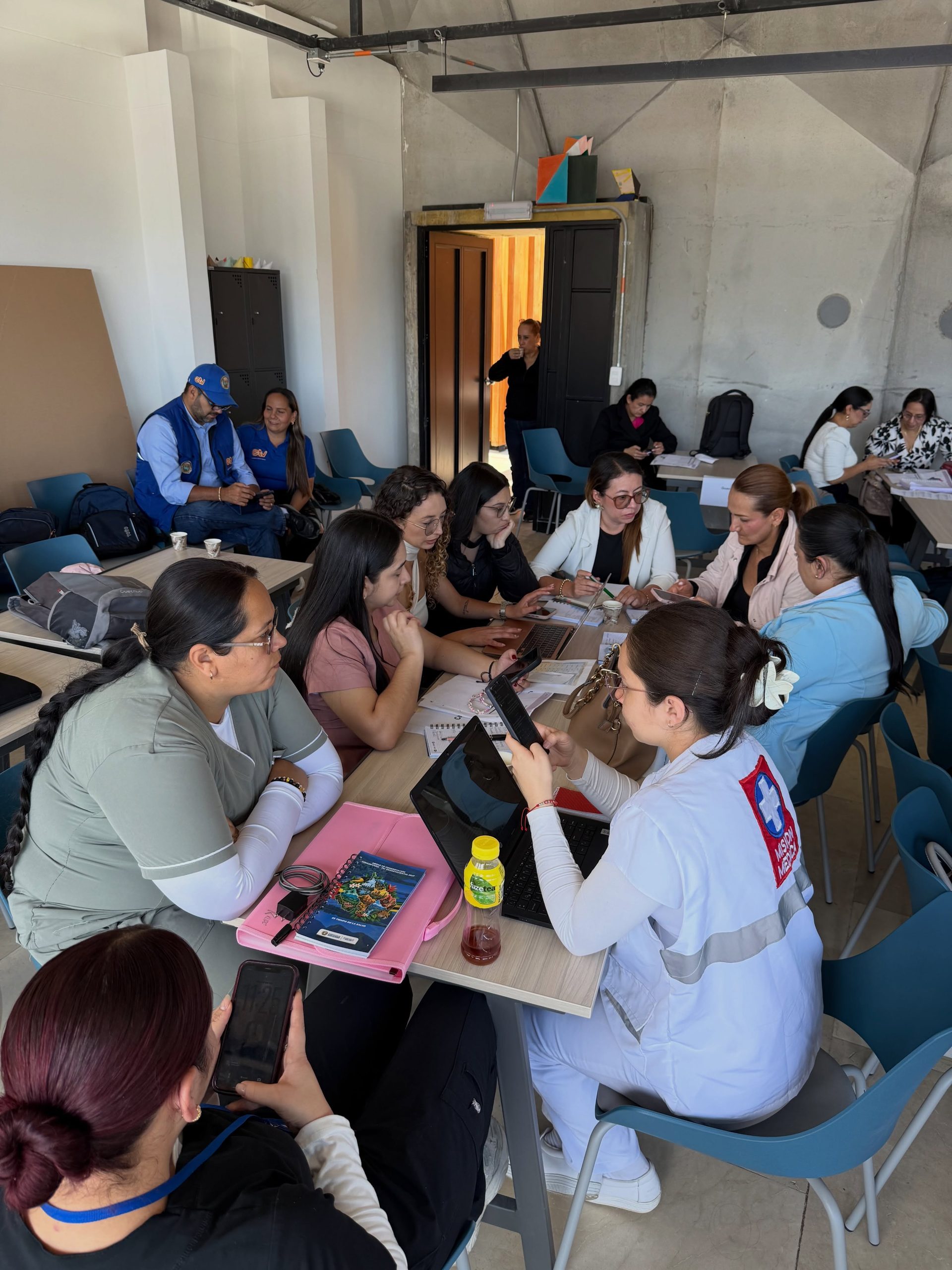
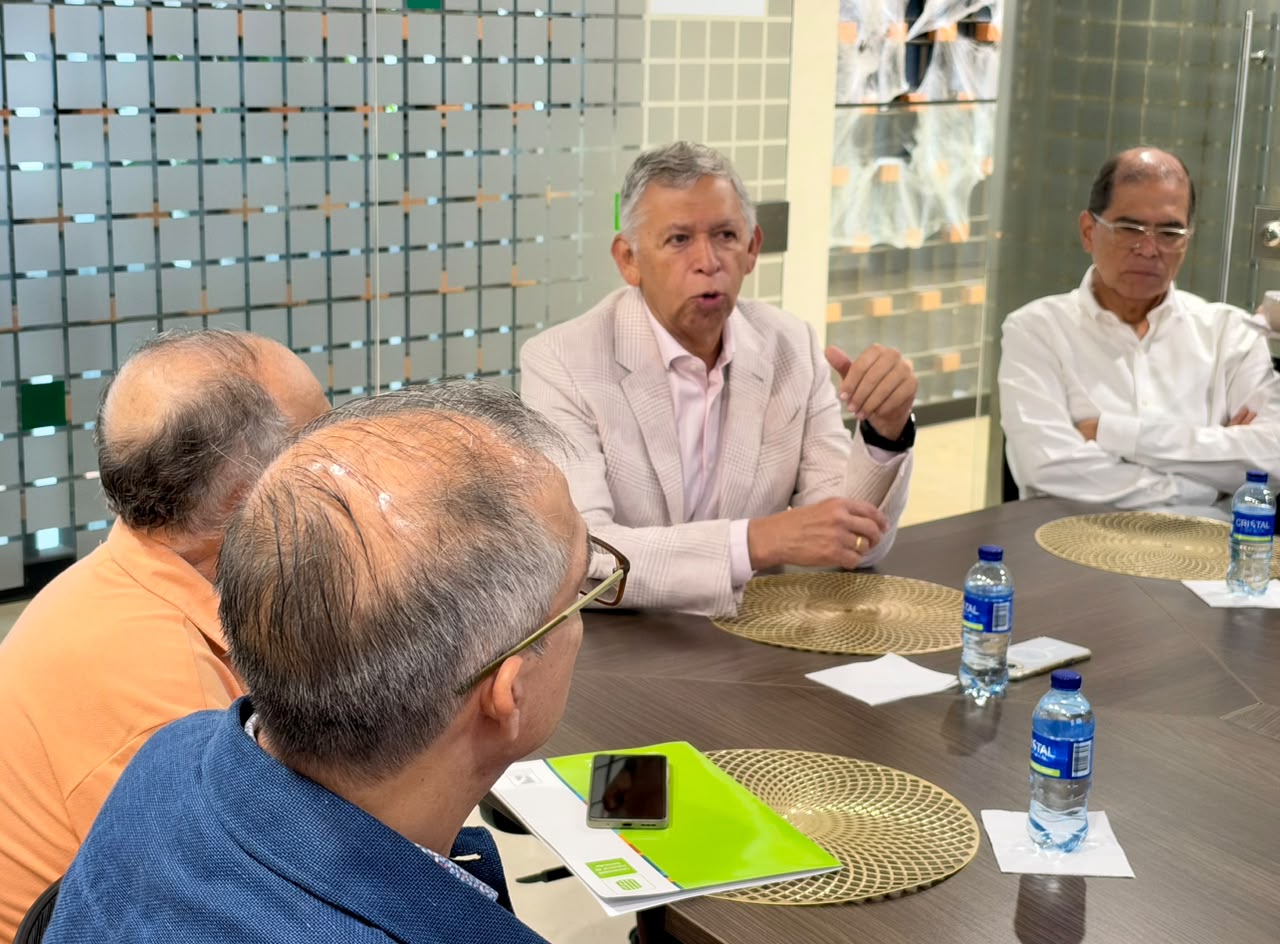
During the working days, technical roundtables, diagnostic panels, and meetings with local stakeholders were held, involving the Governor’s Office, the Mayor’s Office of Cumaribo, educational institutions, and Indigenous organizations. One of the key components was the development of a “territorial snapshot” of higher education, identifying gaps in coverage, infrastructure, and connectivity.
A technical visit was also conducted to institutions such as Sagrado Corazón de Jesús, in order to assess their potential as educational hubs for the implementation of academic programs in the region.
The agenda also included the definition of a territorial operational model to establish quotas, study modalities, and implementation schemes for the second semester of 2026, tailored to local conditions. In this process, the participation of the Industrial University of Santander (UIS) was key in projecting the arrival of relevant academic offerings.
Among the expected outcomes of this initiative are the consolidation of a prioritized academic program matrix, the identification of educational institutions suitable as training hubs, and the development of a differential pathway with an intercultural approach—essential in a territory with a strong presence of Indigenous communities.


The governor of the department, Fulberto Guevara, highlighted the impact of this process: “Today, it is a great satisfaction to be part of this push for higher education; in Vichada, you have an ally to bring development to our youth.”
Meanwhile, the departmental Secretary of Education, Julio César Hidalgo, emphasized the urgency of expanding opportunities: “Higher education is a right, and we must ensure that our young people can access it without barriers.”
From the national government, Jhon Emerson Espitia Suárez, advisor to the Vice Ministry of Higher Education, stressed the focus of the strategy: “Today, higher education is a fundamental right, and the challenge is to bring it to the territories with free access and relevance”.

Villamizar’s visit not only reaffirms the institutional commitment to the most remote regions but also lays the groundwork for concrete announcements regarding access to higher education, which will be formalized during the upcoming ministerial visit.
Through these actions, the national government and higher education institutions are advancing toward a more inclusive model, bringing educational opportunities to territories historically excluded in Colombia.