
Chapter 8 of the documentary series Vive el Patrimonio: Una Década de Transformación showcases the comprehensive transformation of the Universidad Industrial de Santander’s Student Welfare Building, a 1967 structure that preserves its historical value while incorporating new spaces for student well-being and holistic development.
The history of the Universidad Industrial de Santander’s Central Campus can also be told through its buildings. Some have supported education and research for decades, while others have been transformed to respond to the evolving needs of the university community. This is the case of the Student Welfare Building, the focus of the eighth chapter of Vive el Patrimonio: Una Década de Transformación.
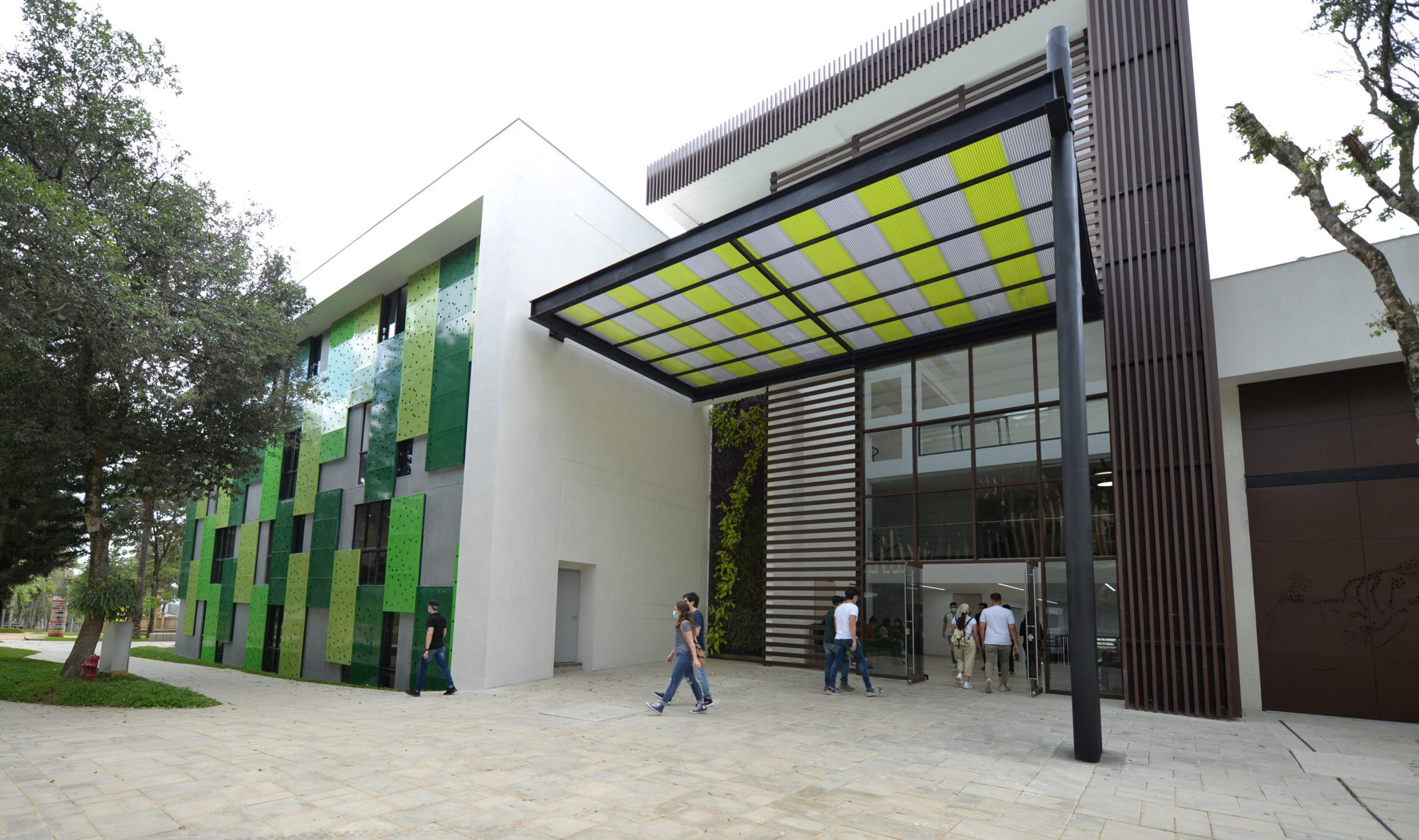
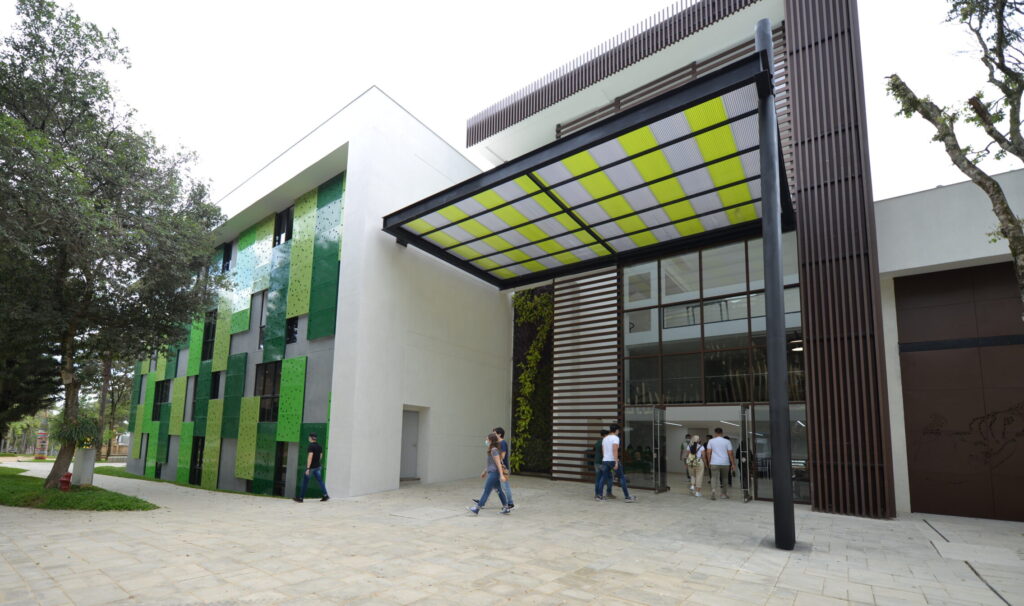
Built in 1967, the building is part of UIS’s architectural heritage. Following a comprehensive intervention, it now encompasses 7,764 square meters that bring together services, gathering areas, and spaces designed to support different aspects of university life.
A transformation that preserves its history
The intervention included structural reinforcement, the renovation of existing spaces, and a new architectural proposal. Its objective was to respond to the current needs of the university community while preserving the historical value of a building with more than five decades of history.
As a result, the transformation created more open and functional environments, establishing a stronger relationship between the building and the green areas of the Central Campus. Natural lighting and ventilation are among the features incorporated into the renewed spaces.
Architect Álvaro Higuera, Director of the UIS Architecture Program, also contributes to the chapter, discussing the challenges involved in transforming a building with more than fifty years of history into a contemporary space dedicated to student welfare.
Spaces and services for university life
The renovation brought together different services and settings designed to accompany students throughout their university experience.
Medical and dental offices, psychological counseling, spaces for student representatives, study rooms, coworking areas, a small library, terraces, a reflection room, and university dining facilities are part of this infrastructure. The building also includes spaces connected to cultural and educational activities, such as rooms for the Fine Arts program.
In this way, the building brings together services related to health, counseling, study, culture, food, and community interaction — dimensions that are part of students’ everyday experience at UIS.
A new architectural envelope for a historic building
One of the most visible elements of the transformation is the building’s new architectural envelope. Micro-perforated metal panels regulate the entry of natural light and strengthen the relationship between the interior spaces and their surroundings.
The intervention also recovered the central courtyard and transformed the open areas and dining facilities, which now offer improved conditions in terms of space and ventilation. These settings encourage everyday interaction and allow architecture to play an active role in the way students experience the building.
Architect Jaime Higuera, Director of the UIS Architecture Program, also contributes to the chapter, offering his perspective on the architectural and spatial design considerations involved in creating an environment focused on student welfare.
Heritage as part of the university experience
The transformation of the Student Welfare Building presents university heritage as a living element: one that can preserve its history while adapting to the needs of each generation.
Today, the building maintains its connection to the history of the Universidad Industrial de Santander while providing spaces for health, counseling, culture, and interaction among students.
With this chapter, Vive el Patrimonio: Una Década de Transformación continues to explore the projects that have transformed UIS facilities over the past decade and strengthened the experience of those who live and learn on the Central Campus.
Because building heritage also means building quality of life.