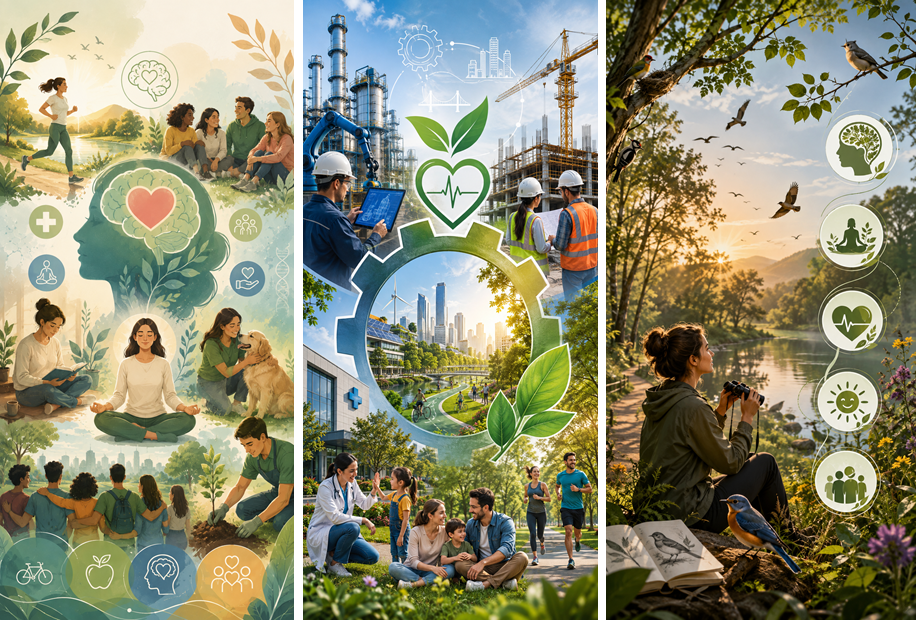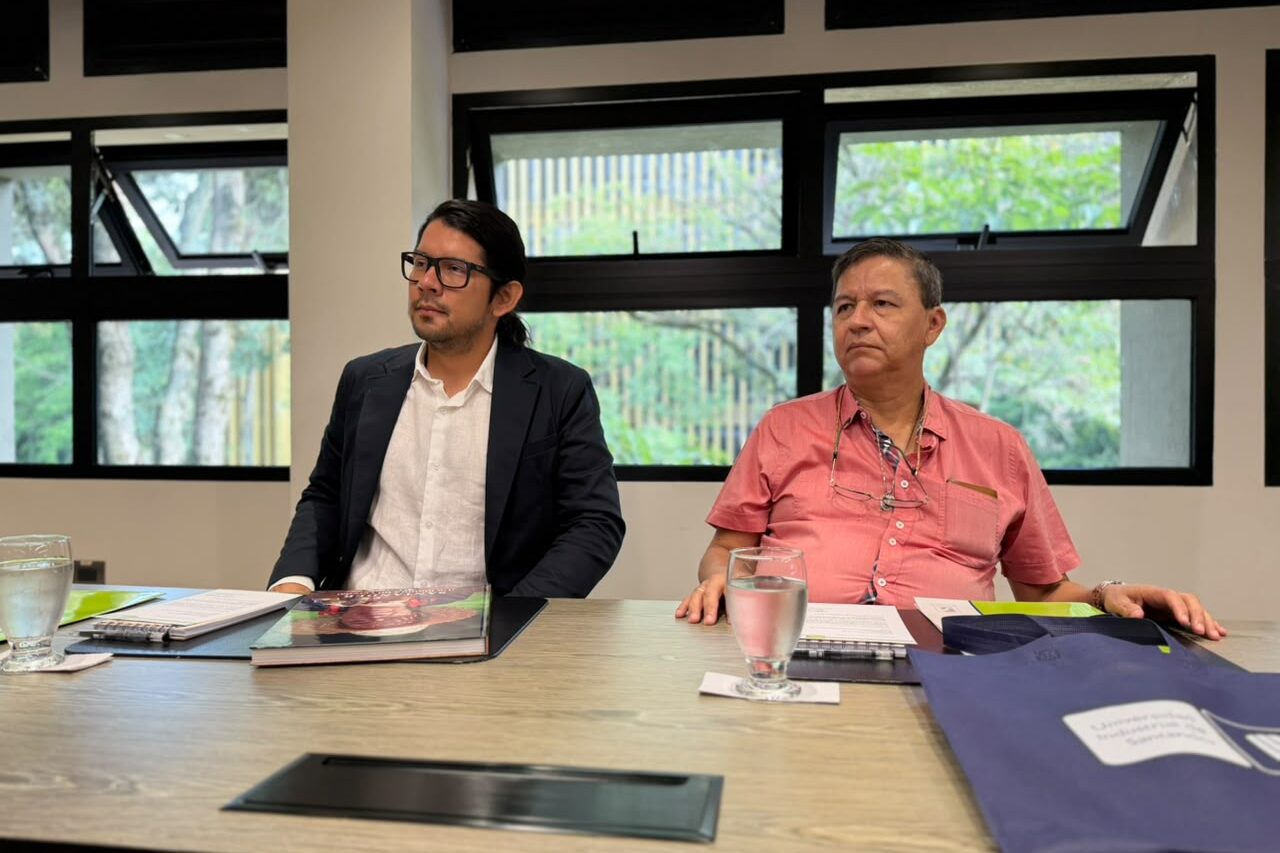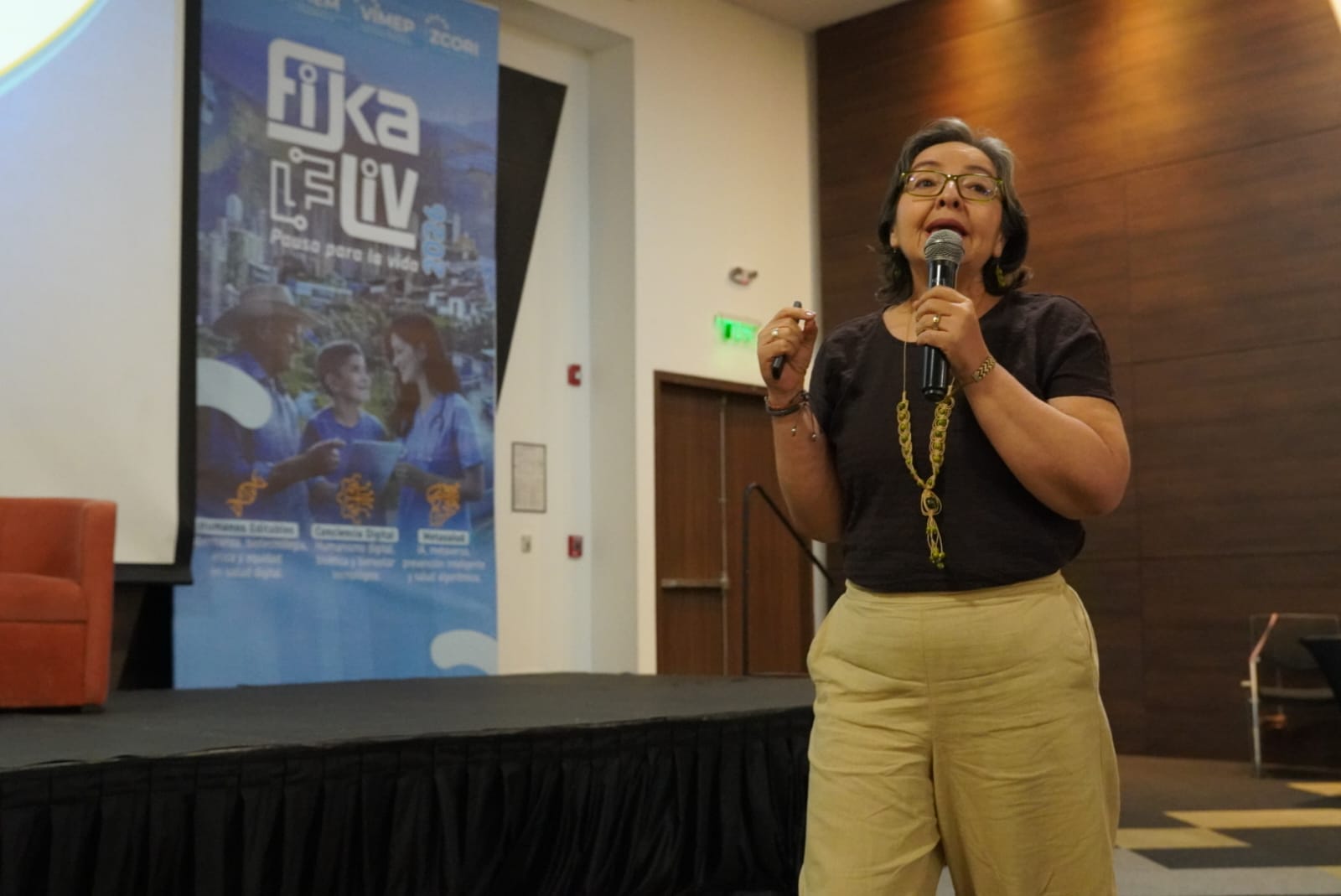

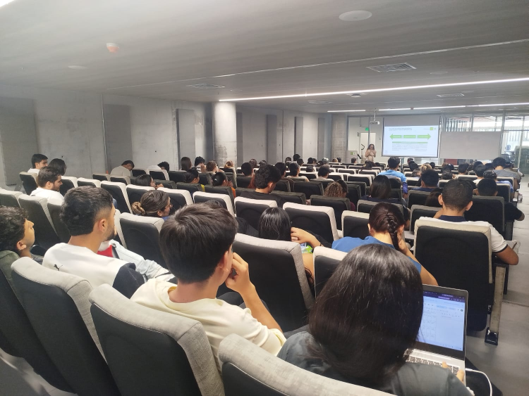
In August, the Health and Society Chair at UIS held four sessions that brought together science, innovation, and well-being from an interdisciplinary perspective. Dr. Lina María Vera Cala led the first three sessions, and Dr. Leidy Johanna Rueda Díaz led the fourth.
The inaugural session, “Science and Health as Drivers of Social Transformation,” began with a question about the recent earthquake in Pereira and Cali: Why did so many buildings collapse if Colombia has advanced seismic resistance standards? This reflection led to an analysis of how corruption, informal construction, and a lack of planning impact health. The concept of healthy housing and the “One Health” approach—which connects human, animal, and environmental health—were introduced.
The second session, on health sciences and well-being, delved into how social, economic, and environmental determinants shape population health, reaffirming that well-being transcends the clinical realm.
Meanwhile, the third session, “Engineering, Industry, and Construction for a Healthier Society,” centered on the documentary The Human Scale by Jan Gehl, which challenges car-centric urban planning. The students analyzed the reality of Bucaramanga—the collapse of public transportation, the rise in motorcycles, and the lack of infrastructure—and debated public policies such as traffic camera fines and health taxes. The central question was: Do we build cities for people or for vehicles?
Finally, in the fourth session, Dr. Rueda Díaz addressed the benefits of birdwatching for mental health. Based on an interdisciplinary study by the UIS, it was shown that contemplative birdwatching acts as a mindfulness practice that reduces anxiety, builds patience, and helps people relate differently to distress. “My mindfulness is listening to the birds,” said one participant.
Through these sessions, the Chair reaffirms its commitment to training professionals who understand that health is built on science, the local environment, and a connection with nature.