
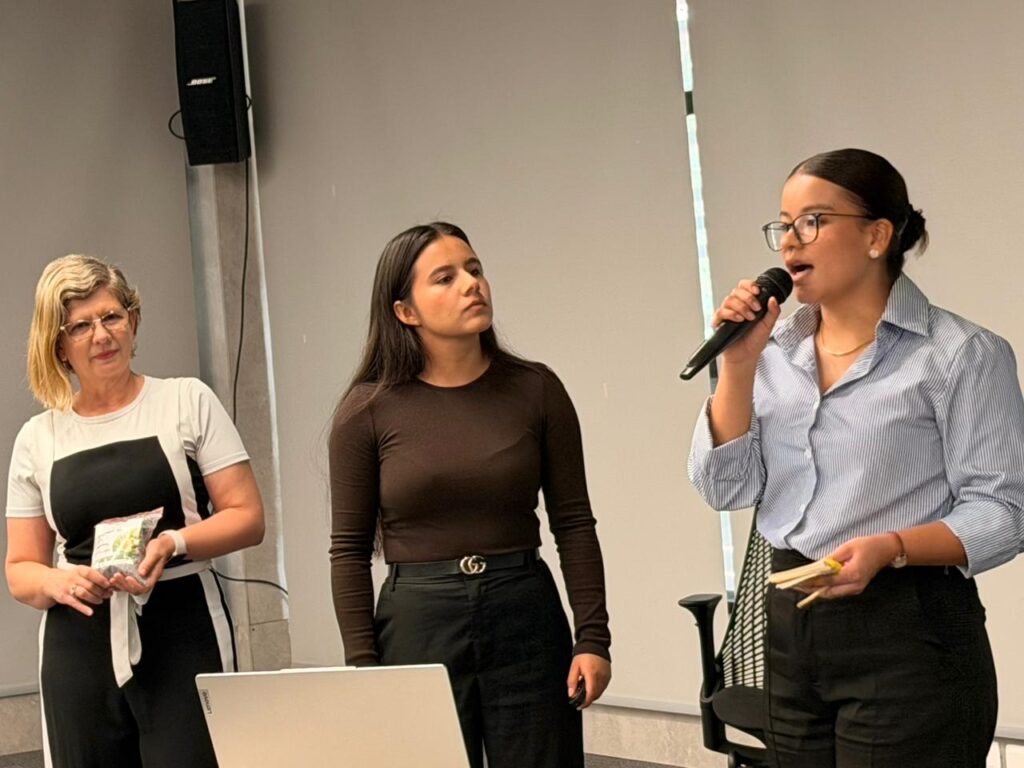
As the closing event of the Innovation and Technology-Based Entrepreneurship Week, 16 technologies developed at the Industrial University of Santander (UIS) were presented before national and international experts as part of the UIS Spin-Off strategy. This initiative, led by the Vice Presidency for Research and Extension, aims to transform the University’s research outcomes, technological developments, and innovative ideas into technology-based companies with the potential for regional, national, and international impact.
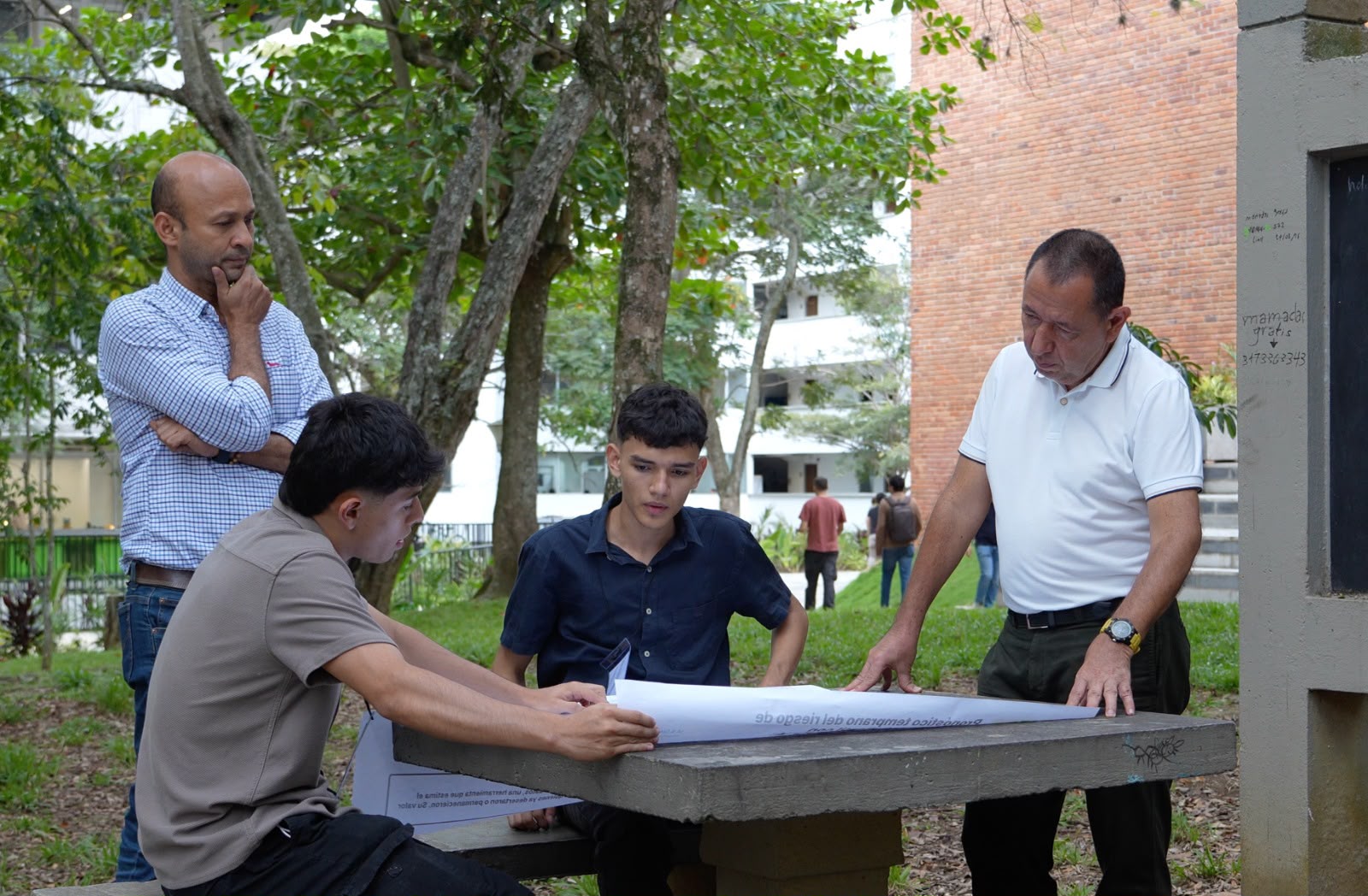
One of the most notable components of the week was the personalized support provided to participating teams. Through mentoring sessions and specialized consulting, professors and students received guidance to strengthen their business models, validate market opportunities, identify growth strategies, and advance in the consolidation of initiatives under the university spin-off model.
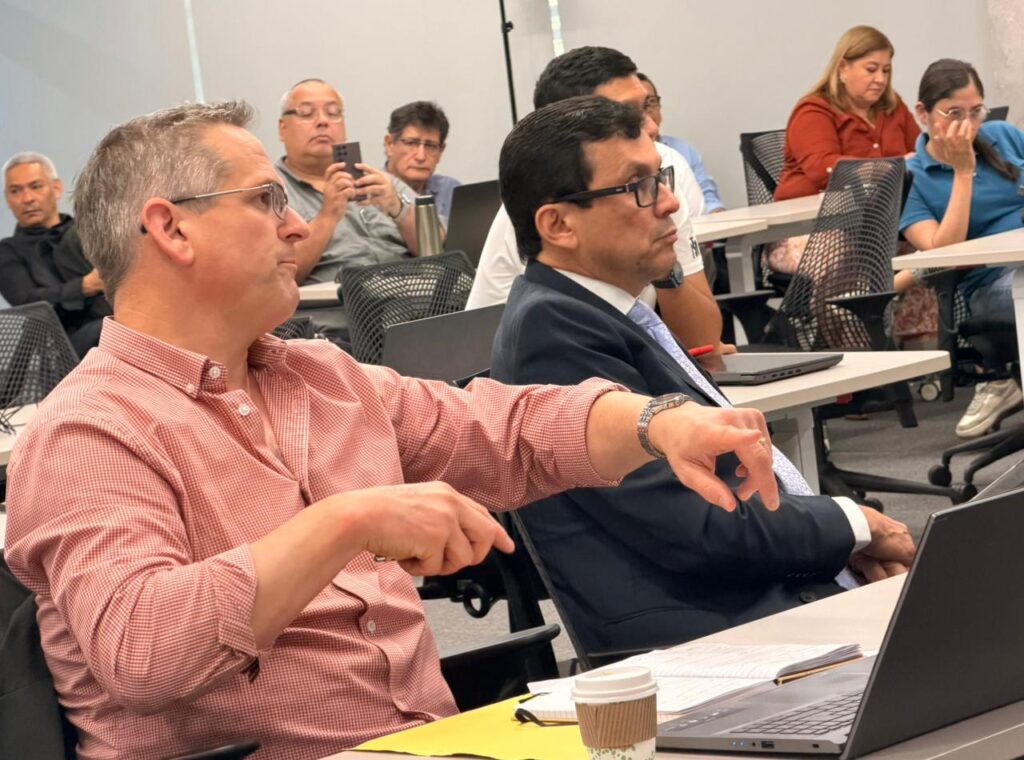
The presentations were the result of an intensive week of work alongside international experts Tim Hart and Carlos Parra, who shared tools, methodologies, and experiences to help teams identify strengths, refine their value propositions, and bring their technologies closer to real commercialization scenarios.
For Professor Mónica Andrea Botero Londoño, from the School of Electrical, Electronic and Telecommunications Engineering, this experience has been essential in strengthening the capacities of the participating teams.
“The support has been incredible. We have learned so much at every stage of the process. The experts have given us very important advice to move forward with all aspects related to spin-offs and to strengthen our knowledge. In addition, learning about international experiences has been extremely enriching in helping us understand how we can take our technologies to the next level,” she stated.
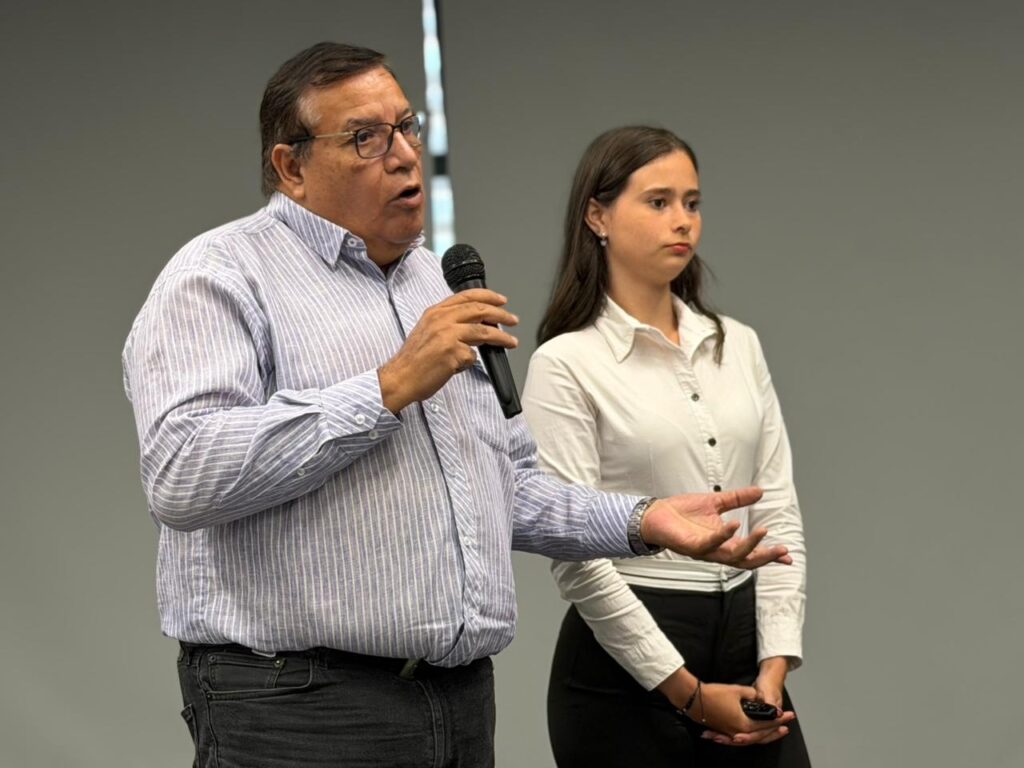
This initiative represented a strategic step toward bringing the knowledge generated at the University closer to the needs of society by promoting technology transfer, innovation, and the creation of science- and technology-based companies that contribute to the country’s economic and social development.
From an international perspective, Tim Hart highlighted the enormous potential within UIS to lead knowledge-based innovation processes. “What impresses me the most is the talent of the people. The University’s most powerful asset is the individuals who will make these innovations possible. There is a great entrepreneurial capacity and an enormous opportunity for these initiatives to become successful examples that inspire others both inside and outside the university,” he noted.
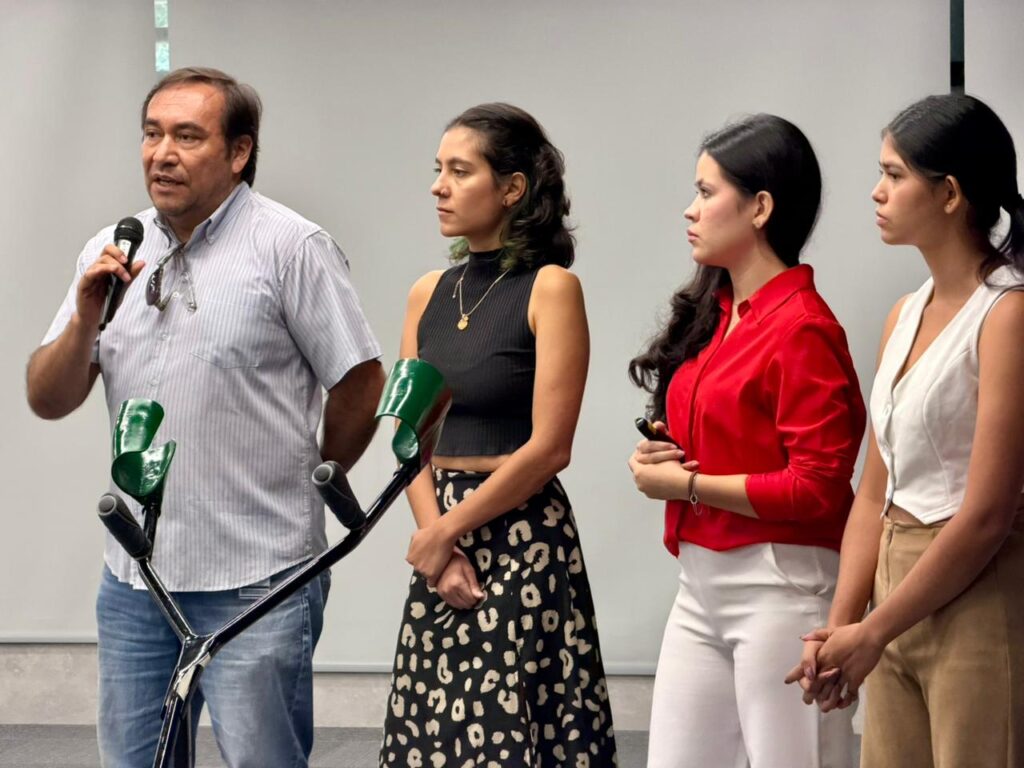
The expert also emphasized the students’ ability to structure business proposals and stressed that the next step is to generate experiences that allow them to validate their projects in real-world scenarios.
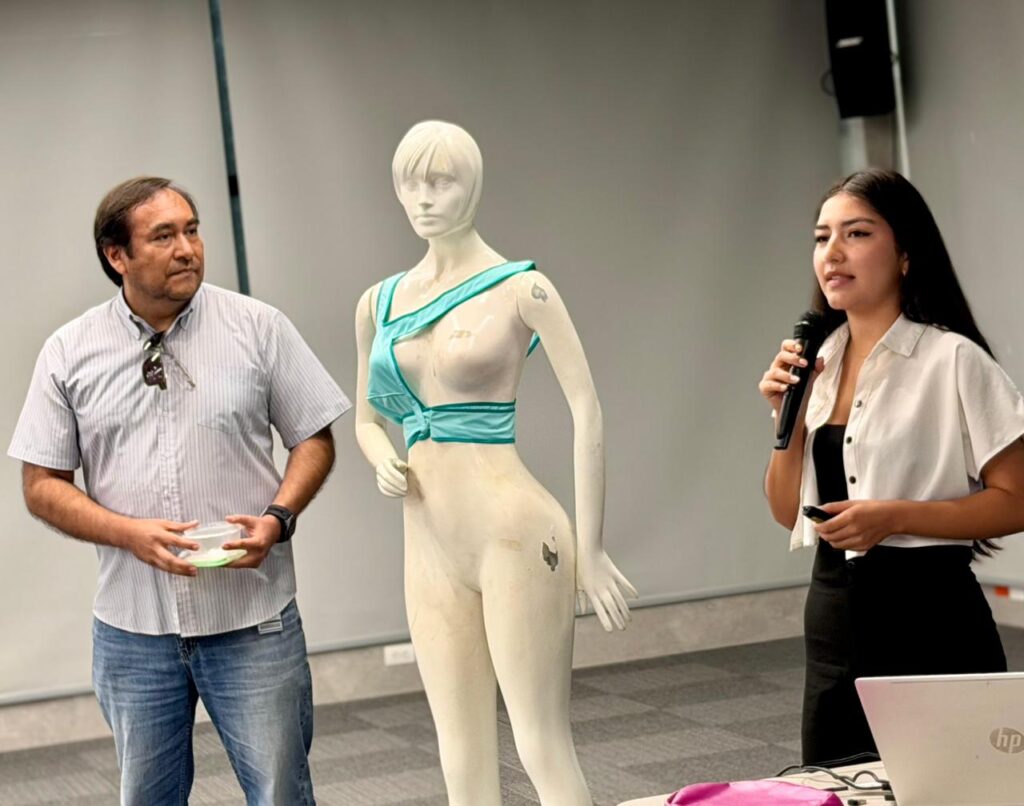
Meanwhile, Professor Germán Adolfo Díaz Ramírez, from the School of Industrial Design, explained that the strategy has enabled them to understand fundamental aspects of technology transfer and the commercialization of their developments, ranging from intellectual property protection to identifying clients, suppliers, and market opportunities.
“We started with an idea that we believed could become a business model, but we did not have a clear understanding of how to achieve it. Thanks to this process, we have learned, matured the proposal, and today we are convinced that we can build a viable business model for the future,” he explained.
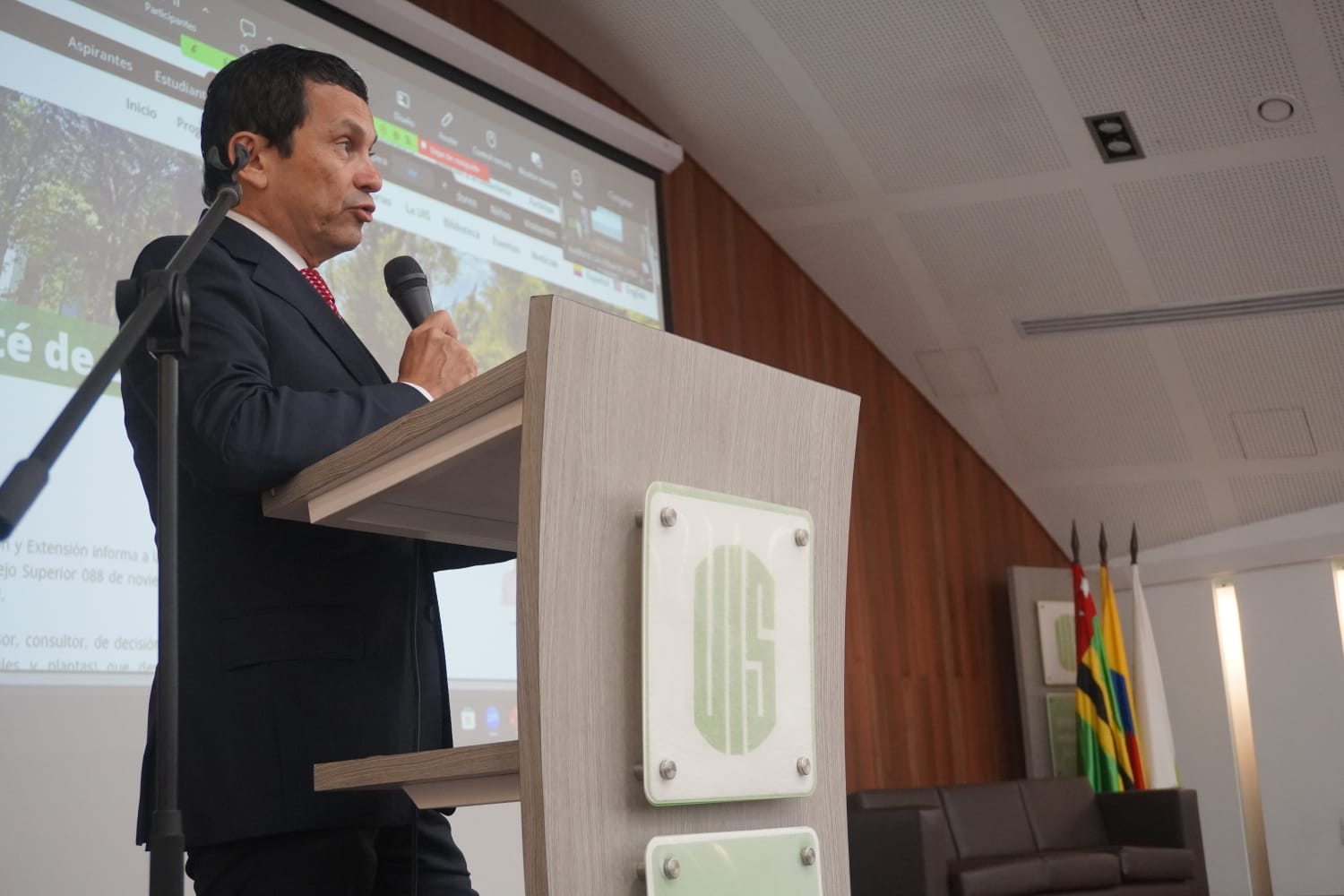
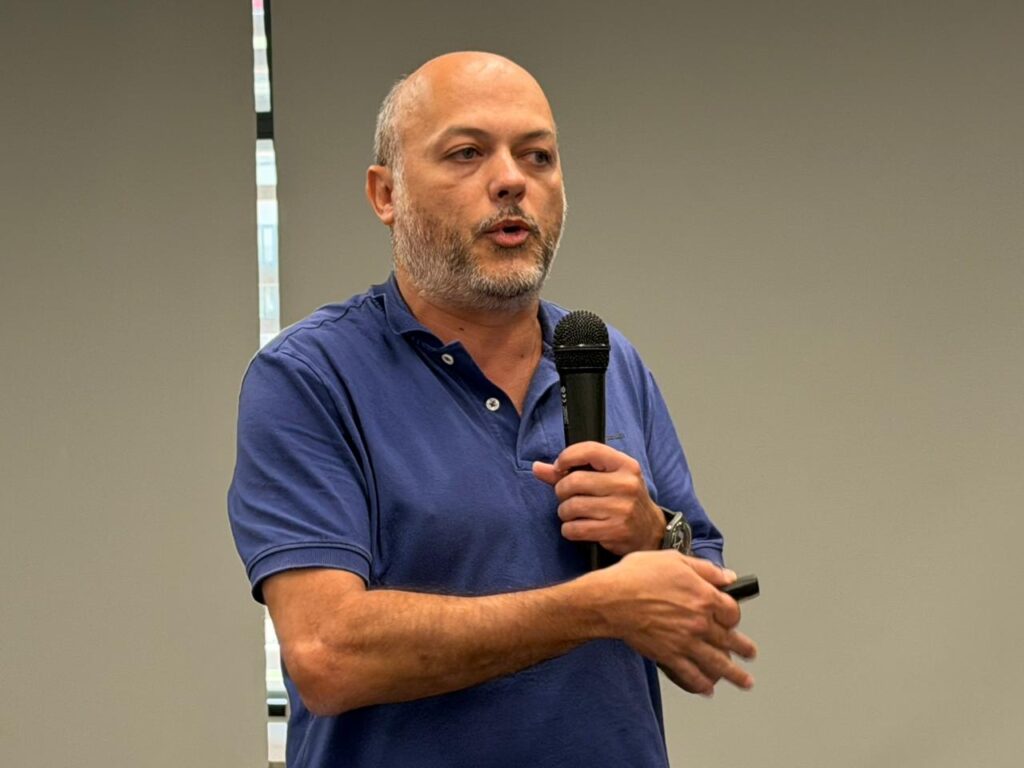
The Vice President for Research and Extension, Professor Cristian Blanco Tirado, commented that this activity represents the culmination of a process that has been strengthened over recent semesters and seeks to consolidate companies derived from the knowledge generated at the institution.
“Today we are presenting technological proposals that we want to bring to the market through technology-based companies or spin-offs. We are very satisfied with the commitment and participation of professors and students. Over the past semesters, we have worked on consolidating business plans that today demonstrate their evolution and potential,” he stated.
He also emphasized that these kinds of initiatives help materialize one of the University’s main purposes: generating social impact through research.
“Society trusts us to educate highly qualified professionals and to develop impactful research. Spin-offs are a concrete way to demonstrate that the results of science, technology, and innovation can become ventures capable of generating value and contributing to economic and social development,” added Professor Cristian Blanco Tirado.
The UIS Spin-Off strategy will continue supporting participating teams in the next stages of strengthening and consolidating their proposals, with the goal of advancing toward the creation of sustainable and competitive technology-based companies.
Likewise, during the second semester of the year, a new call for applications is expected to open for researchers, professors, and students at the University who have technologies, developments, or innovative ideas and wish to join this initiative, contributing to transforming more research outcomes into impactful solutions for society.