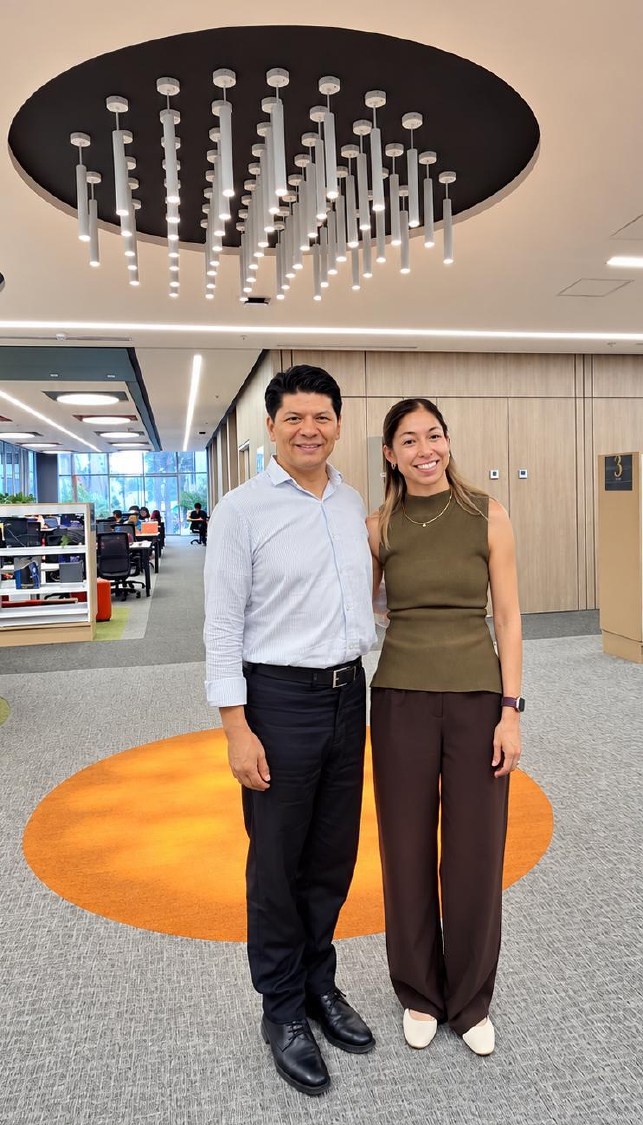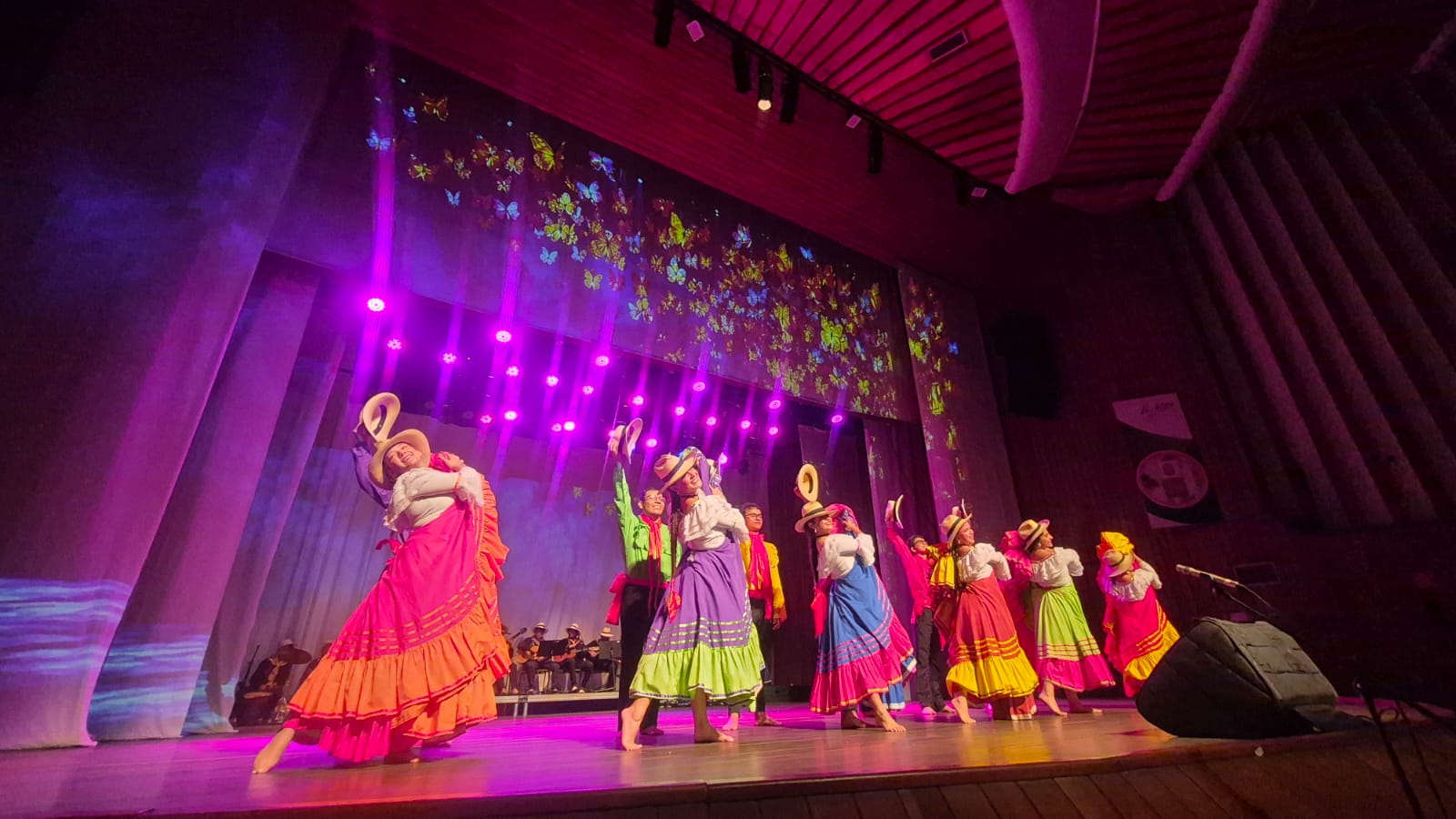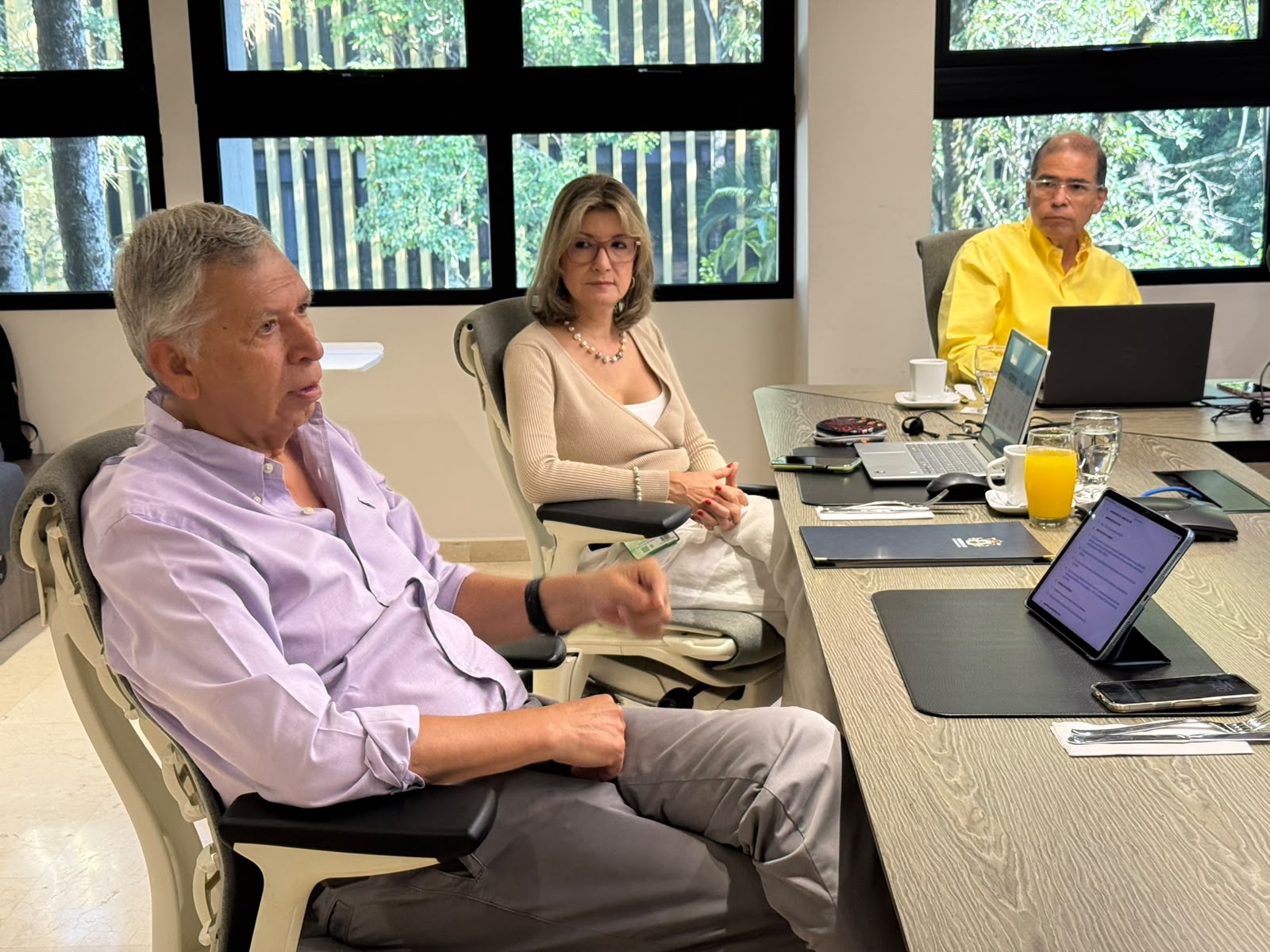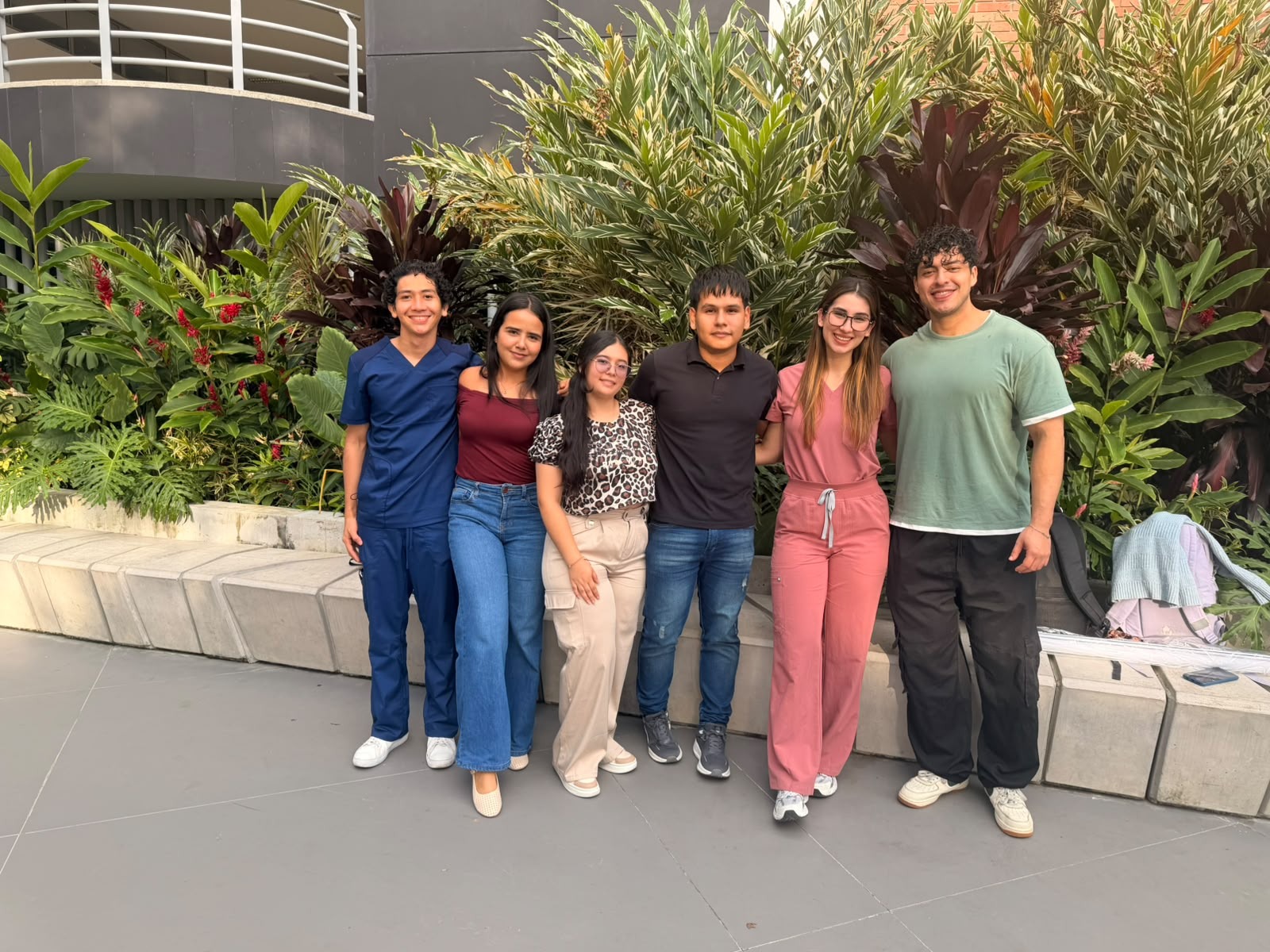

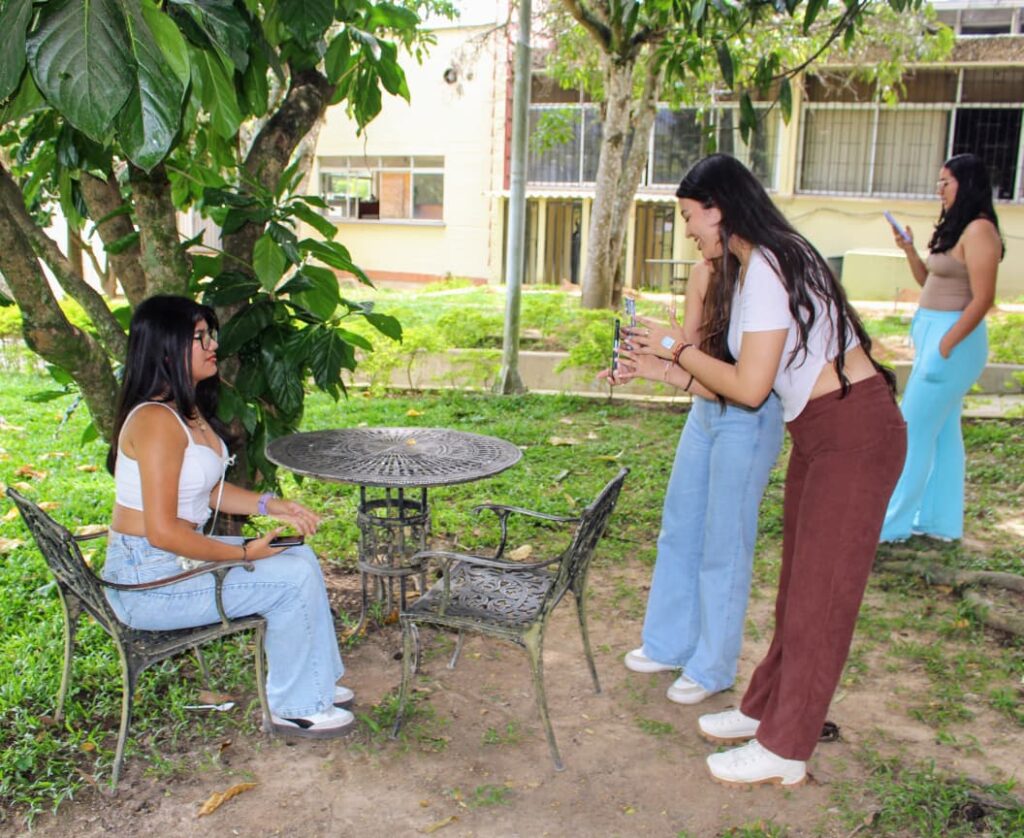
Third-semester undergraduate students in the Social Work program at the Industrial University of Santander (UIS) took a guided tour of the Guatiguará Technology Park with the aim of strengthening their skills in applying new digital technologies to the development, dissemination, and social appropriation of their research projects.
“We addressed topics related to the social appropriation of knowledge and how we can better disseminate science. We also discussed research skills, opportunities in professional social work training, and the students’ ability to communicate their research. Additionally, we learned about very interesting experiences from researchers in the School of Humanities in the field of digital humanities,” said Ana María Loaiza, a professor in the School of Social Work.
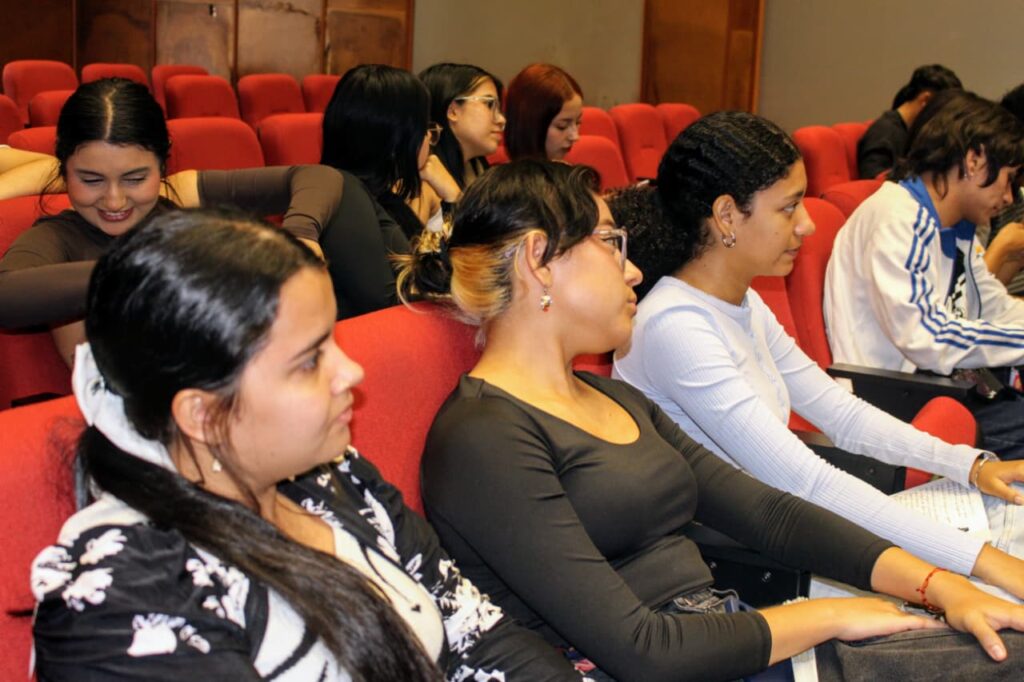
The activity was part of the course “Fundamentals of Research.” Professor Iovan Parra, who teaches the course, emphasized the importance of future professionals adapting to new digital communication channels and leveraging technological tools in their research processes.
“One of the most important aspects is to reflect on the concept of digital humanism and understand how information and communication technologies impact pedagogical and teaching processes, as well as research settings,” the professor explained.
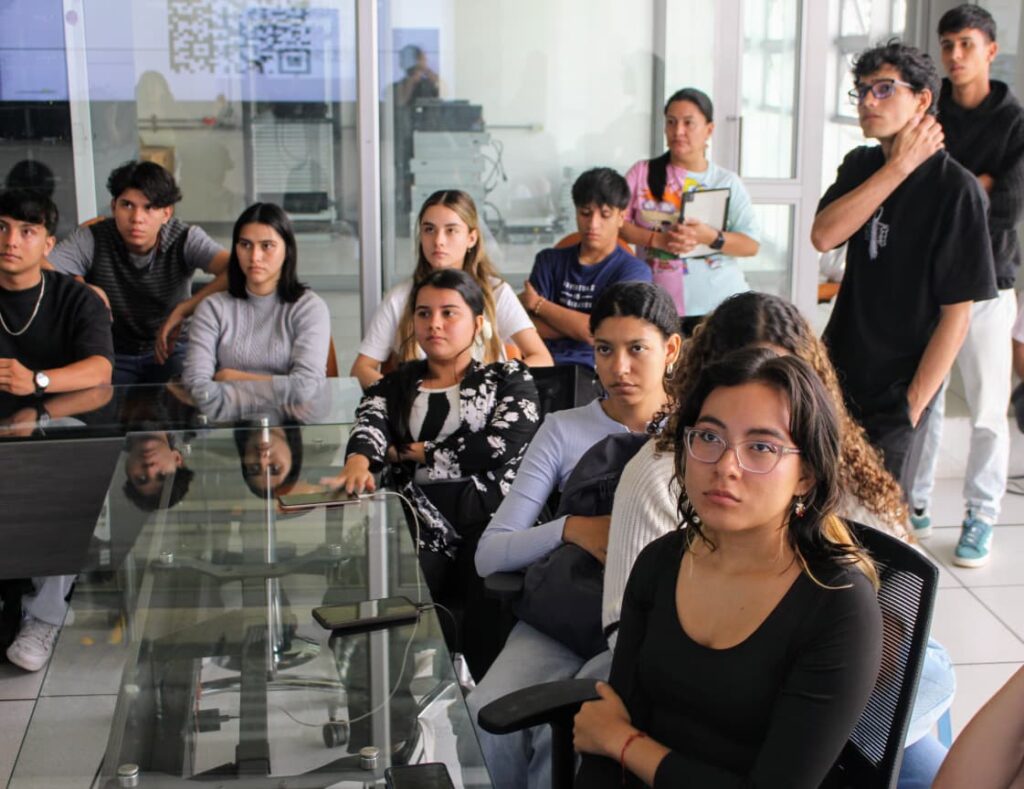
During the event, students participated in content creation workshops and heard from researchers in the humanities who have incorporated digital tools into their academic projects.
“If I could rate the experience on a scale of one to ten, I’d give it an eleven. More than just spectacular, it was a space of great importance because, as Humanities students and future social workers, we need to strengthen our digital skills to understand and address the social contexts in which we will be working in a more organized and precise manner,” said Giselle Quintero, a Social Work student.
Likewise, attendees noted that the visit allowed them to explore laboratories and technological tools at the Guatiguará Technology Park that they were previously unaware of, thereby broadening their perspectives on the application of these technologies in the humanities.
“Being able to see the supercomputer, tour the different spaces, and participate in activities like creating short videos about our research was a rare but very valuable experience for our research training,” commented Steven Guerrero, a Social Work student.