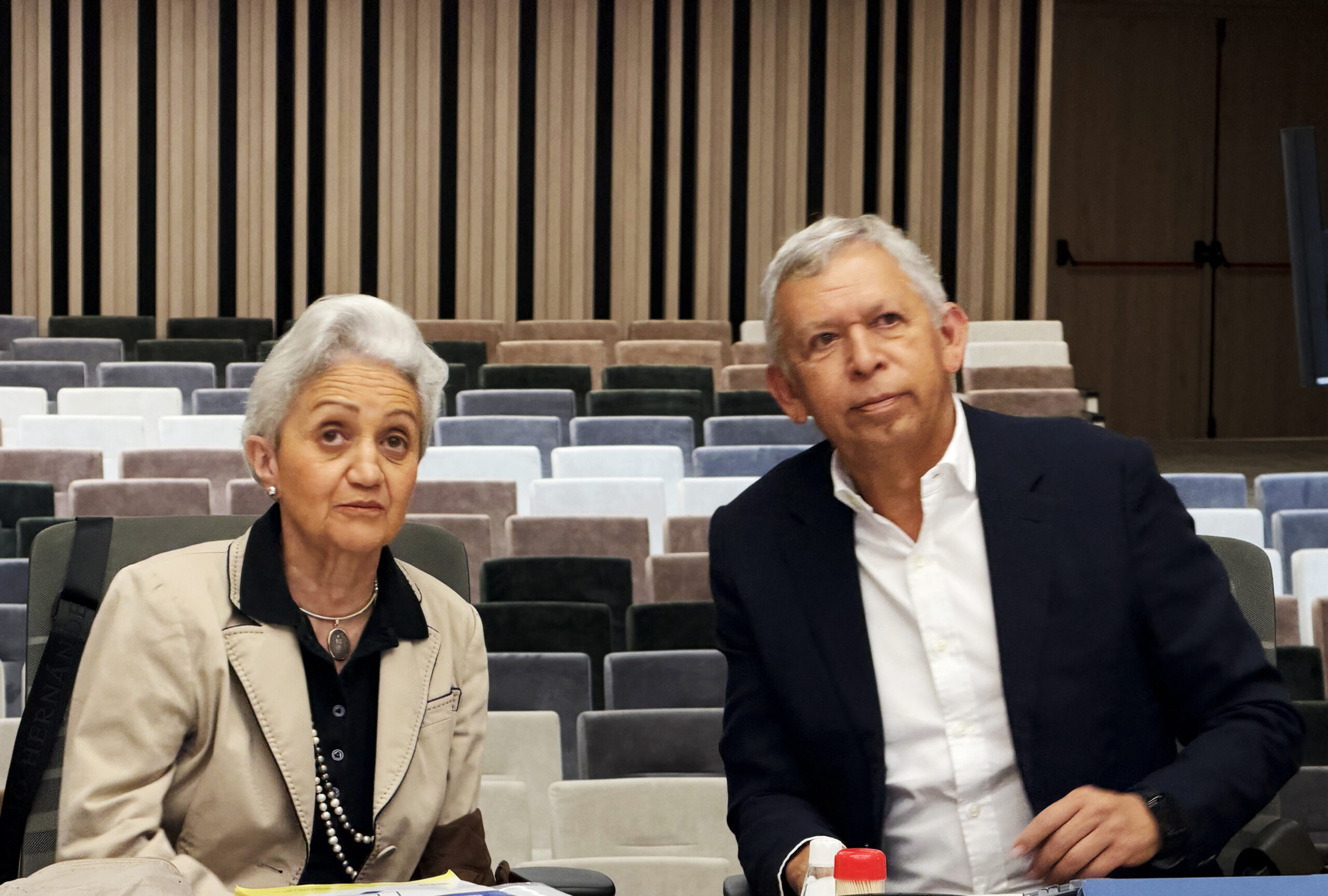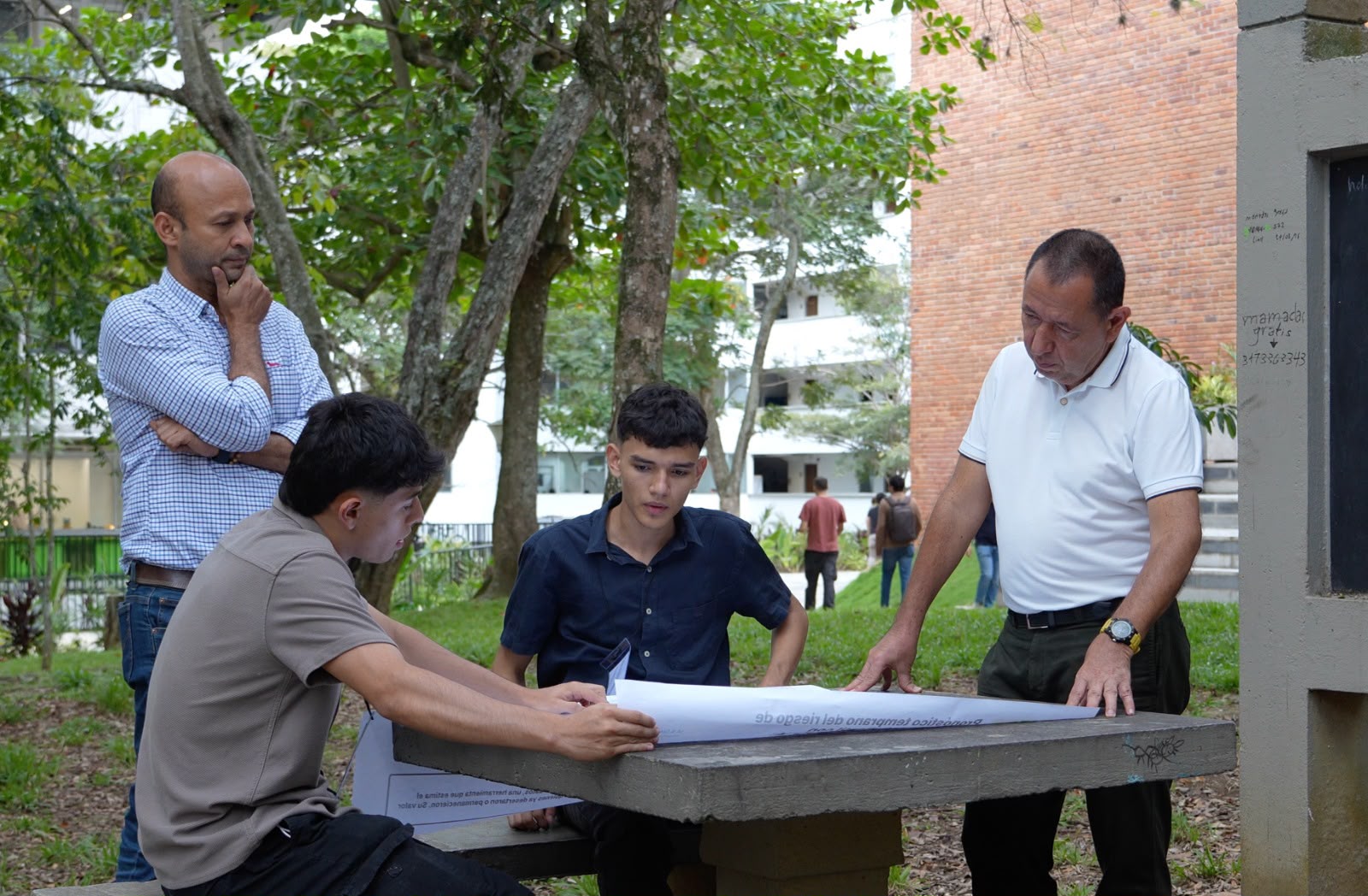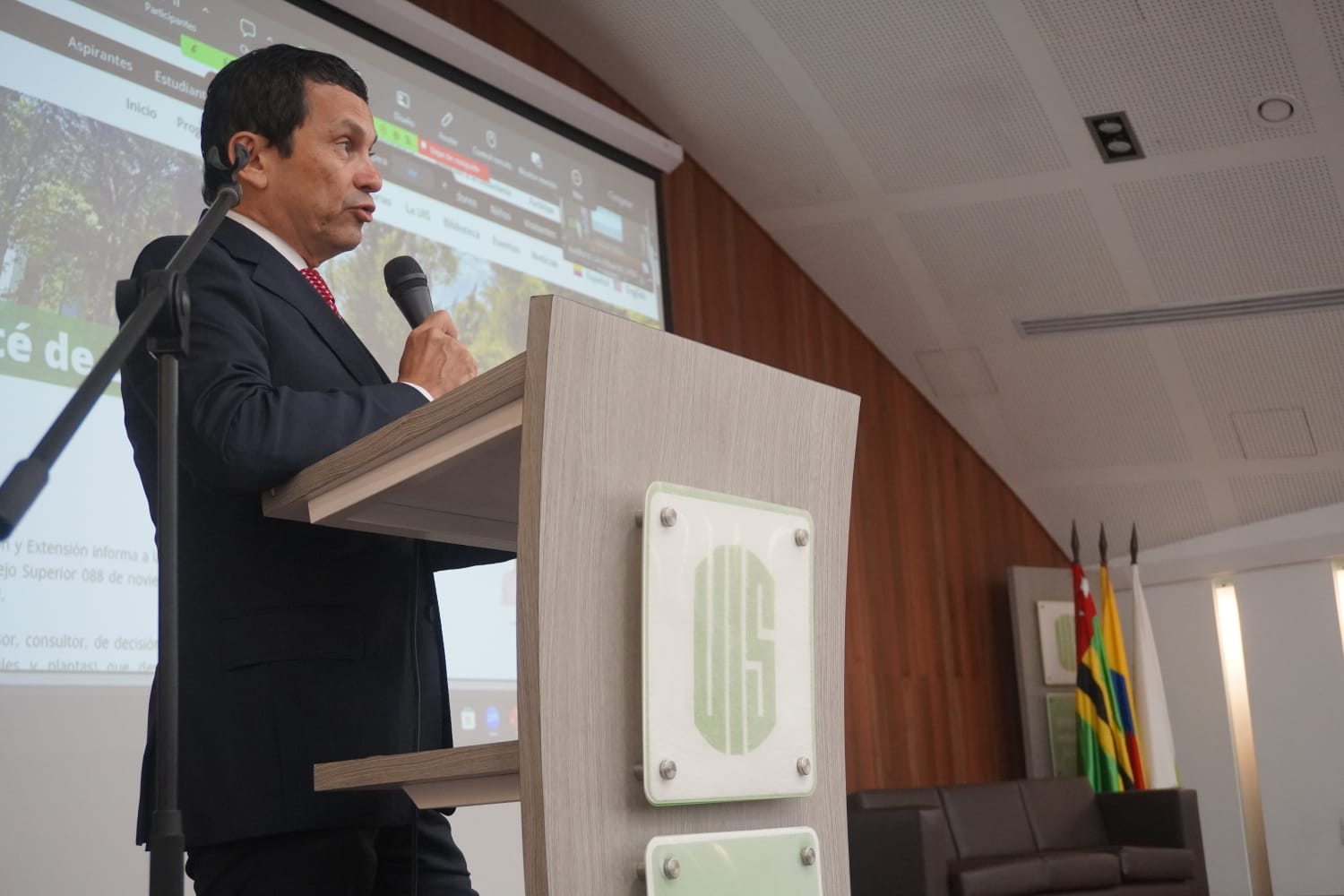


With the aim of continuing to dignify the public, this Tuesday, in the Virginia Gutiérrez de Pineda building, were delivered 11 new offices for the School of History and 5 for the School of Education at the UIS.
Each space is fully equipped and designed to offer greater labor welfare and academic quality.
“This is a third delivery that we make of part of the entire building, we have already delivered the second floor for the offices that corresponded to the Schools of Languages and Education; and on the second floor for other offices of Education and History. What we are delivering today is the administrative area that the School of Education needed and some teachers’ offices that the School of History needed,” said Pascual Cortés, architect of the Physical Plant Division.
The five offices of the administrative area of the School of Education, have their respective adaptations of air conditioning, electrical installations and real estate lighting; has the area for the Director of School, the area for the boardroom and some offices for assistants or students who interact with teachers internally.

As for the History area, there were 11 offices fully equipped with air conditioning, new electrical installations, Wi-Fi, “whatever they need for a comfortable environment for teachers,” added Cortes.
Both teachers and administrators expressed their gratitude for these deliveries that contribute to the work welfare and educational quality.
José Manuel Franco Serrano, director of the School of Education and coordinator of the Doctorate in Education, Culture and Society, said that “we had really been waiting for these spaces for a long time and they are very important because we were dispersed, we did not have a space for the administrative area where we could work together. So, in that sense, it is a significant, important step towards improvement. They are spacious, dignified, decent spaces that will allow us to work in a better way and this will have an impact not only in the administrative area, but also in the academic area, in the welfare of professors, students and of course it will also have an impact on the training of graduates, and an impact on the university”.

For María del Pilar Monroy, director of the School of History, “the importance is mainly in having decent spaces for work and to develop all the mission activities, so that as professors we can carry them out in the best conditions (…). They are spaces to do research, particularly, more than all research, it is a teaching job, and to attend to the students”.
Thus, as in other faculties and schools, a more humane, comfortable and efficient university continues to be built.