

The Industrial University of Santander (UIS), through the Master’s Degree in Human Rights at the School of Law and Political Science, in coordination with the National Center for Historical Memory (CNMH), has launched a series of talks and cultural activities aimed at recognizing and reinterpreting places of memory linked to the armed conflict in the region.
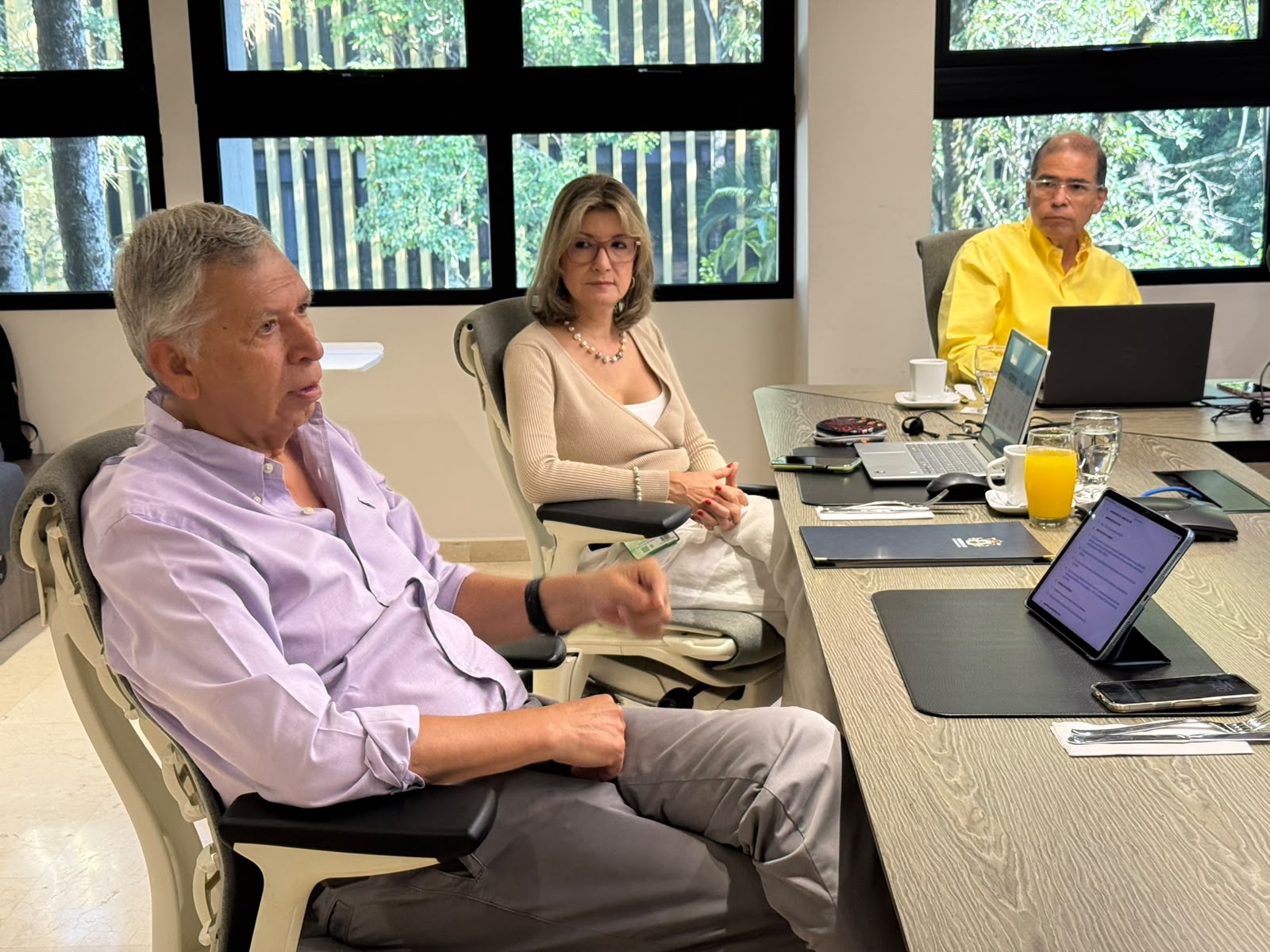
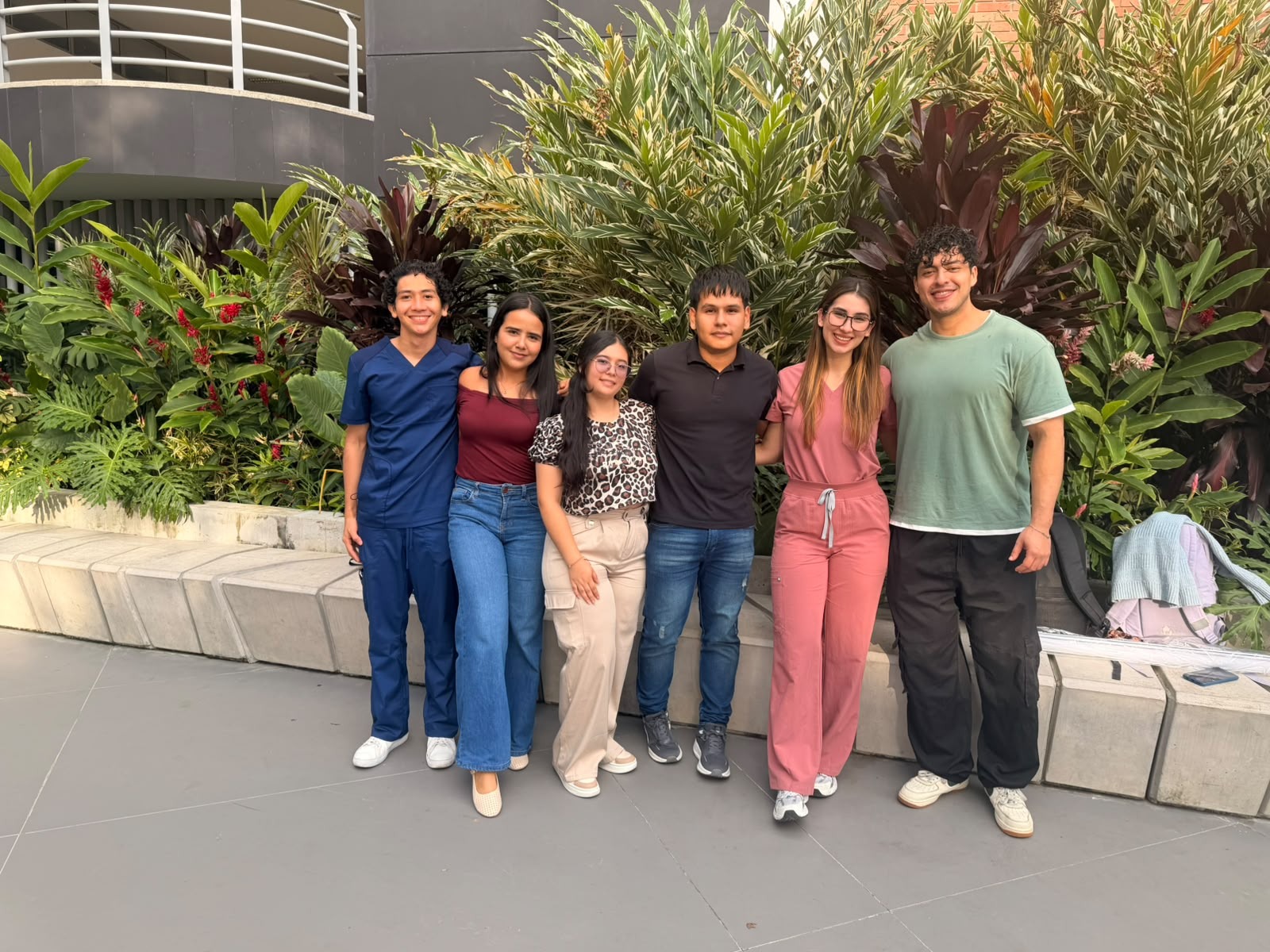
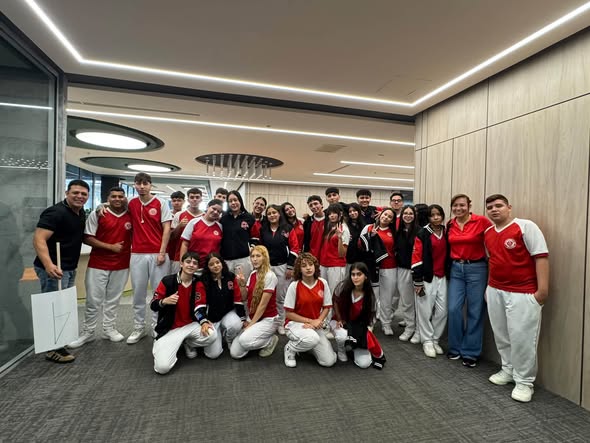
The proposal is part of a three-day agenda dedicated to peacebuilding and symbolic reparation. The first meeting brought together students and the university community for a discussion on the importance of places of memory as settings for reflection and healing. Experts from the CNMH emphasized that these types of debates allow new generations to understand how their professional work can contribute to building a more just and reconciled society.

“These spaces not only represent outreach activities, they are also venues for the collective construction of memory and for encounters with the university community and civil society,” said René Álvarez Orozco, coordinator of the Master’s Degree in Human Rights at the UIS.
Similarly, Francisco Casanova, an official at the CNMH, emphasized that this agenda “facilitates the articulation of academic work with the policy of places of memory, providing students and victims with a space for art, literature, and dialogue on symbolic reparation.”
In turn, Laura Andrea Molano, a member of the territorial team of the Museum of Memory, highlighted that the UIS is a place of living memory: “Here, the murals and commemorative settings become references that allow victims, students, and citizens to reflect on the past and propose paths toward peacebuilding.”

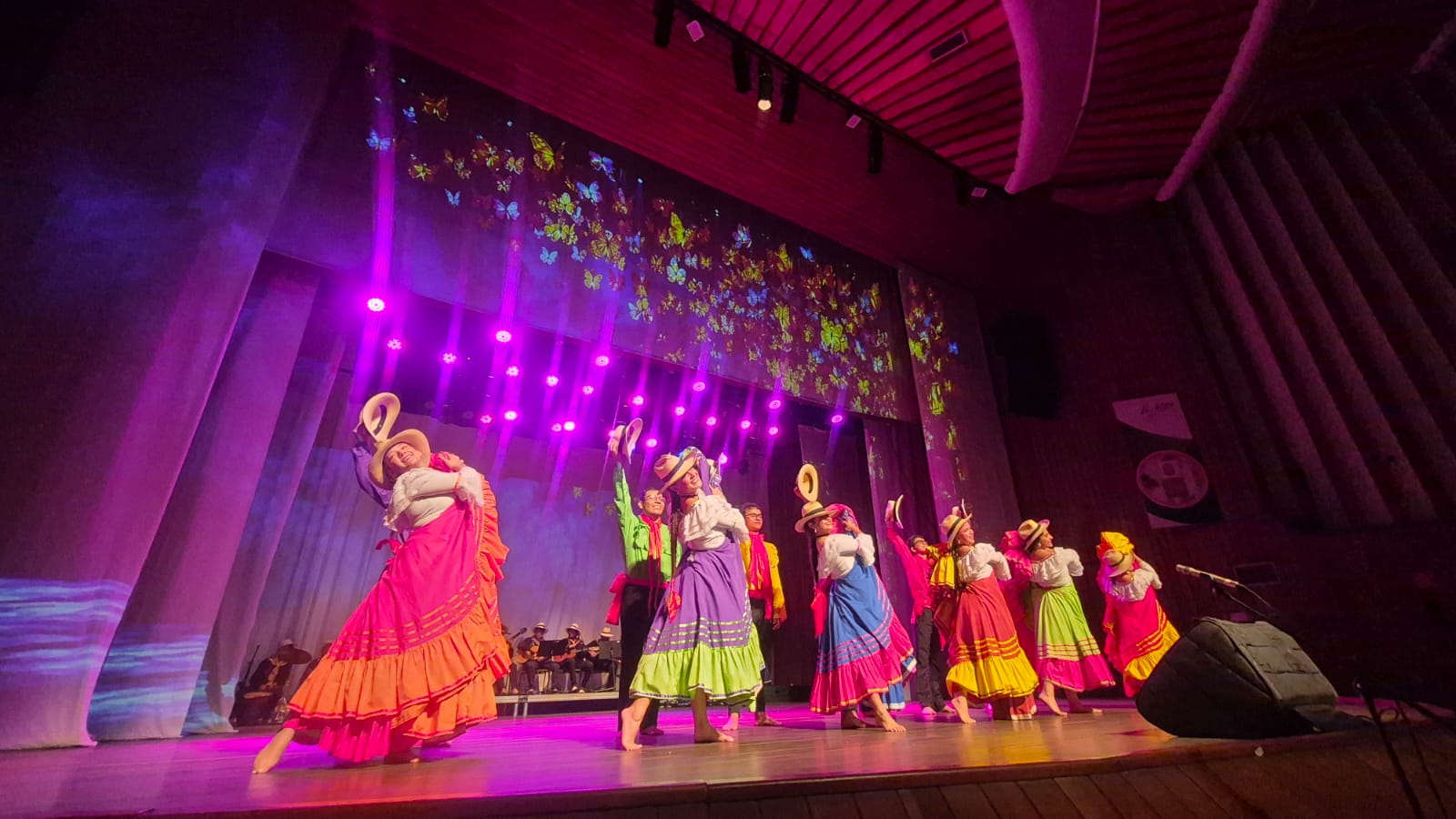
The activities will continue this Friday, August 22, with a gathering in which the university community, family members, and friends of Jesús Peña and Carmen Landazábal will share stories, reflections, and artistic expressions born of pain and hope. The agenda will culminate at the Bucaramanga Book Fair, where the CNMH will have a stand that will give voice to the victims through stories, a discussion, and a musical presentation, in a space to reflect on the role of universities in educating citizens committed to the future of the country.
With these initiatives, the UIS and the CNMH reaffirm their commitment to symbolic reparation, the dignification of victims, and the construction of a society that transforms memory into hope.